
Carrot
The carrot is a vibrant, sweet-tasting root vegetable celebrated worldwide for its nutritional value, versatility, and distinctive orange hue.
The carrot is a vibrant, sweet-tasting root vegetable celebrated worldwide for its nutritional value, versatility, and distinctive orange hue.
Carrots trace their domesticated origins to Central Asia, specifically Persia (modern Iran and Afghanistan), where they were cultivated as early as the 10th century CE. Early carrots were purple or yellow, with the iconic orange variety emerging in the Netherlands during the 16th and 17th centuries through selective breeding. The carrot’s lineage descends from the wild Daucus carota, also known as Queen Anne’s lace, and its development has been shaped by centuries of agricultural innovation across continents.
Botanically, the carrot belongs to the Apiaceae family, genus Daucus, species carota, subspecies sativus. It is classified as a root vegetable in culinary traditions, and is typically grown for its edible taproot. This places the carrot among other edible plant parts commonly consumed in savory dishes, distinct from fruits and herbs.
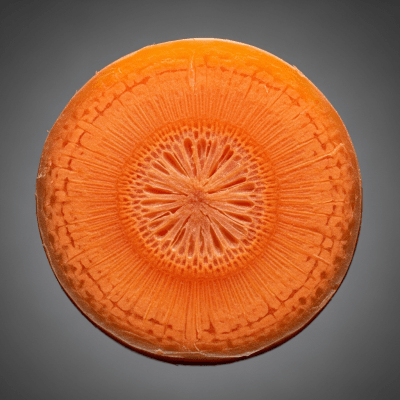
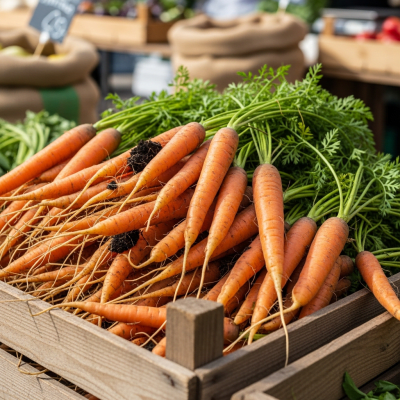
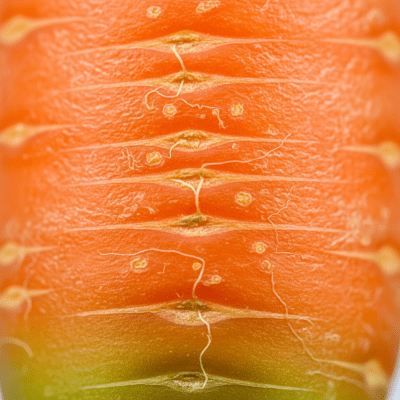
Carrots are recognized for their cylindrical to conical shape, usually measuring 5–30 cm in length and 2–5 cm in diameter. While orange is the most familiar color, carrots also appear in purple, red, yellow, and white varieties. Their texture is crisp and juicy when fresh, and the root’s surface is smooth with a vibrant sheen. Above ground, carrots display finely divided, feathery green leaves, adding a delicate touch to their overall form.
Carrots are highly adaptable in the kitchen, enjoyed raw as a snack, shredded in salads, or cooked in soups, stews, and stir-fries. Their natural sweetness and crunch make them popular in both savory and sweet preparations. The root is the primary edible part, though the leaves are sometimes used as a garnish or herb. Carrots also serve as a key ingredient in juices and processed foods, reflecting their broad utility and appeal.
Bring this kind into your world illustrated posters, mugs, and shirts.
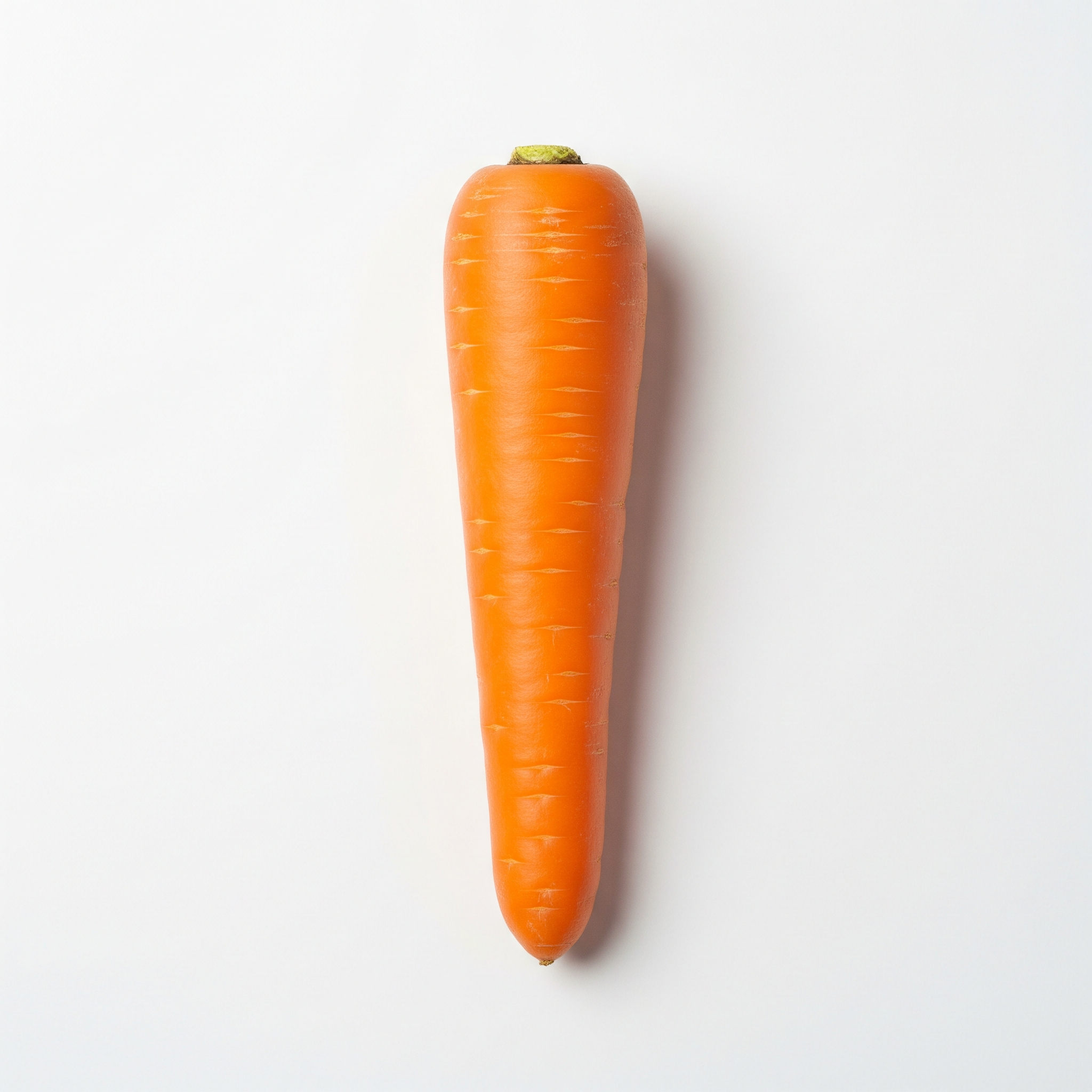
Archival print, museum-grade paper
Buy Poster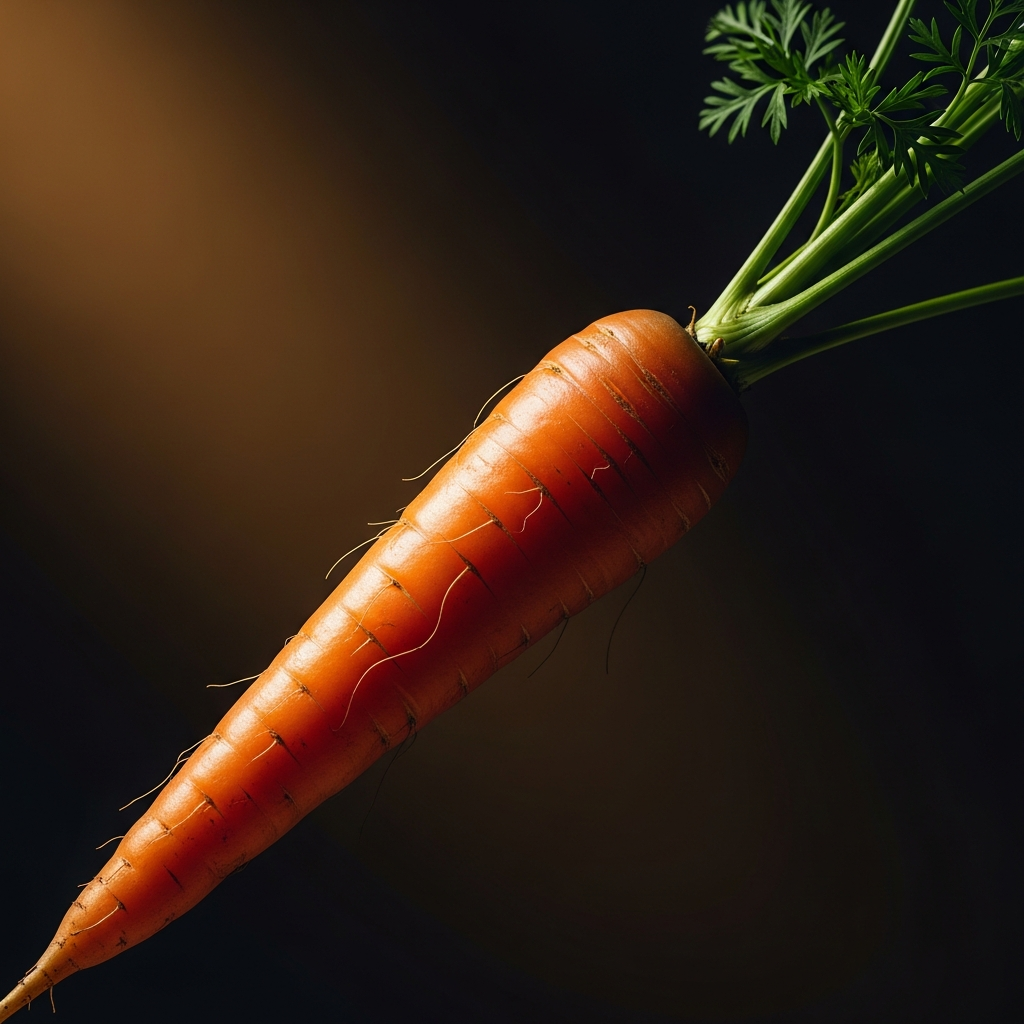
Stoneware mug, dishwasher safe
Buy Mug
Soft cotton tee, unisex sizes
Buy ShirtCarrots have played symbolic roles in folklore, art, and cuisine. The orange carrot is often associated with Dutch heritage, while purple varieties are traditional in Middle Eastern and South Asian cultures. Carrots appear in children’s stories, such as the favorite food of rabbits in popular media, and are celebrated for their health benefits in modern wellness culture. Their vibrant color and nutritional reputation have made them a staple in diets and a symbol of wholesome eating worldwide.
Carrots are celebrated for their high beta-carotene content, a precursor to vitamin A that supports vision and immune function. They also provide dietary fiber, vitamin K, potassium, and antioxidants. Their nutritional density makes them a valuable addition to balanced diets, contributing to overall health and wellness.
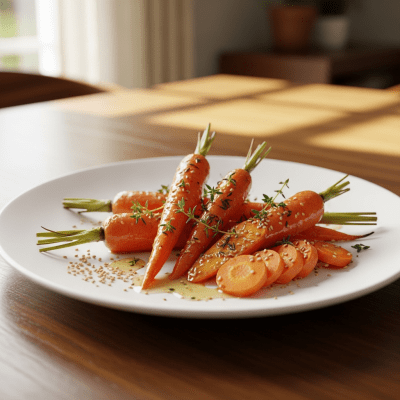
Carrots are enjoyed raw in salads and as snacks, cooked in soups, stews, and stir-fries, and processed into juices, canned goods, and dehydrated products. Their natural sweetness lends itself to baking, such as carrot cake, and they are often used to add color, flavor, and nutrition to a wide array of dishes. The root is the star ingredient, while the leaves are occasionally used for garnish or as an herb.
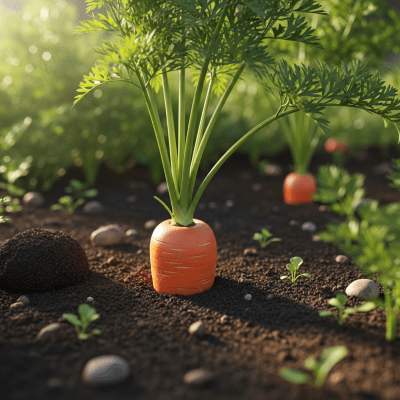
Carrots thrive in cool to temperate climates and prefer well-drained sandy soils. They are typically grown as annuals, requiring 70–80 days from sowing to harvest. Commercial yields average 25–40 tonnes per hectare. Optimal storage conditions (0°C, high humidity) can preserve carrots for up to 4–6 months. Modern cultivars are bred for improved disease resistance and uniformity, though carrots remain susceptible to pests like carrot fly, nematodes, and fungal pathogens.
Carrots display moderate tolerance to some soil-borne pests and diseases but are vulnerable to carrot fly (Psila rosae), nematodes, and fungal pathogens. Breeding efforts have improved resistance in modern cultivars, yet vigilant crop management remains essential for healthy yields.
Carrot varieties and uses vary by region: purple carrots are traditional in the Middle East and South Asia, while orange types dominate in Europe and North America. Local preferences influence root shape, color, and culinary applications. Regional names include "zanahoria" (Spanish), "carotte" (French), "Möhre" or "Karotte" (German), "wortel" (Dutch), "морковь" (Russian), and "gajar" (Hindi/Urdu).
For best quality, select carrots that are firm, smooth, and brightly colored, with fresh, green tops if present. Store carrots in the refrigerator, ideally in a perforated plastic bag, to maintain moisture and prevent wilting. Under optimal conditions (0°C, high humidity), carrots can be kept fresh for up to 4–6 months. Avoid storing near ethylene-producing fruits, as this can cause bitterness and spoilage.