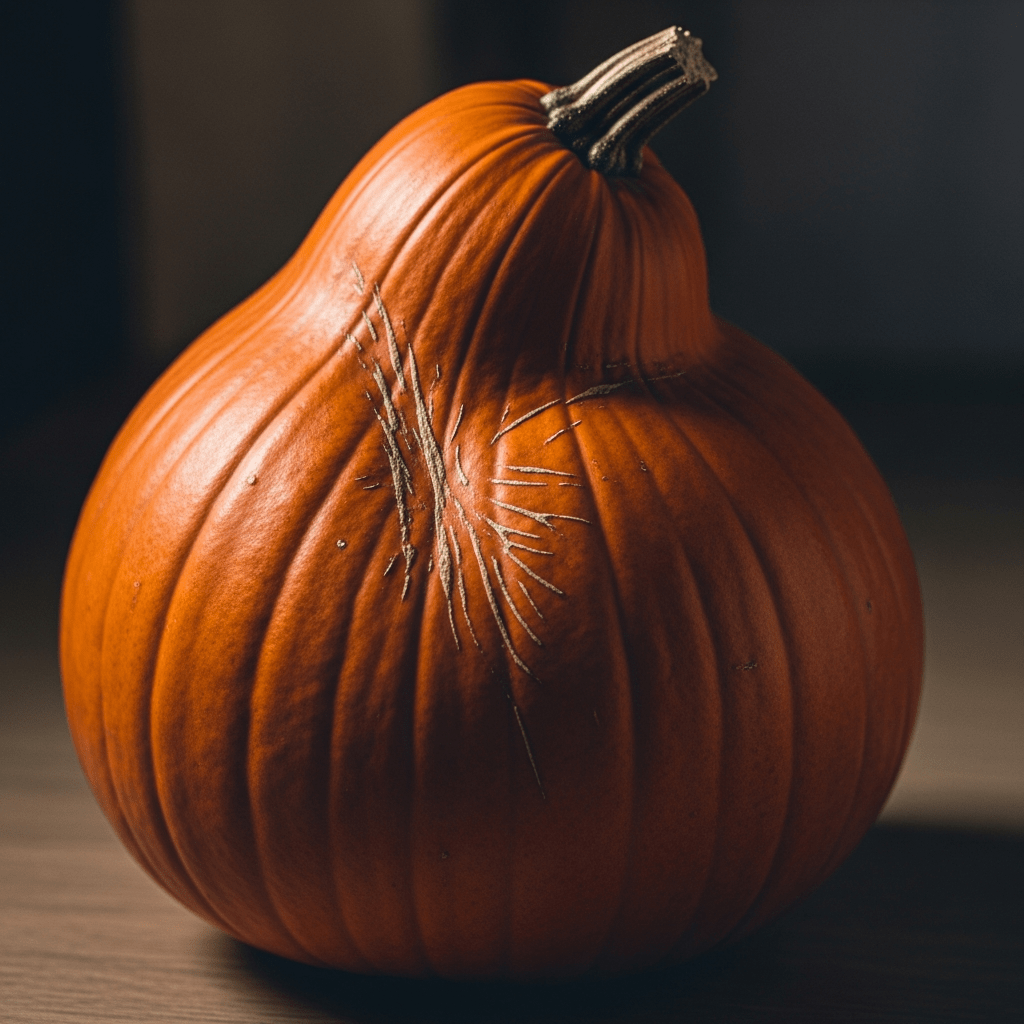
Pumpkin
Pumpkin is a large, round, orange or yellow vegetable renowned for its edible flesh and seeds, culinary versatility, and cultural prominence worldwide.
Pumpkin is a large, round, orange or yellow vegetable renowned for its edible flesh and seeds, culinary versatility, and cultural prominence worldwide.
Pumpkin’s journey begins in Central and South America, where it was domesticated in Mexico between 7,500 and 5,000 BCE. Archaeological findings reveal its ancient role as a staple food, with wild ancestors now extinct. Over millennia, selective breeding—by indigenous peoples and, more recently, agricultural institutions—shaped pumpkins into the diverse varieties cultivated today. Modern commercial pumpkins trace their lineage to species like Cucurbita pepo, C. maxima, and C. moschata, each adapted for size, color, and resilience.
Pumpkin belongs to the Cucurbitaceae family, sharing botanical roots with squashes and gourds. Its primary scientific designation is Cucurbita pepo, though other species (C. maxima, C. moschata) are also called pumpkins in various regions. While botanically a fruit—a pepo berry—pumpkin is classified as a vegetable in culinary traditions due to its savory uses. This dual identity is reflected in both botanical and culinary taxonomies, making pumpkin a bridge between scientific and everyday food categories.
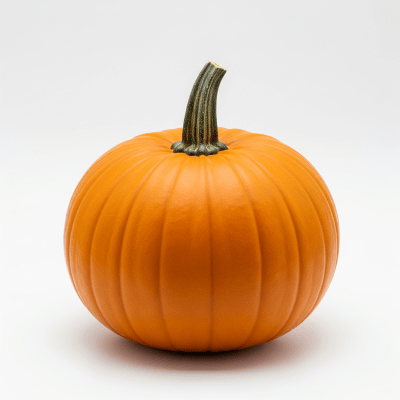
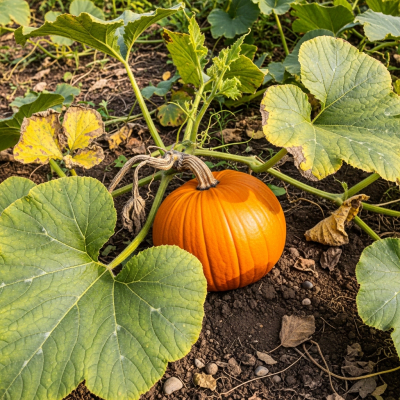
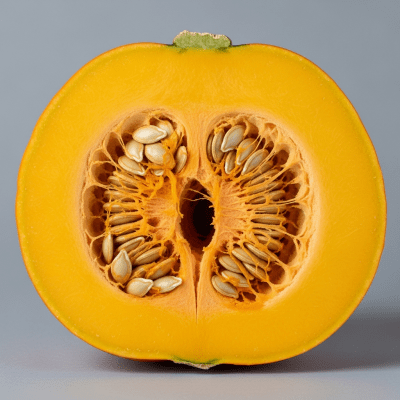
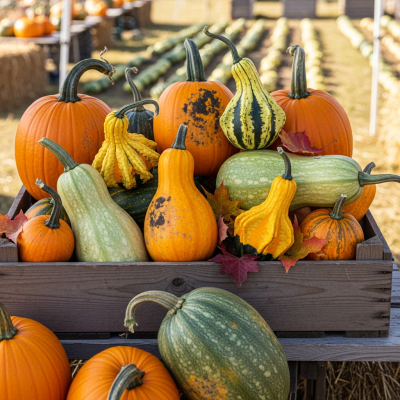
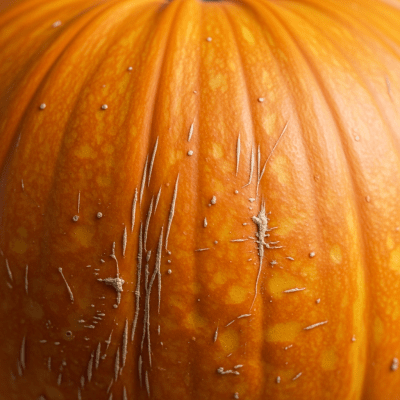
Pumpkins are visually striking: typically large and round to oblong, with a hard, ribbed rind most often in vivid orange, but also found in yellow, green, white, or variegated hues. The flesh inside is firm, dense, and ranges from deep orange to yellow, encasing numerous flat, edible seeds known as pepitas. The plant itself is a sprawling annual vine with large, lobed leaves and bright yellow edible flowers, creating a lush, vigorous presence in gardens and fields.
Pumpkin’s utility spans culinary, agricultural, and ornamental realms. In the kitchen, its flesh is transformed into soups, stews, curries, purees, and iconic baked goods like pumpkin pie. Seeds are roasted for snacks or pressed for oil, while flowers and young shoots are also edible. Agriculturally, pumpkins are grown for food, animal feed, and decorative uses—most famously as jack-o’-lanterns during Halloween. Their robust vines and storage-friendly fruits make them a valuable crop for growers and consumers alike.
Bring this kind into your world illustrated posters, mugs, and shirts.
Archival print, museum-grade paper
Buy Poster
Stoneware mug, dishwasher safe
Buy Mug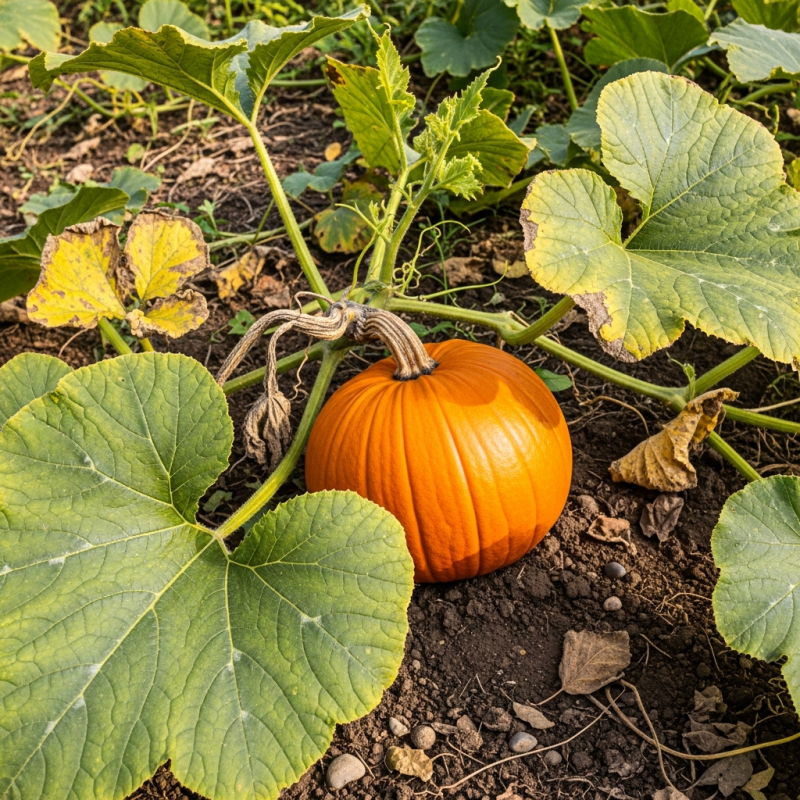
Soft cotton tee, unisex sizes
Buy ShirtPumpkin holds a special place in cultural traditions around the globe. In North America, it is the centerpiece of autumn celebrations, notably featured in Halloween as the carved jack-o’-lantern and in Thanksgiving as the beloved pumpkin pie. In Asia, varieties like kabocha are staples in everyday cooking. Its image appears in folklore, fairy tales (think Cinderella’s carriage), and seasonal festivals, symbolizing harvest, abundance, and transformation. The pumpkin’s versatility and vivid color have made it an enduring icon in art, myth, and modern culture.
Pumpkin is rich in vitamin A (from beta-carotene), supporting vision and immune health. It also provides vitamin C, potassium, and dietary fiber, making it a wholesome addition to meals. The seeds are notable for their protein content and healthy fats, offering additional nutritional benefits. Low in calories and high in antioxidants, pumpkin is a nutritious choice for diverse diets.
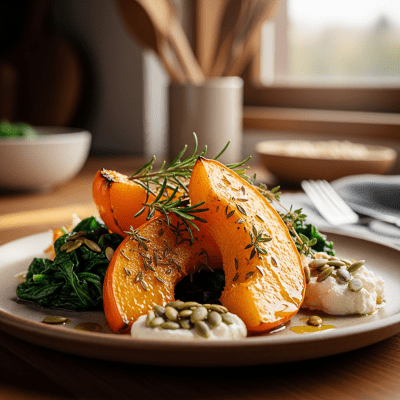
Pumpkin’s culinary versatility is celebrated worldwide. Its flesh is used in savory dishes such as soups, stews, curries, and roasted vegetable medleys. In baking, it stars in pies, breads, and desserts. Pumpkin puree is a staple for canned goods, while seeds are roasted for snacks or pressed for oil. Flowers and shoots are also edible, featured in stir-fries and salads. Pumpkin is available fresh, canned, frozen, or as processed products like soups and baby foods.
Pumpkin thrives as an annual vine in warm climates, preferring temperatures of 18–27°C, full sun, and well-drained, fertile soil. It is sensitive to frost and requires 75–120 days to mature, depending on the variety. Commercial yields range from 20 to 40 tonnes per hectare, with intensive systems reaching up to 60 t/ha. After harvest, mature pumpkins can be stored for several months if kept cool and dry. Modern cultivars offer improved resistance to common pests and diseases, supporting robust production in diverse regions.
Pumpkins are vulnerable to pests such as squash vine borers and cucumber beetles, which can damage vines and fruit. Common diseases include powdery mildew and downy mildew, affecting leaves and yield. Many modern cultivars have been bred for improved resistance, helping growers manage these challenges and maintain healthy crops.
The term “pumpkin” varies in meaning across regions. In North America, it typically refers to orange-fruited C. pepo types, while in other areas, C. maxima and C. moschata are also called pumpkin. Synonyms include “calabaza” (Spanish), “citrouille” (French), “kabocha” (Japanese), and “kaddu” (Hindi/Urdu). “Winter squash” is sometimes used interchangeably, though it may refer to other hard-rinded varieties. Culinary uses and popularity shift with local traditions and available cultivars.
When selecting pumpkins, look for firm, heavy fruits with intact, hard rinds free of soft spots or blemishes. Store mature pumpkins in a cool, dry place to extend shelf life—typically 2 to 6 months. Avoid stacking to prevent bruising. For longer preservation, pumpkin can be pureed and frozen or canned. Seeds should be dried before storage, and flowers are best used fresh. Proper handling ensures optimal flavor and nutrition.