Scallion
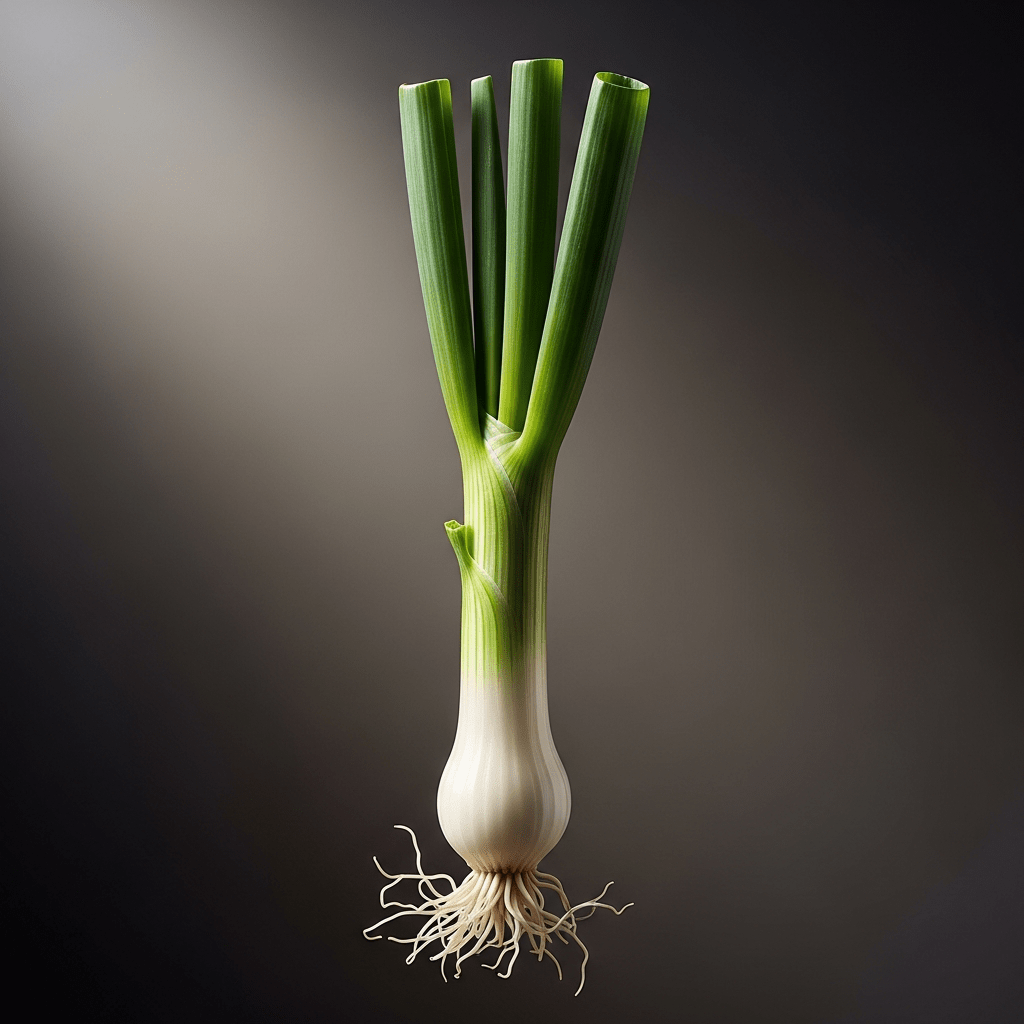
Scallion is a versatile, mild-flavored vegetable prized for its slender green stalks and small white bulbs, widely enjoyed both raw and cooked across global cuisines.
Scallion is a versatile, mild-flavored vegetable prized for its slender green stalks and small white bulbs, widely enjoyed both raw and cooked across global cuisines.
Scallions trace their roots to Central Asia, where they were first cultivated thousands of years ago. Derived primarily from the species Allium fistulosum (Welsh onion) and sometimes from immature forms of Allium cepa (common onion), scallions have spread worldwide through traditional agricultural practices. Their domestication lacks a single credited breeder or institution, reflecting a long history of propagation by farmers across Asia, Europe, and the Americas.
Botanically, scallions belong to the family Amaryllidaceae, genus Allium, and are represented by species such as Allium fistulosum and Allium cepa (when harvested young). In culinary terms, they are classified as bulb vegetables, though they are distinct from mature onions due to their undeveloped bulbs and edible green tops. This dual identity—bridging botanical and culinary frames—makes scallions a staple in the vegetable taxonomy.
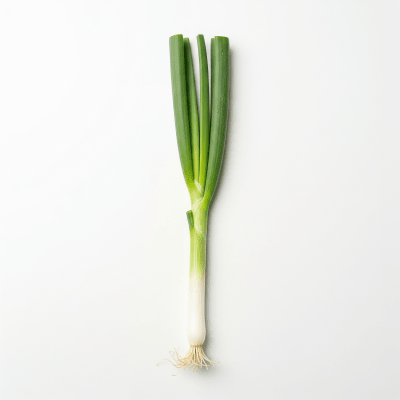
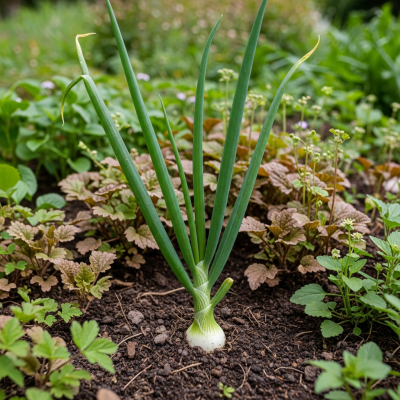
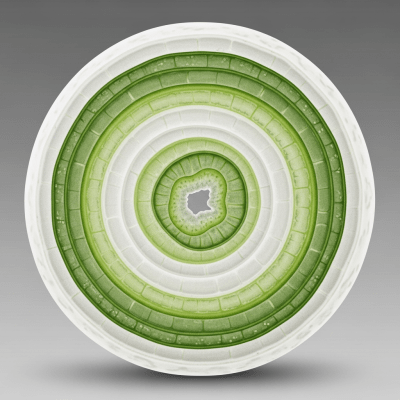
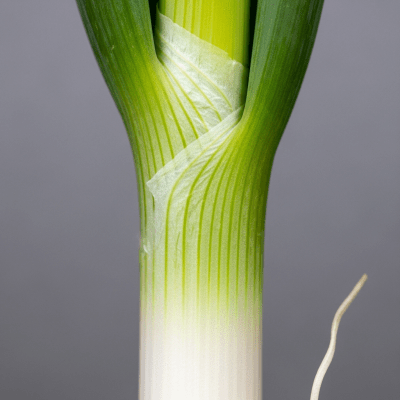
Scallions are instantly recognizable by their long, hollow, cylindrical green leaves and small, white, non-bulbing bases. The plants typically reach heights of 30 to 50 centimeters. Their crisp texture, mild aroma, and vibrant color make them visually appealing, while both the green tops and white bases offer a tender bite and subtle onion flavor.
Scallions are valued for their culinary flexibility and ease of use. Both the green and white portions are edible, lending color, freshness, and gentle onion flavor to dishes. They are harvested for immediate consumption, with a short storage life that encourages use in salads, soups, stir-fries, and as a garnish. Their rapid growth and year-round availability make them a reliable ingredient for home cooks and professional chefs alike.
Bring this kind into your world illustrated posters, mugs, and shirts.
Archival print, museum-grade paper
Buy Poster
Stoneware mug, dishwasher safe
Buy Mug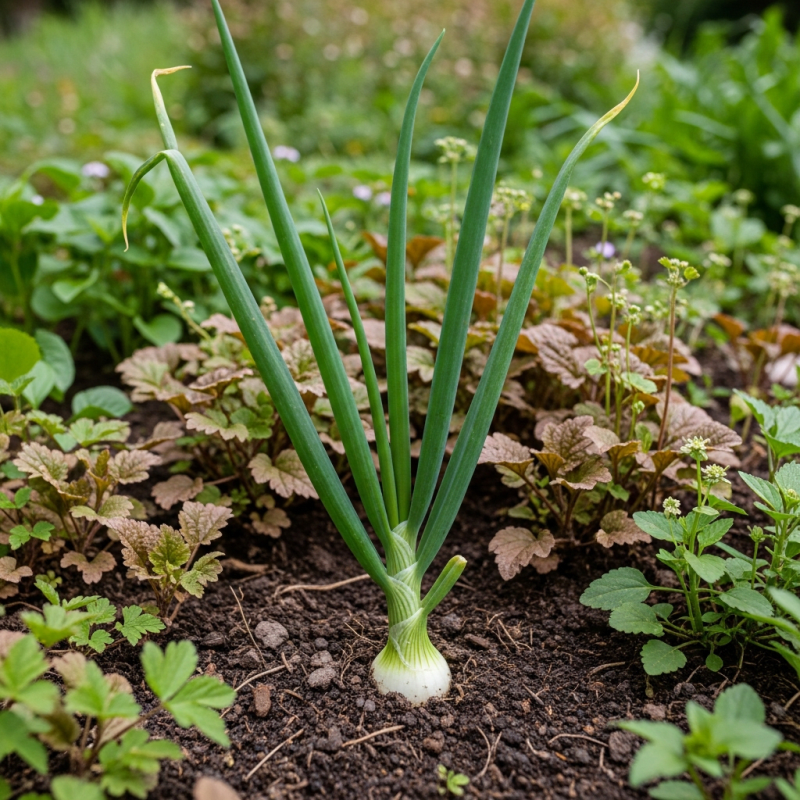
Soft cotton tee, unisex sizes
Buy ShirtScallions hold a prominent place in many food cultures. In East Asian cuisines, they are a foundational aromatic—essential in Chinese, Korean, and Japanese cooking for flavor bases, garnishes, and sauces. In Latin American and Western traditions, scallions add freshness to salsas, salads, and grilled dishes. Their presence in folk recipes, language, and culinary rituals highlights their enduring cultural resonance and adaptability.
Scallions are low in calories and provide a notable source of vitamin K, vitamin C, folate, and dietary fiber. Their nutritional value is enhanced by their use as a fresh garnish and flavoring, contributing micronutrients and antioxidants to a wide range of dishes.
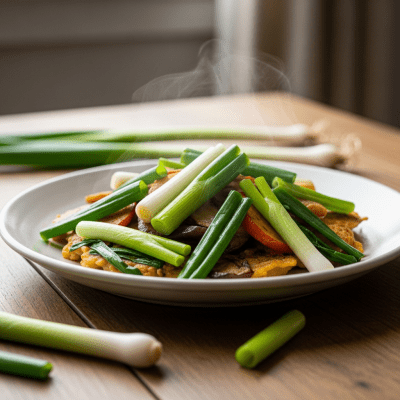
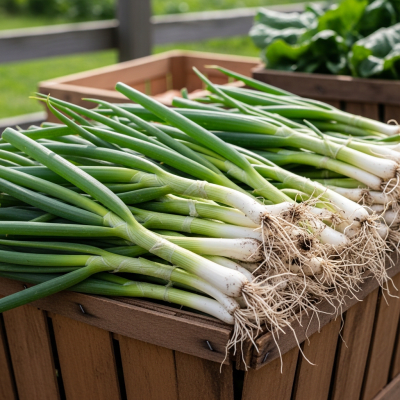
Scallions are enjoyed raw in salads, salsas, and as a crisp garnish, or cooked in stir-fries, soups, and sauces. The green tops add color and a mild onion note, while the white bases offer gentle pungency. Common preparations include slicing, grilling, sautéing, and blending into dressings or dips. Their versatility makes them a staple in East Asian, Latin American, and Western kitchens.
Scallions thrive as cool-season crops, preferring well-drained soils and moderate moisture. They can be grown as annuals or perennials, depending on species and climate. Commercial yields range from 15 to 25 tons per hectare. While scallions are moderately tolerant to cold and resistant to bolting, they are susceptible to fungal diseases like downy mildew and pink root, as well as mechanical damage during harvest. For best results, scallions should be harvested promptly and handled gently.
Scallions are most commonly sold fresh, either whole or in bunches, but are also available pre-cut, frozen, or dehydrated for convenience and extended shelf life.
Scallions display moderate cold tolerance and resistance to bolting, but are vulnerable to fungal pathogens such as downy mildew and pink root. Mechanical damage during harvest can also impact quality. Good field hygiene, crop rotation, and careful handling help minimize disease and pest pressures.
Scallions are known by many names worldwide—'cong' in Chinese, 'ciboule' in French, 'cebollita' or 'cebolleta' in Spanish. In the UK and Australia, 'spring onion' may refer to young bulb onions, while 'Welsh onion' specifically denotes Allium fistulosum. These regional distinctions influence both naming and culinary use, reflecting local traditions and preferences.
Choose scallions with firm, vibrant green stalks and crisp white bases, avoiding wilted or slimy specimens. Store unwashed scallions in the refrigerator, wrapped in a damp paper towel or in a perforated bag, to maintain freshness for up to two weeks. For longer storage, scallions may be chopped and frozen, though their texture will soften. Use promptly for the best flavor and quality.