Brussels Sprout
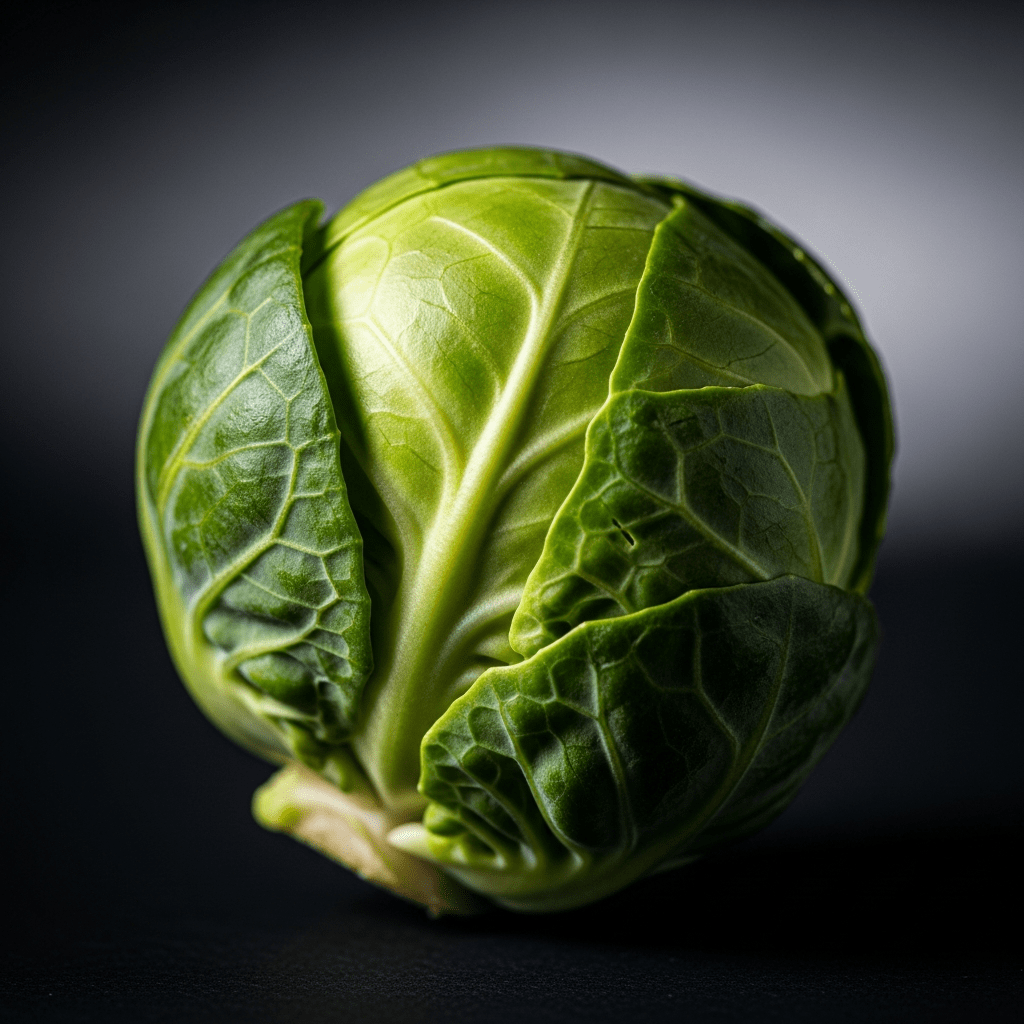
The Brussels sprout is a leafy green vegetable, celebrated for its compact, cabbage-like buds and robust nutritional value, making it a staple in savory dishes around the world.
The Brussels sprout is a leafy green vegetable, celebrated for its compact, cabbage-like buds and robust nutritional value, making it a staple in savory dishes around the world.
Brussels sprouts trace their origins to the region surrounding Brussels, Belgium, with cultivation documented as early as the late 16th century. The vegetable’s modern form emerged in the 18th century, shaped by generations of selective breeding from wild Brassica oleracea native to coastal Europe. Rather than a single breeder or institution, its development is the result of centuries of agricultural tradition and innovation in Western Europe.
Botanically, Brussels sprouts belong to the Brassicaceae family, sharing lineage with cabbage, broccoli, and kale. Within the species Brassica oleracea, they are classified in the Gemmifera Group, distinguished by their edible axillary buds. In culinary taxonomy, they are categorized as a leafy vegetable, valued for their savory flavor and versatility.
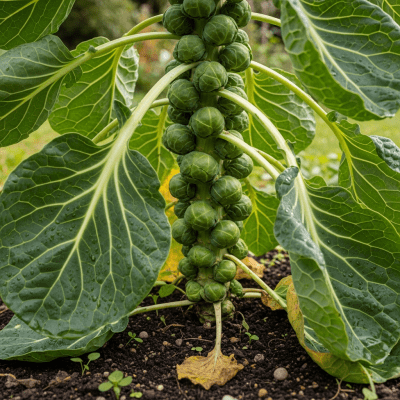
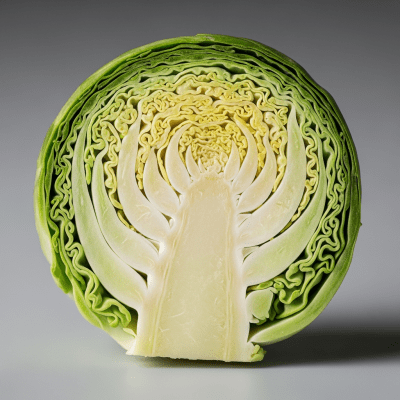
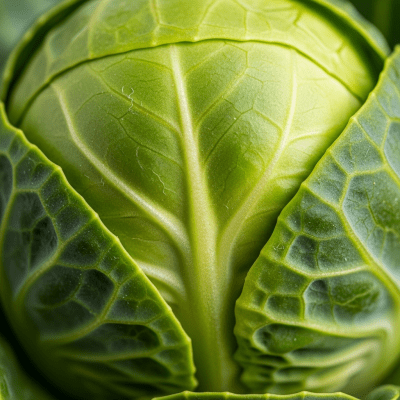
Brussels sprouts grow as upright, leafy plants reaching up to 120 cm tall. Along the thick stem, they produce numerous small, round buds—each 2–4 cm in diameter—tightly packed and vibrant green, though some cultivars display red or purple hues. The sprouts have a dense, layered structure, reminiscent of miniature cabbages, and offer a crisp texture when fresh.
Primarily cultivated for their edible buds, Brussels sprouts are harvested either by hand or mechanically. They are typically cooked—roasted, steamed, boiled, sautéed, or grilled—unlocking their distinctive flavor and tender texture. Their frost tolerance not only extends the growing season but also enhances sweetness, making them a favored winter vegetable in many regions.
Bring this kind into your world illustrated posters, mugs, and shirts.
Archival print, museum-grade paper
Buy Poster
Stoneware mug, dishwasher safe
Buy Mug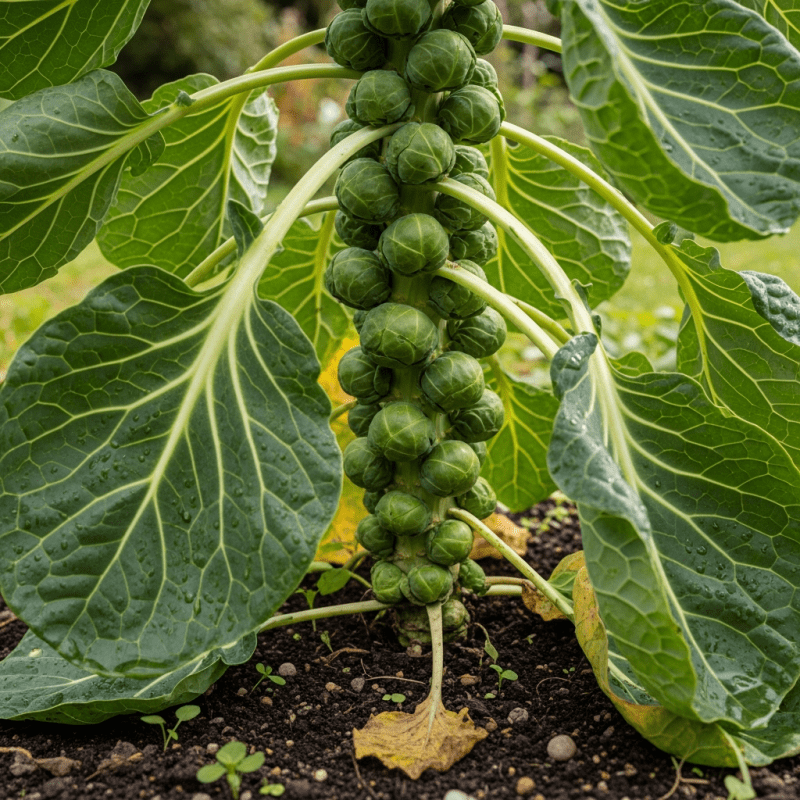
Soft cotton tee, unisex sizes
Buy ShirtBrussels sprouts hold a prominent place in European culinary tradition, especially in holiday feasts and winter menus. Their reputation has evolved from humble, everyday fare to a celebrated ingredient in modern gastronomy. Across cultures, they are featured in festive meals, creative recipes, and even as a symbol of healthy eating, reflecting both heritage and contemporary trends.
Brussels sprouts are a nutritional powerhouse, offering high levels of vitamin C, vitamin K, dietary fiber, and antioxidants. A 100-gram serving provides approximately 43 kcal, 3.4 grams of protein, 0.3 grams of fat, 9 grams of carbohydrates, and 3.8 grams of fiber. Their glucosinolate content contributes to both health benefits and their distinctive taste.
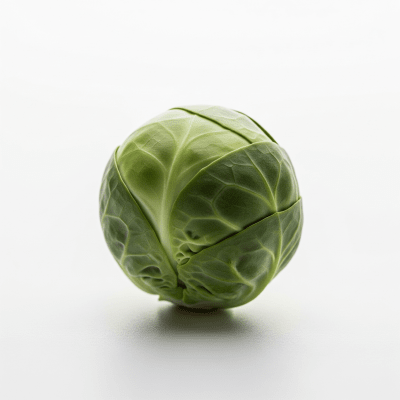
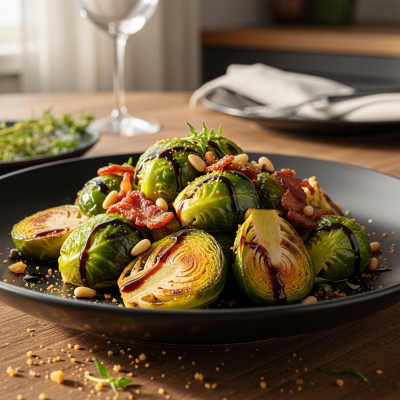
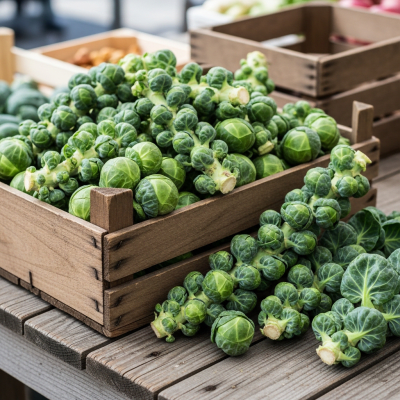
Brussels sprouts are most commonly enjoyed cooked—roasted for caramelization, steamed for tenderness, boiled for simplicity, sautéed for flavor depth, or grilled for smoky notes. They appear as side dishes, in salads, stir-fries, and casseroles, and are increasingly featured in inventive recipes across European, North American, and Asian cuisines.
Brussels sprouts thrive in cool climates, preferring temperatures between 7–24°C. Although biennial by nature, they are grown as annuals for harvest. The plants reach 60–120 cm in height, with yields averaging 10–20 tons per hectare. Harvesting is done by hand or machine, and post-harvest storage at 0–2°C can extend freshness for up to five weeks. Their moderate frost tolerance not only protects the crop but also enhances flavor.
Brussels sprout cultivars include green and red/purple varieties, with modern hybrids bred for uniformity, improved disease resistance, and enhanced flavor. While specific heritage cultivars are not universally recognized, growers may select varieties suited to local climate and market preferences.
Brussels sprouts exhibit moderate resistance to cold and some fungal pathogens, but are susceptible to clubroot (Plasmodiophora brassicae), cabbage aphid infestations, and black rot (Xanthomonas campestris). Breeding efforts focus on improving resistance and reducing crop losses, with some hybrids offering enhanced protection.
Known by different names worldwide—such as "choux de Bruxelles" in France, "Spruitjes" in the Netherlands, "Rosenkohl" in Germany, and "col de Bruselas" in Spain—Brussels sprouts are adapted to local tastes and culinary traditions. Regional cultivars may carry unique names or heritage distinctions, though no single variety dominates globally.
Choose Brussels sprouts that are firm, compact, and vibrant in color, avoiding any with yellowing leaves or soft spots. Store unwashed sprouts in the refrigerator at 0–2°C for optimal freshness, ideally in a breathable bag. Proper storage can keep them fresh for up to five weeks. For longer preservation, sprouts may be blanched and frozen, retaining both flavor and nutritional value.