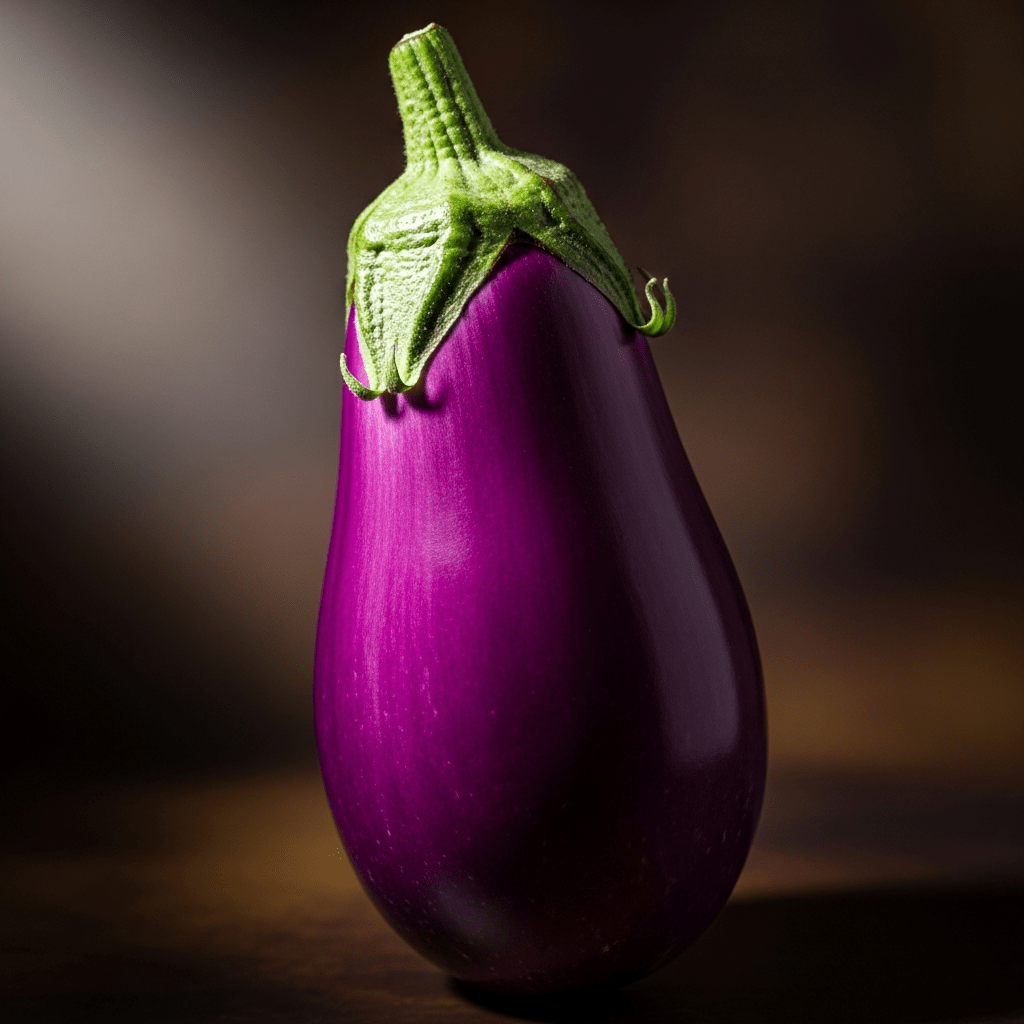
Eggplant
Eggplant is a versatile vegetable, recognized for its glossy purple skin and spongy flesh, and widely used in savory dishes around the world.
Eggplant is a versatile vegetable, recognized for its glossy purple skin and spongy flesh, and widely used in savory dishes around the world.
Eggplant (Solanum melongena) traces its roots to the Indian subcontinent, where it was domesticated in South and Southeast Asia as early as the 5th century BCE. Its journey to the Mediterranean and beyond was facilitated by Arab traders in the Middle Ages, leading to its integration into diverse culinary traditions. Over centuries, eggplant has been selectively bred for size, shape, color, and resilience, resulting in a rich tapestry of varieties cultivated globally.
Botanically, eggplant belongs to the Solanaceae family, making it a relative of tomatoes and potatoes. Although it is technically a berry fruit, eggplant is classified as a vegetable in culinary contexts. This dual identity highlights the difference between scientific taxonomy and everyday kitchen use, with eggplant firmly established as a staple vegetable in global cuisines.
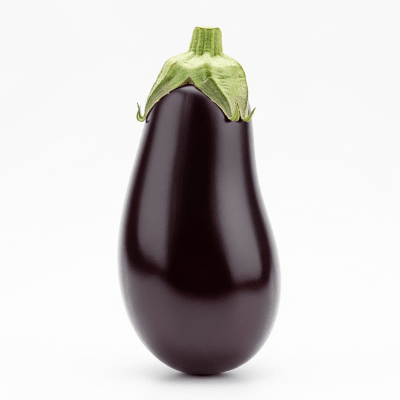
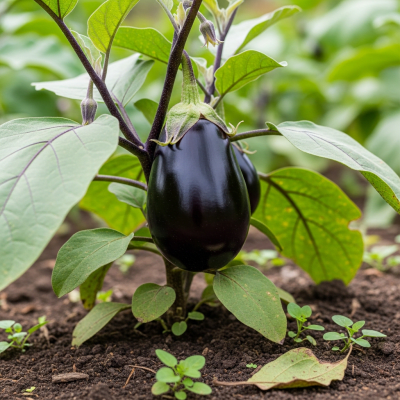
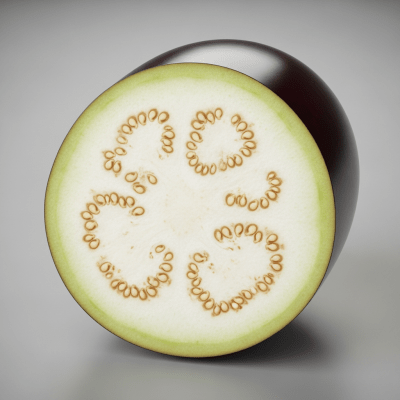
Eggplants are distinguished by their smooth, glossy skin—most commonly deep purple, but also found in white, green, yellow, or striped hues depending on the cultivar. The fruit varies in shape from oval and elongated to round, typically measuring 10–30 cm in length. Its flesh is pale, spongy, and studded with small, edible seeds, while the plant itself features large, lobed leaves and delicate purple to white flowers.
Eggplant is prized for its culinary versatility, absorbing flavors and textures from spices, oils, and other ingredients. It is almost always consumed cooked, as raw eggplant can be bitter and tough. The vegetable is central to iconic dishes such as ratatouille, baba ghanoush, moussaka, and baingan bharta, and is valued for its ability to adapt to grilling, roasting, frying, and stewing. In agriculture, eggplant is grown as an annual in temperate climates and requires warm temperatures and well-drained soil to thrive.
Bring this kind into your world illustrated posters, mugs, and shirts.
Archival print, museum-grade paper
Buy Poster
Stoneware mug, dishwasher safe
Buy Mug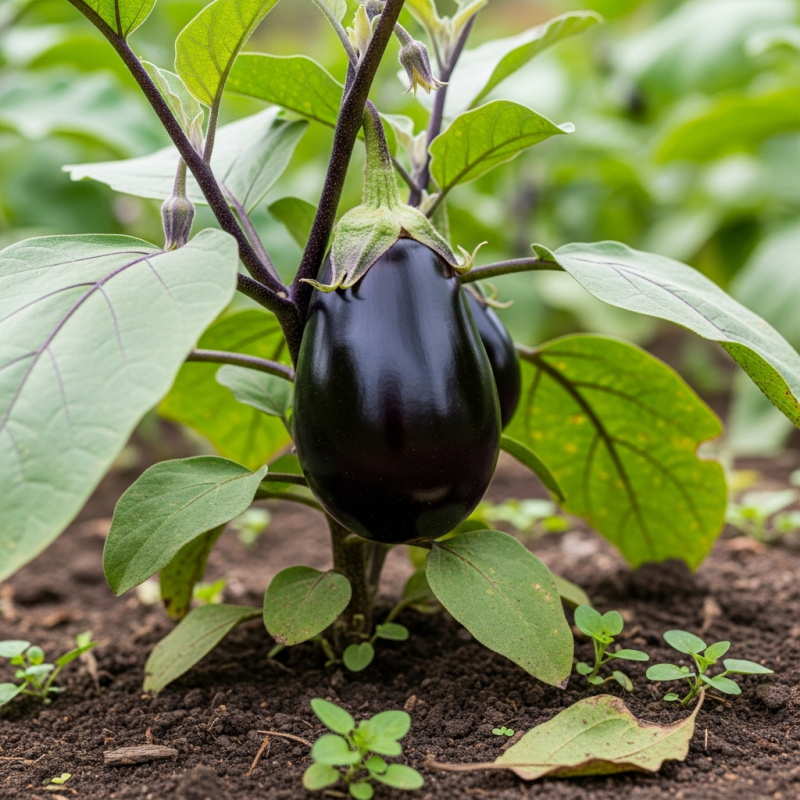
Soft cotton tee, unisex sizes
Buy ShirtEggplant holds a prominent place in the culinary and cultural landscapes of Asia, the Mediterranean, and the Middle East. Its appearance in classic dishes, literature, and art reflects its deep-rooted significance. The vegetable is celebrated in festivals, featured in proverbs, and has inspired regional nicknames such as "aubergine" and "brinjal." Its symbolic color and shape have appeared in decorative motifs and modern pop culture, further cementing its status as a global food icon.
Eggplant is low in calories and rich in dietary fiber, making it a healthy addition to many diets. It provides vitamins such as B6 and K, minerals like potassium and manganese, and antioxidants including nasunin, which is found in the skin. Its nutrient profile supports heart health, digestion, and may help combat oxidative stress.
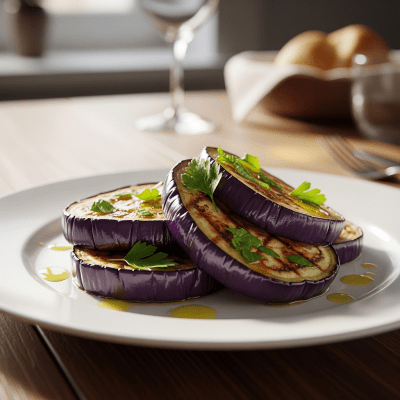
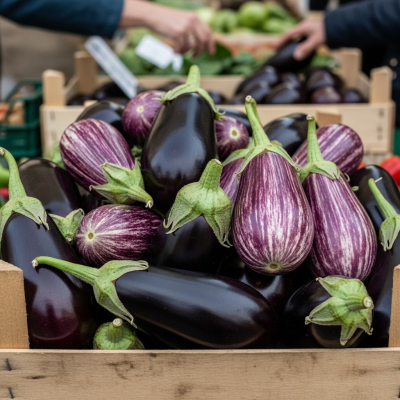
Eggplant is celebrated for its ability to absorb flavors and transform in texture when cooked. It is commonly grilled, roasted, baked, fried, or stewed. Signature dishes include French ratatouille, Middle Eastern baba ghanoush, Greek moussaka, and Indian baingan bharta. Eggplant is also used in stir-fries, curries, and as a meat substitute in vegetarian recipes.
Eggplant is a perennial plant grown as an annual in most temperate regions. It thrives in warm climates with temperatures between 21–30°C, requiring full sun and well-drained, fertile soil. Yields can range from 20,000 to 40,000 kg per hectare, depending on variety and farming practices. The crop is sensitive to cold and should be protected from chilling injury post-harvest. Common pests include flea beetles and aphids, while diseases such as verticillium wilt and bacterial wilt can affect production. Resistant cultivars are available, though resistance varies by variety.
Eggplant cultivation faces challenges from pests such as flea beetles and aphids, which can damage leaves and fruit. Major diseases include verticillium wilt and bacterial wilt, both of which can reduce yields and plant vigor. Breeding efforts have produced cultivars with improved resistance, but susceptibility varies by variety and region. Integrated pest management and crop rotation are commonly used to mitigate these threats.
Eggplant is known by different names worldwide: "aubergine" in Europe, "brinjal" in South Asia, "berenjena" in Spanish-speaking countries, "melanzana" in Italy, and "茄子" (qiézi) in China. Regional preferences influence the choice of cultivars, with round varieties favored in India, elongated types popular in East Asia, and large, deep purple fruits common in Western markets. Culinary uses also vary, from Mediterranean stews to Asian stir-fries and pickles.
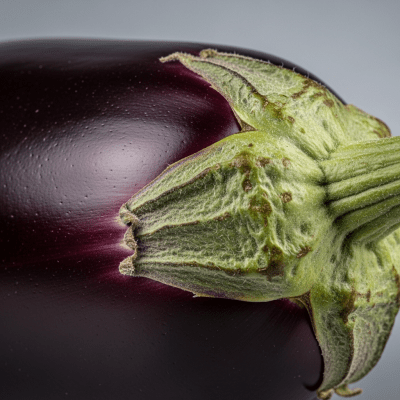
When selecting eggplants, look for firm, glossy skin free of blemishes and a green, fresh-looking calyx. Avoid fruits with soft spots or shriveled skin. Store eggplants at 10–12°C, ideally in a cool, dry place—not in the refrigerator, as chilling can cause injury and degrade texture. Use within 1–2 weeks for best quality. To preserve eggplant, it can be sliced and frozen, pickled, or cooked and stored as part of prepared dishes.