Origin Story
Beans originated thousands of years ago in multiple regions, including Central and South America, Africa, and Asia, where early agricultural societies domesticated various species for food and soil enrichment. Over millennia, beans spread globally through trade and cultivation, becoming staples in diverse cultures.
Classification
Beans belong to the Fabaceae family, also known as Leguminosae, primarily within the subfamily Faboideae. They encompass numerous genera such as Phaseolus (common beans), Vigna (mung and adzuki beans), and others. Classification can be botanical—focusing on genus and species—or culinary and commercial, grouping beans by use, form, or region.
Appearance or Form
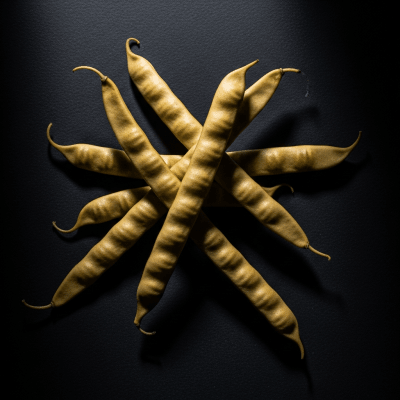
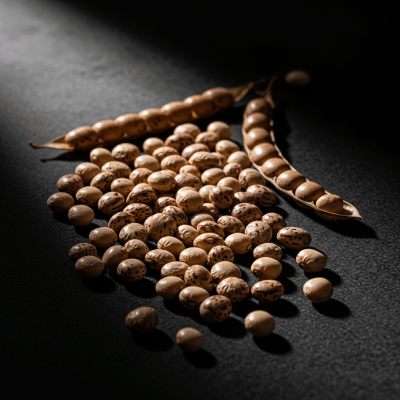
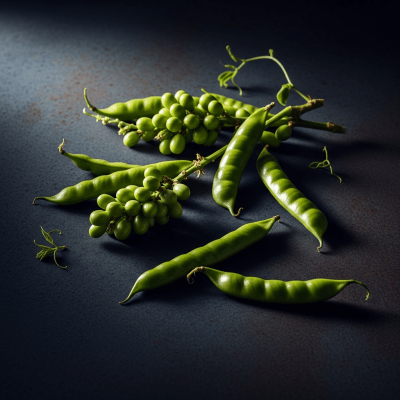
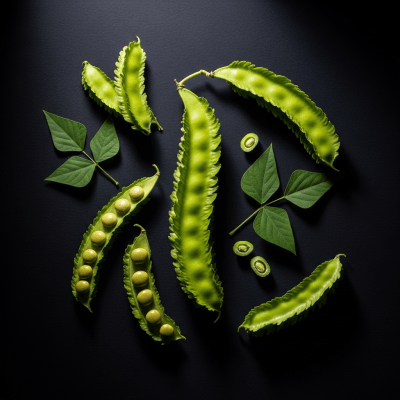
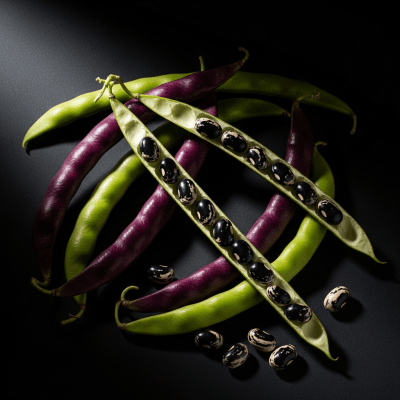
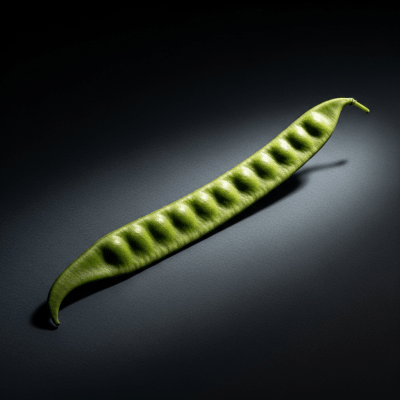
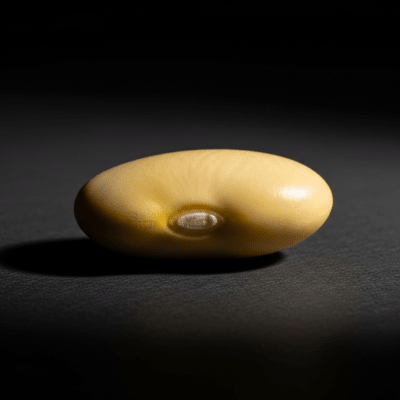
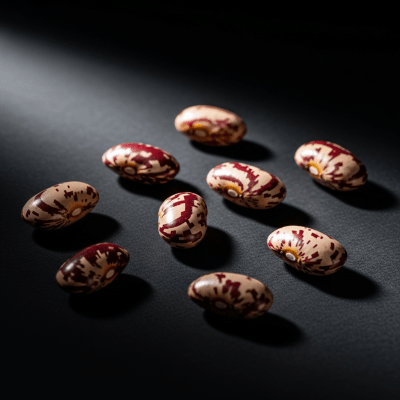
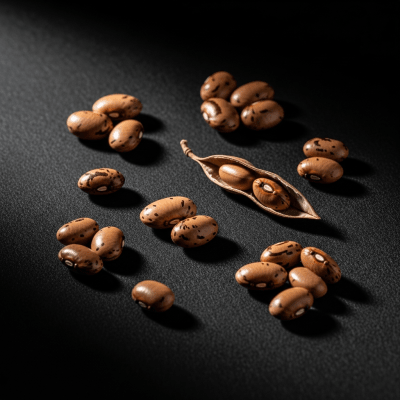
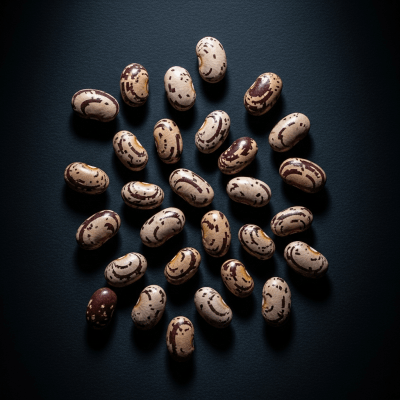
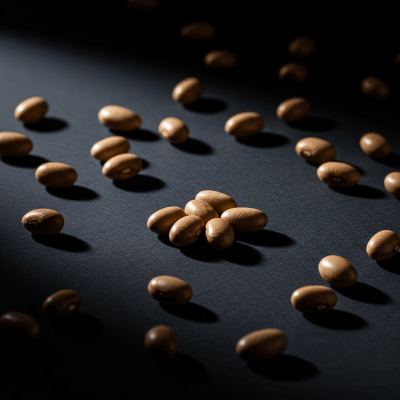
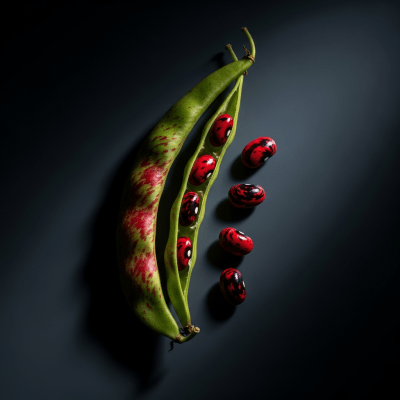
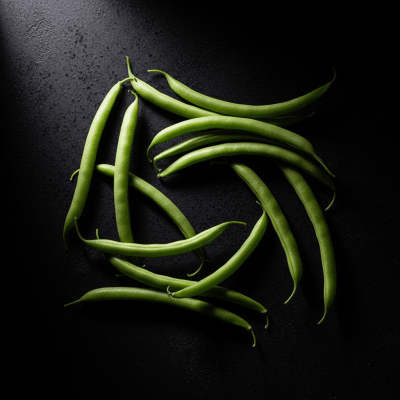
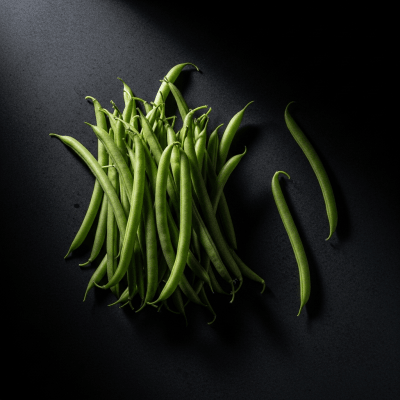
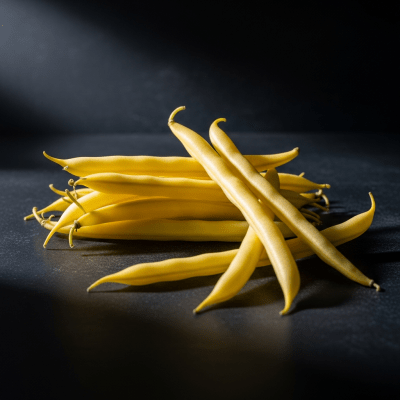
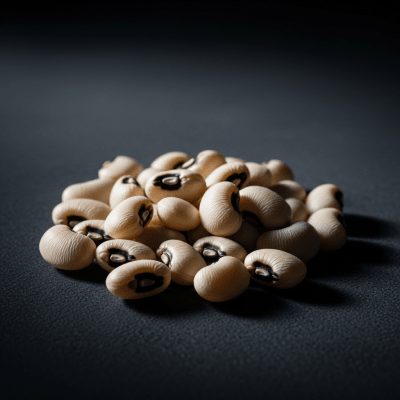
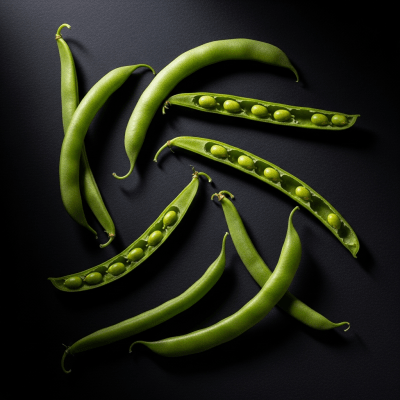
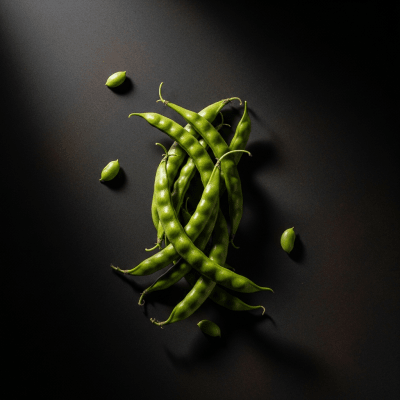
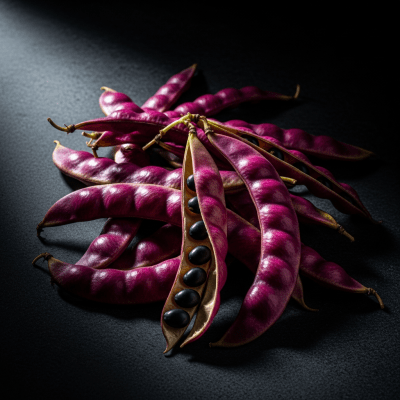
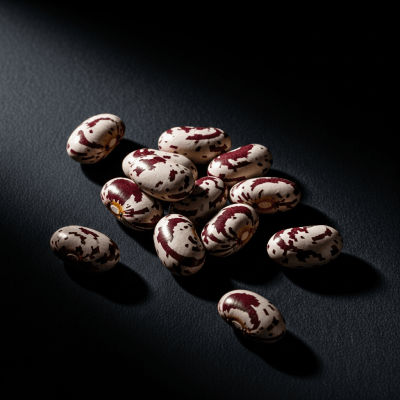
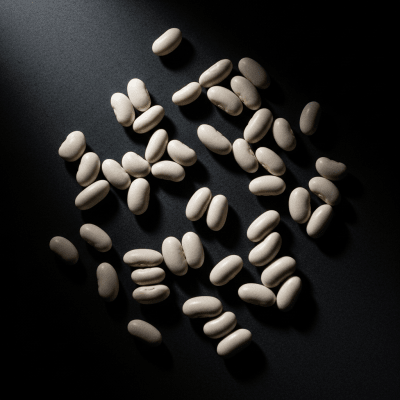
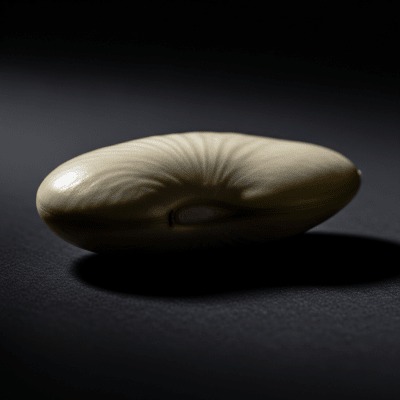
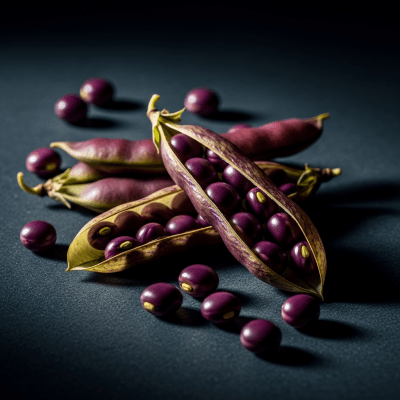
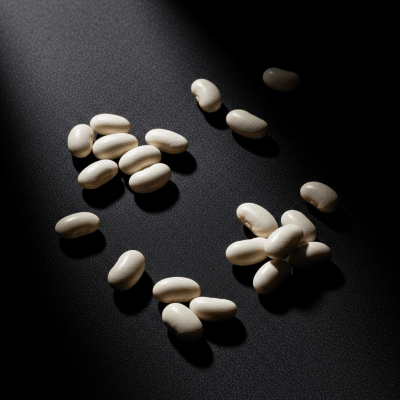
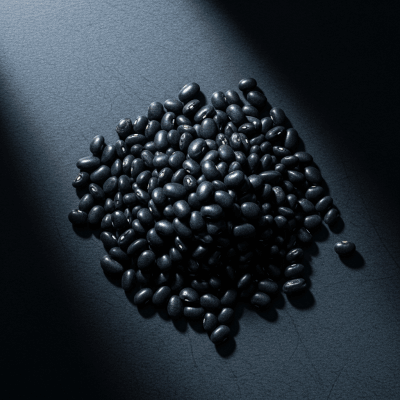
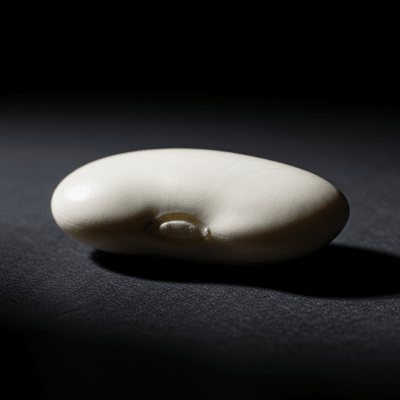
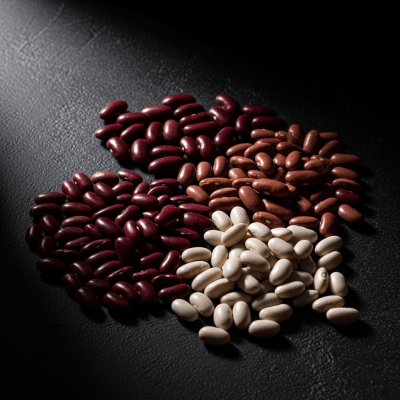
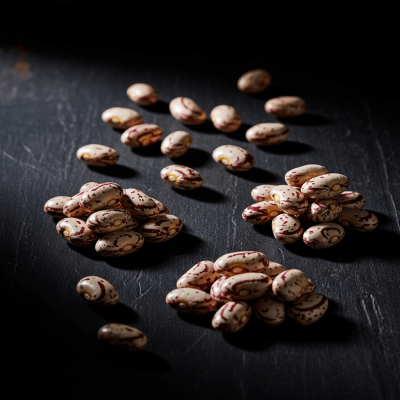
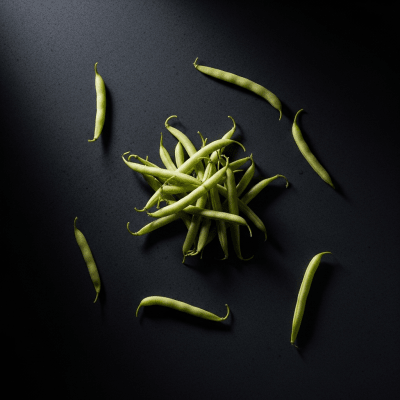
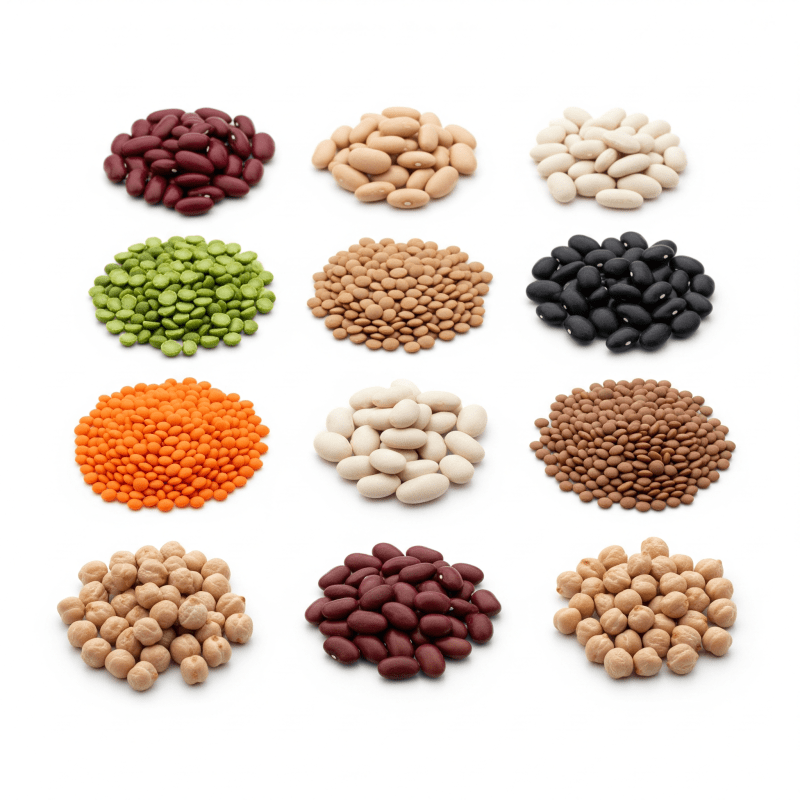
Beans vary widely in size, shape, and color, ranging from small, round black beans to large, kidney-shaped red beans. Their textures shift from smooth and glossy to matte and wrinkled, with colors spanning white, brown, red, black, green, and speckled patterns. They appear fresh, dried, sprouted, or canned, each form suited to different culinary uses.
Behavior or Usage
Beans serve multiple roles: as a nutrient-dense food source rich in protein and fiber; as nitrogen-fixing plants that improve soil fertility; and as ingredients in countless traditional and modern dishes worldwide. Humans cultivate beans both for fresh consumption and dried storage, employing diverse cooking methods like boiling, frying, and fermenting.