Velvet Bean
Velvet bean (Mucuna pruriens) is a vigorous tropical climbing legume known for its hairy pods and dual role as both a food source and a valuable cover crop.
Velvet bean (Mucuna pruriens) is a vigorous tropical climbing legume known for its hairy pods and dual role as both a food source and a valuable cover crop.
Native to southern Asia, velvet bean was first domesticated and used in India and Southeast Asia. It later spread to Africa and the Americas through colonial trade routes, evolving into various wild and cultivated forms adapted to diverse tropical environments.
Belonging to the Fabaceae family, velvet bean is classified in the genus Mucuna and species pruriens. It is part of the broader legume group valued for nitrogen fixation and seed production.
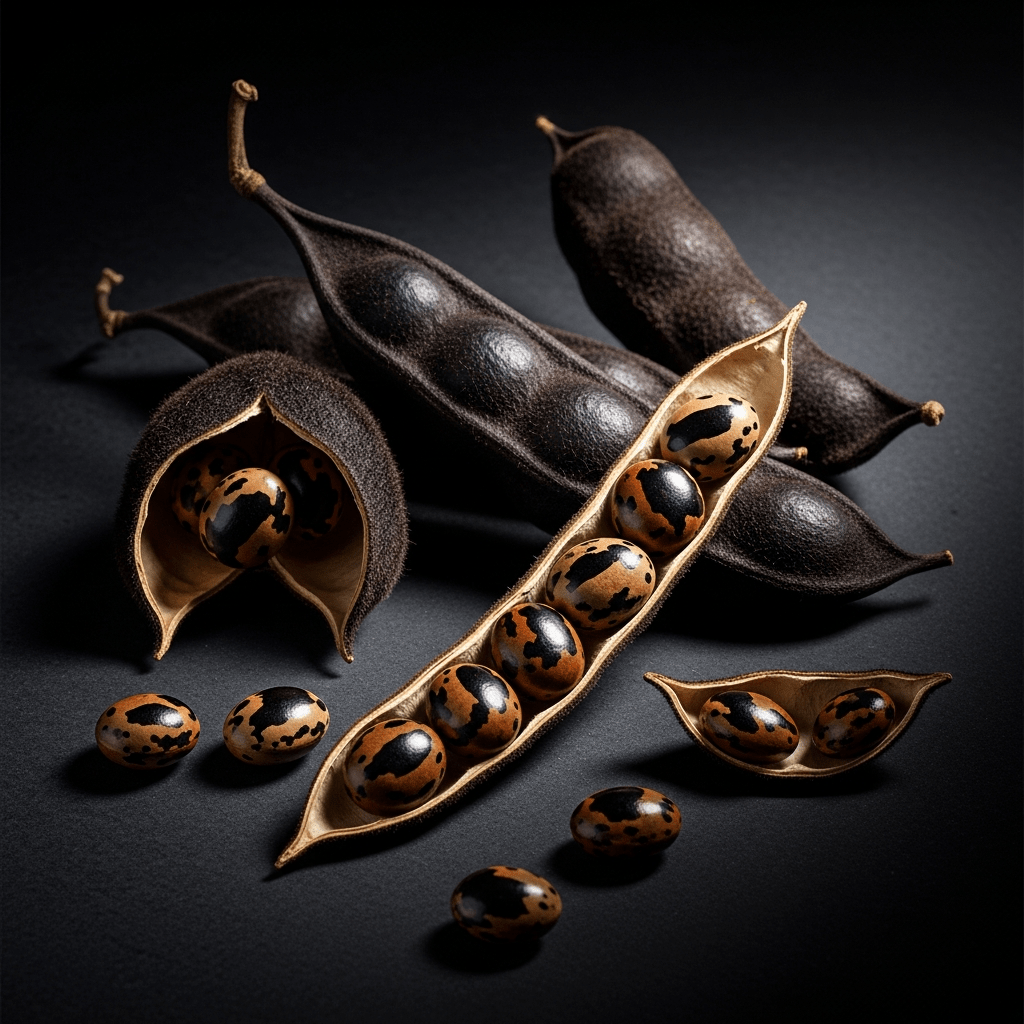
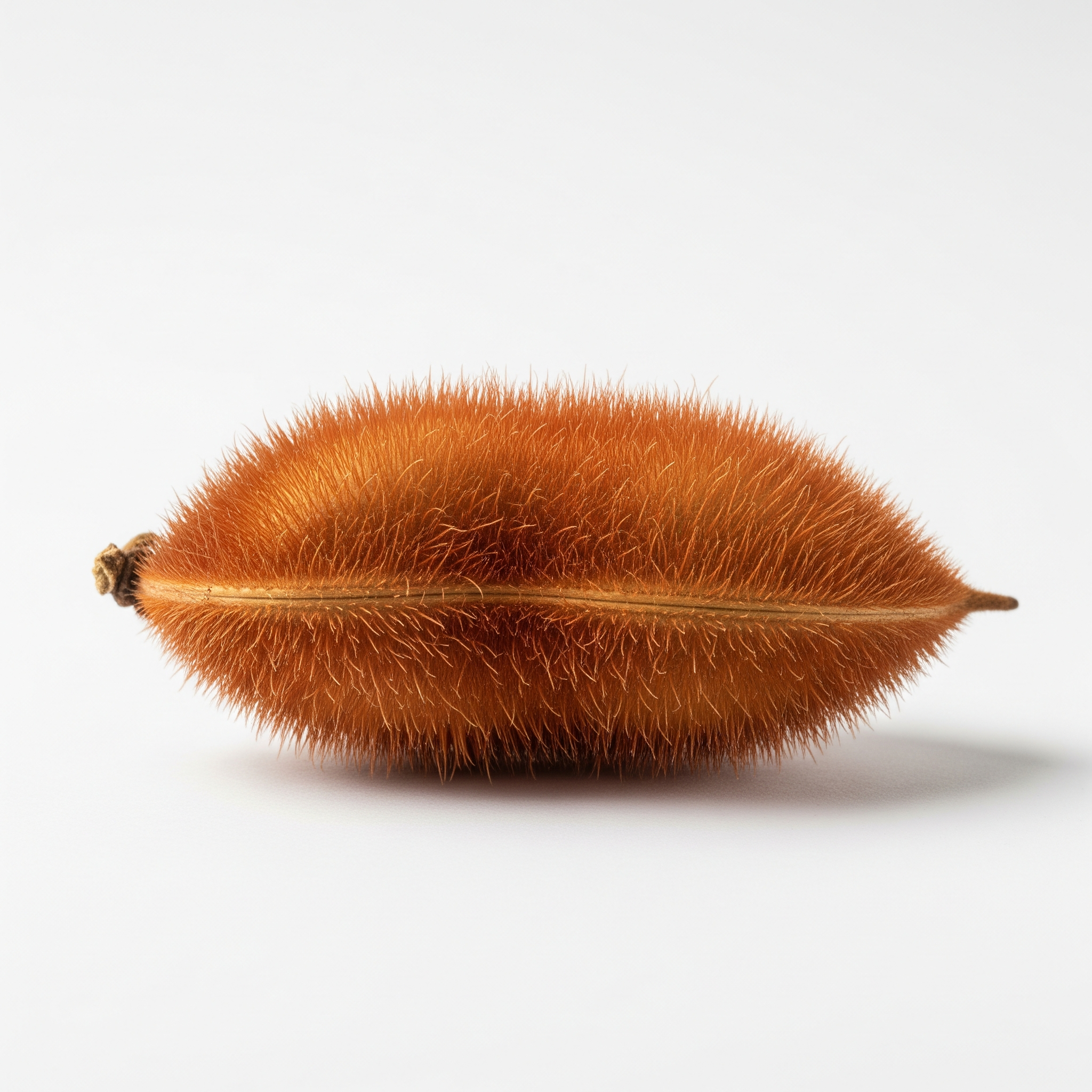
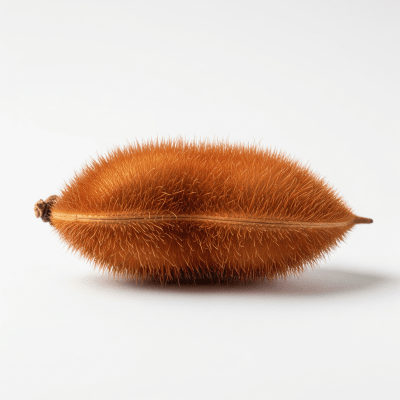
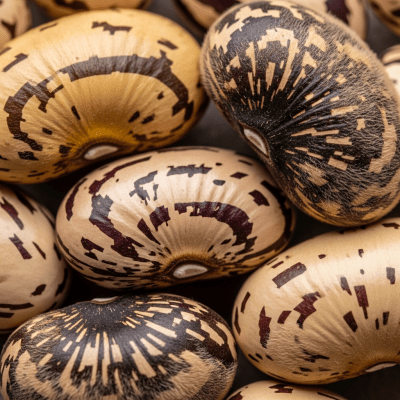
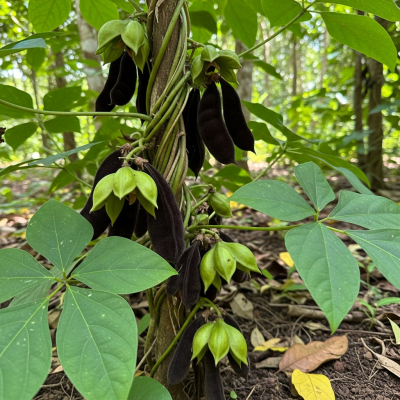
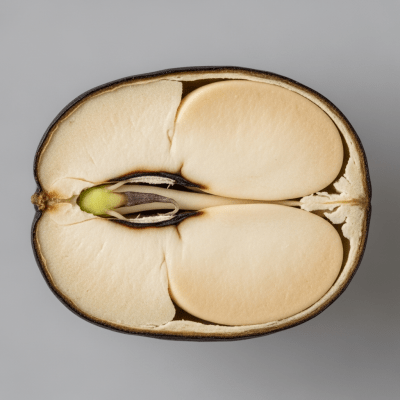
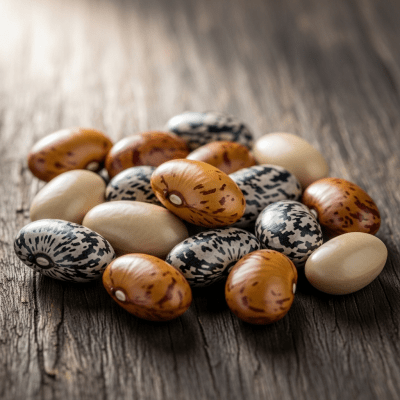
Velvet bean grows as a robust pole-climbing vine reaching 3 to 18 meters in length. Its trifoliate leaves accompany pods measuring 4 to 13 centimeters, densely covered with fine, irritating hairs. Seeds are large, ovoid to ellipsoid, and display a range of colors including white, brown, black, and mottled patterns.
Primarily, velvet bean functions as a cover crop that enriches soil through nitrogen fixation and suppresses weeds with rapid biomass growth. Its seeds and young pods are edible after careful processing to remove toxins. Additionally, it serves as livestock forage and is valued in traditional medicine for its L-DOPA content.
Bring this kind into your world illustrated posters, mugs, and shirts.
Archival print, museum-grade paper
Buy Poster
Stoneware mug, dishwasher safe
Buy Mug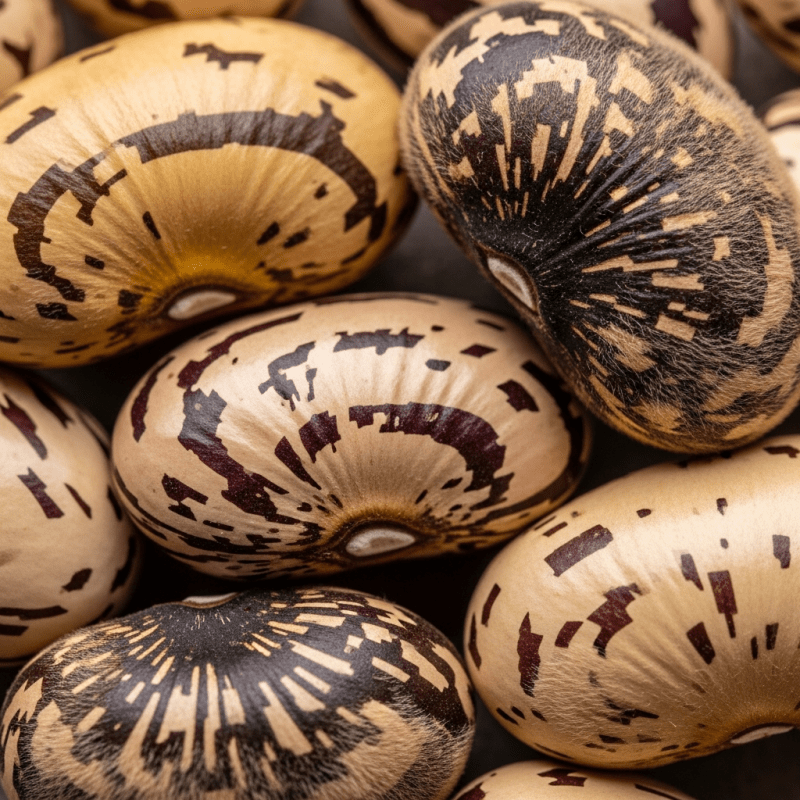
Soft cotton tee, unisex sizes
Buy ShirtVelvet bean holds cultural importance in regions like India, Africa, and Central America, where it features in traditional diets and medicinal practices. Known locally by names such as atmagupta and kapikacchu, it also symbolizes sustainable agriculture through its role in soil restoration.
Velvet bean is a pole-type climbing vine that can grow between 3 and 18 meters tall. Its pods range from 4 to 13 centimeters in length, each containing multiple large seeds that are ovoid to ellipsoid in shape. Seed coat colors vary widely, including white, brown, black, and mottled patterns. The plant is adapted to tropical climates and demonstrates robust nitrogen fixation, contributing to soil fertility. Seeds contain L-DOPA and must be processed to eliminate toxicity before human consumption.
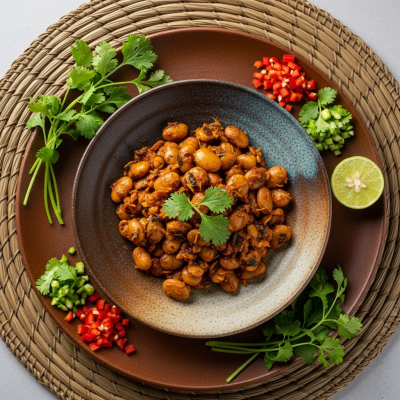
Consumed primarily in parts of India, Africa, and Central America, velvet bean seeds are eaten after detoxification by boiling or fermentation. Young pods and leaves are also used as vegetables. Despite its nutritional potential, human consumption is limited due to the need for careful processing. Commercially, velvet bean is more widely cultivated as a green manure, cover crop, and forage rather than a staple food.
No specific cultivars or formal breeding programs are widely documented for velvet bean; instead, numerous landraces and local varieties have evolved through traditional cultivation and selection across its growing regions.
Velvet bean thrives in tropical climates with warm temperatures and well-drained soils. It requires support for its vigorous climbing habit and benefits from full sun exposure. Regular monitoring for pod borers and fungal diseases helps maintain healthy growth. Its rapid biomass production makes it ideal for weed suppression and soil enrichment in crop rotations.
Seeds should be stored in cool, dry conditions to maintain viability. Due to their toxin content, velvet bean seeds require thorough processing—such as boiling or fermentation—before consumption or feeding. Proper drying and airtight storage extend seed longevity and prevent spoilage.