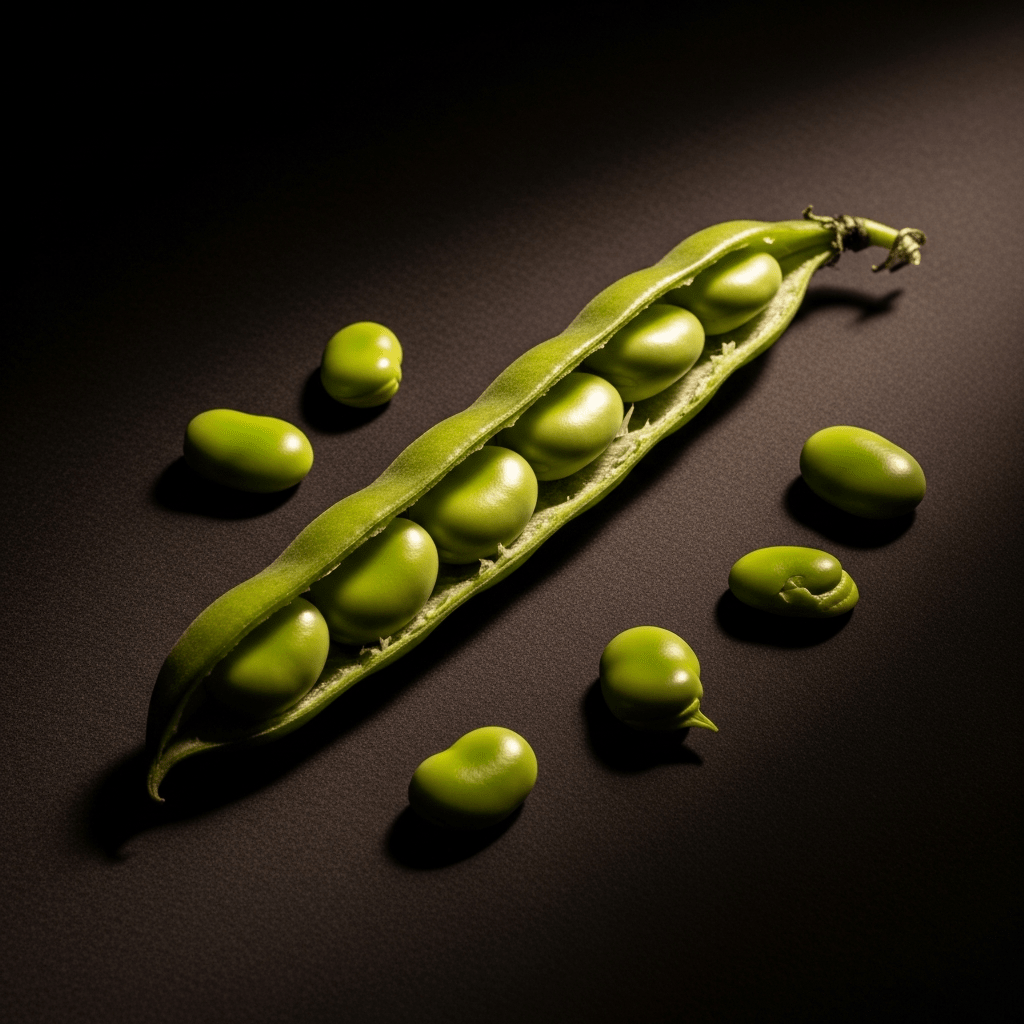
Fava Bean
The fava bean (Vicia faba), also known as broad bean, is a large-seeded legume widely cultivated for food and soil enrichment across Mediterranean, Middle Eastern, and Asian regions.
The fava bean (Vicia faba), also known as broad bean, is a large-seeded legume widely cultivated for food and soil enrichment across Mediterranean, Middle Eastern, and Asian regions.
Originating in the Near East or Mediterranean basin, the fava bean was domesticated around 6000 BCE. Unlike many legumes, it has no known wild populations, with all existing varieties arising from ancient cultivation and selective breeding over millennia.
Fava bean belongs to the Fabaceae family, genus Vicia, species faba. It is part of the broad group of edible beans within the legume family, valued both as a food crop and for its nitrogen-fixing properties that benefit soil health.
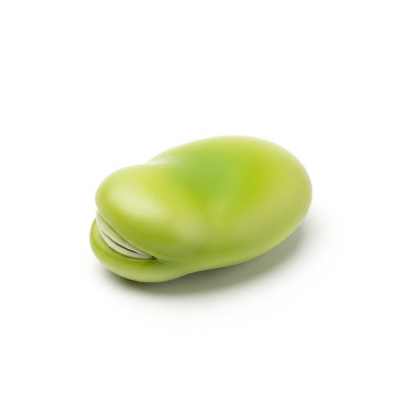
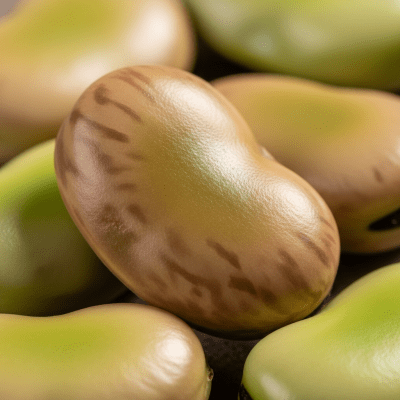
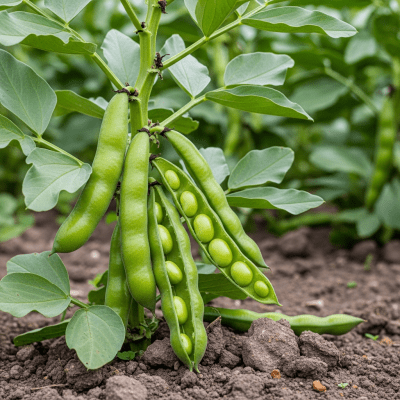
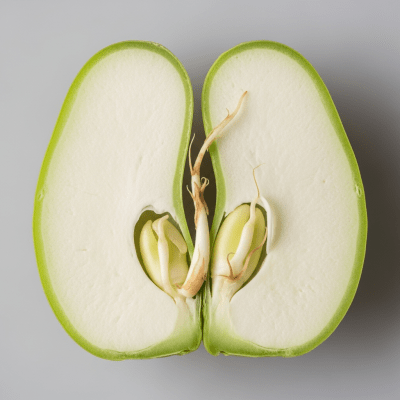
The plant is an upright annual, typically 50 to 180 cm tall, with pinnate leaves and white flowers marked by black spots. Its pods are thick and leathery, containing 3 to 8 large, flat seeds that range in color from green to brown.
Fava beans serve multiple roles: they are consumed fresh, dried, or canned; young pods and beans are eaten as vegetables, while mature seeds feature in hearty dishes. Agriculturally, they improve soil fertility through nitrogen fixation and are used as green manure and animal feed.
Bring this kind into your world illustrated posters, mugs, and shirts.
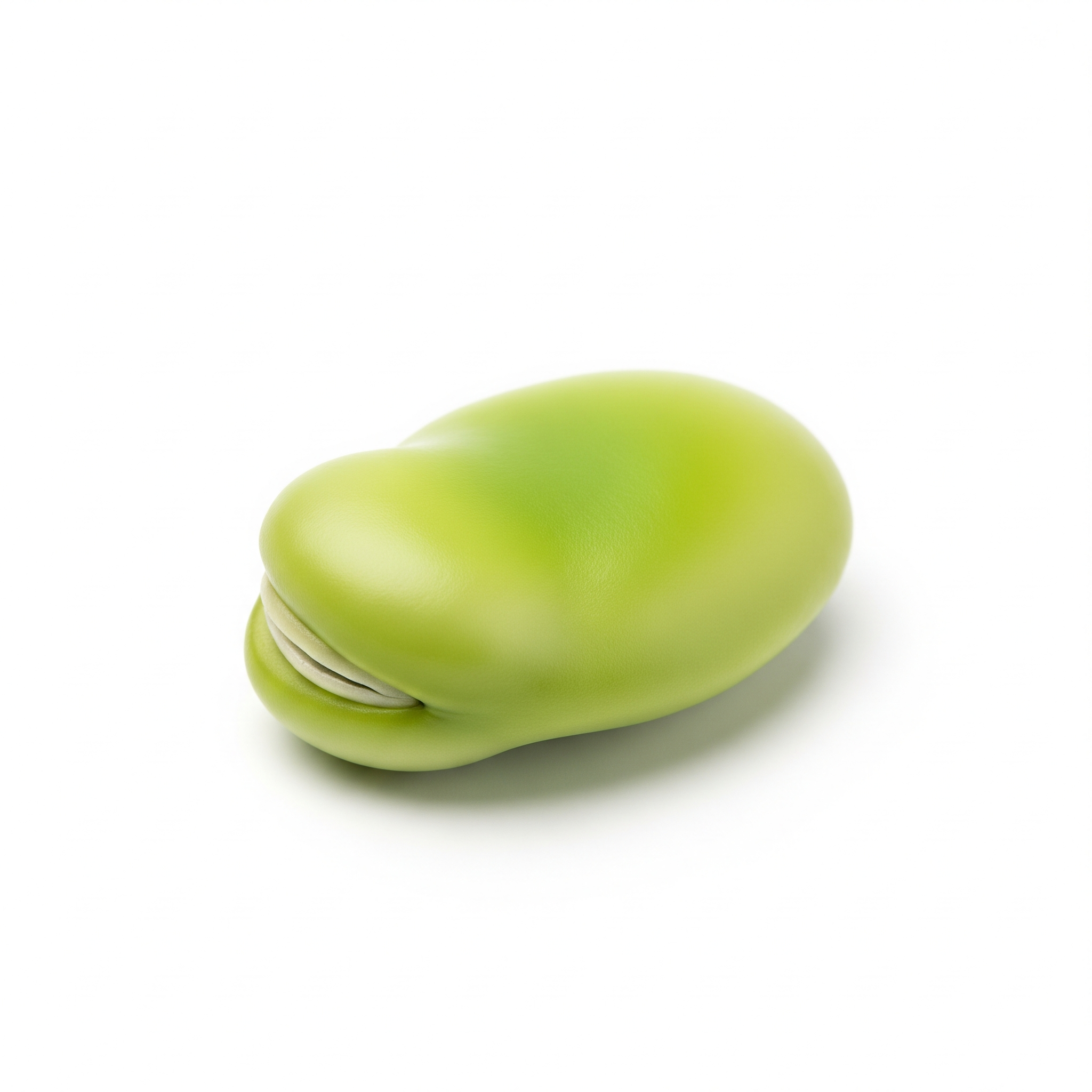
Archival print, museum-grade paper
Buy Poster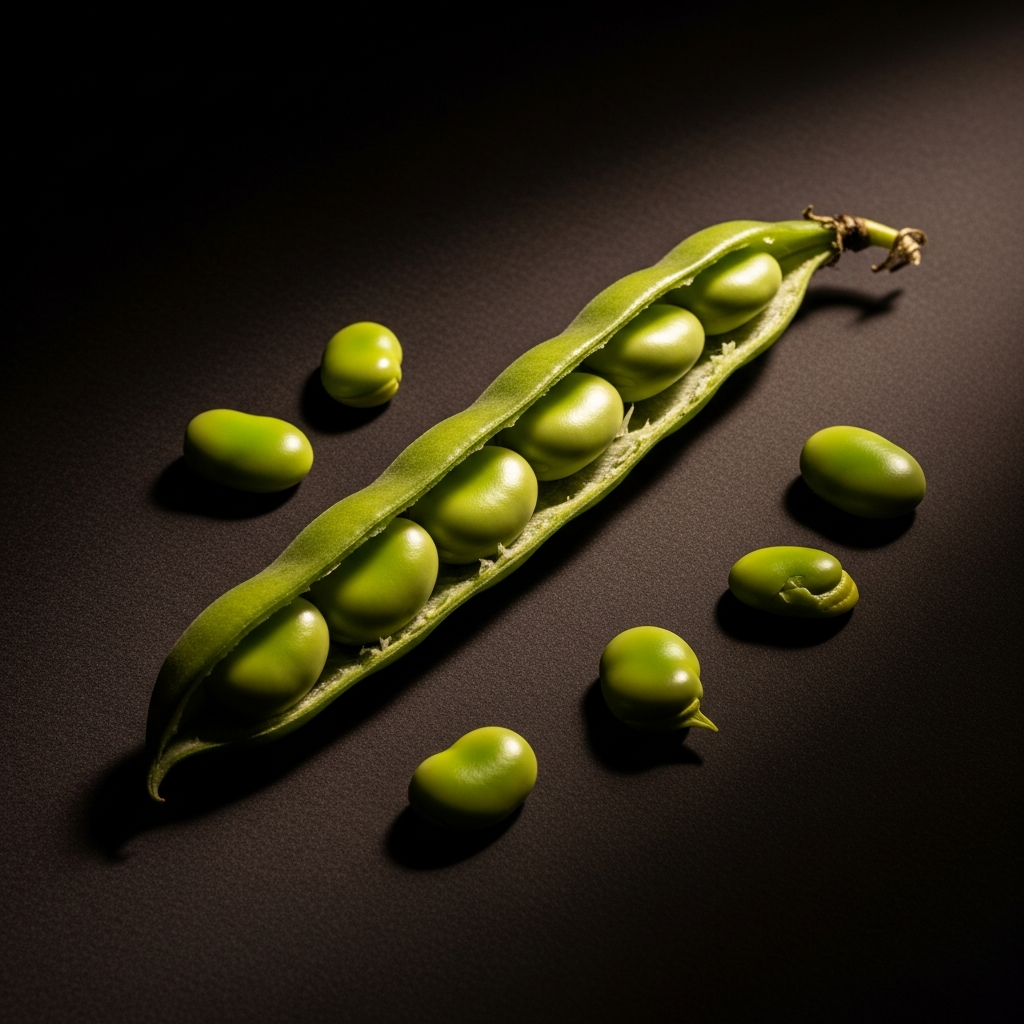
Stoneware mug, dishwasher safe
Buy Mug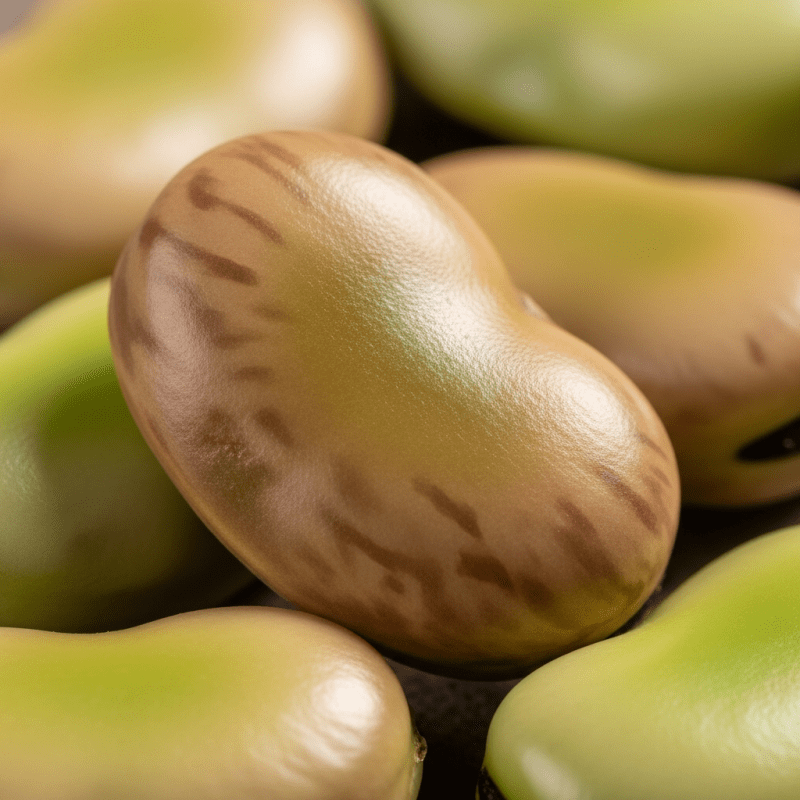
Soft cotton tee, unisex sizes
Buy ShirtFava beans hold a cherished place in Mediterranean and Middle Eastern cultures, featuring in traditional dishes like Egyptian ful medames and Italian fave e cicoria. Their presence in regional cuisines and festivals underscores their longstanding cultural and nutritional importance.
Fava bean plants grow as bushy annuals reaching 50 to 180 cm tall. Leaves are pinnate with broad leaflets, and flowers are white with distinctive black spots. Pods are thick and leathery, each containing 3 to 8 large, flat seeds colored green to brown. The species shows moderate resistance to some fungal diseases but is vulnerable to chocolate spot and aphids. It thrives in cool seasons and tolerates mild frost, making it suitable for winter or spring cultivation.
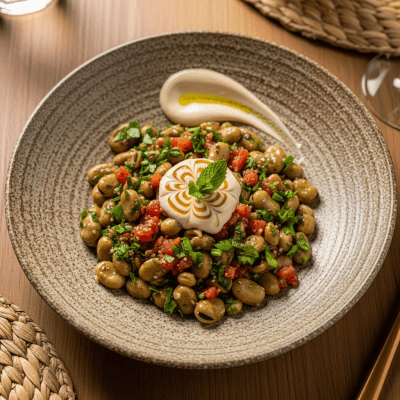
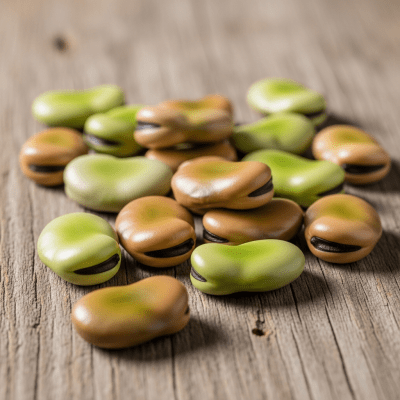
Consumed fresh, dried, or canned, fava beans are versatile in the kitchen. Young pods and beans are eaten as vegetables, while mature seeds are staples in Mediterranean, Middle Eastern, and North African cuisines. Popular dishes include Egyptian ful medames and Italian fave e cicoria. Beyond human consumption, fava beans serve as animal feed and green manure. They are commercially significant across Mediterranean, Middle Eastern, Asian, and North African markets.
Several cultivars of fava bean are recognized, including 'Aquadulce', known for its large seeds and Spanish origin; 'Windsor', popular in the UK; and 'Bell Bean', a smaller-seeded variety often used for forage. These cultivars reflect regional preferences and agricultural practices, though no single breeder or institution is credited with their original development.
Fava beans grow best in cool climates with mild frost tolerance. They prefer well-drained soil and benefit from crop rotation due to their nitrogen-fixing ability. Moderate resistance to fungal diseases requires monitoring for chocolate spot and aphid infestations. Planting in early spring or late fall maximizes yield, and maintaining soil moisture supports healthy pod development.
Fava beans can be stored dried, fresh, or canned. Dried beans should be kept in a cool, dry place to preserve viability and flavor. Fresh beans and pods are best consumed quickly or refrigerated to maintain texture. Canned forms offer convenience and longer shelf life. Proper storage extends usability while maintaining nutritional and culinary quality.