Moth Bean
The moth bean (Vigna aconitifolia) is a drought-tolerant legume native to South Asia, prized for its resilience and versatile use in food and fodder.
The moth bean (Vigna aconitifolia) is a drought-tolerant legume native to South Asia, prized for its resilience and versatile use in food and fodder.
Originating in the Indian subcontinent, particularly India and Pakistan, the moth bean is an ancient crop with deep roots in regional agriculture. It traces its lineage to wild Vigna species native to South Asia and has been cultivated for centuries as a hardy legume adapted to arid and semi-arid climates.
The moth bean belongs to the Fabaceae family, within the genus Vigna and species aconitifolia. It is part of a broader group of legumes valued for their edible seeds and nitrogen-fixing abilities, commonly referred to as beans or pulses in culinary and agricultural contexts.
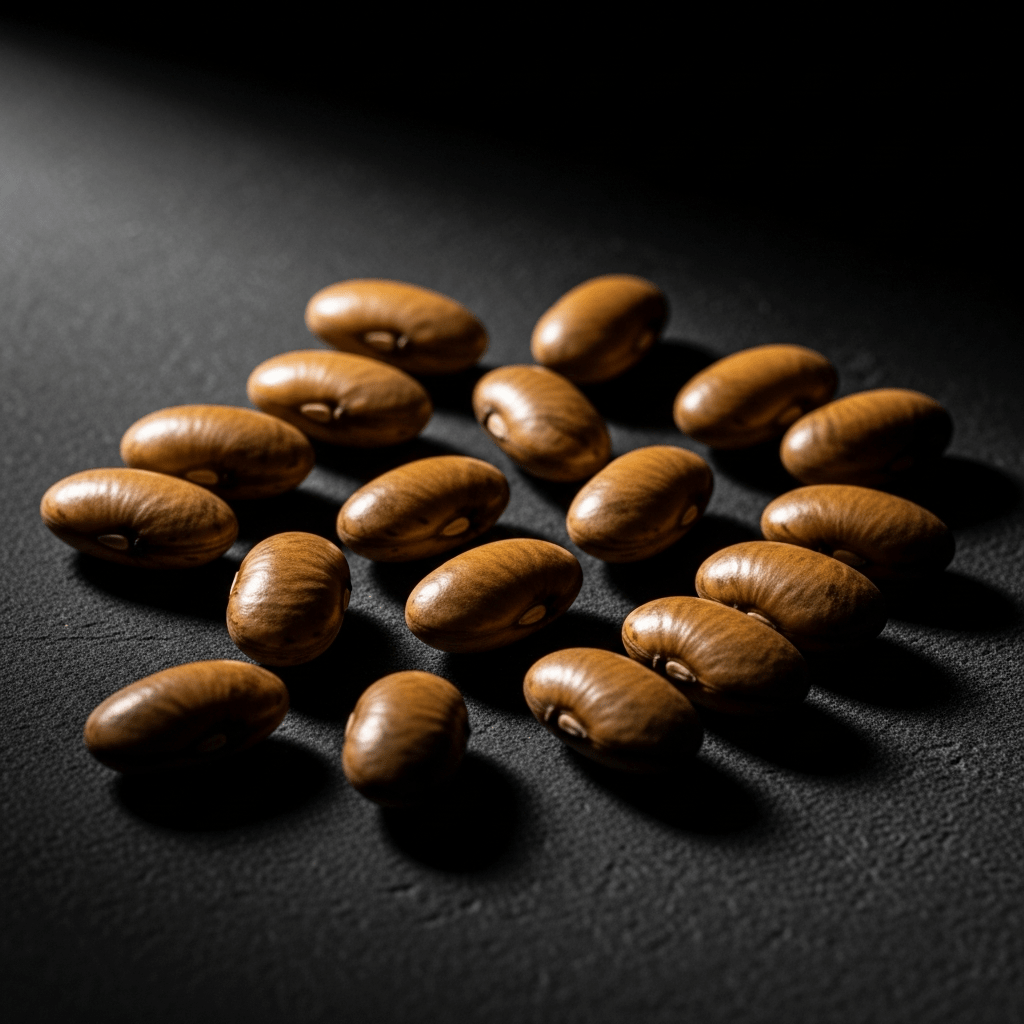
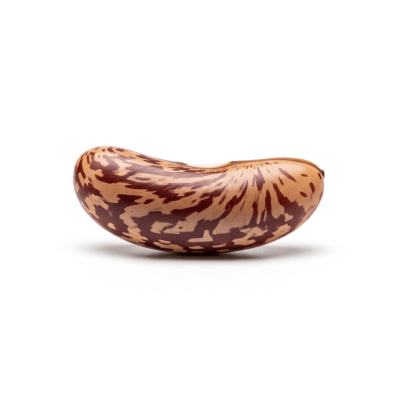
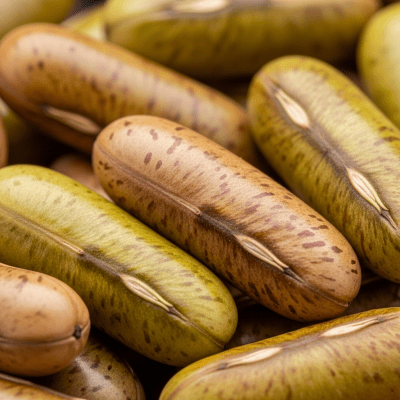
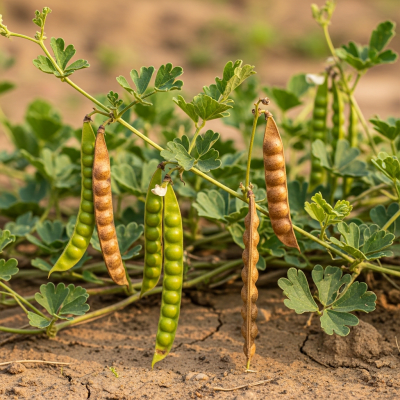
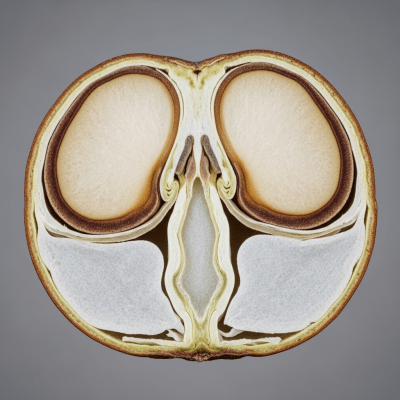
Moth bean plants are low-growing and mat-forming, with slender stems and trifoliate leaves. Their pods are short, measuring 2 to 5 centimeters, cylindrical in shape, and contain 4 to 9 small seeds. The seeds themselves are oval to oblong and typically exhibit yellowish-brown or greenish hues.
This legume thrives in drought-prone environments, tolerating poor soils and maturing within 60 to 70 days. It serves multiple roles: its seeds are consumed whole, split as dal, sprouted, or ground into flour, while its foliage is used as green manure or livestock fodder, making it a valuable crop for sustainable farming systems.
Bring this kind into your world illustrated posters, mugs, and shirts.
Archival print, museum-grade paper
Buy Poster
Stoneware mug, dishwasher safe
Buy Mug
Soft cotton tee, unisex sizes
Buy ShirtIn South Asian cultures, especially in regions like Rajasthan and Gujarat, moth bean holds culinary and agricultural importance. Known locally as "matki" or "moth," it features in traditional dishes such as khichdi and dal, reflecting its integration into regional diets and farming heritage.
Characterized by a prostrate, mat-forming growth habit, moth bean plants produce short cylindrical pods 2 to 5 cm long, each containing 4 to 9 oval to oblong seeds. Seeds typically display yellowish-brown or greenish colors. The crop matures rapidly within 60 to 70 days and shows notable drought tolerance. Seeds store well under dry conditions, though the plant is susceptible to waterlogging. Its foliage contributes to soil health when used as green manure.

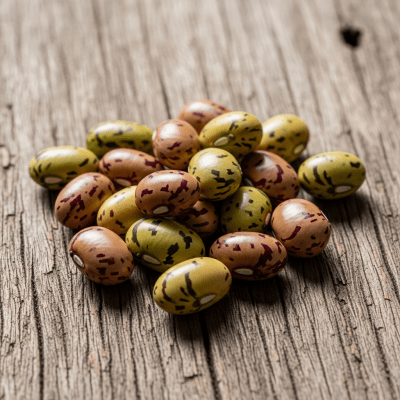
Moth bean is consumed in dried and fresh forms across South Asia. It features in traditional dishes such as khichdi, dal, and various snacks. Nutritionally, it provides a valuable protein source and is also used as livestock feed and green manure. The bean is commercially available primarily in regional markets within South Asia.
No specific cultivars or breeding institutions are widely documented for moth bean, as it remains largely a landrace crop with diverse traditional varieties cultivated across its native range.
For successful cultivation, moth bean thrives in well-drained soils and requires minimal water, making it ideal for drought-prone areas. It matures quickly, within about two months, and benefits from avoiding waterlogged conditions. Its prostrate growth habit helps conserve soil moisture and reduce erosion.
Moth bean seeds store effectively when kept dry and protected from moisture. Proper drying and airtight storage extend seed viability and maintain quality for future planting or consumption.