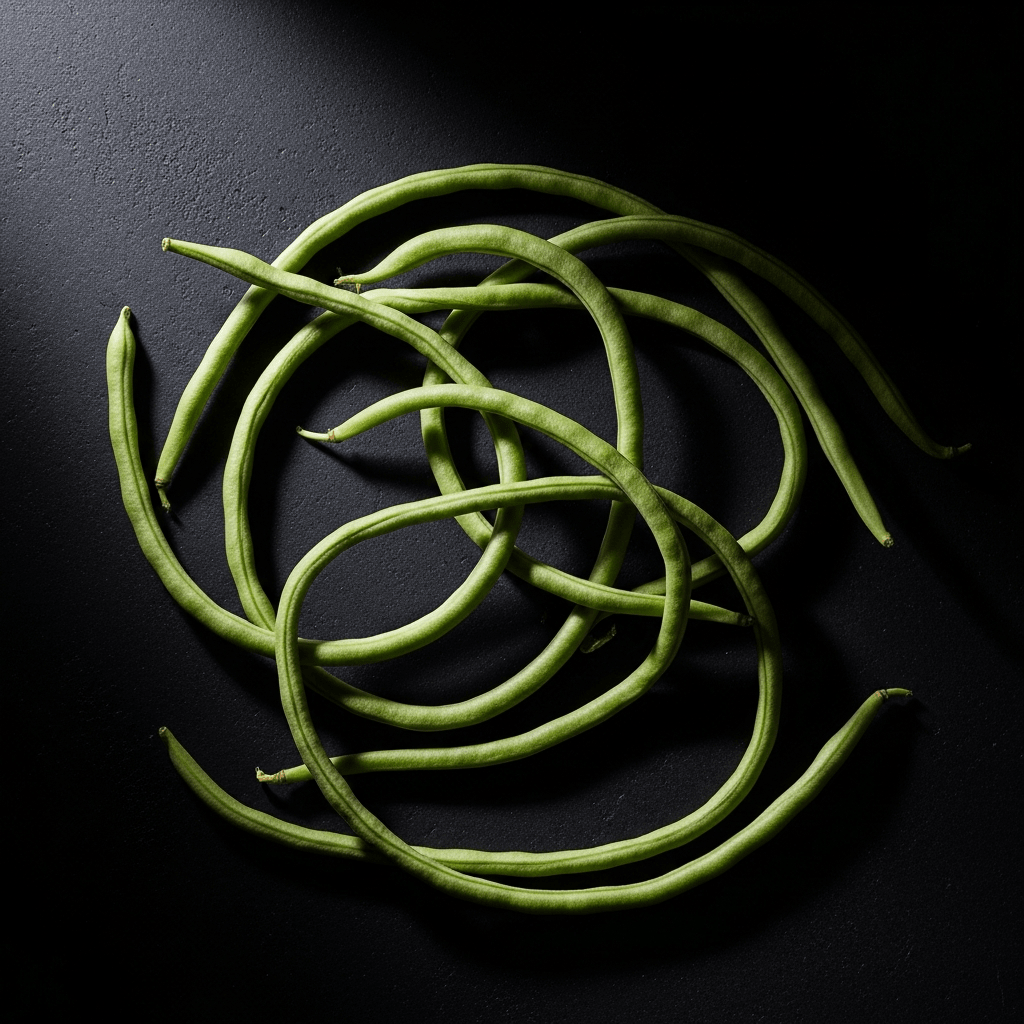
Yardlong Bean
The yardlong bean (Vigna unguiculata subsp. sesquipedalis) is a long-podded legume prized for its tender, crisp pods that can grow up to a meter in length, widely cultivated and consumed across tropical and subtropical Asia.
The yardlong bean (Vigna unguiculata subsp. sesquipedalis) is a long-podded legume prized for its tender, crisp pods that can grow up to a meter in length, widely cultivated and consumed across tropical and subtropical Asia.
Originating in southern China and Southeast Asia, the yardlong bean was domesticated and selectively bred over centuries by local farmers. Its lineage traces back to wild forms of Vigna unguiculata, evolving into a staple crop adapted to warm, humid climates.
The yardlong bean belongs to the Fabaceae family, within the genus Vigna, and is classified as a subspecies of cowpea: Vigna unguiculata subsp. sesquipedalis. It is closely related to other edible cowpeas but distinguished by its exceptionally long pods.
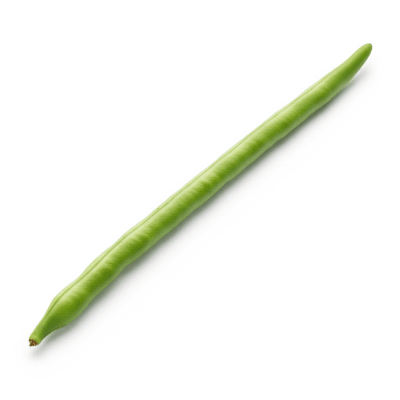
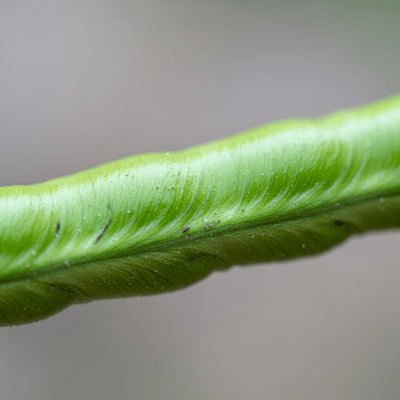
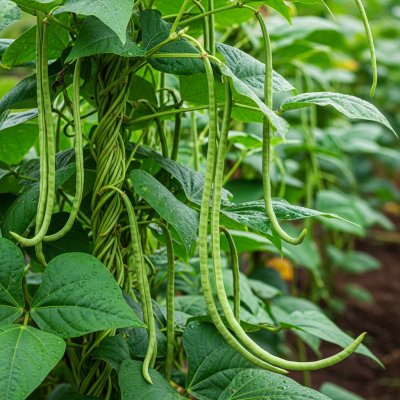
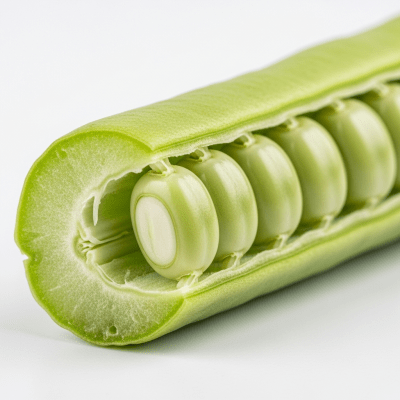
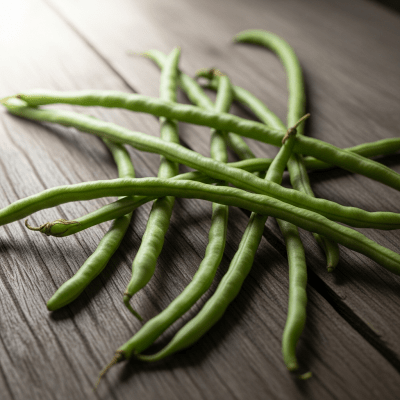
This bean plant is a vigorous climbing vine, often reaching heights between 2 and 4 meters. Its pods are slender, cylindrical, and range from 30 to 100 centimeters long, typically green or pale green, sometimes tinged with purple. Each pod contains 10 to 30 small seeds that are cylindrical to oval in shape and come in white, brown, or black hues.
The yardlong bean is primarily harvested while the pods are immature to preserve their crisp texture and mild flavor. It thrives in warm, humid environments and matures within 60 to 90 days. The plant climbs or trails, producing abundant yields and demonstrating moderate drought tolerance, though it can be vulnerable to aphids, thrips, and fungal diseases.
Bring this kind into your world illustrated posters, mugs, and shirts.
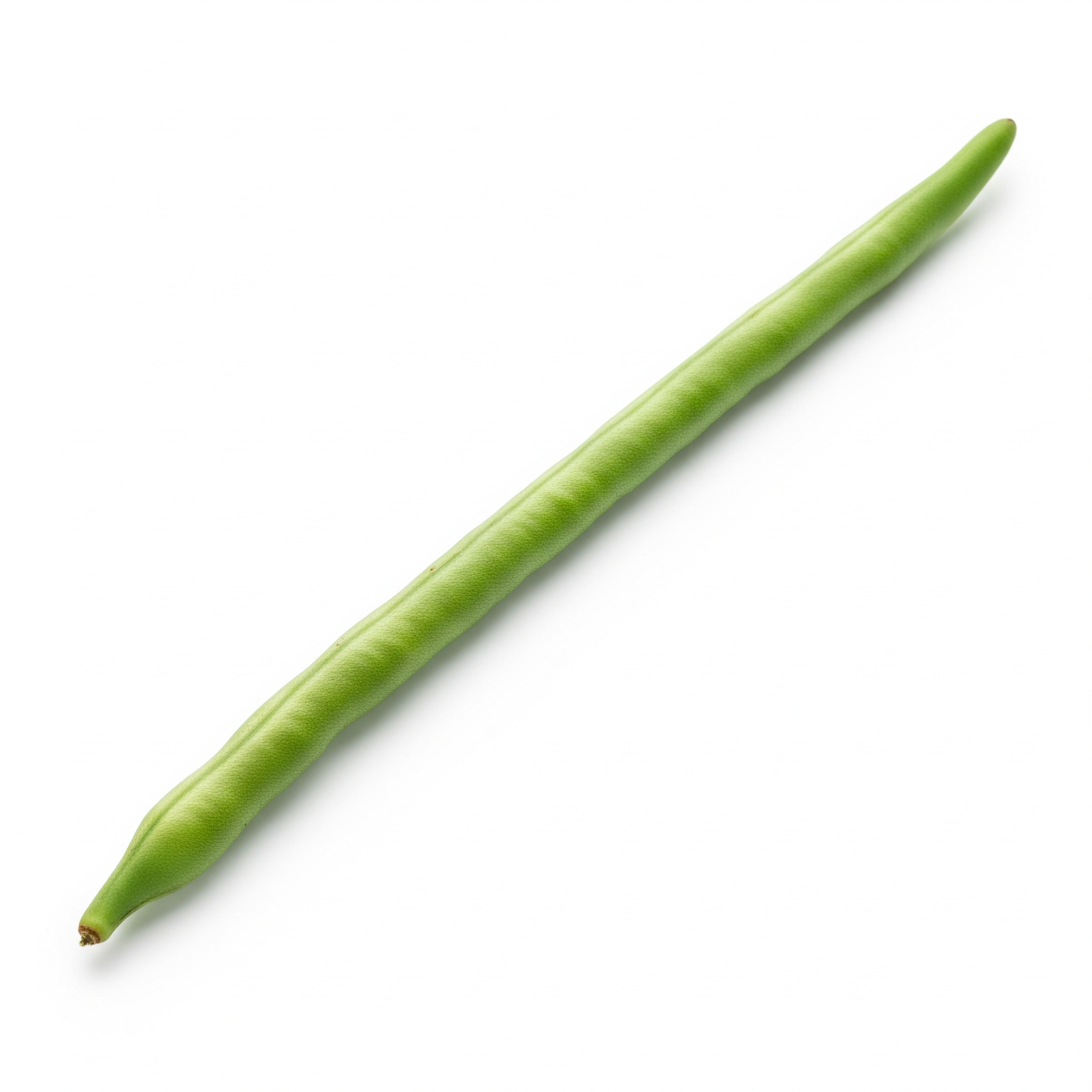
Archival print, museum-grade paper
Buy Poster
Stoneware mug, dishwasher safe
Buy Mug
Soft cotton tee, unisex sizes
Buy ShirtKnown by various names such as asparagus bean, Chinese long bean, snake bean, and pea bean, the yardlong bean holds cultural importance in many Asian cuisines. It features prominently in Chinese, Thai, Indonesian, and Filipino dishes and is recognized by regional names like cháng dòu (长豆), tua fak yao, and sitaw. Its presence in traditional recipes underscores its role as a versatile and valued vegetable.
The yardlong bean exhibits a pole growth habit, with plants climbing vigorously to heights between 200 and 400 centimeters. Pods are slender and cylindrical, measuring 30 to 100 centimeters in length, each containing 10 to 30 small seeds. Seeds are cylindrical to oval and present in white, brown, or black colors. The plant matures within 60 to 90 days and shows moderate drought tolerance. Pods have a moderate shelf life, remaining fresh for up to a week under refrigeration.
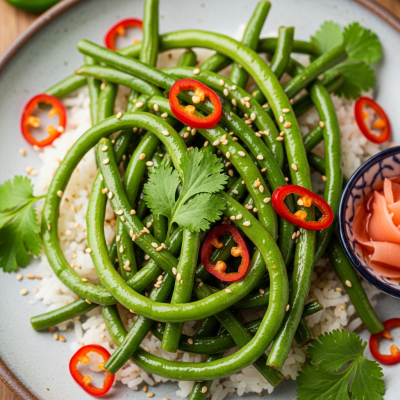
Consumed mainly as fresh immature pods, yardlong beans are celebrated for their crisp texture and mild flavor. They are commonly stir-fried, sautéed, steamed, or incorporated into salads, curries, and pickled preparations. Commercially, they are sold fresh in markets across China, Thailand, Indonesia, the Philippines, and other tropical regions, with occasional availability in canned form. The seeds are seldom used as dried beans due to their small size and texture.
Specific cultivars of yardlong bean are not well documented, and no widely recognized breeder or release dates are recorded. Regional varieties may differ in pod length, color, and disease resistance, reflecting local selection and adaptation.
Yardlong beans thrive in warm, humid climates with well-drained soil and full sun exposure. Supporting structures such as trellises or poles are essential to accommodate their climbing habit. Regular harvesting of young pods encourages continuous production. While moderately drought tolerant, consistent watering promotes optimal yield. Monitoring for pests like aphids and thrips, as well as fungal diseases, is important for healthy growth.
Fresh yardlong bean pods are best stored refrigerated and can remain crisp for up to one week. To preserve their texture and flavor, avoid washing before storage and keep them in perforated plastic bags or breathable containers. While fresh consumption is preferred, pods can also be canned or frozen, though freezing may slightly soften their texture.