Jack Bean
Jack bean (Canavalia ensiformis) is a hardy, drought-tolerant legume known for its large white seeds and versatile agricultural uses, including forage, green manure, and limited human consumption.
Jack bean (Canavalia ensiformis) is a hardy, drought-tolerant legume known for its large white seeds and versatile agricultural uses, including forage, green manure, and limited human consumption.
Originating in Central and South America, jack bean is an ancient crop domesticated from wild Canavalia species. It has since spread across tropical and subtropical regions worldwide. The species was first scientifically described in 1825 by (L.) DC., reflecting its long-standing presence in agriculture.
Jack bean belongs to the Fabaceae family, within the genus Canavalia and species ensiformis. It is part of the broader legume group valued for nitrogen fixation and seed production, sharing botanical ties with other edible and forage beans.
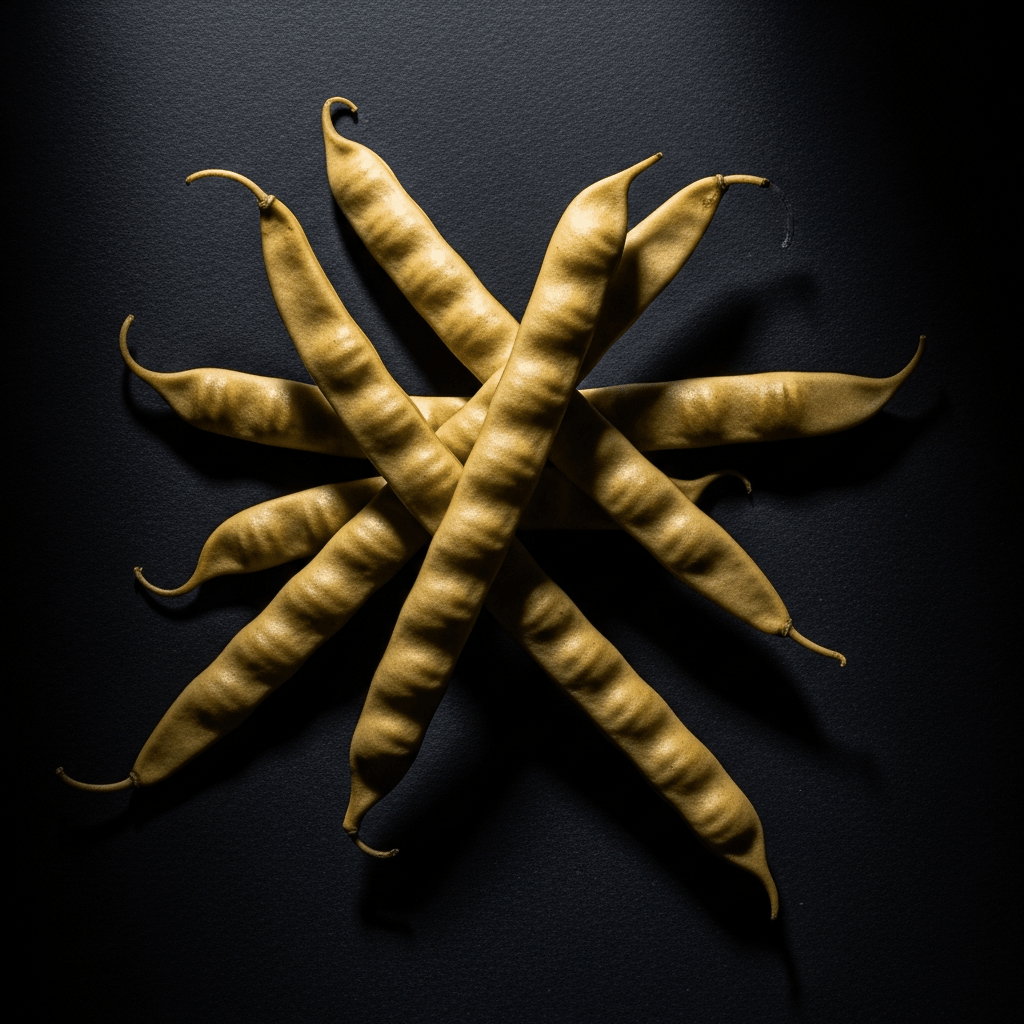
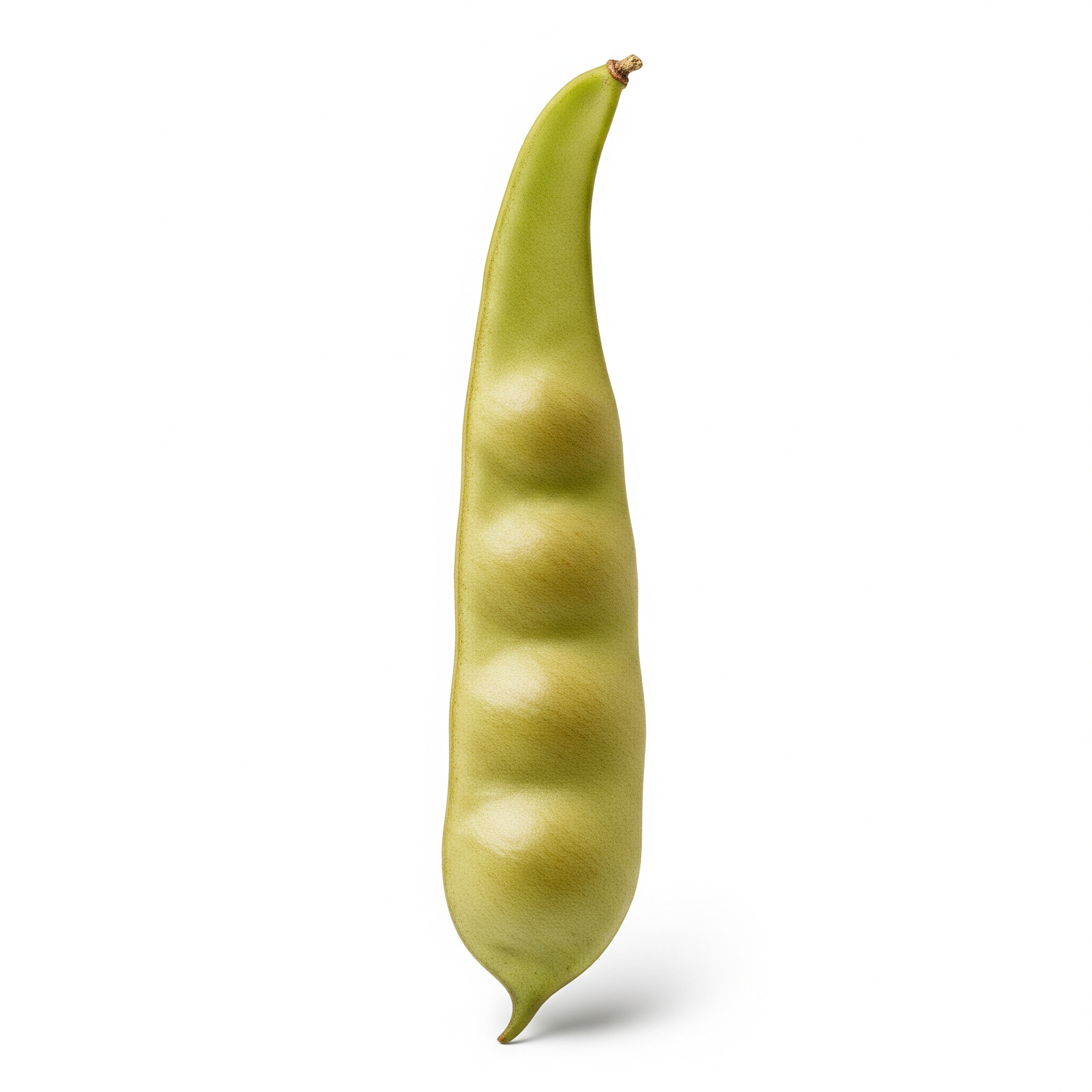
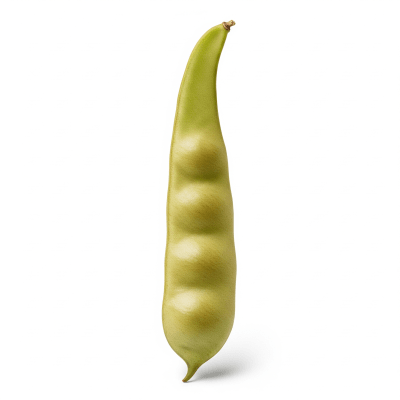
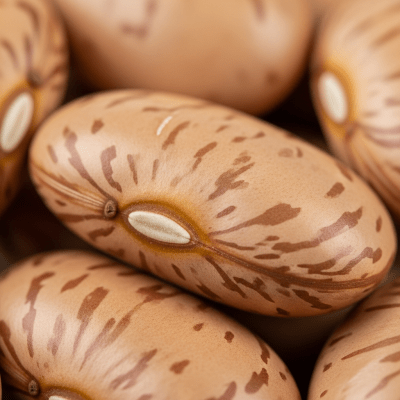
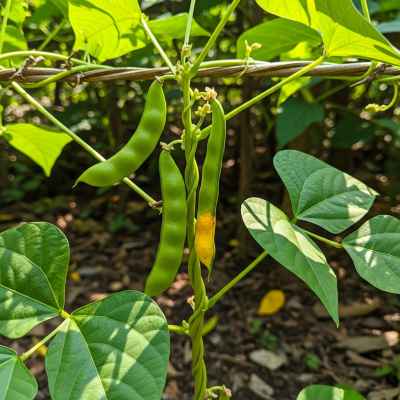
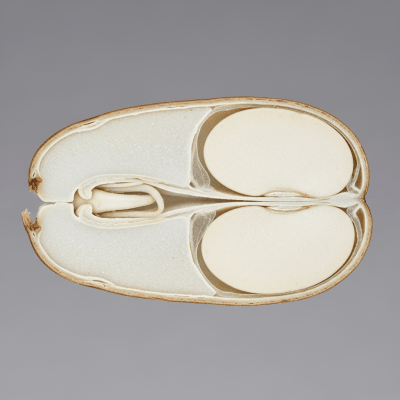
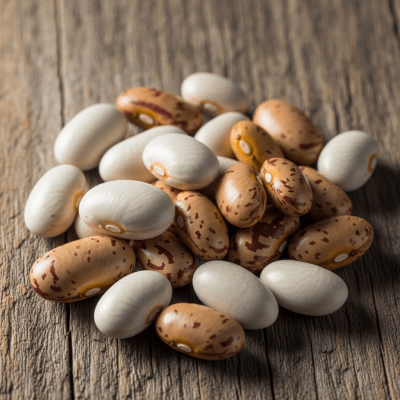
The jack bean plant is a vigorous pole climber that can reach up to two meters in height. It produces large pods up to 30 centimeters long, each containing three to five oblong seeds. These seeds are notably large, white to cream-colored, and can measure up to three centimeters in length.
Jack bean serves multiple roles: as a forage crop, green manure for soil improvement, and a cover crop that suppresses weeds. While its seeds are edible after thorough cooking to remove toxins, they are primarily used as animal feed. Young pods and leaves are sometimes consumed as vegetables in certain cultures.
Bring this kind into your world illustrated posters, mugs, and shirts.
Archival print, museum-grade paper
Buy Poster
Stoneware mug, dishwasher safe
Buy Mug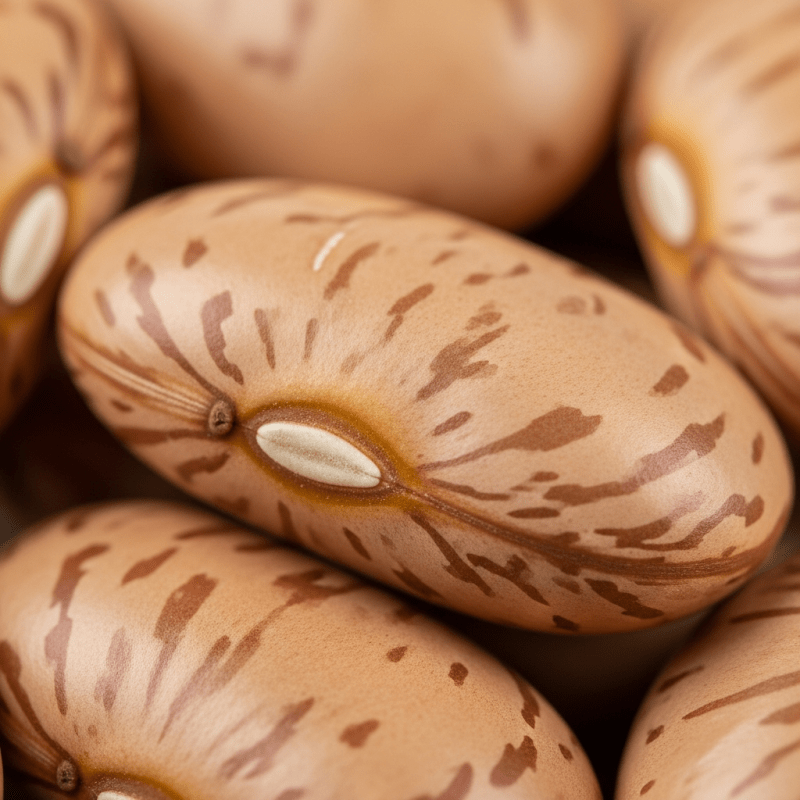
Soft cotton tee, unisex sizes
Buy ShirtThough jack bean has limited culinary prominence due to its toxicity, it holds agricultural importance in tropical and subtropical farming systems. It is recognized regionally by names such as "feijão-de-porco" in Brazil and has traditional uses as forage and soil enhancer rather than a staple food.
Jack bean is a pole-type legume climber reaching up to 200 cm tall. Its large pods, up to 30 cm long, typically contain three to five seeds each. Seeds are oblong, white to cream-colored, and can be as large as 3 cm. The species exhibits notable drought tolerance and resistance to many pests and diseases, though it is susceptible to pod borers and fungal rots in humid environments. Seeds contain canavanine, necessitating careful preparation before consumption.
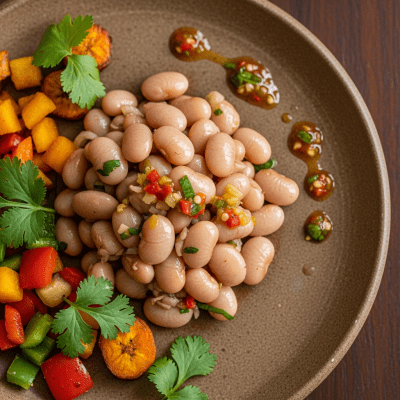
Jack bean seeds are consumed in some cultures after prolonged boiling to neutralize toxins, but their primary role is as animal feed and green manure. The immature pods and young leaves are occasionally eaten as vegetables. Commercially, jack bean is valued more for soil improvement, weed suppression, and forage than for direct human food markets, predominantly in tropical and subtropical regions.
No specific cultivars or breeding institutions are widely documented for jack bean, reflecting its status as an ancient crop with a lineage tracing to wild Canavalia species rather than modern cultivar development.
Jack bean thrives in tropical and subtropical climates, tolerating drought, poor soils, and salinity. It grows best as a pole climber with support and benefits from well-drained soils. The plant fixes nitrogen, enhancing soil fertility, and can be used effectively as a cover crop or green manure. Watch for pod borers and fungal rots in humid conditions, and ensure adequate spacing to reduce disease risk.
Seeds should be stored in cool, dry conditions to maintain viability. Due to the presence of canavanine, jack bean seeds require thorough cooking before consumption, and storage should prevent moisture to avoid fungal growth. There are no widely noted special preservation methods beyond standard legume seed storage practices.