Wax Bean
Wax bean is a yellow-podded variety of the common bean (Phaseolus vulgaris), cherished for its tender texture and mild flavor.
Wax bean is a yellow-podded variety of the common bean (Phaseolus vulgaris), cherished for its tender texture and mild flavor.
Wax beans originated in North America, with yellow-podded forms first documented in the late 19th century. They likely emerged through spontaneous mutation or selective breeding within green bean populations, tracing their lineage to standard bush or pole bean types.
Belonging to the Fabaceae family, wax beans are a cultivar of the species Phaseolus vulgaris. They fit within the broader group of common beans, distinguished primarily by their yellow pods compared to the typical green varieties.
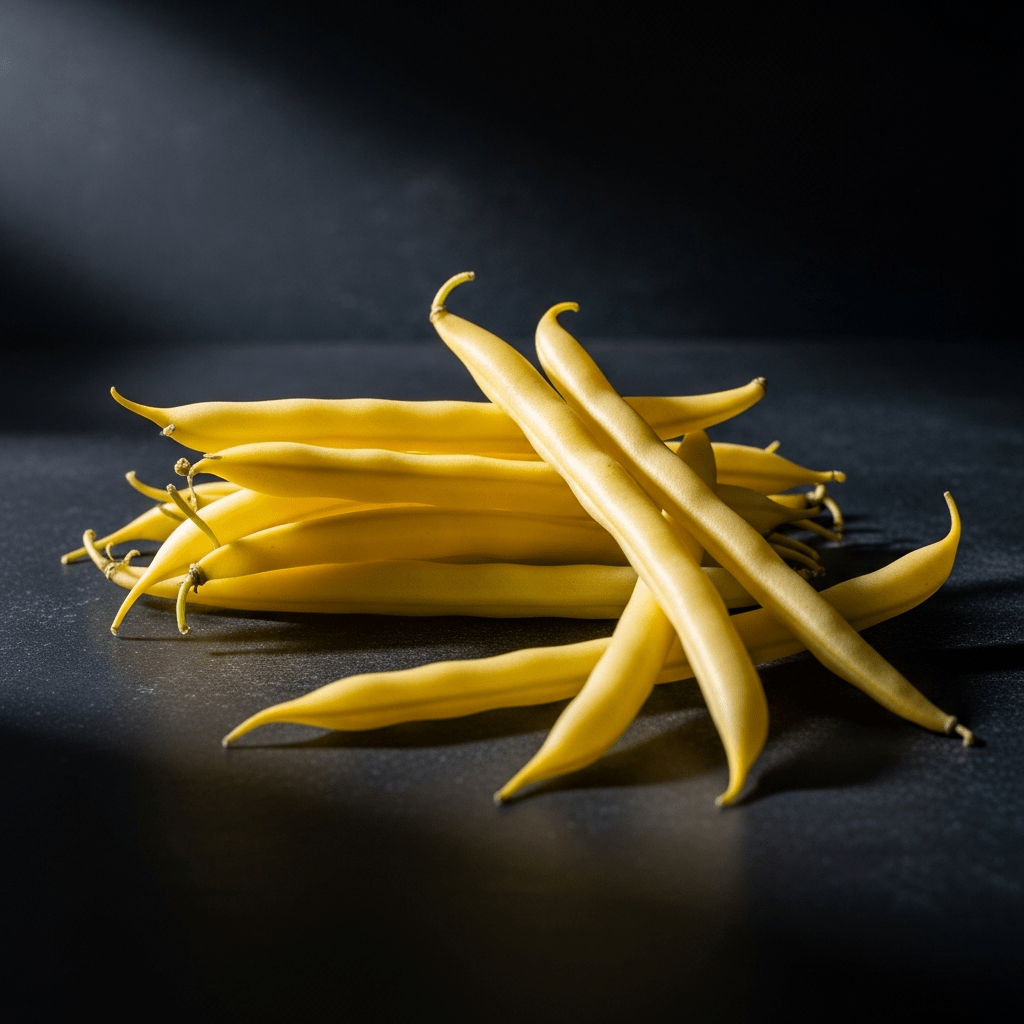
Wax beans feature slender, elongated pods measuring 10 to 15 centimeters in length, notable for their smooth, waxy surface and pale yellow color. Their form closely resembles green beans, but their distinctive hue sets them apart visually.
Harvested when immature for optimal tenderness, wax beans are consumed fresh or processed. They serve as a versatile vegetable, enjoyed steamed, boiled, or sautéed, and are commonly canned or frozen for commercial use.
Bring this kind into your world illustrated posters, mugs, and shirts.

Archival print, museum-grade paper
Buy Poster
Stoneware mug, dishwasher safe
Buy Mug
Soft cotton tee, unisex sizes
Buy ShirtWax beans hold a valued place in North American and European cuisines, often appearing in salads and mixed vegetable dishes. Their appealing color and mild flavor make them a popular substitute or complement to green beans in culinary traditions.
Wax bean plants produce pods typically 10 to 15 cm long with a smooth, waxy surface and pale yellow color. They may grow as bush or pole types depending on the cultivar. The pods are harvested immature to ensure tenderness. Wax beans are susceptible to diseases such as mosaic virus and anthracnose, though some cultivars show improved resistance. Their storage life parallels that of green beans, and they are sensitive to frost and high humidity, which can affect pod quality.

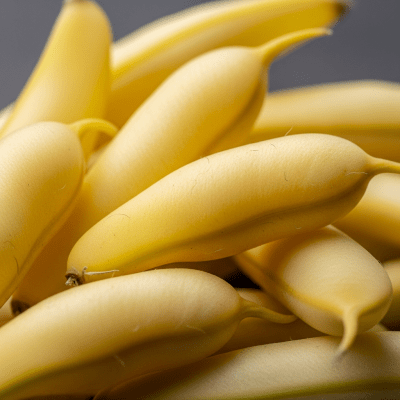
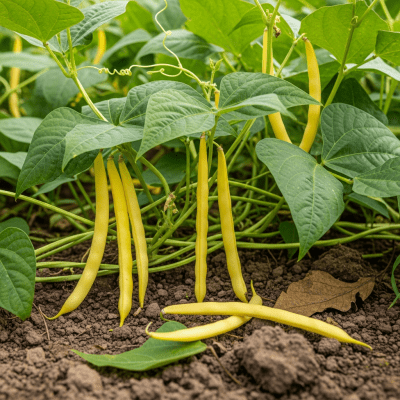


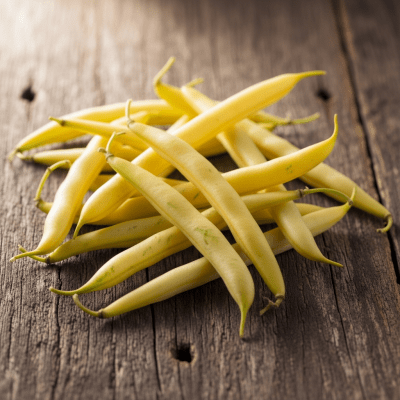
Wax beans are enjoyed fresh, canned, or frozen, prized for their tender texture and mild flavor. They feature prominently in salads and mixed vegetable dishes and are grown commercially across North America and Europe. Their visual appeal and culinary versatility make them a popular choice alongside green beans.
Notable cultivars of wax bean include 'Golden Wax' and 'Improved Golden Wax'. While specific breeders and release dates are not well documented, these varieties are widely cultivated in North America and Europe for their quality and yield.
Wax beans thrive when grown in well-drained soil with full sun exposure. They are sensitive to frost and excessive humidity, so planting after the last frost and ensuring good air circulation helps maintain pod quality. Regular harvesting of immature pods encourages continued production. Disease management is important, especially for mosaic virus and anthracnose.
For best quality, wax bean pods should be consumed fresh or processed soon after harvest. Their storage life is similar to green beans, with refrigeration recommended to maintain freshness. Canning and freezing are common preservation methods that retain their tender texture and mild flavor.