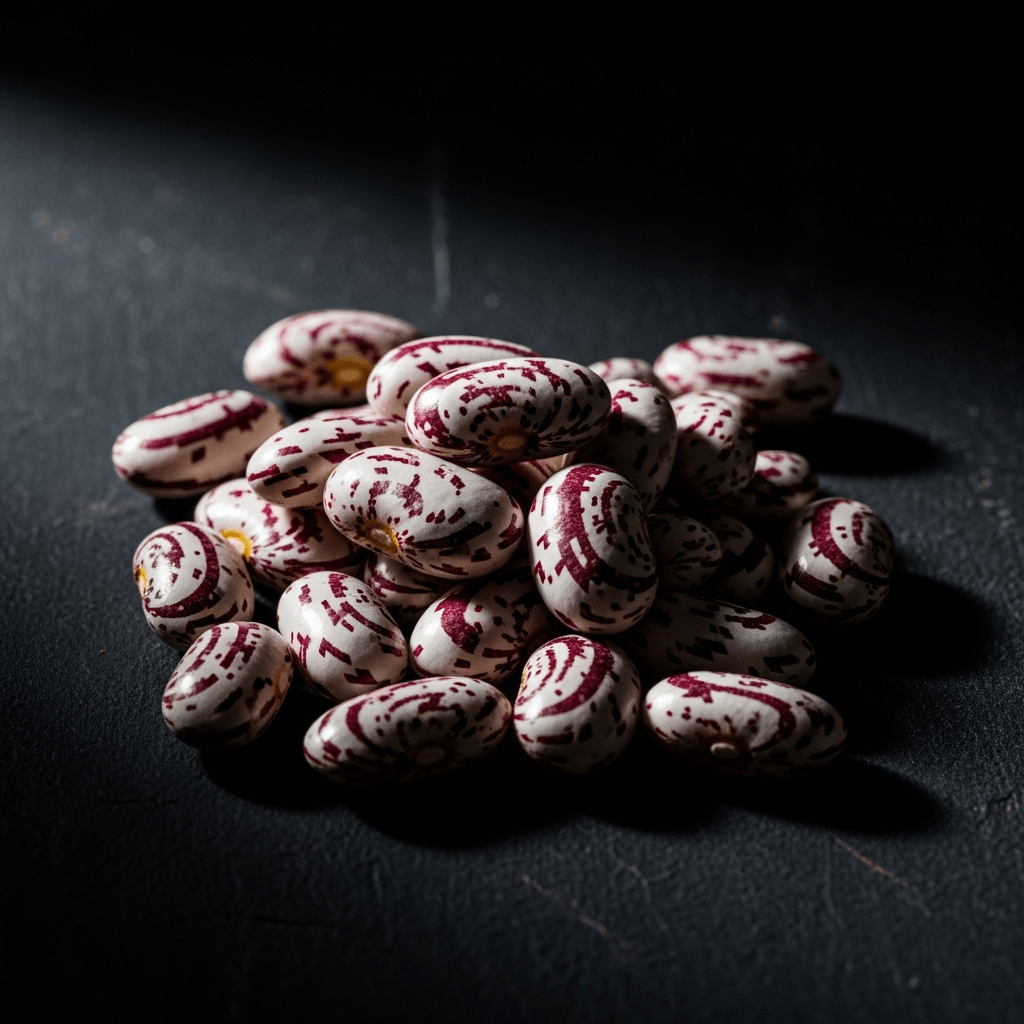
Tongues Of Fire Bean
Tongues of Fire Bean is an Italian heirloom variety of common bean (Phaseolus vulgaris) known for its striking red-streaked pods and seeds, prized for both fresh shelling and dry bean uses.
Tongues of Fire Bean is an Italian heirloom variety of common bean (Phaseolus vulgaris) known for its striking red-streaked pods and seeds, prized for both fresh shelling and dry bean uses.
Originating in Italy, Tongues of Fire Bean carries a rich heritage linked to traditional Italian agriculture. As an heirloom variety closely related to the cranberry bean group, it has been preserved and shared primarily through heirloom seed networks rather than formal breeding programs.
This bean belongs to the Fabaceae family, genus Phaseolus, species vulgaris, which encompasses the common bean. Within this group, Tongues of Fire is classified as a cranberry-type bean, distinguished by its unique coloration and culinary traits.
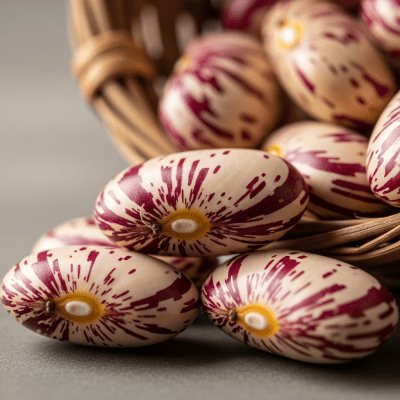
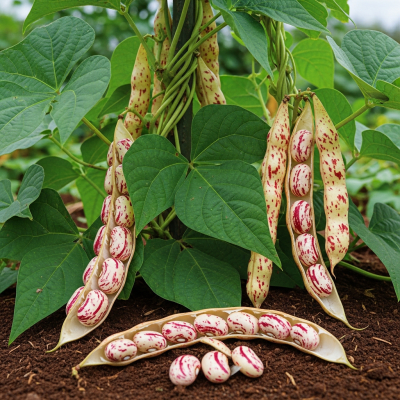
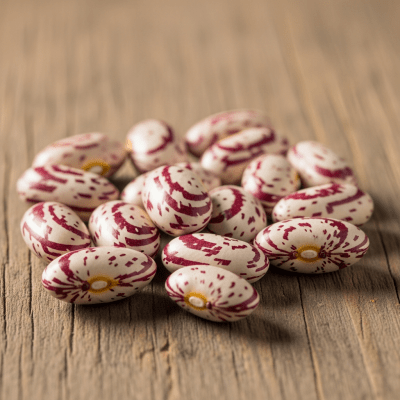
The plant is a bush-type, growing between 45 and 60 centimeters tall. Its pods measure 10 to 15 centimeters long, featuring a creamy background vividly streaked with red or magenta. The seeds are plump and oval, mottled with similar cream and red hues, making them visually distinctive.
Tongues of Fire Bean is valued for its dual-purpose use: fresh pods can be shelled to enjoy tender, creamy beans, while mature seeds dry well for long-term storage. Its moderate productivity and adaptability make it suitable for home gardens and specialty cultivation.
Bring this kind into your world illustrated posters, mugs, and shirts.
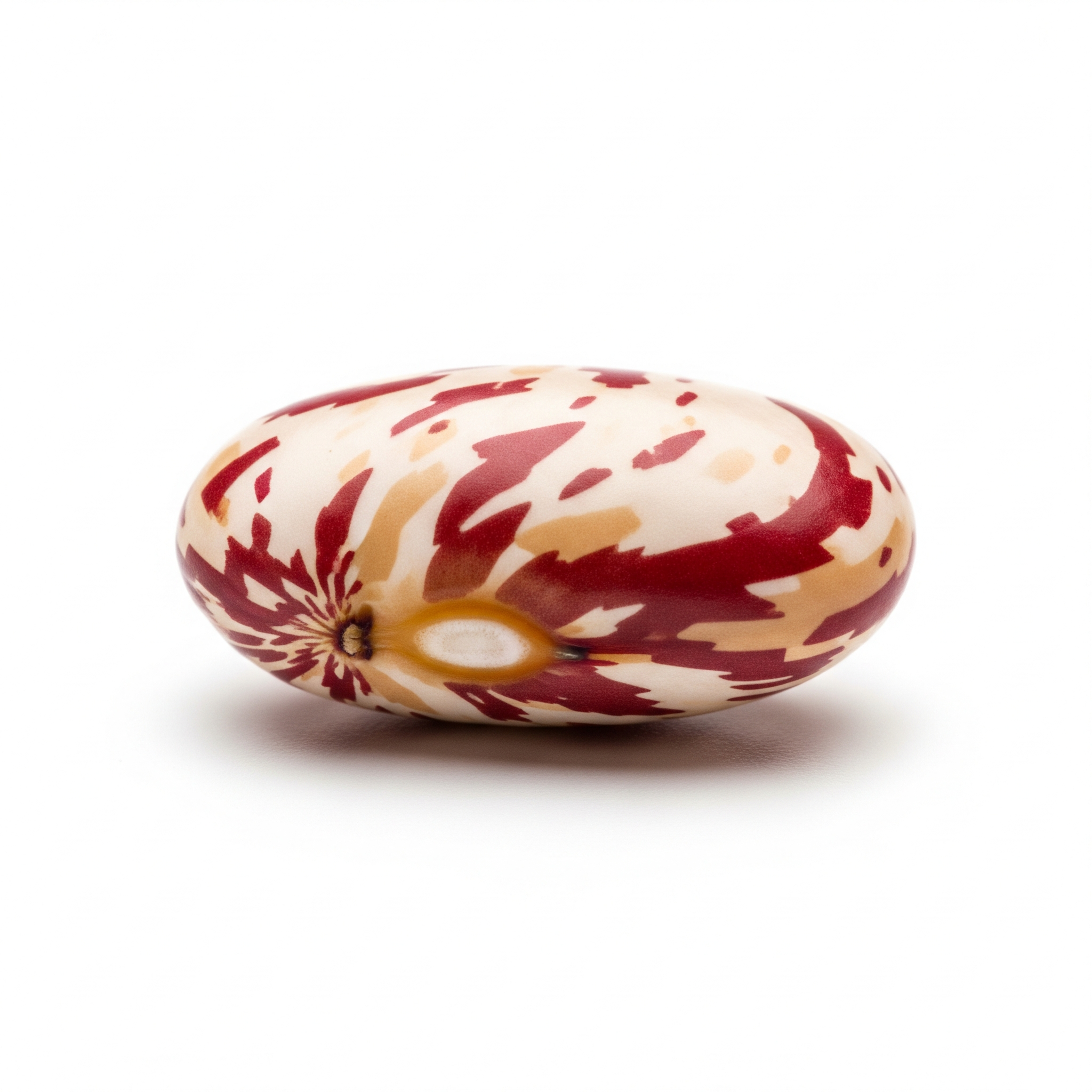
Archival print, museum-grade paper
Buy Poster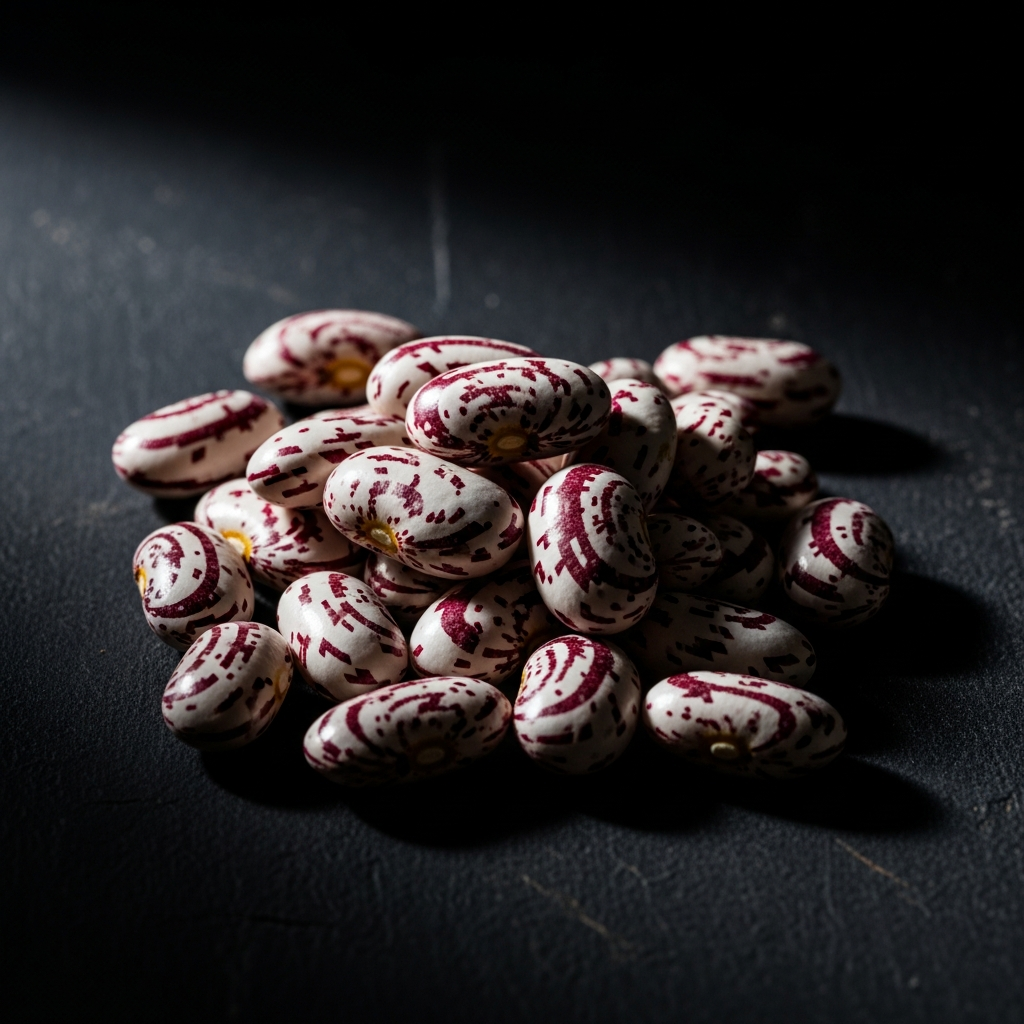
Stoneware mug, dishwasher safe
Buy Mug
Soft cotton tee, unisex sizes
Buy ShirtDeeply embedded in Italian and Mediterranean culinary traditions, Tongues of Fire Bean appears in classic soups, stews, and salads. It also holds a cherished place among heirloom gardening communities, symbolizing the preservation of agricultural heritage and regional flavors.
Growing as a bush-type plant, Tongues of Fire Bean reaches 45 to 60 cm in height. Its pods are medium to large, 10 to 15 cm long, containing plump, oval seeds mottled in cream and red. The variety matures in approximately 60 to 90 days. While it shows typical disease resistance for heirloom common beans, no specific resistances are documented. Seeds store well when dried, though fresh pods are best consumed quickly due to perishability.

Used both fresh and dried, Tongues of Fire Bean is a versatile ingredient in Italian and Mediterranean cuisine. Fresh pods yield creamy, tender beans ideal for salads and light dishes, while dried seeds are commonly incorporated into hearty soups and stews. Its mild, nutty flavor and creamy texture make it a favored choice among heirloom varieties. Commercially, it is found primarily in specialty seed catalogs and niche markets focused on heritage crops.
Recognized primarily under the cultivar name "Tongues of Fire," this heirloom variety lacks formal breeder attribution or a documented release date. It has been maintained through traditional seed saving and distribution by organizations such as Seed Savers Exchange.
For best results, plant Tongues of Fire Beans in well-drained soil with full sun exposure. As a bush-type bean, it requires minimal staking and typically matures within 60 to 90 days. Fresh pods should be harvested promptly to enjoy their tender quality, while mature seeds can be left to dry on the plant for storage. Regular watering and moderate fertility support healthy growth, but care should be taken to avoid waterlogged conditions.
Dried Tongues of Fire Beans store exceptionally well in cool, dry conditions, maintaining quality for extended periods. Fresh pods, however, are perishable and should be consumed soon after harvest to preserve their tender texture and flavor. For long-term use, allow pods to fully mature and dry on the plant before shelling and storing the seeds in airtight containers.