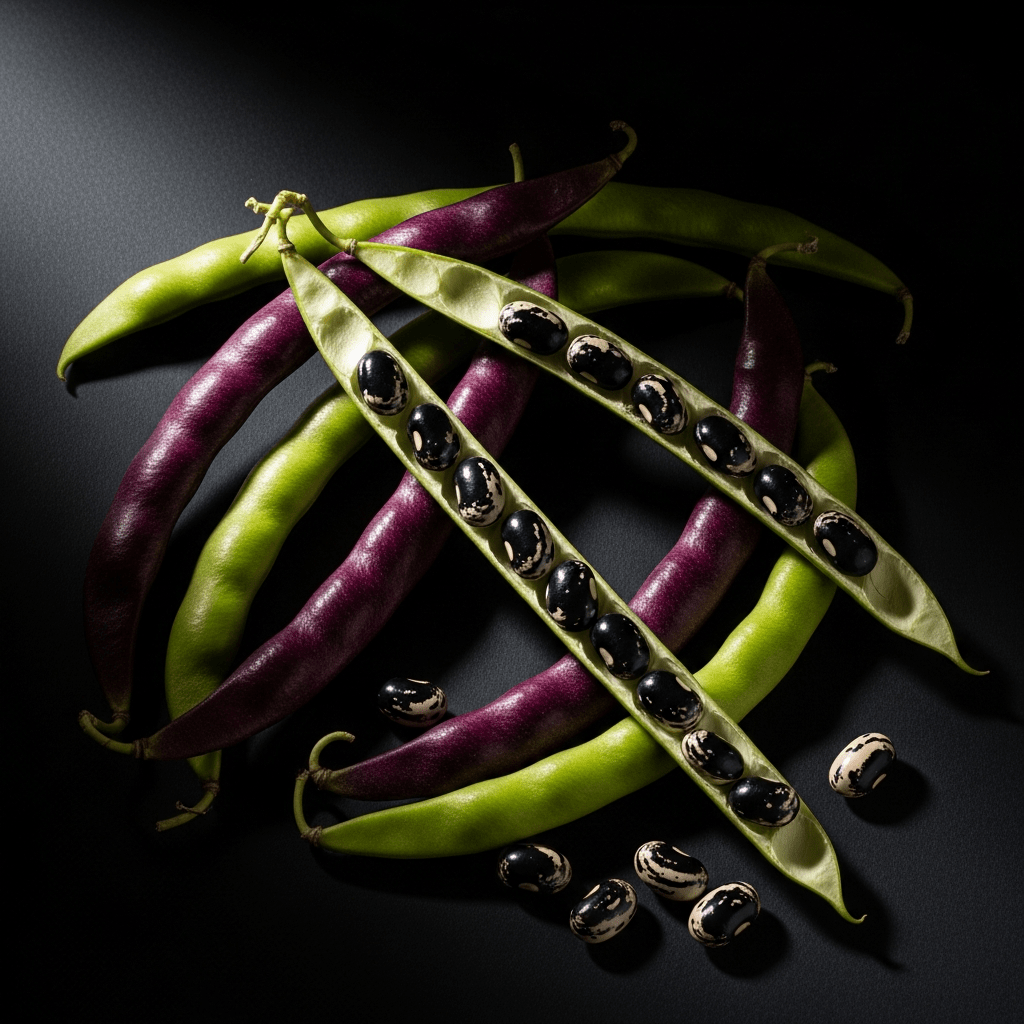
Dolichos Bean
The Dolichos bean, scientifically known as Lablab purpureus, is a versatile legume valued for its edible seeds, pods, and foliage, widely cultivated in tropical and subtropical regions.
The Dolichos bean, scientifically known as Lablab purpureus, is a versatile legume valued for its edible seeds, pods, and foliage, widely cultivated in tropical and subtropical regions.
Originating from Africa, the Dolichos bean is an ancient crop that has been domesticated and cultivated for centuries across India, China, and East Africa. Its exact domestication period is unclear, and no single breeder or institution is credited with its development, reflecting its long-standing presence in traditional agriculture.
The Dolichos bean belongs to the Fabaceae family, within the genus Lablab and species purpureus. It is part of the broader group of edible beans, or legumes, known for their nutritional and agricultural importance worldwide.
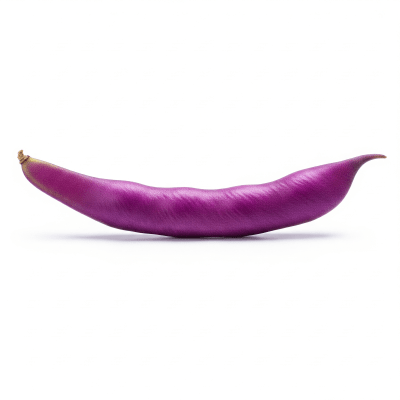
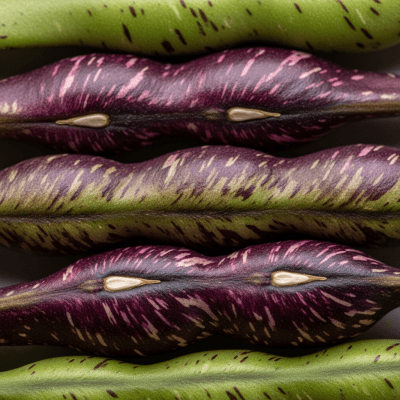
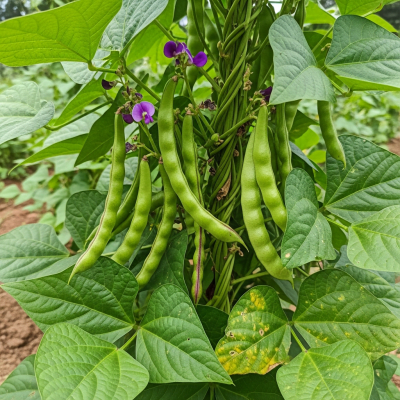
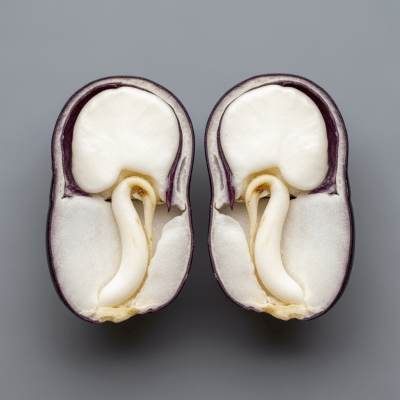
The plant typically produces flat, curved pods measuring 5 to 10 centimeters in length. Its seeds vary widely in color, including white, brown, black, and mottled patterns. The plant is also recognized for its striking purple or white flowers and trifoliate leaves, contributing both to its ornamental appeal and agricultural value.
The Dolichos bean is cultivated for multiple uses: its immature pods are eaten as vegetables, mature seeds serve as pulses, and leaves are consumed in some cuisines. Beyond food, it functions as animal fodder, green manure to enrich soils, and occasionally as an ornamental plant due to its attractive flowers. It thrives in tropical climates and exhibits notable drought tolerance.
Bring this kind into your world illustrated posters, mugs, and shirts.
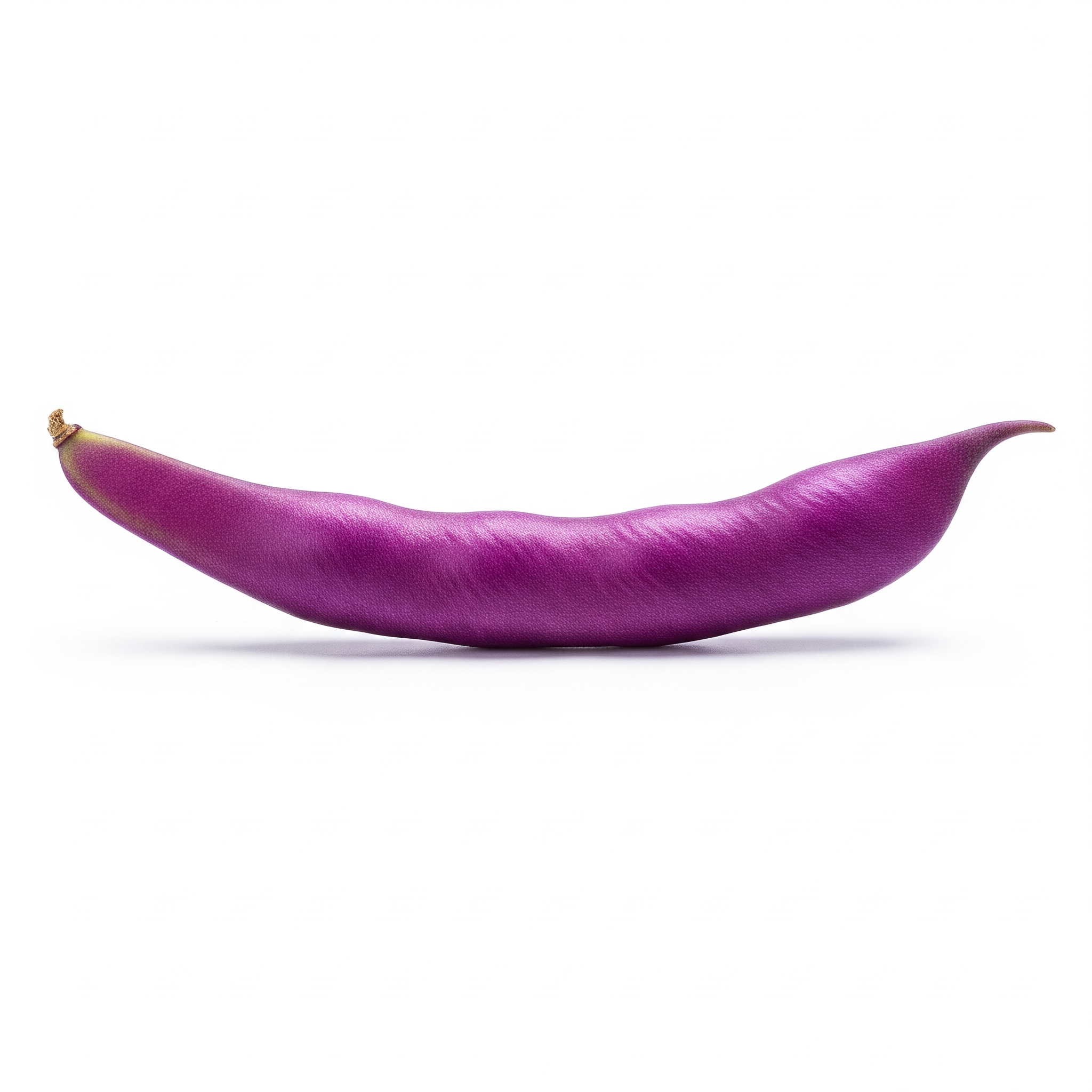
Archival print, museum-grade paper
Buy Poster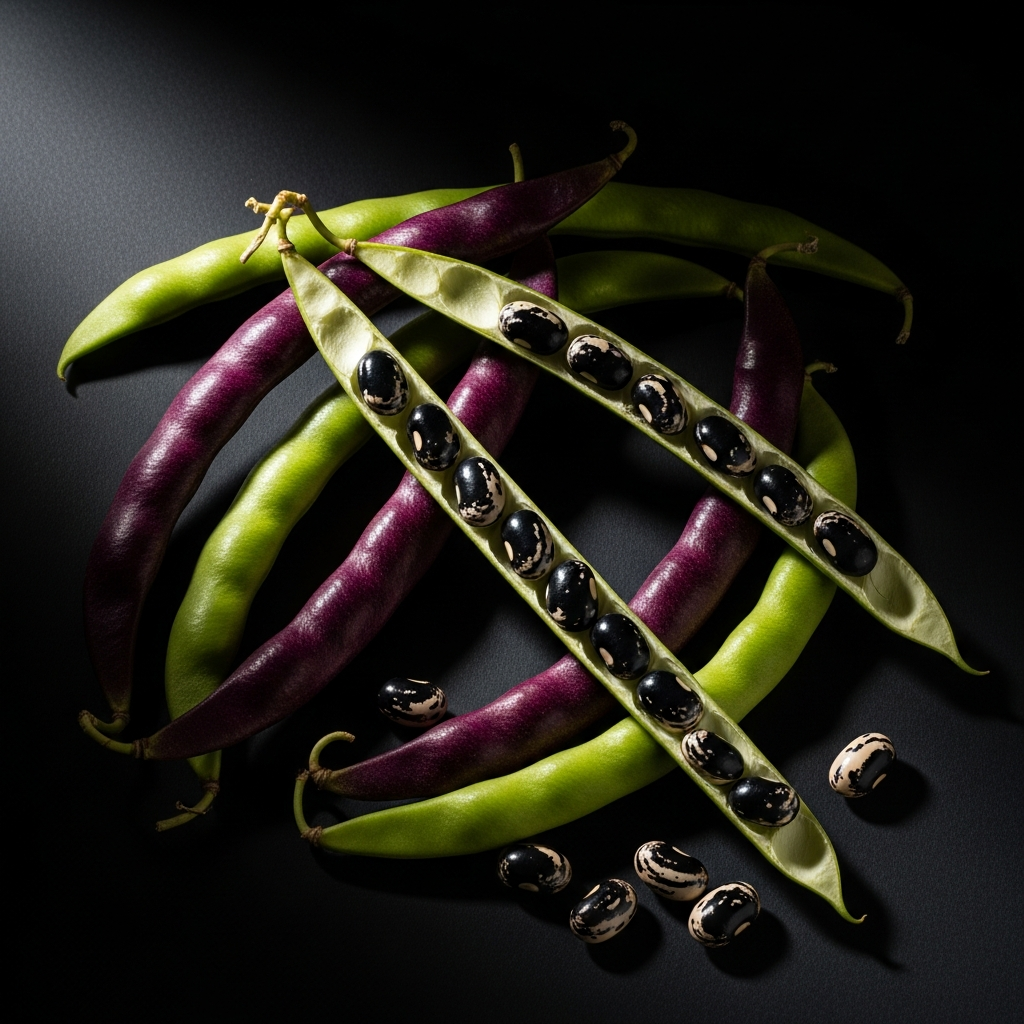
Stoneware mug, dishwasher safe
Buy Mug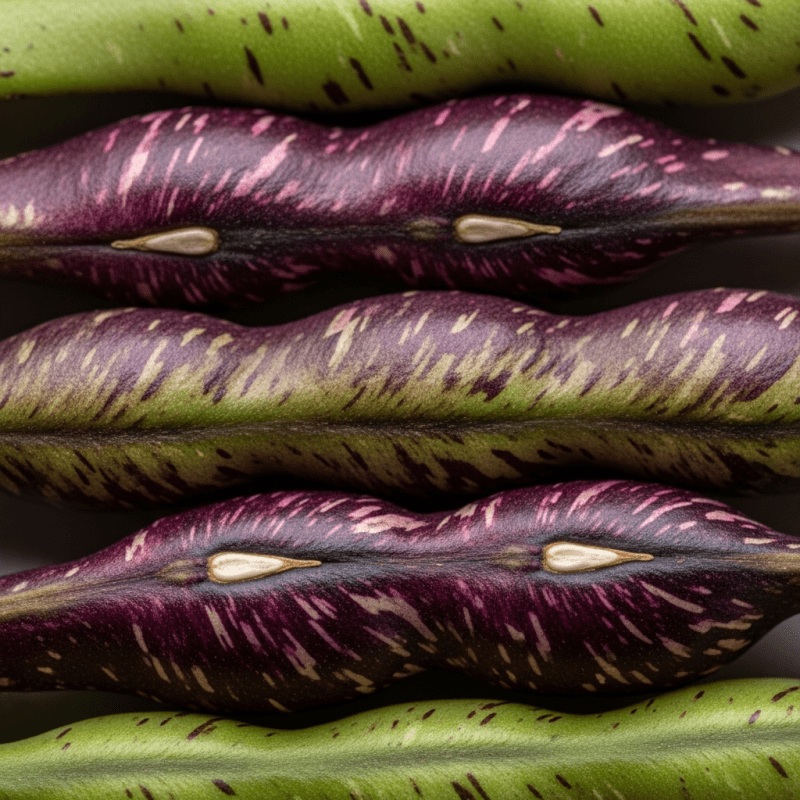
Soft cotton tee, unisex sizes
Buy ShirtKnown by various regional names such as "sem" and "val" in India and "njahi" in East Africa, the Dolichos bean holds cultural importance in traditional cuisines and farming practices across these regions. Its presence in local dishes and agricultural systems underscores its role in sustaining communities and culinary heritage.
The Dolichos bean plant produces flat, curved pods typically 5 to 10 centimeters long, containing seeds that vary in color from white to brown, black, and mottled. It exhibits drought tolerance and prefers well-drained soils. The plant may grow as a twining vine or bushy form and features trifoliate leaves with purple or white flowers. Dry beans store well, while fresh pods are perishable. The plant is generally robust but can be susceptible to some fungal diseases and pests.
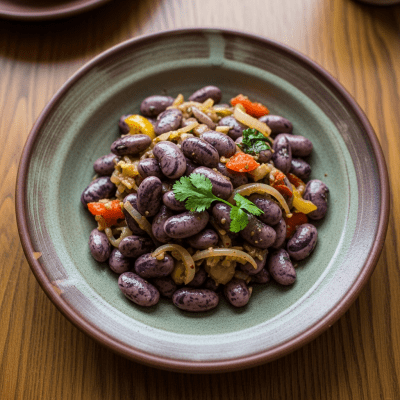

Consumed primarily in dried and fresh forms, Dolichos beans appear in traditional dishes such as curries, stews, and stir-fries across India, East Africa, and Southeast Asia. The beans provide a valuable source of plant protein and fiber, though nutritional specifics vary by variety. Besides human consumption, the crop is widely used as animal fodder and green manure, and its ornamental flowers add aesthetic value in some markets.
There is limited documented information on specific cultivars or breeding programs for the Dolichos bean. It remains largely an ancient, traditionally cultivated crop without widely recognized modern cultivars or formal breeder attribution.
For successful cultivation, plant Dolichos beans in well-drained soils under tropical or subtropical climates. The crop tolerates drought but benefits from moderate moisture. It can be grown as a climbing vine or bushy plant, depending on the variety. Regular monitoring for fungal diseases and pests is advisable. Harvest dry beans when pods mature and dry, and use fresh pods promptly due to perishability.
Dry Dolichos beans store easily and maintain quality under proper conditions, making them suitable for long-term storage. In contrast, fresh pods are perishable and should be consumed or processed shortly after harvest. Proper drying and storage in cool, dry environments help preserve seed viability and culinary quality.