Mung Bean
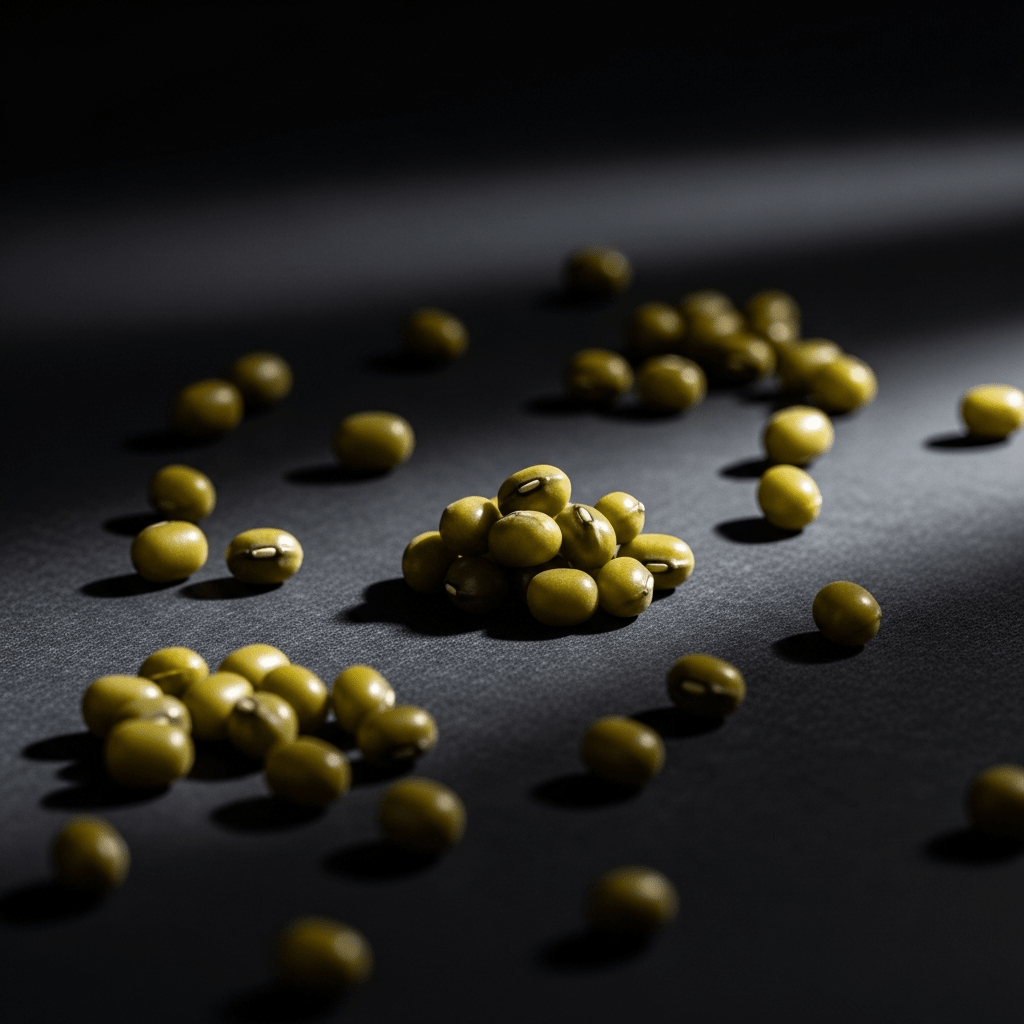
The mung bean (Vigna radiata) is a small, green legume prized for its rapid germination, high protein content, and versatility in Asian cuisines.
The mung bean (Vigna radiata) is a small, green legume prized for its rapid germination, high protein content, and versatility in Asian cuisines.
Originating in the Indian subcontinent, the mung bean was domesticated at least as early as 1500 BCE from its wild ancestor Vigna radiata var. sublobata. Over centuries, it spread across Asia, with modern cultivars developed by agricultural research institutes in India, China, and Southeast Asia.
Belonging to the Fabaceae family, mung bean is classified botanically as Vigna radiata. It is part of the legume group, which includes many edible beans valued for their nutritional and agricultural importance.
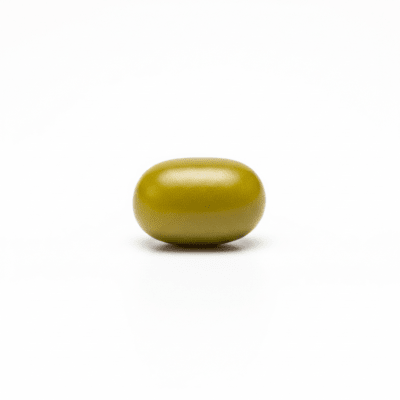
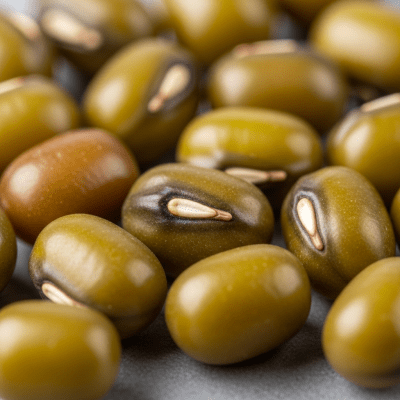
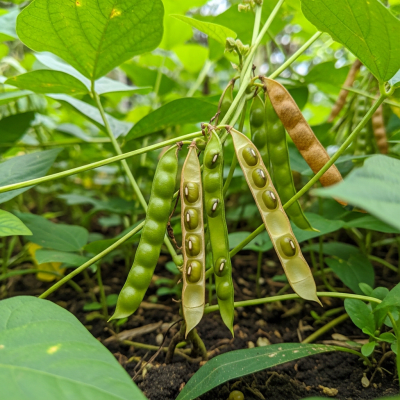
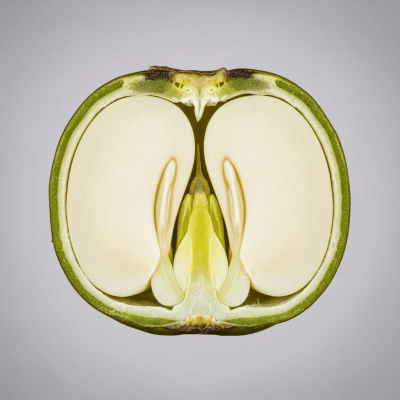
Mung bean seeds are small, oval-shaped, and vibrant green. The plant itself is an annual herbaceous legume that grows between 30 and 120 centimeters tall, producing slender pods measuring 6 to 10 centimeters long, each containing 10 to 15 seeds.
Renowned for its rapid germination, the mung bean is widely used for sprouting. It functions both as a nutritious food source and a nitrogen-fixing crop that enriches soil. Its adaptability to diverse climates and moderate drought resistance make it a valuable agricultural plant.
Bring this kind into your world illustrated posters, mugs, and shirts.
Archival print, museum-grade paper
Buy Poster
Stoneware mug, dishwasher safe
Buy Mug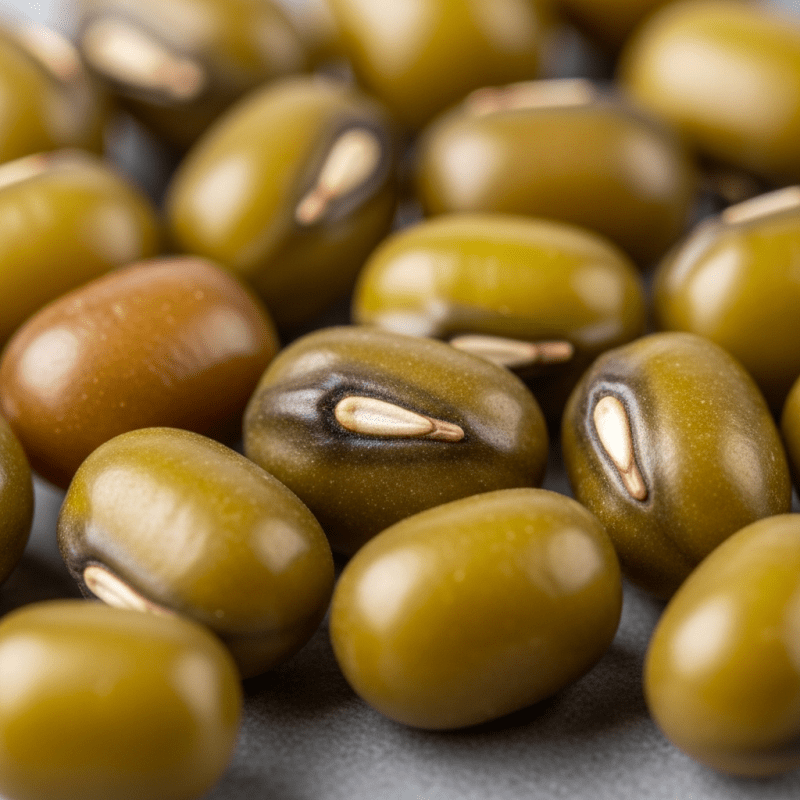
Soft cotton tee, unisex sizes
Buy ShirtMung bean holds a central place in Asian culinary traditions, featuring prominently in dishes ranging from Indian dals to Chinese desserts and Southeast Asian stir-fries. Its presence in regional cuisines reflects deep cultural ties and culinary heritage.
The mung bean plant is an annual legume growing 30 to 120 cm tall with trifoliate leaves. Pods are slender, 6 to 10 cm long, each containing 10 to 15 small, oval, green seeds. It matures within 60 to 90 days and thrives under moderate drought and heat, benefiting from nitrogen fixation. Seeds store well when dry and germinate rapidly, ideal for sprouting.
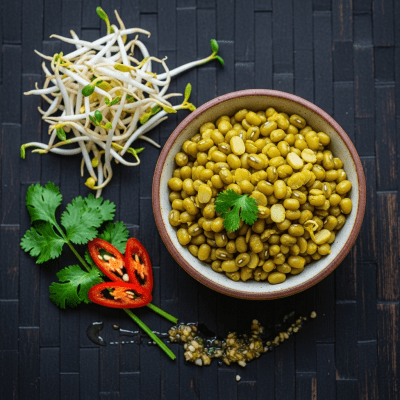
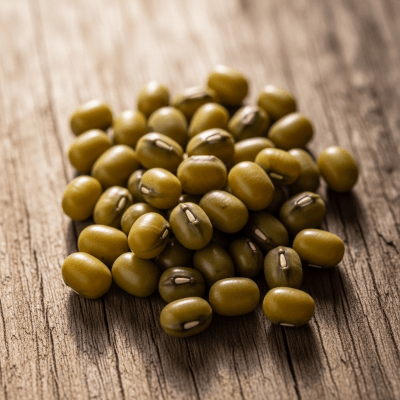
Mung beans are consumed in dried, fresh, canned, and fermented forms. They appear in traditional dishes such as Indian dal, Chinese mung bean soup, salads, stir-fries, noodles, and pancakes. Nutritionally rich, they are valued for their protein content and are commercially significant across East Asia, Southeast Asia, and India. Their starch is processed into cellophane noodles, widely used in Asian cuisines.
While no single cultivar dominates, modern mung bean varieties have been developed by agricultural research institutes in India, China, and Southeast Asia to improve yield, disease resistance, and adaptability. Specific cultivar names and release dates vary regionally.
For optimal growth, mung beans require well-drained soil and warm temperatures. They mature in 60 to 90 days and benefit from moderate drought conditions. Crop rotation and soil nitrogen management enhance yields, while vigilance against fungal diseases like powdery mildew is recommended.
Mung bean seeds store best when kept dry and cool, preserving their rapid germination ability. Proper storage extends shelf life and maintains seed quality, making them ideal for sprouting and long-term culinary use.