Black Bean
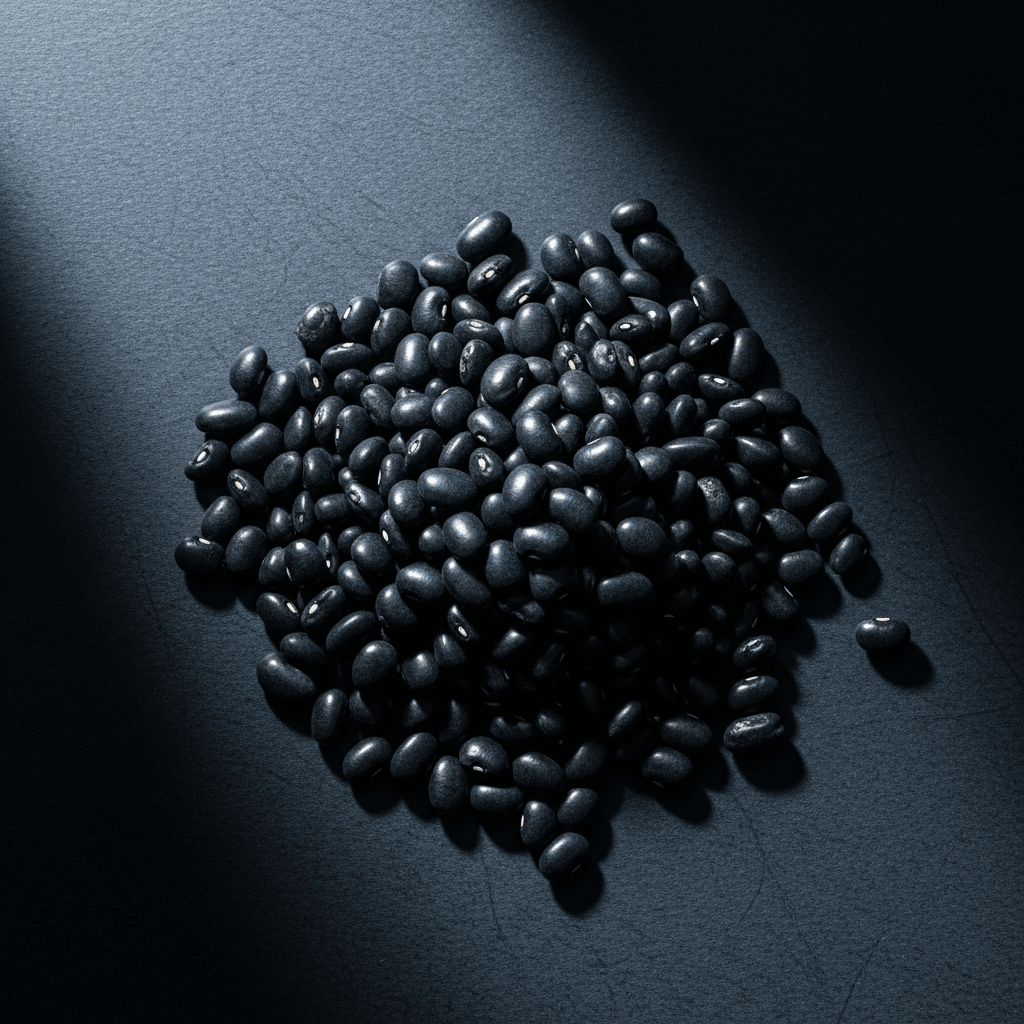
The black bean is a small, shiny, black-pigmented variety of Phaseolus vulgaris, prized as a staple legume in Latin American, Caribbean, and Southwestern U.S. cuisines for its dense texture and rich flavor.
The black bean is a small, shiny, black-pigmented variety of Phaseolus vulgaris, prized as a staple legume in Latin American, Caribbean, and Southwestern U.S. cuisines for its dense texture and rich flavor.
Originating in Mesoamerica over 7,000 years ago, the black bean is a landrace cultivated through centuries of farmer selection and adaptation across the Americas. It has no single breeder or institution linked to its origin, embodying a deep agricultural heritage.
Belonging to the family Fabaceae and genus Phaseolus, the black bean is a variety of the species Phaseolus vulgaris, commonly known as the common bean. It fits within the broader group of edible legumes widely cultivated for food.
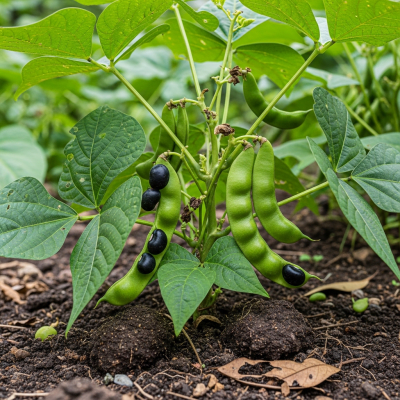
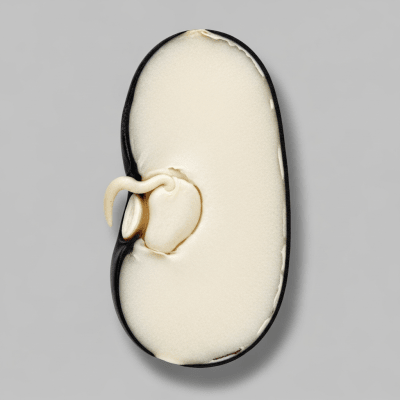
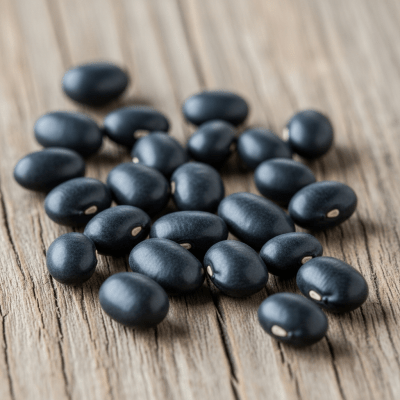
Black beans are small, oval seeds measuring approximately 4 to 7 millimeters in length, distinguished by their glossy black seed coat. The plants typically grow as annual bushes with trifoliate leaves and bear white to pale violet flowers.
Black beans serve as a versatile food source, consumed dried, canned, fresh, or fermented. Their dense texture and earthy flavor make them ideal for stews, salads, and as a vegetarian protein. They also sprout well and can be ground into flour, demonstrating diverse culinary uses.
Bring this kind into your world illustrated posters, mugs, and shirts.

Archival print, museum-grade paper
Buy Poster
Stoneware mug, dishwasher safe
Buy Mug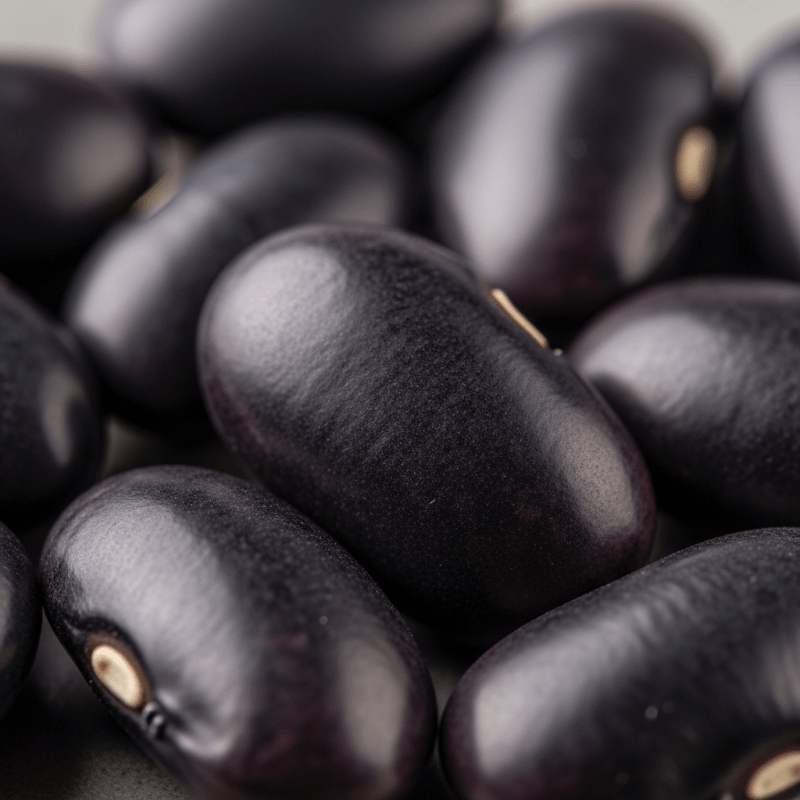
Soft cotton tee, unisex sizes
Buy ShirtDeeply embedded in the culinary traditions of Latin America and the Caribbean, black beans feature prominently in iconic dishes such as Brazil's feijoada, Central America's gallo pinto, and Caribbean black bean soup. They symbolize sustenance and cultural identity across these regions.
Black bean plants typically exhibit a bush growth habit with annual life cycles. Seeds are oval, measuring 0.4 to 0.7 centimeters in length, and feature a glossy black coat. The plants flower with white to pale violet blossoms and mature within 90 to 140 days. They show resistance to some soil-borne pathogens but remain susceptible to mosaic virus and anthracnose. Their drought tolerance supports cultivation in semi-arid regions, and dried seeds store well under proper conditions.

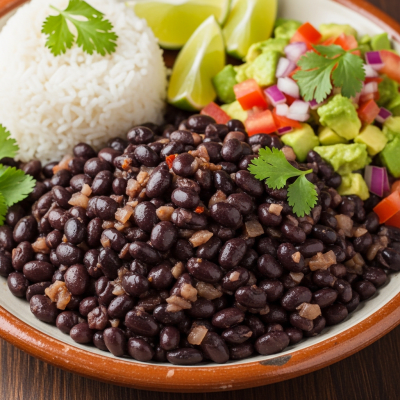
Consumed primarily in dried and canned forms, black beans are a dietary staple rich in protein and fiber. They are essential in traditional dishes such as feijoada, gallo pinto, and black bean soup, and are also prepared fresh or fermented. Commercially, black beans are widely traded and cultivated in Brazil, Mexico, and the United States, available in bulk, packaged, and canned varieties. Their dense texture and earthy flavor make them a favored ingredient in vegetarian and hearty meals.
The canonical black turtle bean is an open-pollinated heirloom variety with no specific breeder or institution credited for its development. While modern cultivars exist, the traditional black bean remains largely a landrace shaped by farmer selection over centuries.
Black beans thrive in well-drained soils under warm temperatures and require a growing period of approximately 90 to 140 days. They prefer bush-type growth habits and benefit from moderate drought conditions. To minimize disease risk, crop rotation and monitoring for mosaic virus and anthracnose are recommended. Proper drying and storage after harvest help maintain seed viability and prevent insect damage.
Dried black beans store effectively when kept in cool, dry conditions with low humidity to prevent insect infestation and spoilage. Properly stored seeds maintain quality and nutritional value for extended periods, making them ideal for long-term use and commercial distribution.