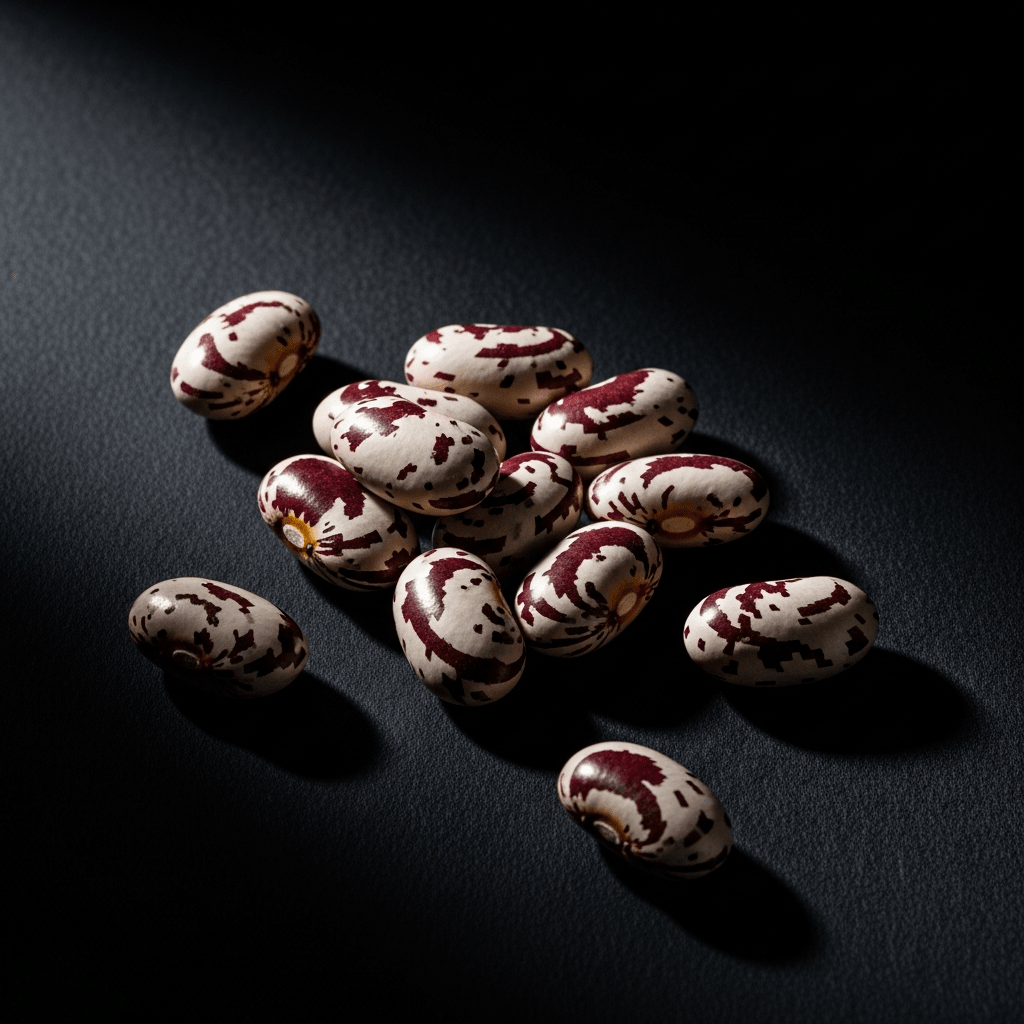
Appaloosa Bean
The Appaloosa bean is a distinctive heirloom variety of the common bean (Phaseolus vulgaris) known for its striking two-toned seed coloration and valued for its mild flavor and culinary versatility.
The Appaloosa bean is a distinctive heirloom variety of the common bean (Phaseolus vulgaris) known for its striking two-toned seed coloration and valued for its mild flavor and culinary versatility.
Originating in the Pacific Northwest of the United States, the Appaloosa bean carries historical ties to the Nez Perce people and the iconic Appaloosa horse breed. This heirloom variety traces its lineage to native landrace populations of Phaseolus vulgaris and has been preserved and shared through seed conservation groups such as Seed Savers Exchange.
The Appaloosa bean belongs to the Fabaceae family, within the genus Phaseolus and species vulgaris, the common bean. It is classified botanically as a bush-type bean and is part of the broader group of edible legumes cultivated worldwide.
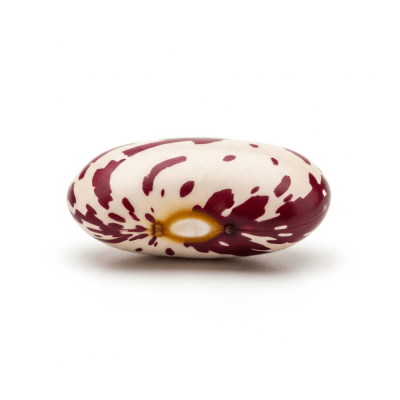
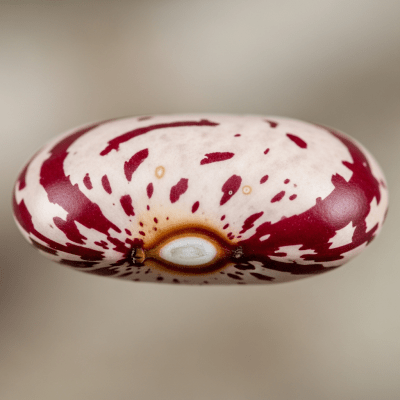
These medium-sized beans are oval-shaped with a unique and eye-catching seed coat: one end is ivory or cream-colored, while the other features mottled brown speckles reminiscent of the Appaloosa horse’s coat pattern. The plants grow as compact bushes reaching about 46 to 61 centimeters (18 to 24 inches) tall.
Appaloosa beans function primarily as a dry bean used in various culinary applications. They are prized for their creamy texture and mild, slightly nutty flavor, and they hold their shape well during cooking. The plants are moderately drought-tolerant and suited to temperate climates, making them adaptable for small-scale cultivation.
Bring this kind into your world illustrated posters, mugs, and shirts.
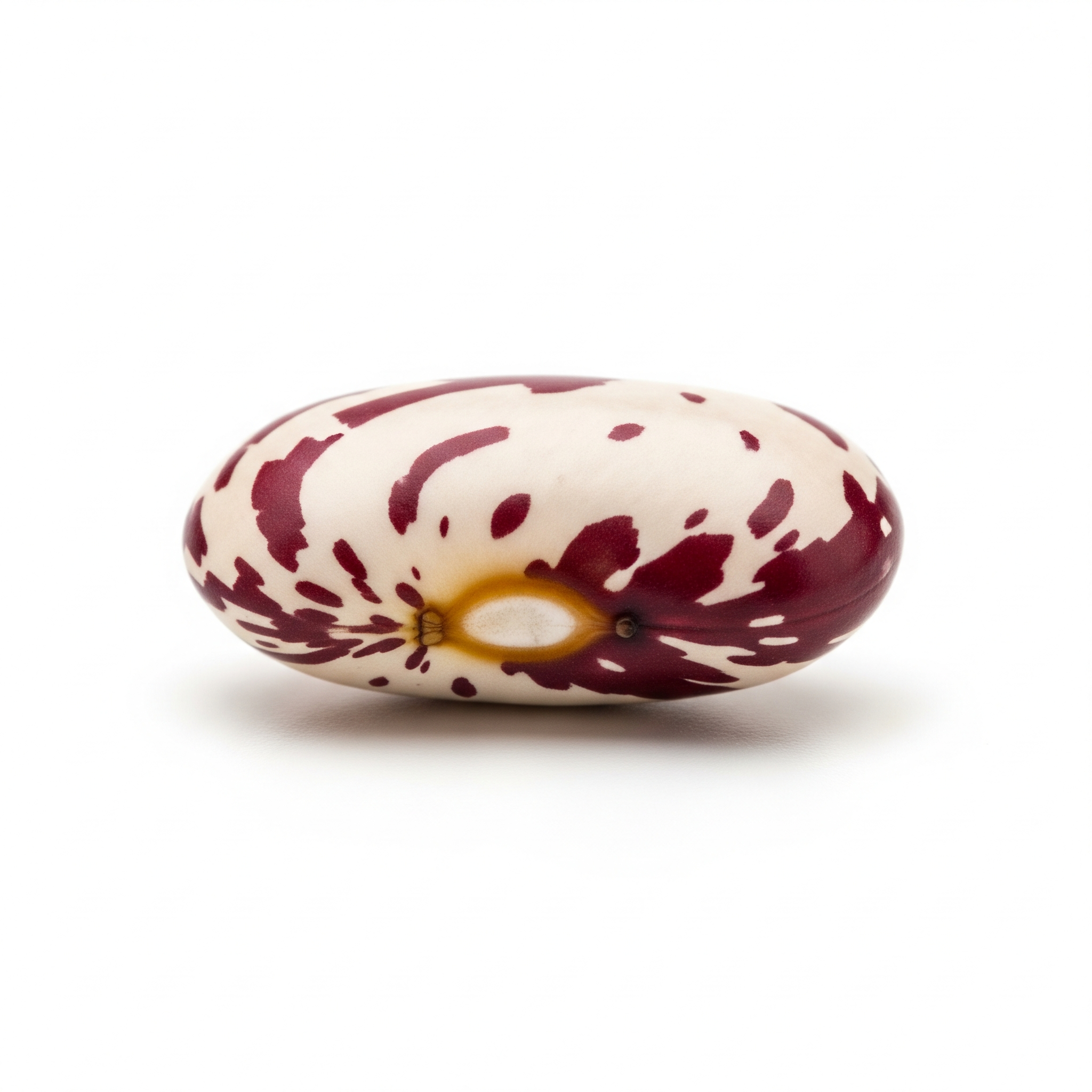
Archival print, museum-grade paper
Buy Poster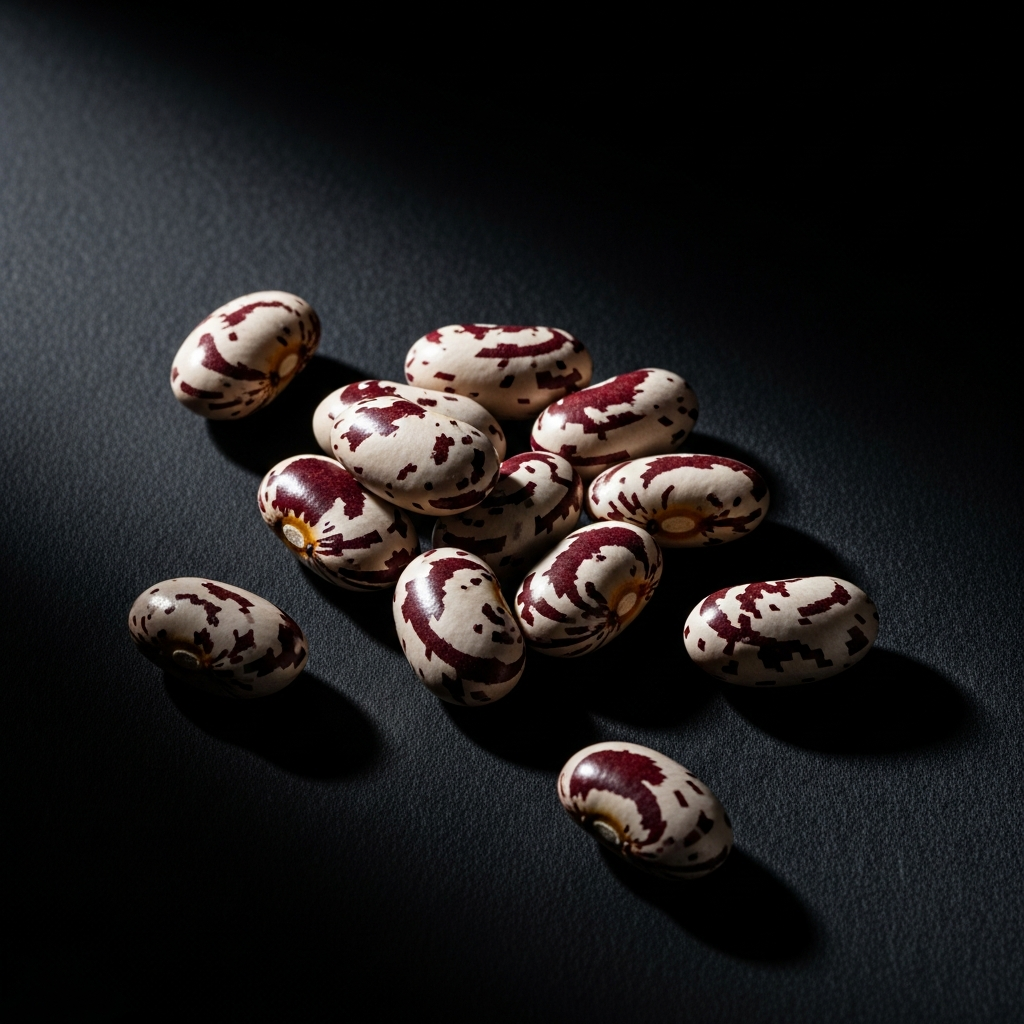
Stoneware mug, dishwasher safe
Buy Mug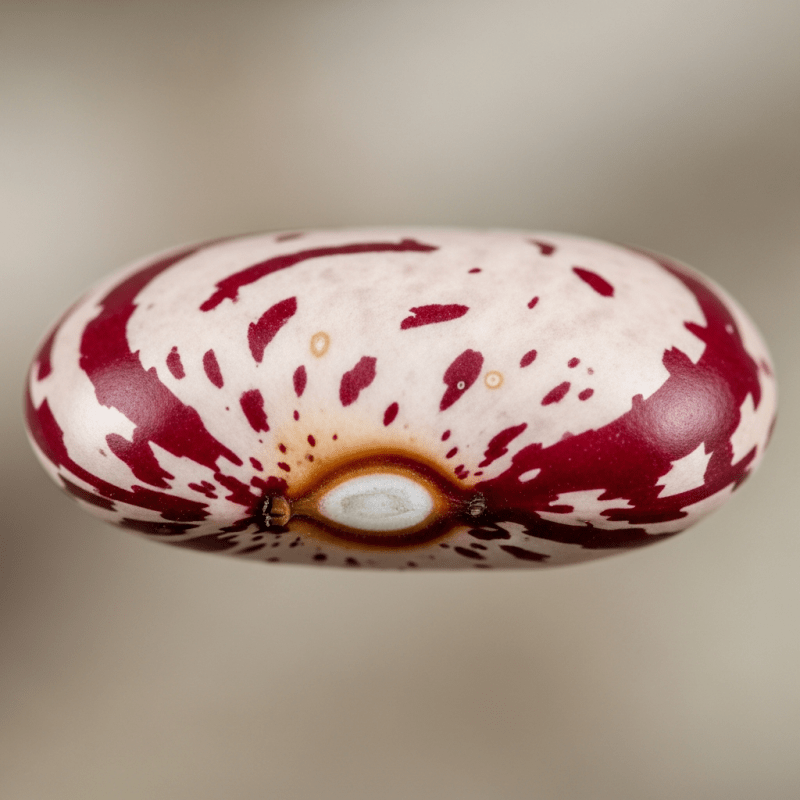
Soft cotton tee, unisex sizes
Buy ShirtThe Appaloosa bean’s cultural roots are intertwined with the heritage of the Nez Perce people and the Pacific Northwest region. Its name and distinctive seed pattern pay homage to the Appaloosa horse, a symbol of regional pride and Native American history, reflecting the bean’s place in local agricultural traditions and seed preservation efforts.
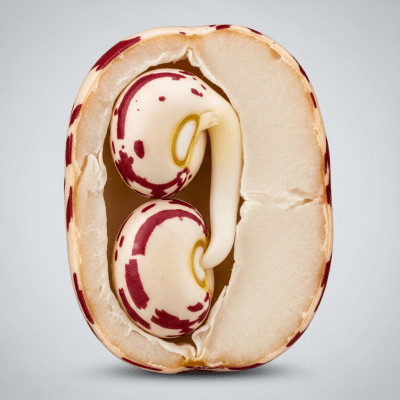
Appaloosa bean plants exhibit a bush growth habit, reaching heights between 46 and 61 centimeters. Each pod typically contains five to six oval-shaped seeds. The seeds display a striking coloration pattern with ivory and cream tones contrasted by mottled brown speckles. The variety is moderately drought-tolerant and adapted to temperate climates, with a consistent maturity period of approximately 90 days. While disease resistance is limited, proper cultivation can mitigate common threats such as anthracnose and mosaic virus. The seeds store well when dried, suitable for both fresh and dry harvest.

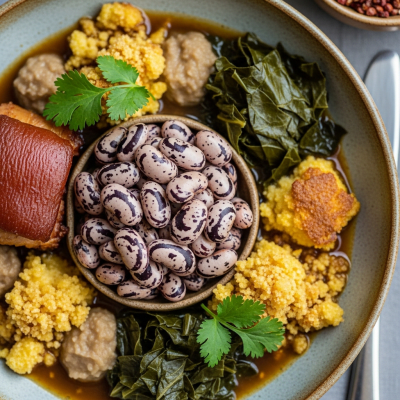
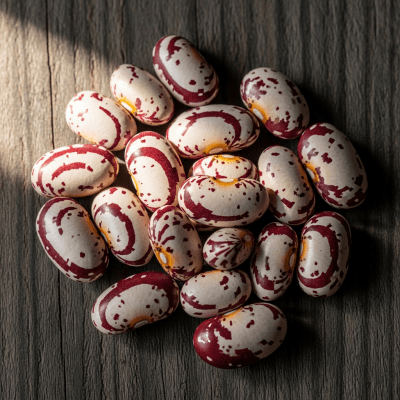
Primarily consumed as a dried bean, the Appaloosa bean is favored for its creamy texture and mild, slightly nutty flavor. It is commonly used in soups, stews, chili, and mixed bean dishes where its distinctive appearance adds visual appeal. Commercially, it is available mainly through specialty seed suppliers and heritage food markets, particularly in the Pacific Northwest of the United States. Although not widely grown on an industrial scale, it remains a cherished variety among home gardeners and culinary enthusiasts.
The Appaloosa bean is recognized as an heirloom cultivar without a formally documented breeder or release year. It is maintained and distributed by seed preservation organizations such as Seed Savers Exchange, ensuring its continued availability and genetic diversity.
For best results, plant Appaloosa beans in well-drained soil with full sun exposure in temperate climates. The bush-type plants require minimal staking and reach maturity in about 90 days. Moderate drought tolerance allows for some flexibility in watering, but consistent moisture supports optimal pod development. Monitor for common diseases like anthracnose and mosaic virus, employing crop rotation and proper spacing to reduce risk.
Dried Appaloosa beans store exceptionally well when kept in a cool, dry, and dark environment. Properly dried seeds maintain viability and flavor for extended periods, making them suitable for long-term storage. For fresh harvests, refrigerate beans promptly and use within a few days to preserve texture and taste.