Broad Bean
The broad bean (Vicia faba) is a versatile legume known for its large, flat seeds and widespread cultivation across Europe, North Africa, and Asia.
The broad bean (Vicia faba) is a versatile legume known for its large, flat seeds and widespread cultivation across Europe, North Africa, and Asia.
Originating in the Near East or Mediterranean region, the broad bean has been cultivated since at least 6000 BCE. As an ancient crop, it has no known wild progenitors and was domesticated long before formal breeding efforts, making it a staple legume with deep historical roots.
Belonging to the Fabaceae family, the broad bean is classified botanically as Vicia faba. It is part of the genus Vicia, distinct from many other common beans in the genus Phaseolus, and is recognized for its unique species status without known wild relatives.
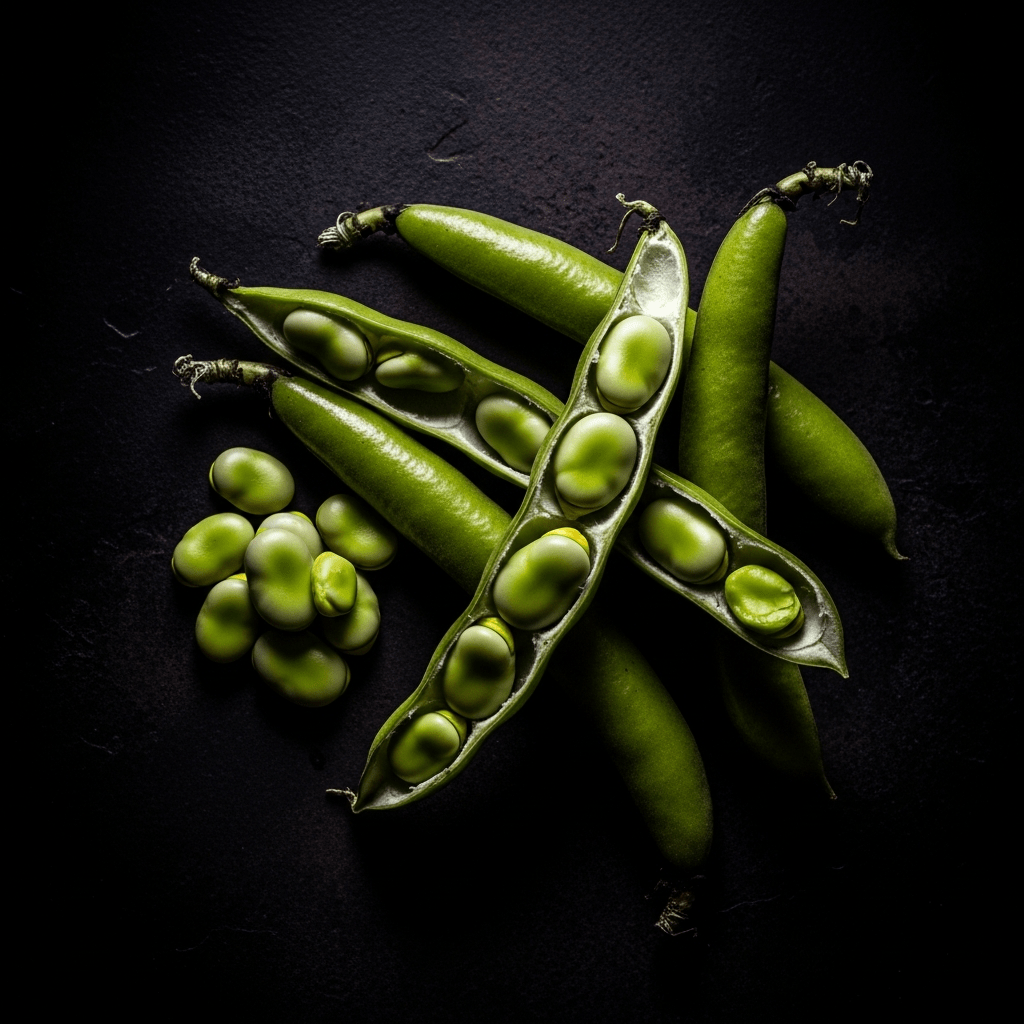
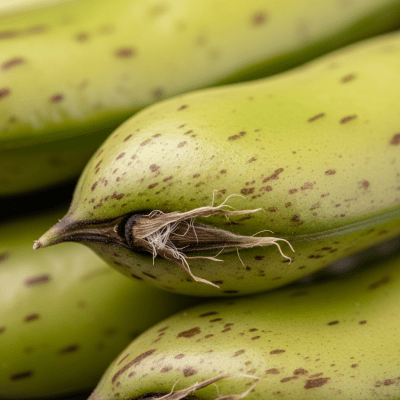
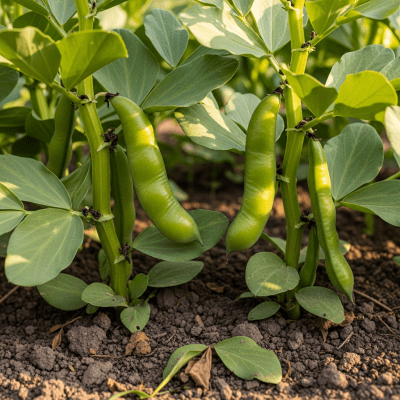
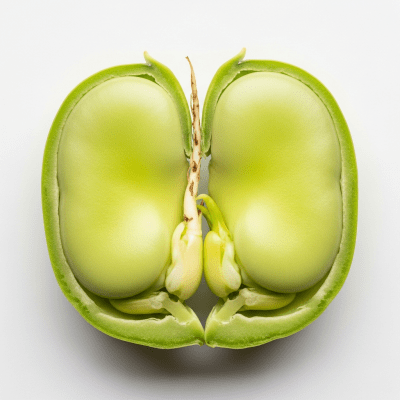
Broad bean plants are erect annuals typically standing between 50 and 180 centimeters tall. Their pods are thick and leathery, containing three to eight large, flat seeds. Seed colors vary widely, including green, brown, white, and black, contributing to the bean’s distinctive and varied appearance.
Broad beans serve multiple roles: they are consumed fresh, dried, or canned, with young beans and pods eaten as vegetables and mature seeds used in traditional dishes like ful medames, soups, and falafel. Beyond culinary uses, they also function as animal feed and green manure, highlighting their agricultural versatility.
Bring this kind into your world illustrated posters, mugs, and shirts.
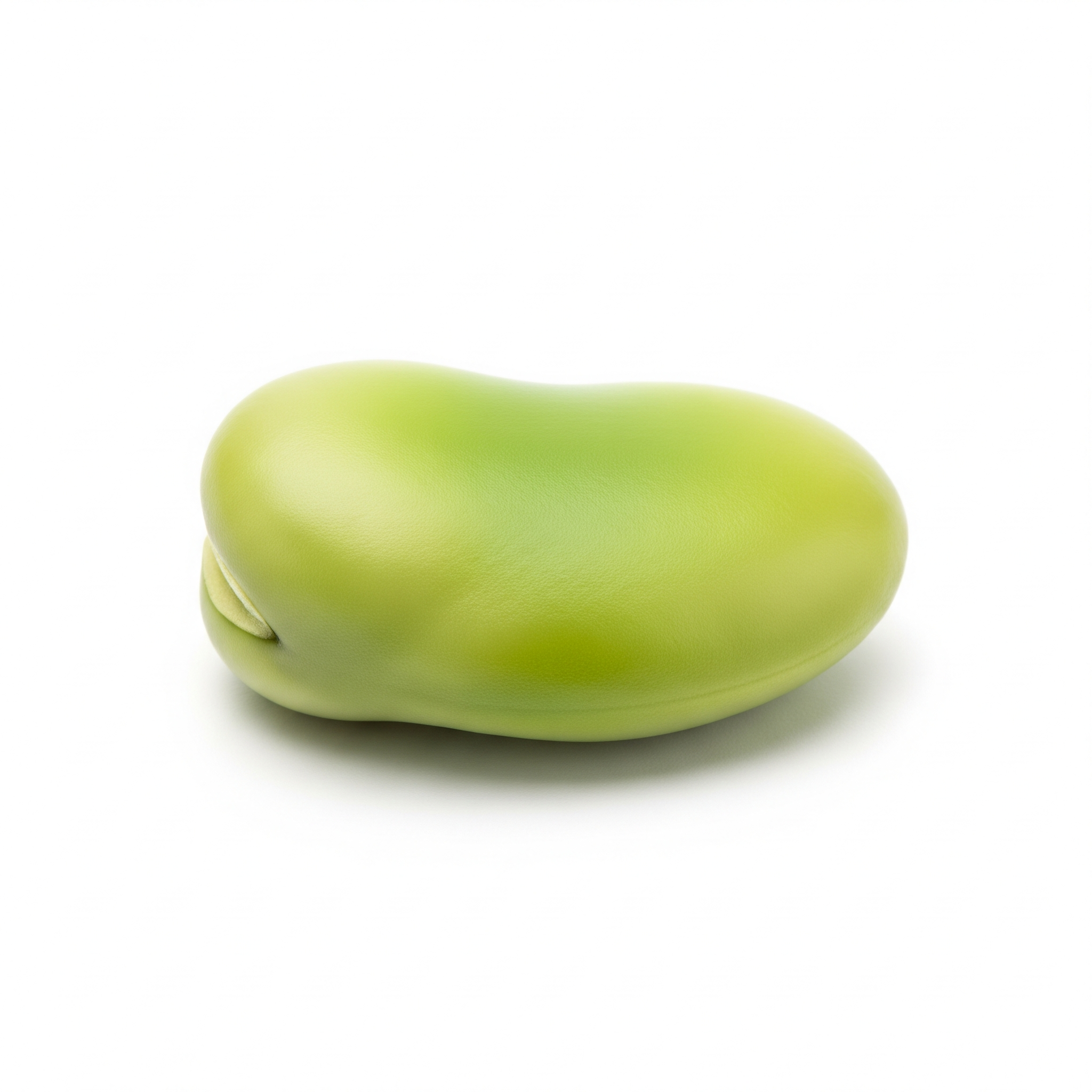
Archival print, museum-grade paper
Buy Poster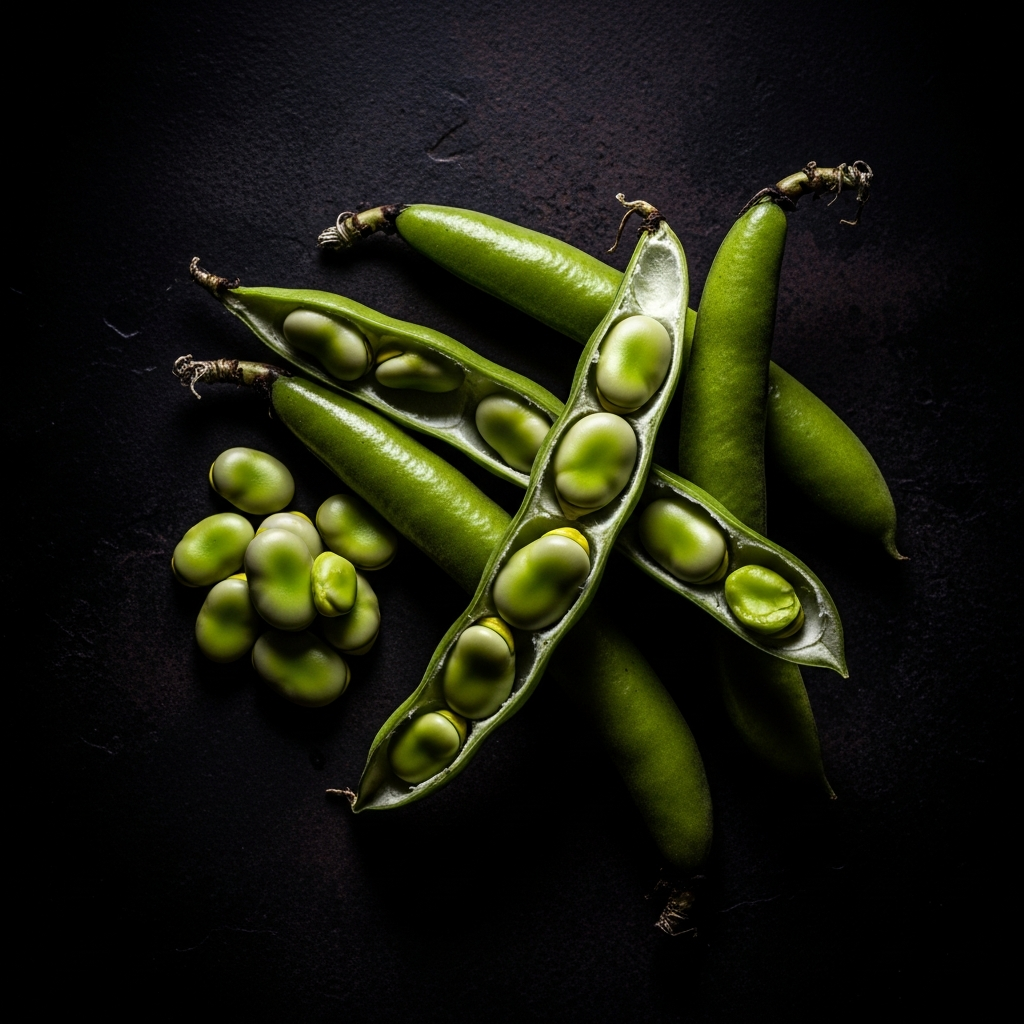
Stoneware mug, dishwasher safe
Buy Mug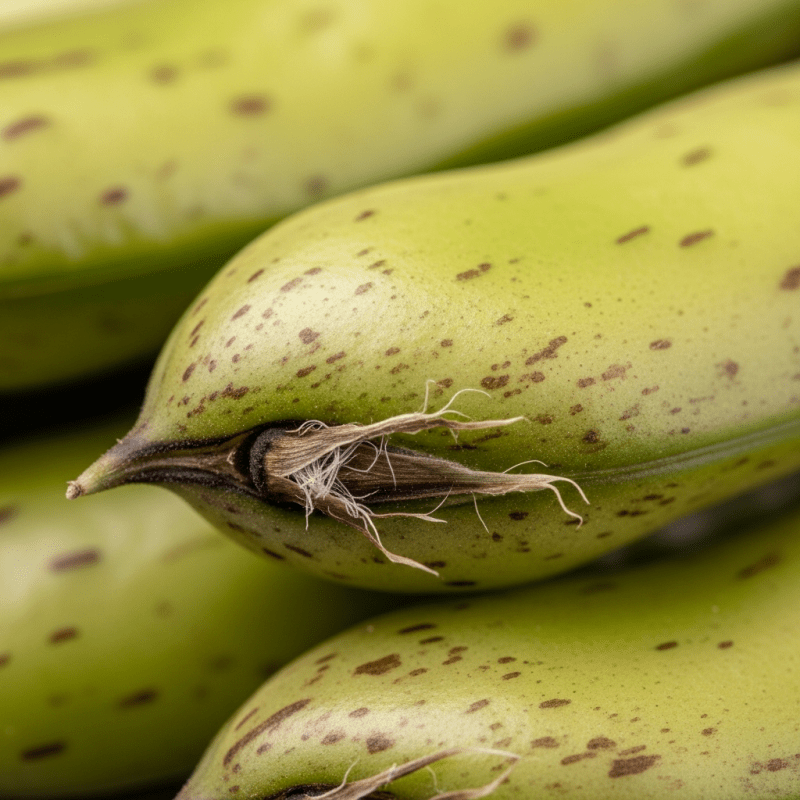
Soft cotton tee, unisex sizes
Buy ShirtThroughout Mediterranean and Middle Eastern cultures, the broad bean holds culinary and symbolic importance. It features prominently in traditional recipes and seasonal celebrations, reflecting its role as a nourishing staple and a cultural emblem across diverse societies.
Broad bean plants grow erect and reach heights from 50 to 180 centimeters. Their pods are thick and leathery, each containing three to eight large, flat seeds that vary in color from green to brown, white, or black. The species shows notable tolerance to cold and some soil-borne pathogens but can be susceptible to chocolate spot disease and aphids. Seeds store well when dried, though fresh beans are perishable.
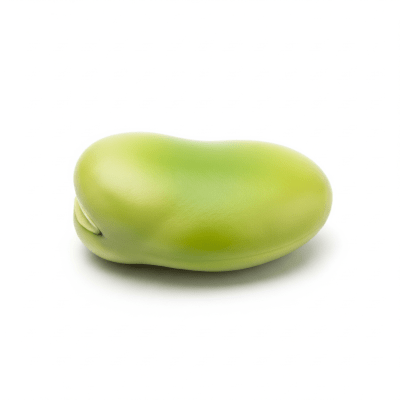
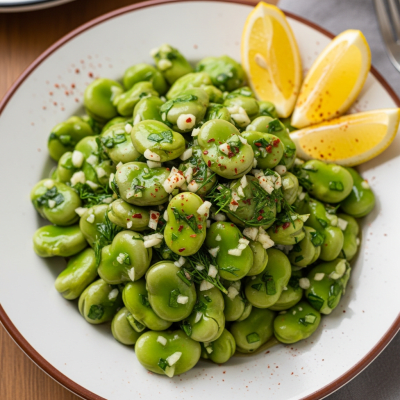

Consumed fresh, dried, or canned, broad beans are integral to many traditional dishes such as ful medames, soups, stews, falafel, and purees. Young beans and pods are enjoyed as vegetables, while mature seeds provide a rich source of nutrition. Commercially, they are available fresh in season and preserved year-round, especially in Europe, North Africa, and Asia. Additionally, broad beans serve as animal feed and green manure, underscoring their agricultural value.
Among recognized cultivars, the Windsor bean is notable for its quality and popularity. As an ancient crop, broad beans lack a single breeder or institution credited with their development, reflecting their long history of cultivation and selection across regions.
Broad beans thrive in cool climates and are best sown in early spring or autumn. They prefer well-drained soils and can tolerate some soil-borne diseases. Regular monitoring for aphids and chocolate spot disease helps maintain healthy crops. Their robust growth habit and adaptability make them suitable for diverse agricultural settings.
Dried broad bean seeds store exceptionally well when kept in cool, dry conditions, preserving their viability and flavor. Fresh beans, however, are highly perishable and should be consumed quickly or refrigerated to maintain freshness. Canning and drying extend their availability beyond the growing season.