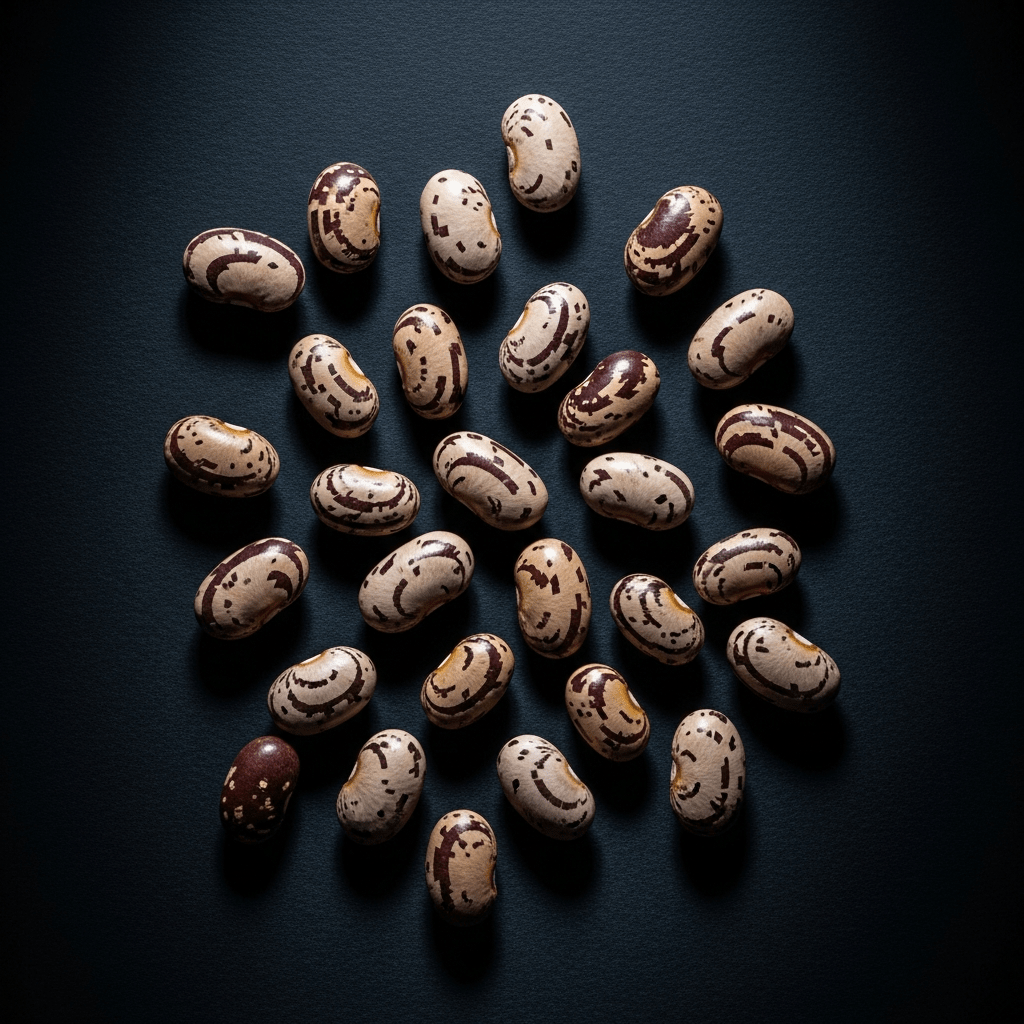
Tepary Bean
The tepary bean (Phaseolus acutifolius) is a drought-tolerant legume native to the arid regions of the southwestern United States and northwestern Mexico, prized for its resilience in hot, dry climates and nutritional value.
The tepary bean (Phaseolus acutifolius) is a drought-tolerant legume native to the arid regions of the southwestern United States and northwestern Mexico, prized for its resilience in hot, dry climates and nutritional value.
Domesticated over 1,000 years ago by indigenous peoples of the Sonoran Desert, the tepary bean has a rich heritage rooted in the harsh environments of the southwestern U.S. and northwestern Mexico. Its lineage is primarily landrace, with modern cultivars developed in the late 20th century by institutions such as the USDA and the University of Arizona.
The tepary bean belongs to the Fabaceae family, within the genus Phaseolus, and is scientifically classified as Phaseolus acutifolius. It is part of a broader group of edible beans valued for their agricultural and nutritional roles.
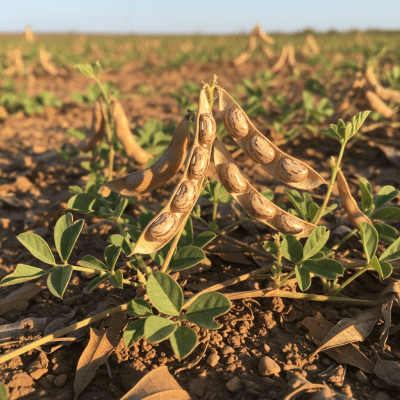
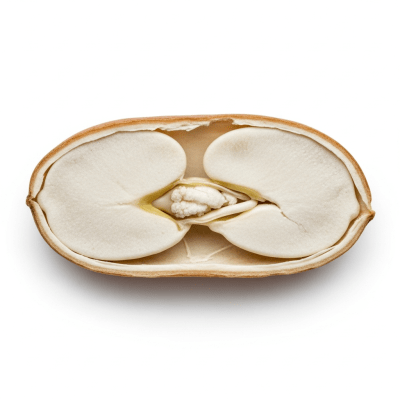
The tepary bean plant exhibits a semi-vining growth habit with slender, twining stems and trifoliate leaves. Its pods are narrow, measuring 5 to 10 centimeters in length, and contain small, oval seeds that vary in color from white and tan to brown and black.
Highly adapted to survive in arid conditions, the tepary bean thrives with minimal rainfall and tolerates high temperatures. It is cultivated mainly for its edible seeds, which are cooked into traditional stews and soups. Its drought tolerance and disease resistance make it a valuable crop in marginal environments.
Bring this kind into your world illustrated posters, mugs, and shirts.

Archival print, museum-grade paper
Buy Poster
Stoneware mug, dishwasher safe
Buy Mug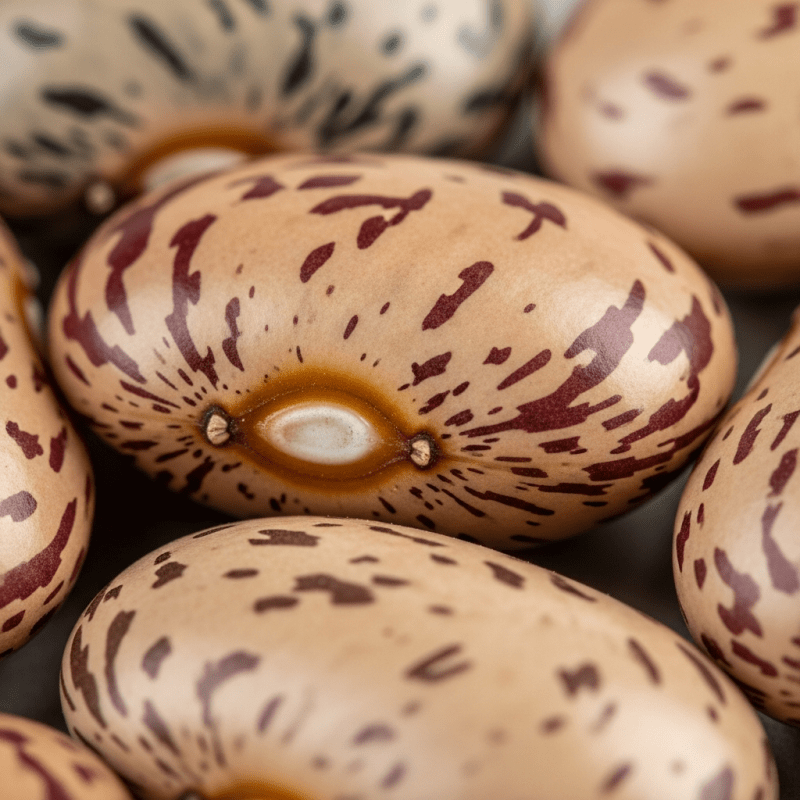
Soft cotton tee, unisex sizes
Buy ShirtIntegral to indigenous cultures of the Sonoran Desert, the tepary bean holds significance as a traditional food source and is known by various indigenous names such as "Pawi," "Escomite," and "Yori mui." It continues to be celebrated in regional cuisines and is gaining recognition in specialty food markets.
Tepary bean plants grow as semi-vining annuals with slender stems and trifoliate leaves. Their pods range from 5 to 10 centimeters long, each containing several small, oval seeds that come in white, tan, brown, or black hues. The plant exhibits strong drought tolerance and resistance to certain fungal pathogens, though it is susceptible to root rot in humid conditions. Seeds store well when dried, ensuring longevity comparable to other pulses.
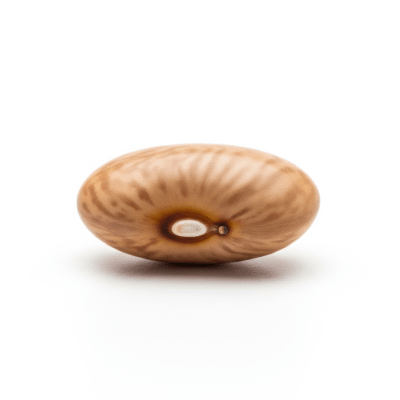
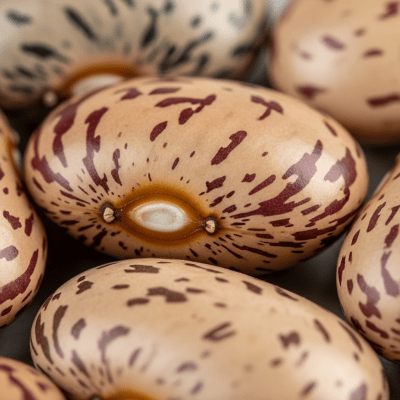
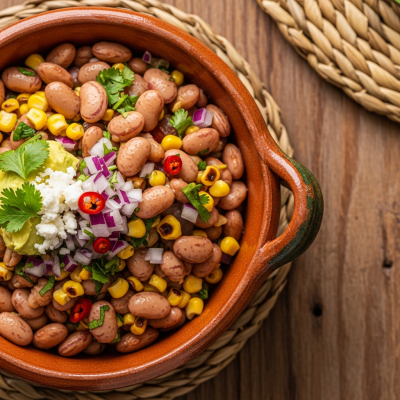
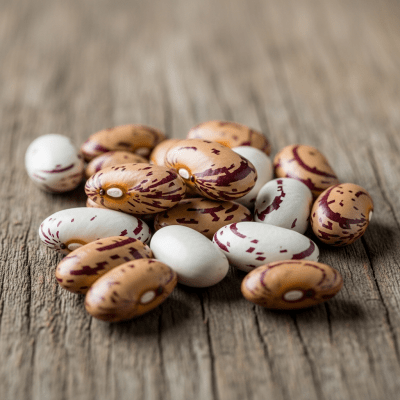
Consumed primarily in dried form, tepary beans are valued for their nutty flavor and firm texture. They feature in traditional southwestern U.S. and Mexican dishes such as stews and soups. Nutritionally, they offer high protein and fiber content with a low glycemic index, appealing to health-conscious consumers. While commercial availability remains limited, specialty producers in their native regions are expanding access to dried beans and related products.
While the tepary bean is largely maintained as landrace varieties, modern cultivars have been developed by the USDA and the University of Arizona in the late 20th century to improve adaptability and yield under drought conditions. Specific cultivar names are less commonly referenced, reflecting its traditional and regional cultivation history.
Tepary beans require well-drained soils and perform best in hot, dry environments with minimal irrigation. They can mature with as little as 250 mm of rainfall annually. Avoiding humid conditions is important to reduce susceptibility to root rot. Their semi-vining habit may benefit from support or trellising, though they can also be grown in bushier forms.
Dried tepary beans store effectively for long periods when kept in cool, dry conditions. Proper drying before storage is essential to maintain seed viability and prevent spoilage. Their shelf life is comparable to other dried pulses, making them suitable for long-term pantry storage.