White Bean
White bean is a collective term for several pale-seeded varieties of the common bean (Phaseolus vulgaris), prized worldwide for their mild flavor, creamy texture, and culinary versatility.
White bean is a collective term for several pale-seeded varieties of the common bean (Phaseolus vulgaris), prized worldwide for their mild flavor, creamy texture, and culinary versatility.
Originating from the domesticated common bean first cultivated thousands of years ago in Central and South America, white beans have been selectively bred in Europe and the Americas since the 16th century. Notable varieties include the navy bean developed in 19th-century United States, the Italian cannellini, the North American great northern, and the European marrow bean, each shaped by regional agricultural traditions.
White beans belong to the Fabaceae family, genus Phaseolus, species vulgaris. They are part of a broader group of edible legumes commonly called beans, which encompass numerous varieties cultivated for food worldwide.
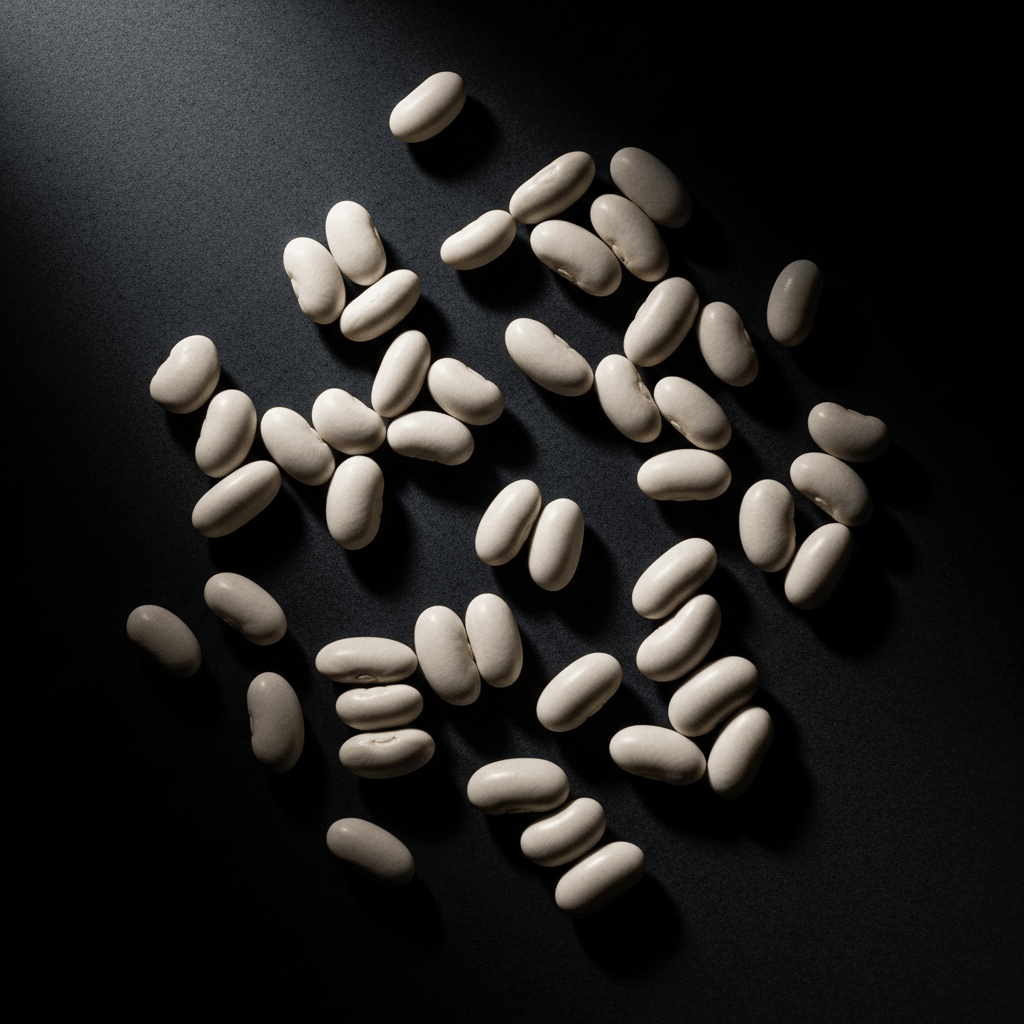
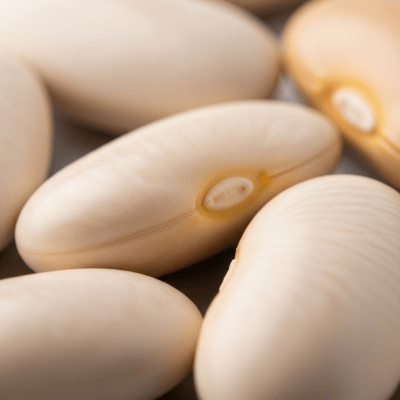
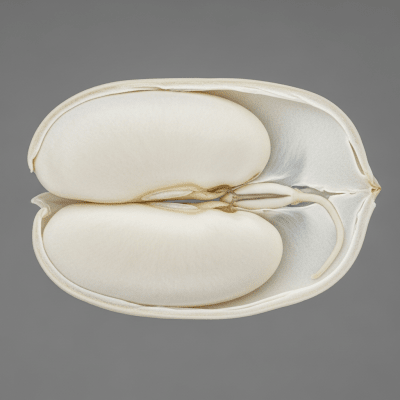
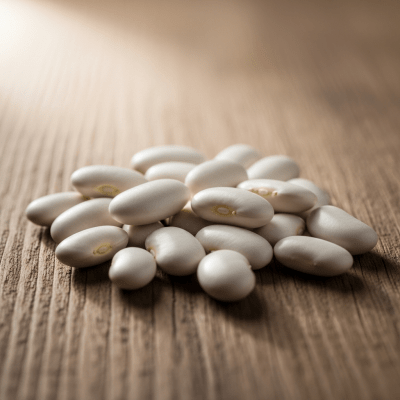
These beans typically present small to medium seeds that range from oval to kidney-shaped, with coats in shades of white or cream. Their smooth, pale appearance distinguishes them among common bean varieties.
White beans function primarily as a nutritious food source, valued for their mild taste and creamy texture. They are versatile in cooking, used in soups, stews, salads, baked dishes, and purees, adapting well to various culinary traditions and preparations.
Bring this kind into your world illustrated posters, mugs, and shirts.

Archival print, museum-grade paper
Buy Poster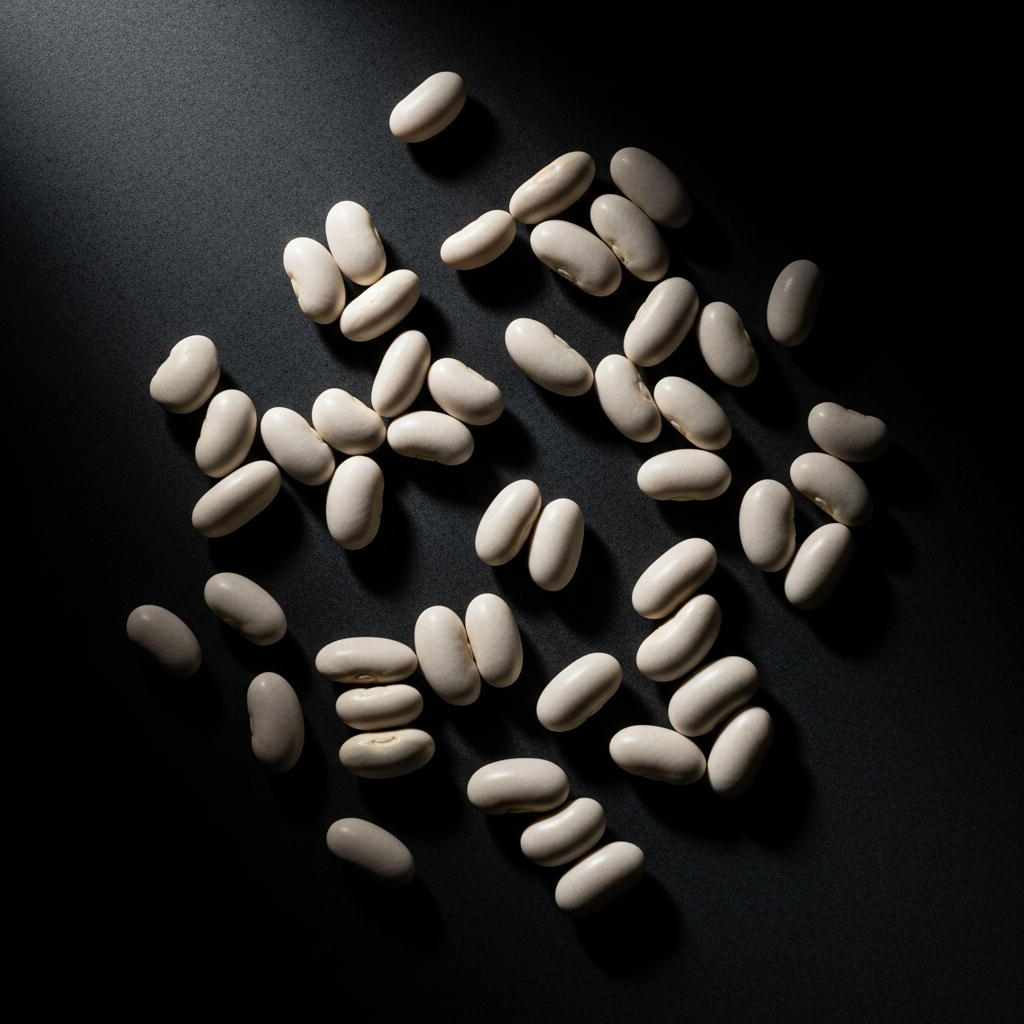
Stoneware mug, dishwasher safe
Buy Mug
Soft cotton tee, unisex sizes
Buy ShirtWhite beans hold an important place in many cultures, featuring prominently in traditional dishes such as Italian minestrone, American baked beans, and various European stews. Their presence in regional cuisines reflects agricultural heritage and dietary preferences, especially in vegetarian and vegan diets.
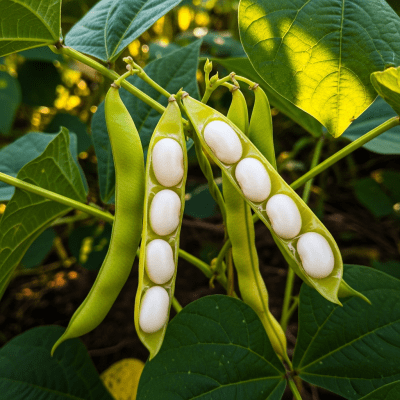
White bean plants are annual legumes with compound leaves and pale flowers. Seeds range from oval to kidney-shaped with white or cream coats. Growth duration varies by variety, generally maturing within 85 to 110 days. While growth habit can be bush or pole type depending on the cultivar, disease resistance is notable in some lines against mosaic virus, anthracnose, and bacterial blight. Properly dried seeds store well, preserving viability and quality for up to two years.

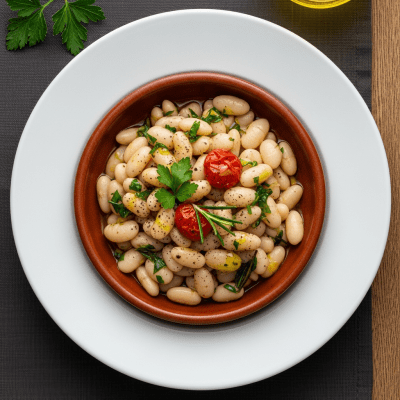
White beans are widely consumed dried, canned, or occasionally fresh. They feature in a variety of dishes such as baked beans, soups, purees, Italian minestrone, salads, casseroles, and traditional European recipes. Valued for their mild flavor and creamy texture, they provide high protein and fiber with low fat content, making them a dietary staple in vegetarian and vegan cuisines. These beans are readily available in retail and wholesale markets worldwide.
Recognized cultivars of white beans include navy bean, cannellini, great northern, and marrow bean. While specific breeder information and release dates are largely undocumented, these varieties reflect centuries of regional selection and breeding efforts across Europe and the Americas.
White beans thrive best in well-drained soils with moderate moisture. Bush varieties are suited for mechanical harvesting, while pole types may require support. Optimal growth occurs within typical temperate climates, with attention to disease management essential to prevent mosaic virus, anthracnose, and bacterial blight. Crop rotation and resistant cultivars help maintain plant health and yield.
For best preservation, white beans should be thoroughly dried and stored in cool, dry, and airtight conditions to prevent moisture and pest damage. Under such conditions, seeds can maintain quality and viability for one to two years, ensuring readiness for cooking or planting.