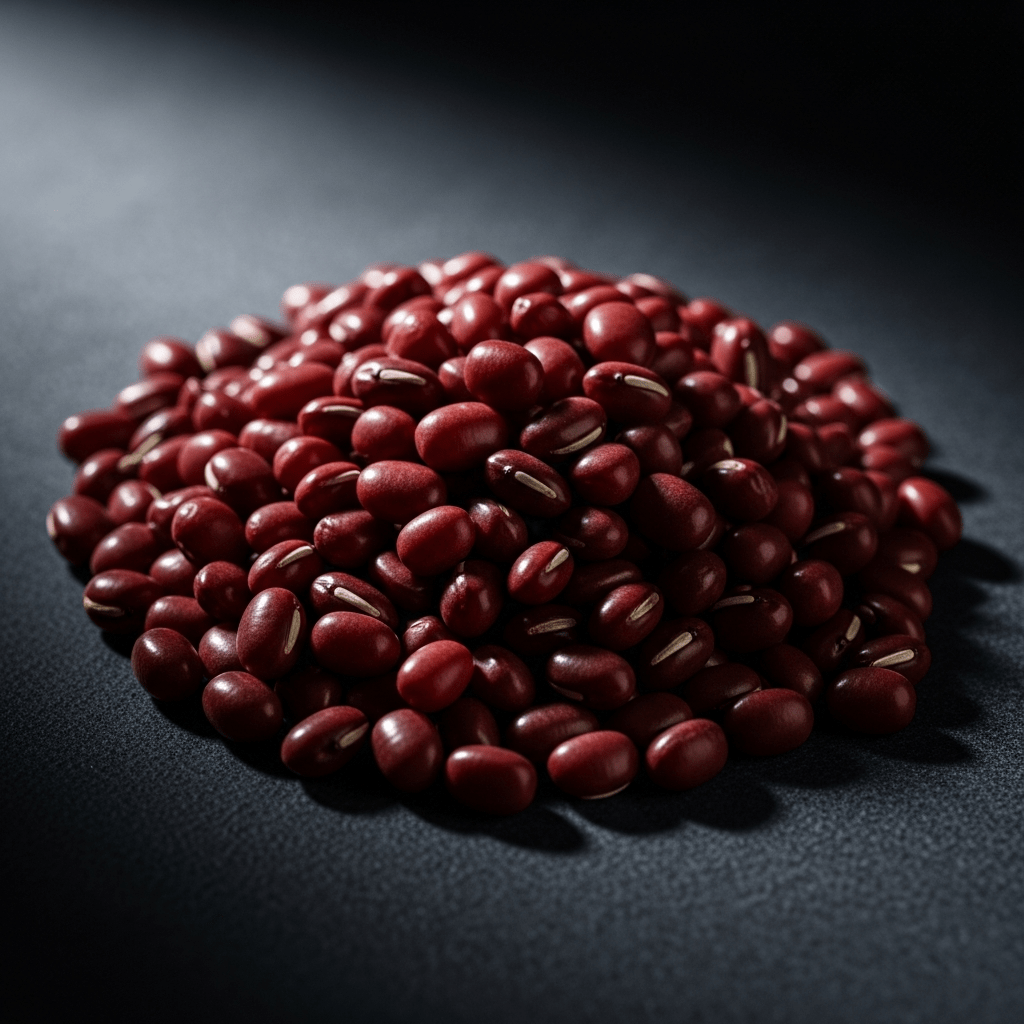
Adzuki Bean
The adzuki bean (Vigna angularis) is a small, oval, red legume prized across East Asia for its sweet flavor and versatility in both savory and confectionery dishes.
The adzuki bean (Vigna angularis) is a small, oval, red legume prized across East Asia for its sweet flavor and versatility in both savory and confectionery dishes.
Originating in East Asia, the adzuki bean was domesticated around 3000 BCE, with archaeological evidence tracing its cultivation back to ancient China. Over millennia, it has been refined through traditional and modern breeding programs in Japan, China, and Korea, notably at the National Agriculture and Food Research Organization (NARO) and the Chinese Academy of Agricultural Sciences.
Belonging to the Fabaceae family, the adzuki bean is classified botanically as Vigna angularis. It is a distinct species within the genus Vigna, separate from common beans (Phaseolus genus), and is part of the broader group of edible legumes known as beans or pulses.
Adzuki beans are small, oval seeds typically measuring between 5 and 9 millimeters in length. Their seed coat colors vary from bright red to white, black, and mottled patterns. The plants themselves are bushy annuals, growing 30 to 90 centimeters tall, with trifoliate leaves and slender pods ranging from 5 to 13 centimeters, each containing 6 to 12 seeds.
Renowned for their rapid cooking time and digestibility, adzuki beans are widely used in both sweet and savory culinary contexts. They function as a staple ingredient in East Asian cuisines, transforming into red bean paste for confections or cooked whole in soups, rice dishes, and salads. Agriculturally, they thrive in well-drained soils and show moderate drought tolerance, making them adaptable to varied growing conditions.
Bring this kind into your world illustrated posters, mugs, and shirts.
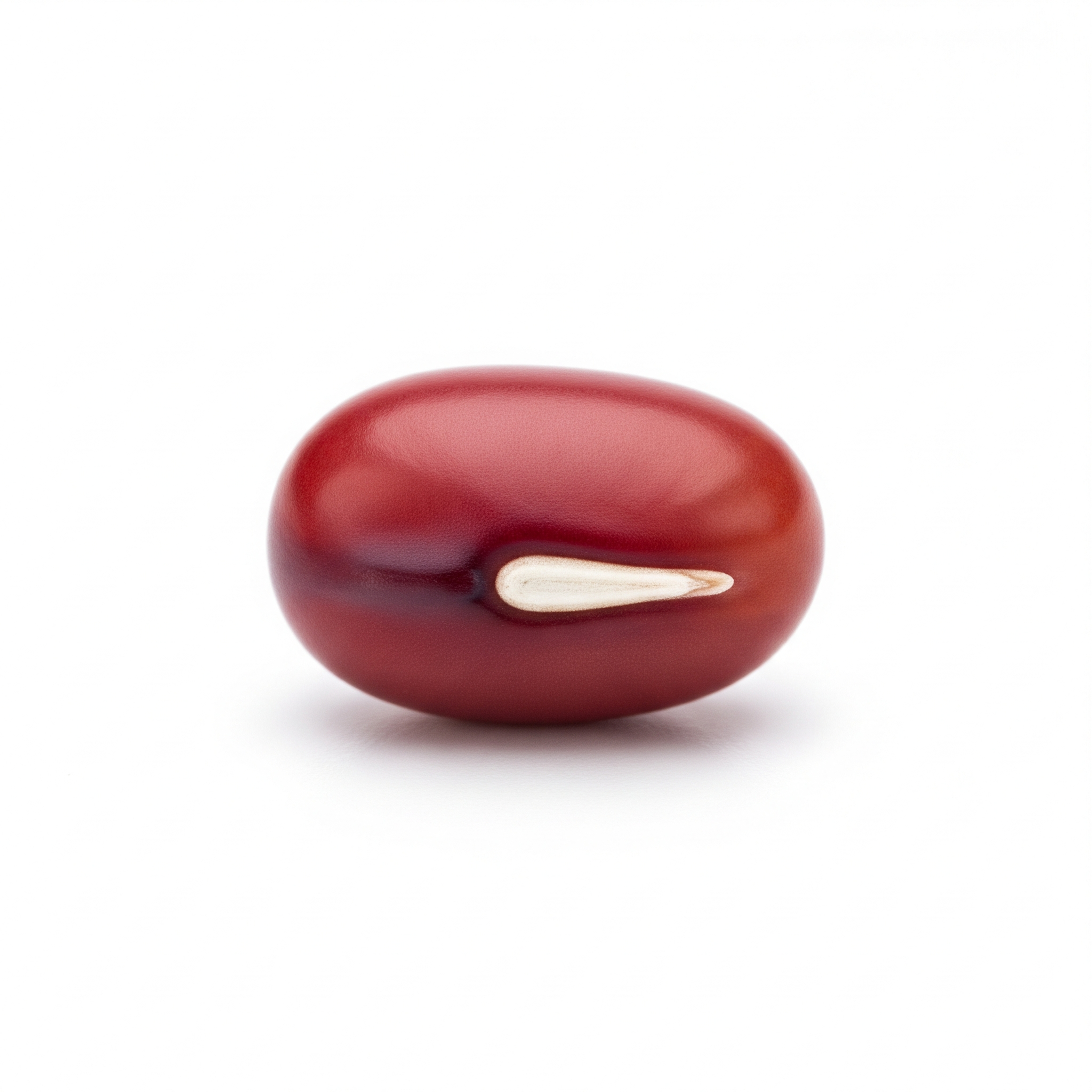
Archival print, museum-grade paper
Buy Poster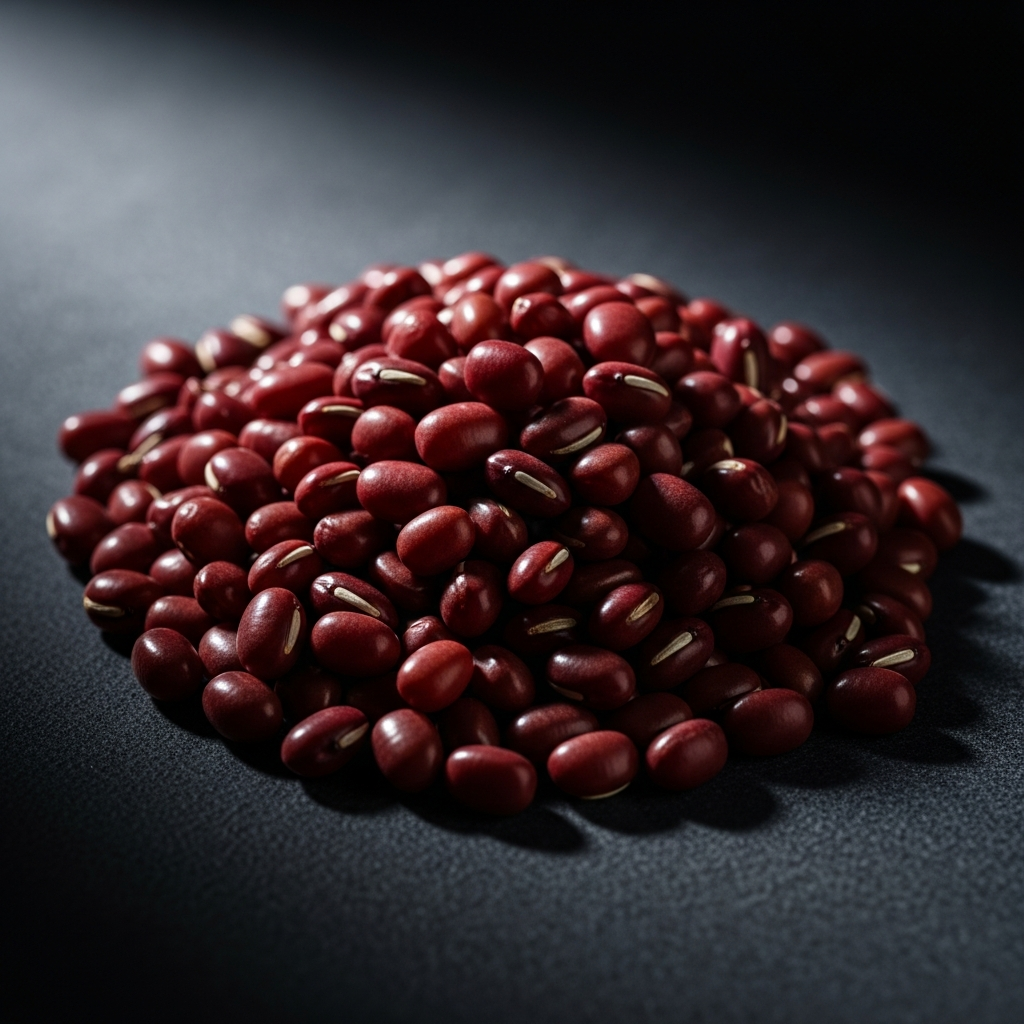
Stoneware mug, dishwasher safe
Buy Mug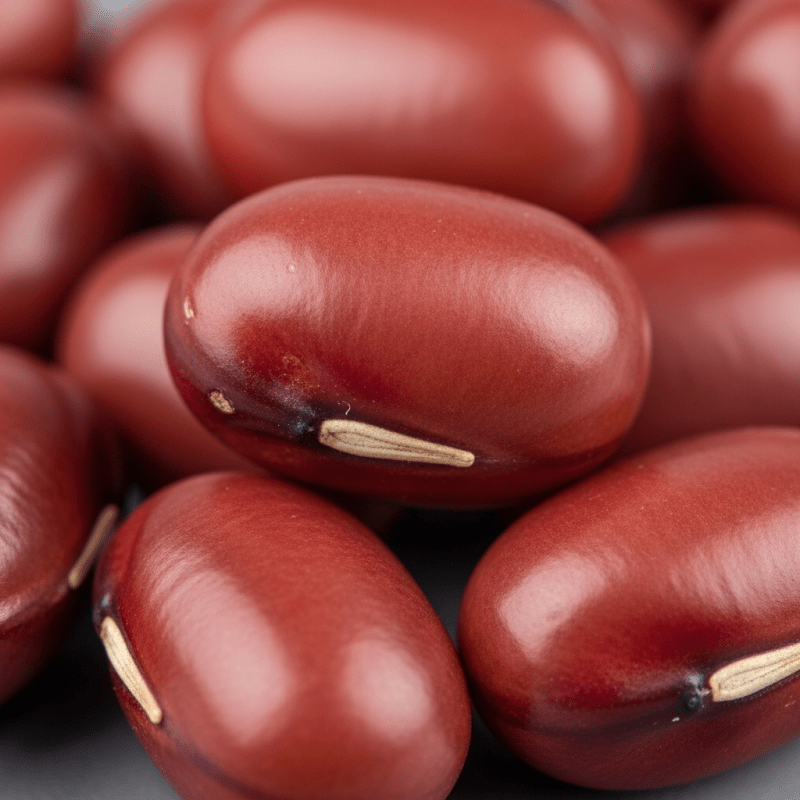
Soft cotton tee, unisex sizes
Buy ShirtAdzuki beans hold a cherished place in East Asian culture, especially in Japan, China, and Korea, where they are integral to traditional sweets like wagashi and mooncakes, as well as festive dishes such as Korean patbingsu. Their sweet flavor and symbolic red color often associate them with good fortune and celebration in art and culinary traditions.
Adzuki bean plants exhibit a bush growth habit, reaching heights between 30 and 90 centimeters. Their pods are slender and measure 5 to 13 centimeters, containing 6 to 12 oval seeds each. Seeds range from 0.5 to 0.9 centimeters in size and appear in red, white, black, or mottled colors. The crop matures within 90 to 120 days and shows moderate drought tolerance. While resistant to some soil-borne pathogens, adzuki beans are vulnerable to mosaic viruses and bruchid beetles. Properly dried seeds store well with minimal spoilage risk.
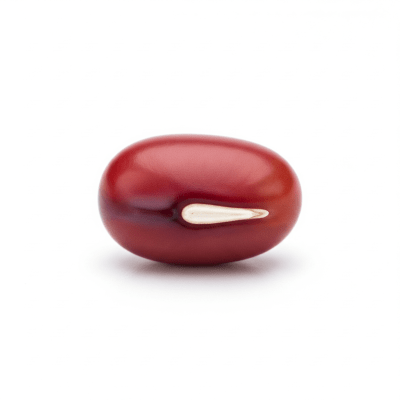
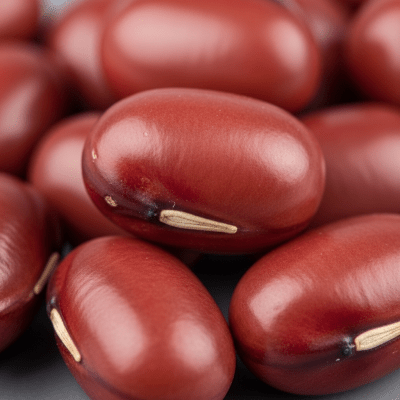
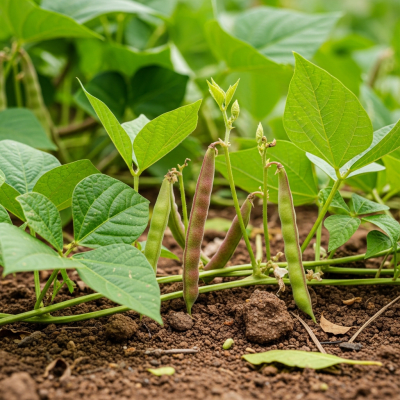
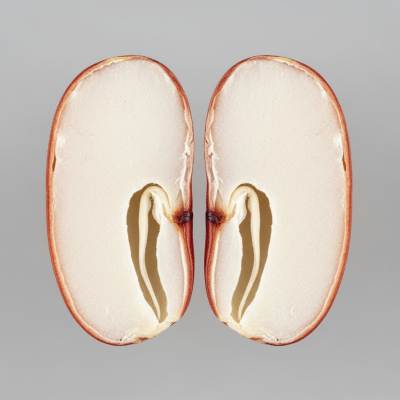
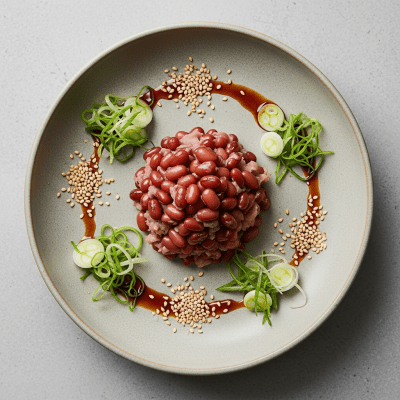
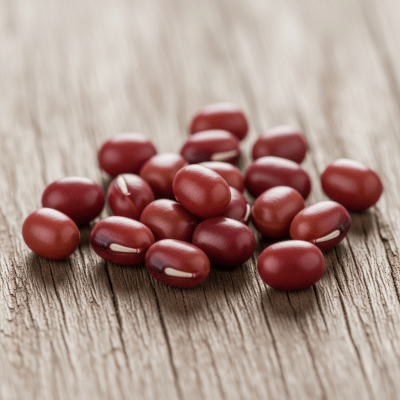
Adzuki beans are commonly available dried, canned, or fermented, and are prized for their sweet flavor and rapid cooking. They are essential in traditional dishes such as red bean paste (anko), wagashi sweets, mooncakes, and Korean patbingsu. Nutritionally, they provide a good source of protein and fiber, though specific values vary by cultivar. Commercially, they are significant in markets across China, Japan, North America, and Europe, especially within specialty and health food sectors.
Among the recognized cultivars of adzuki bean is 'Erimo,' developed through breeding programs at institutions like Japan's National Agriculture and Food Research Organization (NARO) and the Chinese Academy of Agricultural Sciences. These efforts aim to enhance yield, disease resistance, and adaptability, although the species itself is not a hybrid and has ancient origins.
Adzuki beans thrive in well-drained soils with moderate moisture and prefer a warm growing season lasting 90 to 120 days. They exhibit moderate drought tolerance but benefit from consistent watering during pod development. Planting in full sun and maintaining good soil aeration helps reduce disease risk. Crop rotation and pest management are recommended to mitigate mosaic viruses and bruchid beetle infestations.
Dried adzuki beans store best in cool, dry conditions within airtight containers to prevent moisture and pest damage. Under proper storage, they maintain quality and viability for extended periods with minimal risk of spoilage. Avoid exposure to humidity and direct sunlight to preserve flavor and seed integrity.