Red Bean
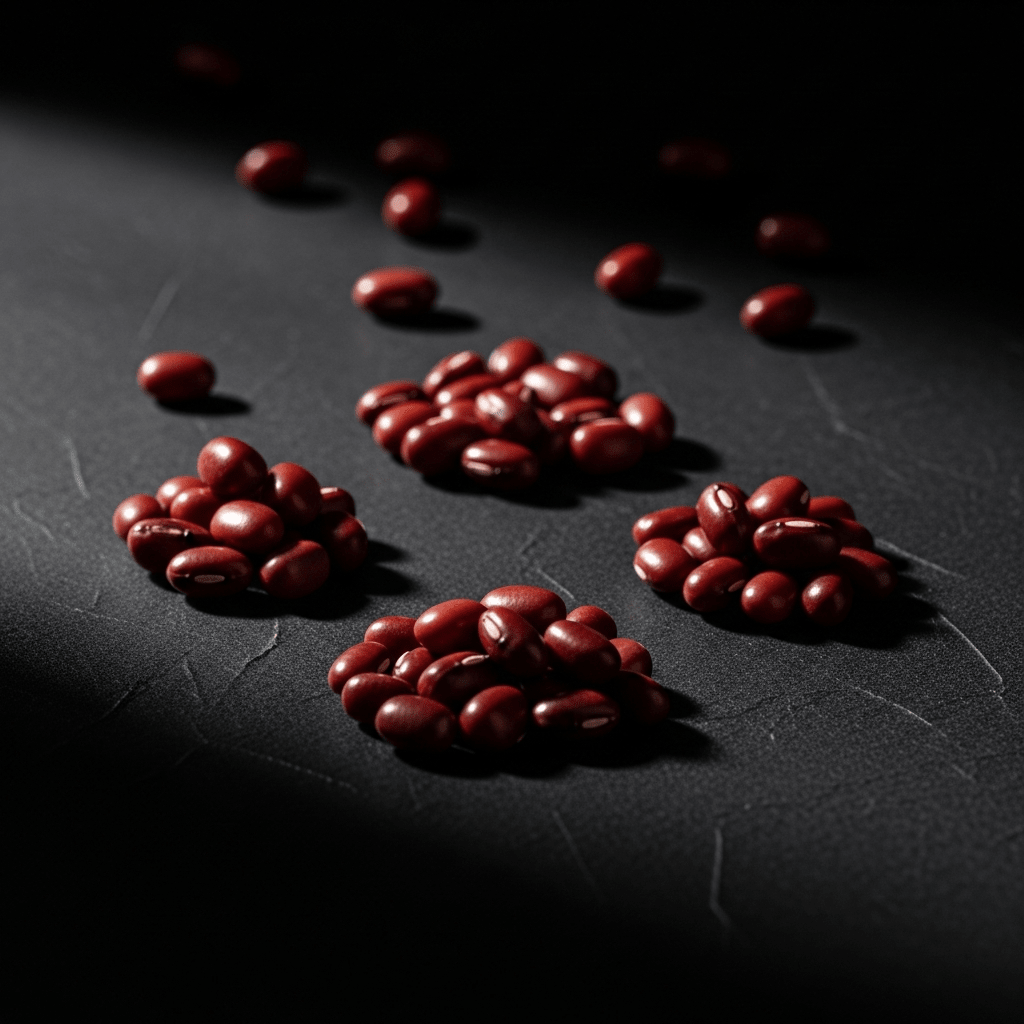
Red bean refers primarily to small, deep red seeds of Phaseolus vulgaris, valued worldwide for their vibrant color, mild flavor, and versatility in both savory and sweet culinary traditions.
Red bean refers primarily to small, deep red seeds of Phaseolus vulgaris, valued worldwide for their vibrant color, mild flavor, and versatility in both savory and sweet culinary traditions.
Originating in Central and South America, red beans have been cultivated for at least 7,000 years as part of a diverse landrace group with many regional cultivars. In East Asia, the term "red bean" often denotes the adzuki bean (Vigna angularis), domesticated independently in China and Japan.
Red beans belong to the Fabaceae family, within the genus Phaseolus and species vulgaris. They are part of a broad group of edible legumes commonly called beans or pulses, distinct from related species like soybeans or peas.
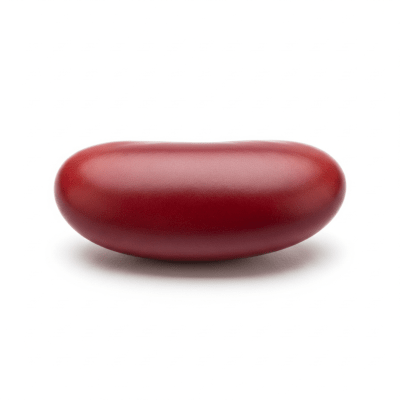
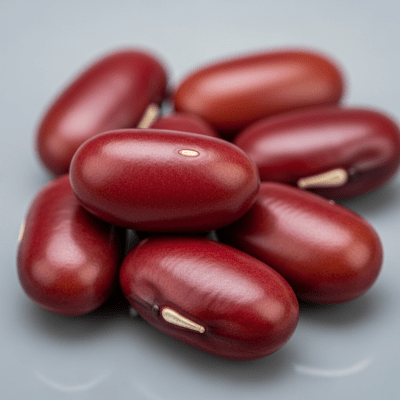
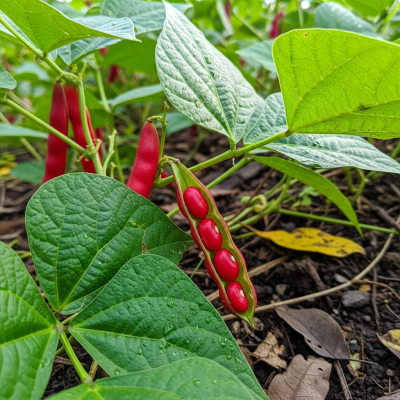
These beans are typically small to medium in size, oval-shaped, and exhibit a deep red seed coat. The plants produce pods containing four to six seeds, with a smooth, glossy surface that highlights their rich color.
Red beans serve as a staple food ingredient, prized for their adaptability in dishes ranging from hearty stews and rice combinations to sweet pastes in East Asian desserts. They are consumed dried, canned, or fresh, offering a reliable source of protein and fiber in many diets worldwide.
Bring this kind into your world illustrated posters, mugs, and shirts.
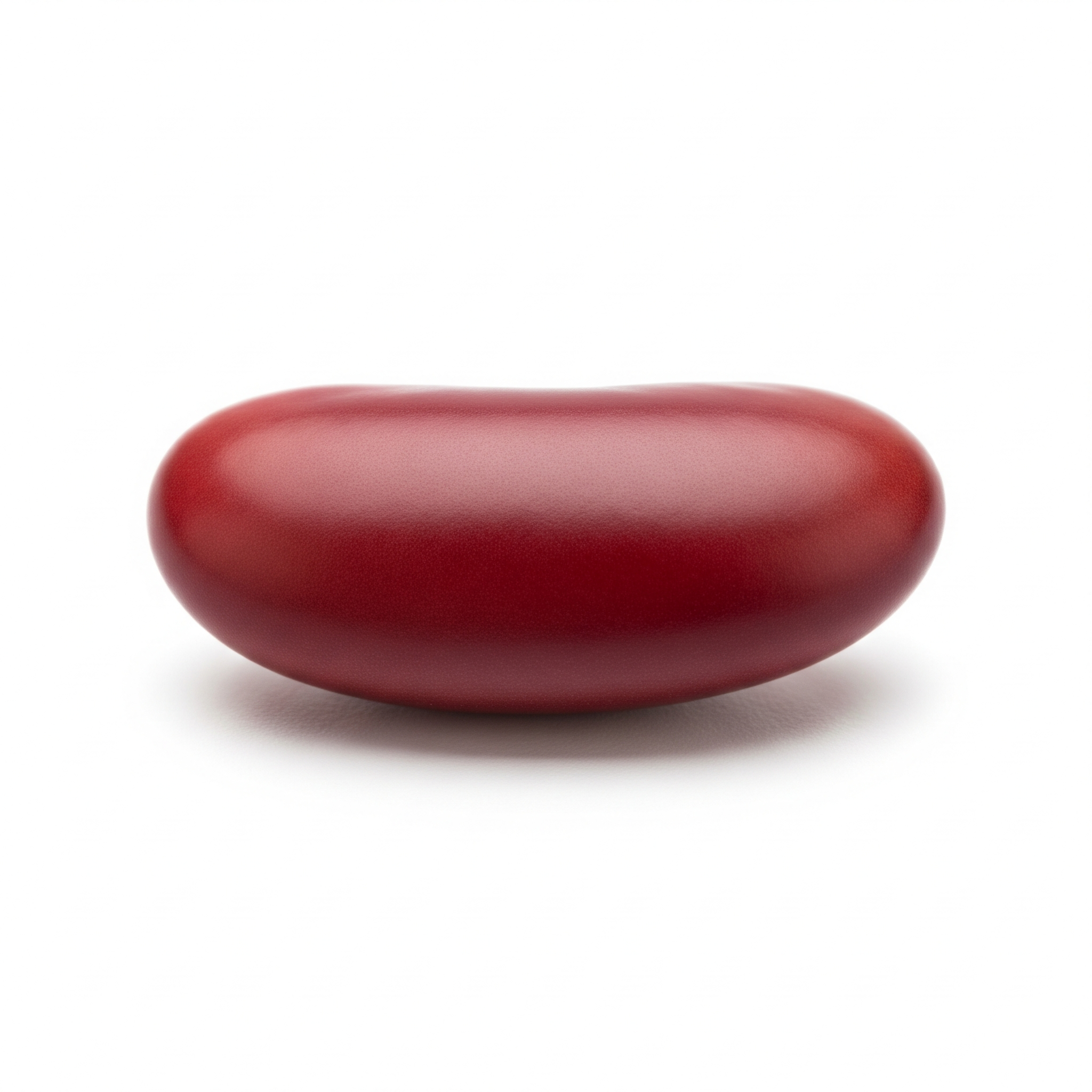
Archival print, museum-grade paper
Buy Poster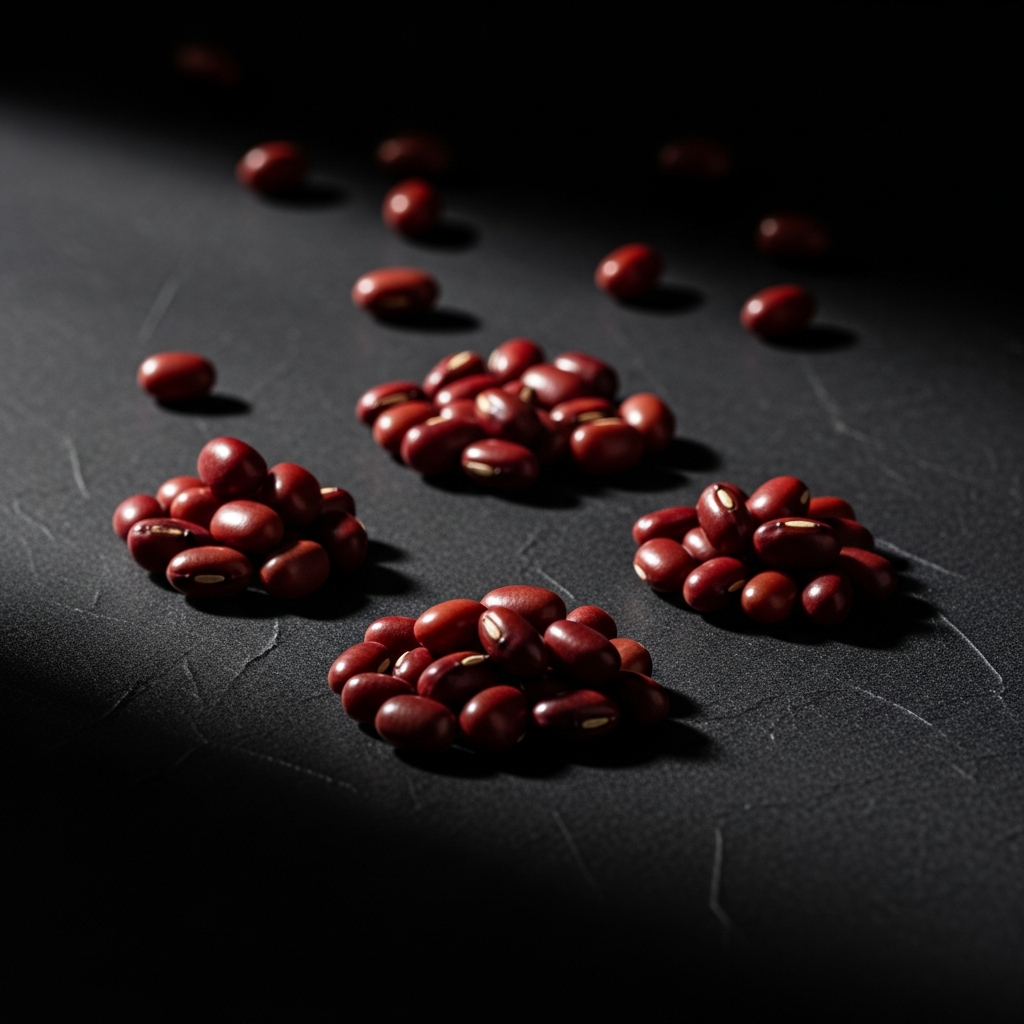
Stoneware mug, dishwasher safe
Buy Mug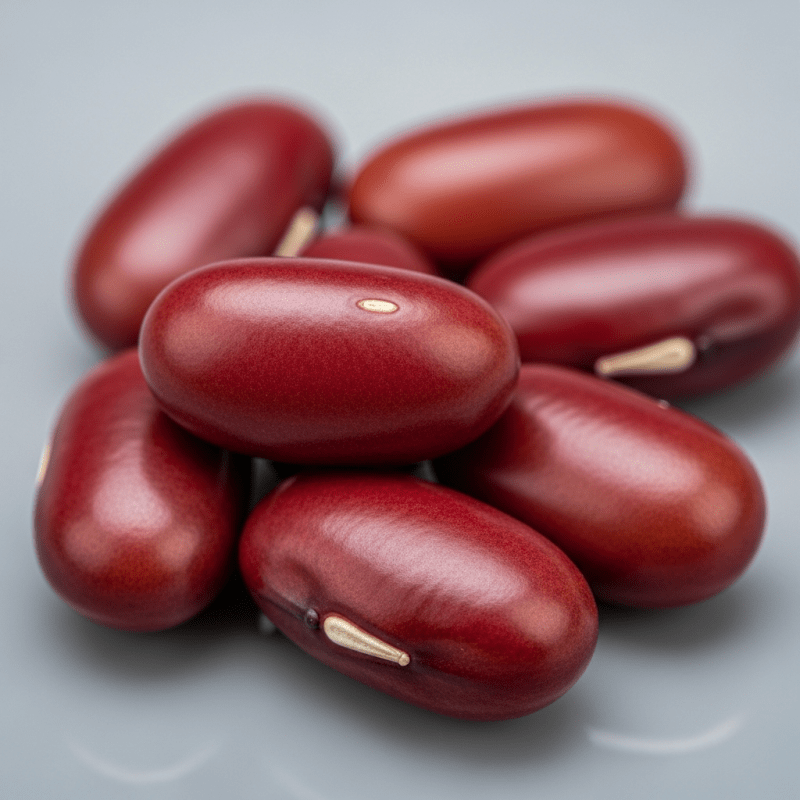
Soft cotton tee, unisex sizes
Buy ShirtRed beans hold cultural importance across continents: in Latin America and the Caribbean, they are central to traditional meals like red beans and rice, symbolizing sustenance and community. In East Asia, adzuki beans are celebrated in sweets and festivals, often representing good fortune and celebration.
Red bean plants produce annual crops with pods containing four to six oval-shaped, deep red seeds. They thrive best in warm temperatures ranging from 18 to 24°C and mature within 90 to 120 days. Disease resistance varies by cultivar but commonly includes protection against anthracnose and bean rust. While moderately drought tolerant, these plants require attentive pest management to prevent bruchid beetle damage during seed storage.
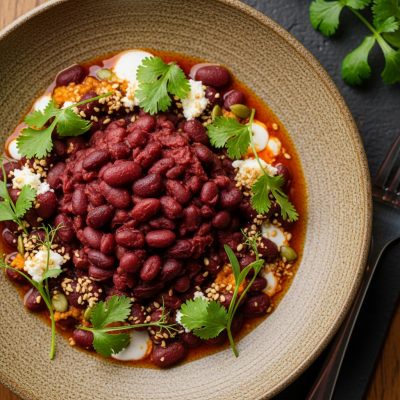
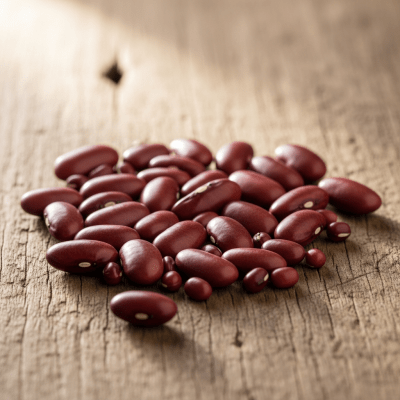
Red beans are widely consumed in dried, canned, and fresh forms. They are staples in Latin American, Caribbean, and Southern U.S. cuisines, featuring prominently in dishes such as red beans and rice, stews, soups, and salads. In East Asia, the adzuki bean variant is often processed into sweet pastes for desserts. Nutritionally, red beans provide valuable protein, dietary fiber, and essential micronutrients, supporting vegetarian and omnivorous diets alike. Commercially, they are significant in markets across Latin America, the Caribbean, the Southern United States, East Asia, and globally.
Red beans represent a landrace group with numerous cultivars developed regionally over centuries. There is no single breeder or institution credited with their origin, reflecting their deep-rooted history and widespread cultivation. Specific cultivar names and formal breeding records are limited or regionally varied.
For successful cultivation, red beans require warm growing conditions between 18 and 24°C and well-drained soil. They can be grown as bush or pole varieties and typically mature within three to four months. Moderate drought tolerance allows for some flexibility in watering, but consistent moisture supports optimal yields. Crop rotation and vigilant pest management help prevent diseases like anthracnose and bean rust, while careful seed storage reduces bruchid beetle infestations.
Dried red beans store effectively under cool, dry conditions but are susceptible to infestation by bruchid beetles if not properly protected. Airtight containers and low humidity environments extend seed longevity. Fresh beans should be refrigerated and used promptly, while canned forms offer convenient long-term storage without refrigeration.