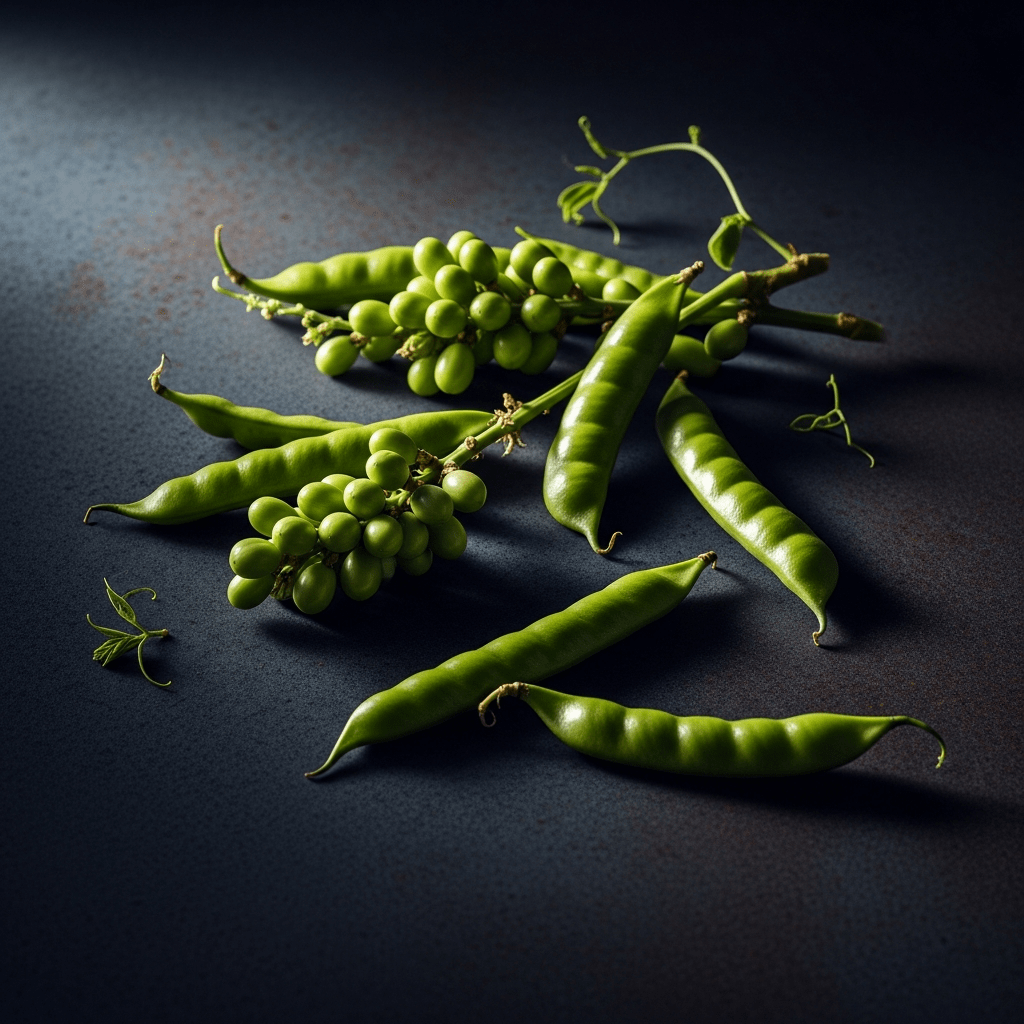
Cluster Bean
The cluster bean (Cyamopsis tetragonoloba), also known as guar bean, is a drought-tolerant annual legume prized for its edible pods and seeds, as well as its valuable industrial gum.
The cluster bean (Cyamopsis tetragonoloba), also known as guar bean, is a drought-tolerant annual legume prized for its edible pods and seeds, as well as its valuable industrial gum.
Native to South Asia, particularly India and Pakistan, the cluster bean has been cultivated since at least the 19th century. It likely originated from wild relatives in Africa but was domesticated and diversified primarily in the Indian subcontinent. Modern varieties arise from traditional landraces without a single credited breeder or institution.
Belonging to the Fabaceae family, the cluster bean is classified botanically as Cyamopsis tetragonoloba. It is part of the legume group, which includes many edible beans, and is distinct for its industrial and culinary uses.
The cluster bean plant is a bushy annual growing between 1 and 2 meters tall. It features trifoliate leaves and slender pods measuring 5 to 10 centimeters long. Each pod contains 5 to 12 small, oval-shaped seeds, typically pale in color.
Adapted to semi-arid and sandy soils, cluster bean thrives under drought and heat stress. It matures within 60 to 90 days and serves multiple roles: its pods are consumed fresh or dried as a vegetable, while its seeds are processed to extract guar gum, a thickening agent widely used in food, pharmaceuticals, and oil drilling. Additionally, the plant is valued as green manure and fodder.
Bring this kind into your world illustrated posters, mugs, and shirts.
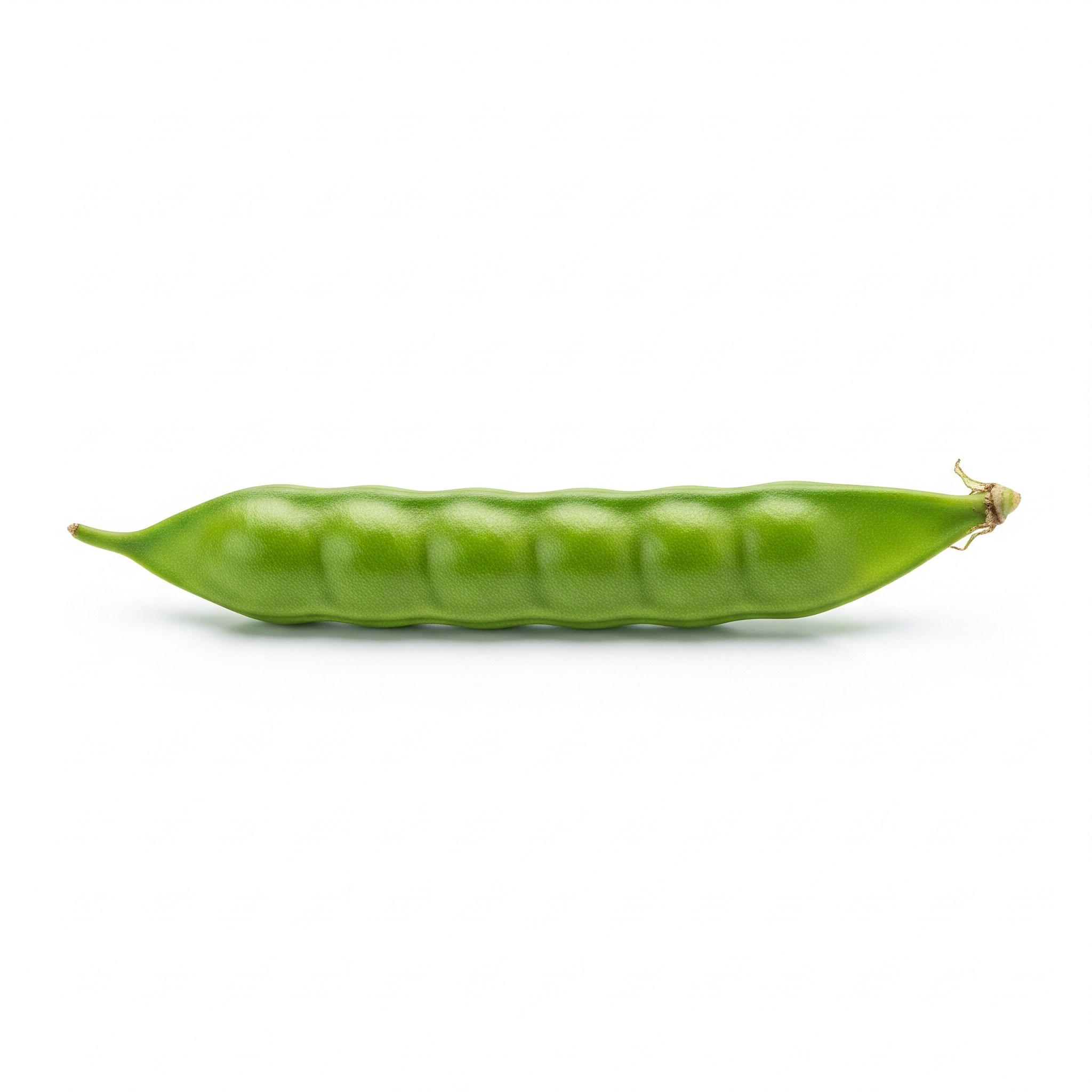
Archival print, museum-grade paper
Buy Poster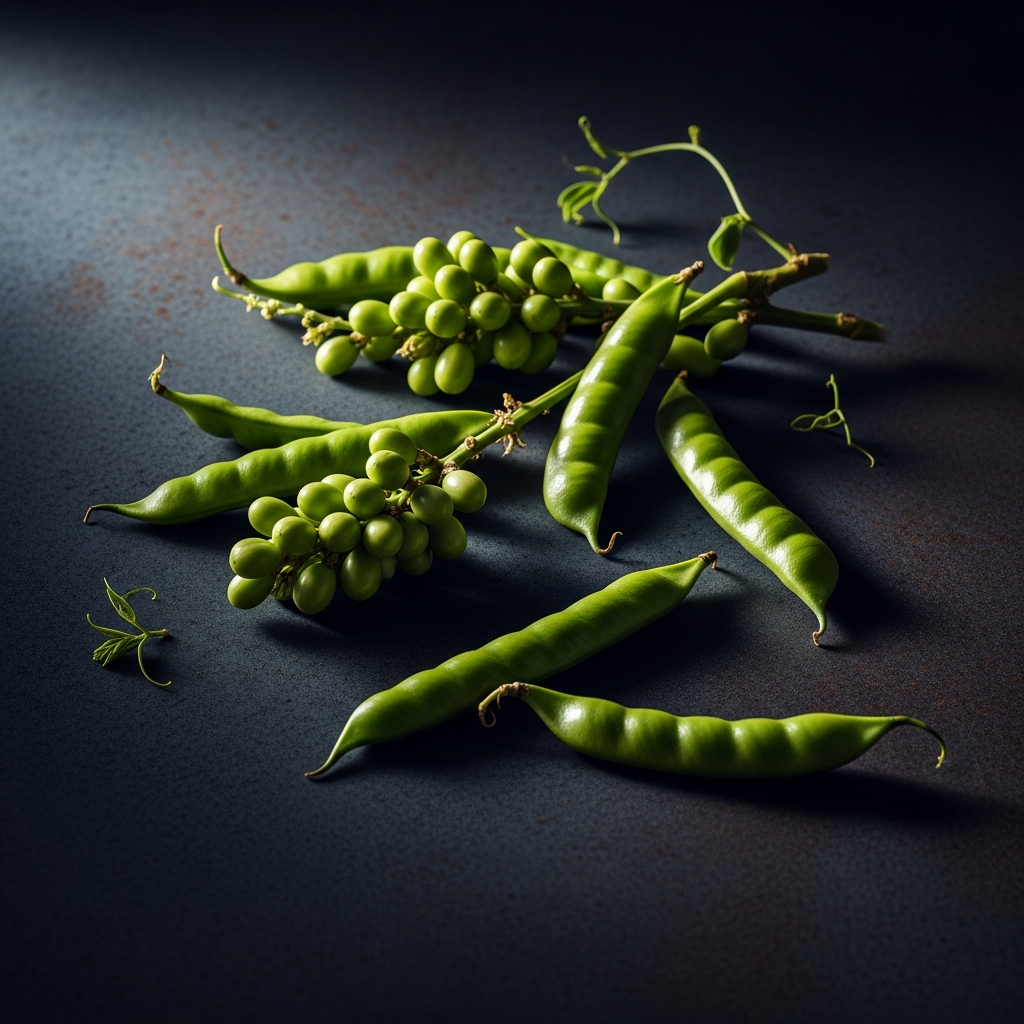
Stoneware mug, dishwasher safe
Buy Mug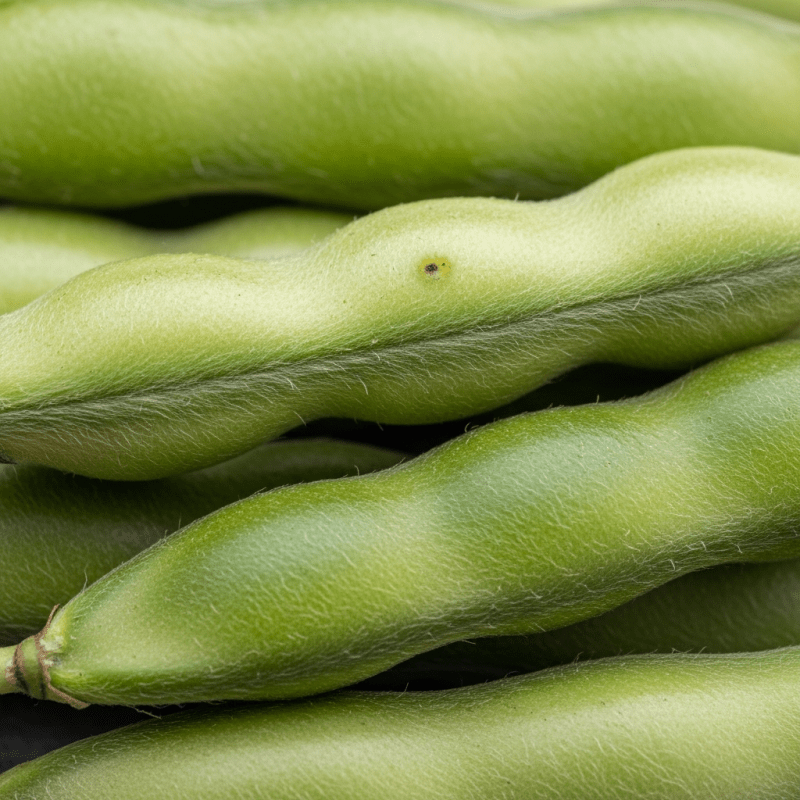
Soft cotton tee, unisex sizes
Buy ShirtIn South Asian culture, cluster bean pods are a staple vegetable, especially in regions like Rajasthan, Gujarat, Punjab, and Sindh. Known locally as "gavar" or "guwar," the bean features in traditional cuisines and agricultural practices, symbolizing resilience in arid farming communities.
Cluster bean exhibits a bushy growth habit, reaching 100 to 200 centimeters in height. Pods are slender and 5 to 10 centimeters long, each containing 5 to 12 oval seeds. The plant matures in 60 to 90 days and shows notable heat and drought tolerance. While susceptible to fungal diseases in humid conditions, it thrives in sandy, low-water soils common to its native range.
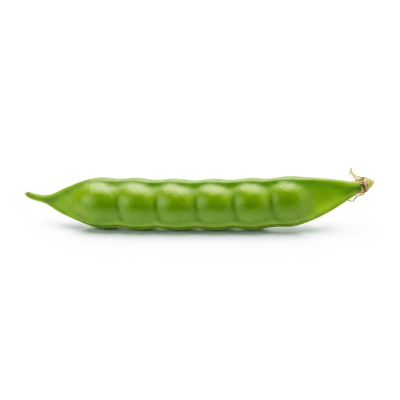
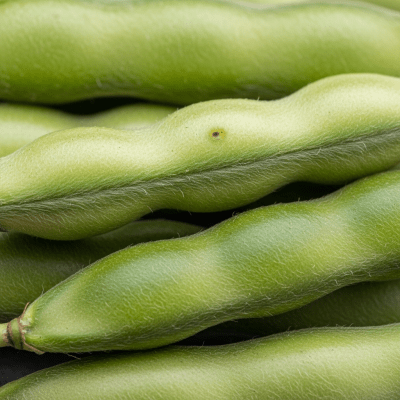
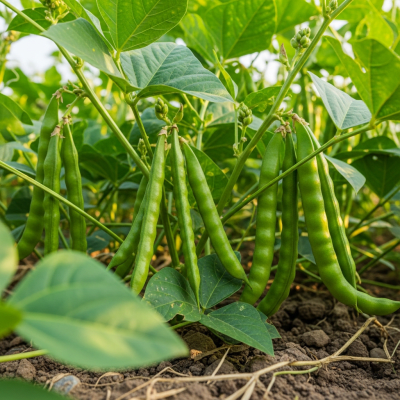
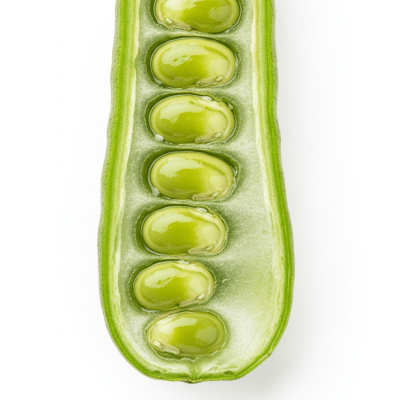

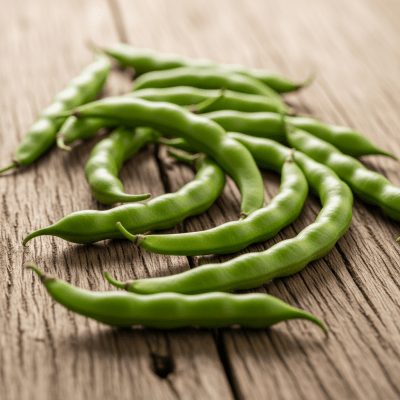
Cluster bean pods are eaten as a vegetable, either fresh or dried, and are integral to South Asian dishes. The seeds are commercially processed to produce guar gum, a valuable additive in food, pharmaceuticals, and oil extraction. India and Pakistan dominate the market for both culinary and industrial uses.
No specific cultivars or breeding institutions are widely recognized for cluster bean; most modern varieties derive from traditional landraces selected over time for improved traits.
Cluster bean grows best in sandy, well-drained soils under warm, arid conditions. It requires minimal irrigation due to its drought tolerance and matures quickly within two to three months. Avoid humid environments to reduce fungal disease risk, and consider crop rotation or intercropping to maintain soil health.
Fresh cluster bean pods should be stored in cool, dry conditions and consumed promptly to retain quality. Dried pods and seeds can be kept in airtight containers away from moisture to preserve shelf life. Seeds intended for guar gum extraction should be stored under controlled conditions to maintain gum quality.