Pink Bean
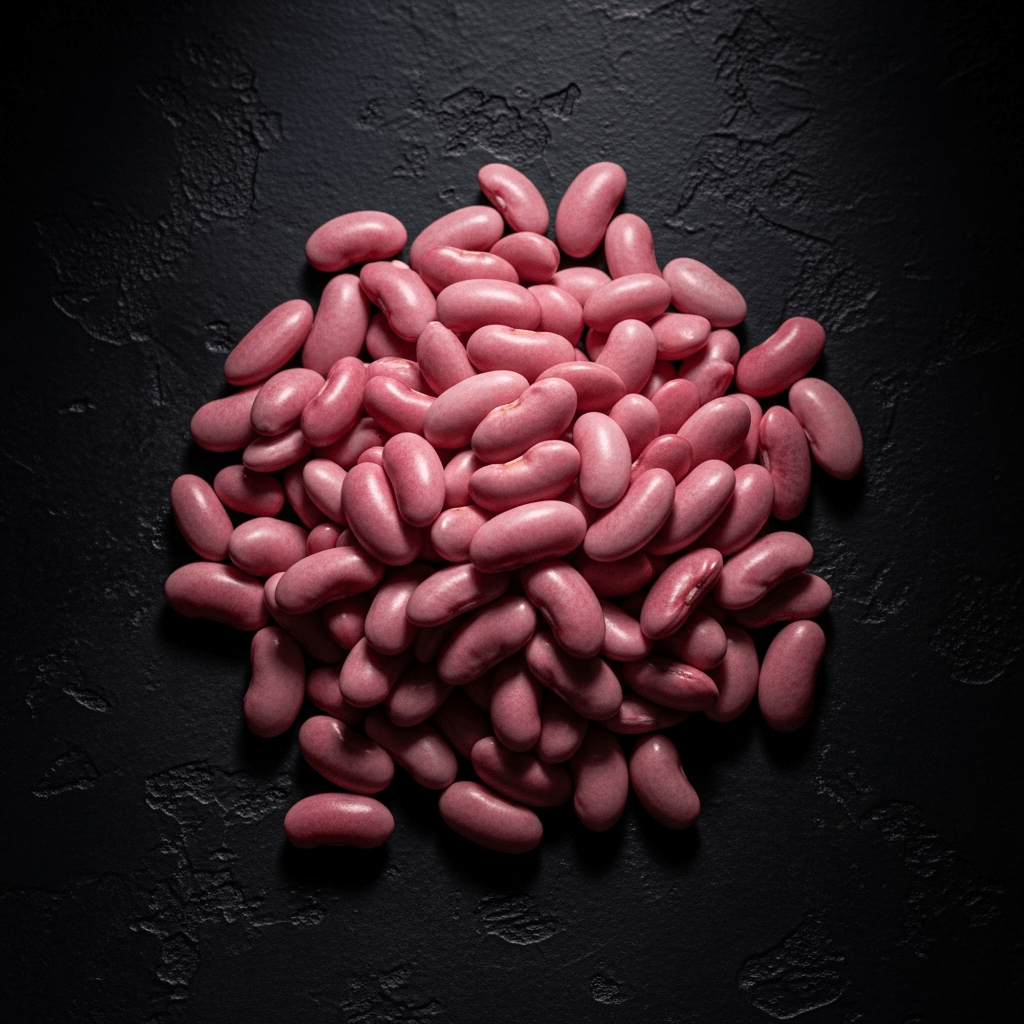
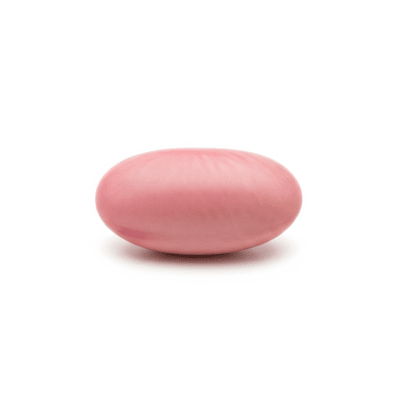
The Pink Bean is a medium-sized, oval-shaped variety of Phaseolus vulgaris known for its smooth, pale pink to rose-colored seed coat and valued for its creamy texture and mild flavor.
The Pink Bean is a medium-sized, oval-shaped variety of Phaseolus vulgaris known for its smooth, pale pink to rose-colored seed coat and valued for its creamy texture and mild flavor.
Originating as a landrace within Phaseolus vulgaris, the Pink Bean traces its roots to Central and South America, with cultivation spreading through the Caribbean and the Southwestern United States. While no single breeder is credited for its original development, the commercial cultivar ‘California Pink’ was developed in California during the mid-20th century, reflecting its adaptation and selection in diverse growing regions.
Pink Bean belongs to the Fabaceae family, genus Phaseolus, and species vulgaris, placing it among the common beans widely cultivated worldwide. It is classified as a bush-type bean within the broader group of edible legumes known for their nutritional and agricultural importance.
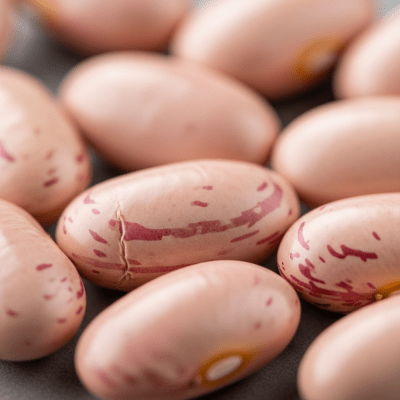
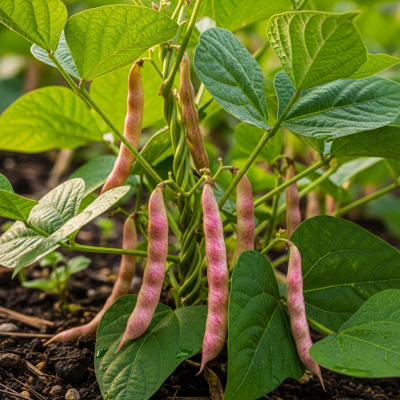
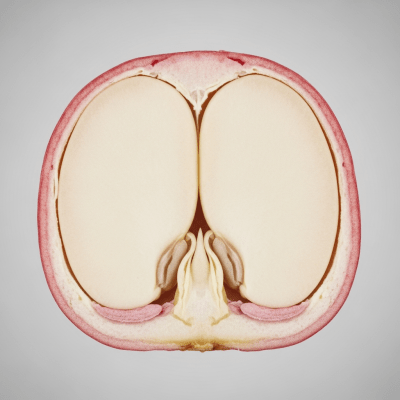
Pink Beans are characterized by their medium size, typically ranging from 0.5 to 1.0 centimeters in length, with an oval to oblong shape. Their seed coat displays a smooth texture in pale pink to rose hues. The plants are generally bush-type with slender pods measuring 8 to 12 centimeters long, each containing four to six seeds.
Primarily grown as an annual crop, Pink Beans mature within 85 to 100 days and exhibit moderate drought tolerance. They are susceptible to common diseases like bean mosaic virus and anthracnose, though improved cultivars may offer resistance. Their seeds store well when dried, maintaining quality and resisting post-harvest pests if properly handled.
Bring this kind into your world illustrated posters, mugs, and shirts.
Archival print, museum-grade paper
Buy Poster
Stoneware mug, dishwasher safe
Buy Mug
Soft cotton tee, unisex sizes
Buy ShirtPink Beans hold a cherished place in Caribbean, Latin American, and Southwestern U.S. cuisines, featuring prominently in traditional dishes such as Puerto Rican habichuelas rosadas, Mexican frijoles, and Southwestern chili recipes. Their culinary versatility and cultural presence underscore their importance in regional food heritage.
Pink Bean plants are generally bush-type (determinate) annuals with slender pods measuring 8 to 12 centimeters in length, each containing four to six oval to oblong seeds. Seeds range from 0.5 to 1.0 centimeters and display a smooth, pale pink to rose-colored coat. The plants mature in approximately 85 to 100 days and show moderate drought tolerance. While susceptible to bean mosaic virus and anthracnose, improved cultivars may provide resistance. Seeds store well when dried, with low susceptibility to post-harvest pests under proper conditions.
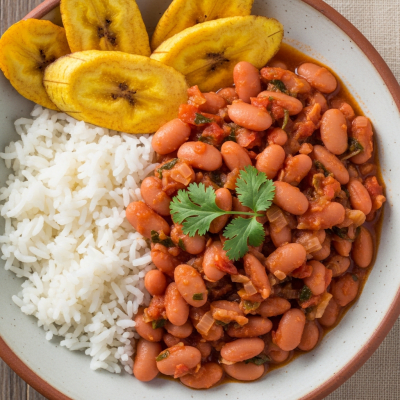
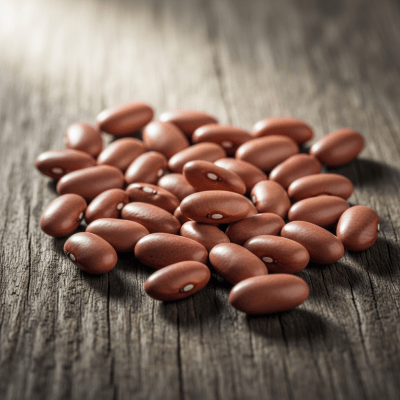
Pink Beans are primarily consumed dried and cooked, featuring in dishes such as Puerto Rican habichuelas rosadas, Mexican frijoles, and Southwestern U.S. chili recipes. Their creamy texture and mild flavor make them versatile for stews, soups, and refried preparations. Commercially, they are available in dried bulk, canned, and refried forms. The bean holds significant market presence in the Caribbean, Latin America, California, and the Southwestern United States.
The most notable cultivar is ‘California Pink’, developed for commercial production in California during the mid-20th century. This cultivar reflects selective breeding efforts to optimize yield and quality for market demands, though no single breeder or institution is credited with the original Pink Bean landrace.
For optimal growth, Pink Beans thrive in well-drained soils under moderate temperatures, with a typical maturity period of 85 to 100 days. They prefer bush-type growth habits and benefit from moderate irrigation, especially in drought-prone areas due to their moderate drought tolerance. Disease management should focus on preventing bean mosaic virus and anthracnose through crop rotation and resistant cultivars where available.
Pink Beans store best when thoroughly dried and kept in cool, dry conditions to prevent mold and pest infestation. Properly handled seeds exhibit low susceptibility to post-harvest pests, ensuring longevity and quality preservation for culinary use or planting.