
Tarwi Bean
The Tarwi bean (Lupinus mutabilis) is a high-protein legume native to the Andean highlands, prized for its nutritional richness and adaptation to cool, mountainous environments.
The Tarwi bean (Lupinus mutabilis) is a high-protein legume native to the Andean highlands, prized for its nutritional richness and adaptation to cool, mountainous environments.
Originating in the Andean highlands of South America, the Tarwi bean was domesticated by pre-Incan civilizations. Indigenous farmers have preserved traditional landraces over centuries, maintaining its cultural and agricultural legacy without a known modern breeder or institution.
Tarwi belongs to the Fabaceae family, within the genus Lupinus and species mutabilis. It is part of the Faboideae subfamily, grouping it among other edible legumes valued worldwide.
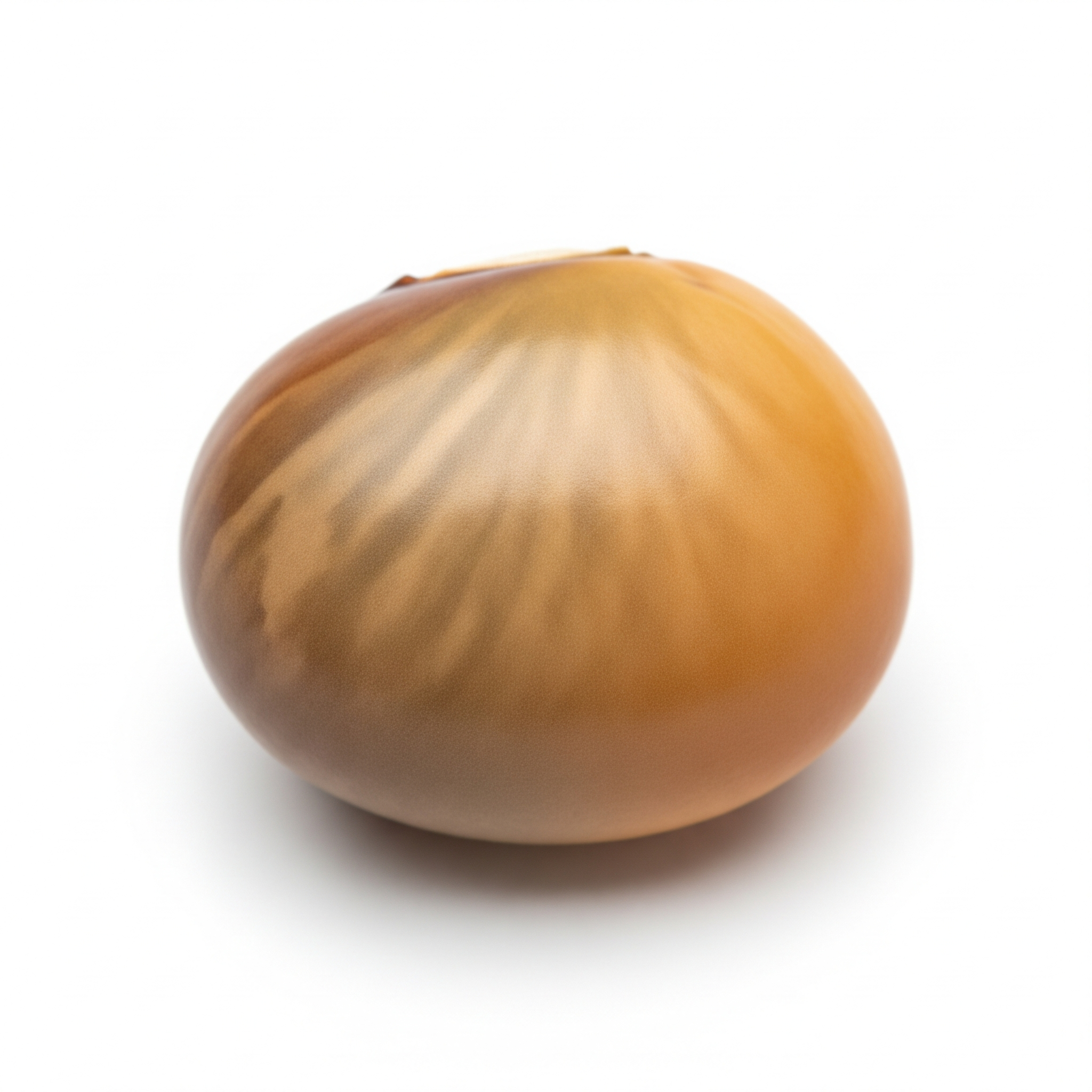
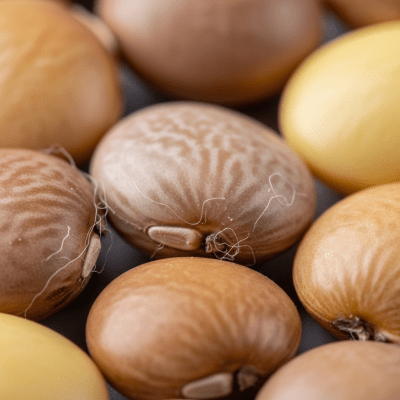
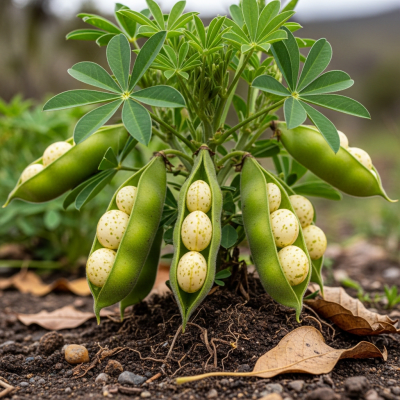
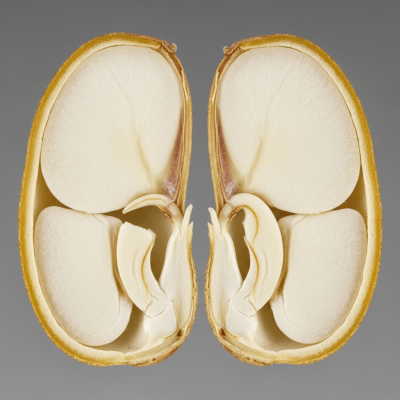
The Tarwi plant grows between 1 and 2 meters tall, featuring sturdy stems and striking blue to violet flowers. Its pods contain large, flat seeds that range in color from white and cream to mottled patterns, making them visually distinctive among beans.
Adapted to high-altitude climates of 2,000 to 3,800 meters, Tarwi thrives in cool temperatures and poor soils due to its nitrogen-fixing ability. Its seeds contain bitter alkaloids that require soaking or processing before consumption, after which they serve as a versatile food source.
Bring this kind into your world illustrated posters, mugs, and shirts.
Archival print, museum-grade paper
Buy Poster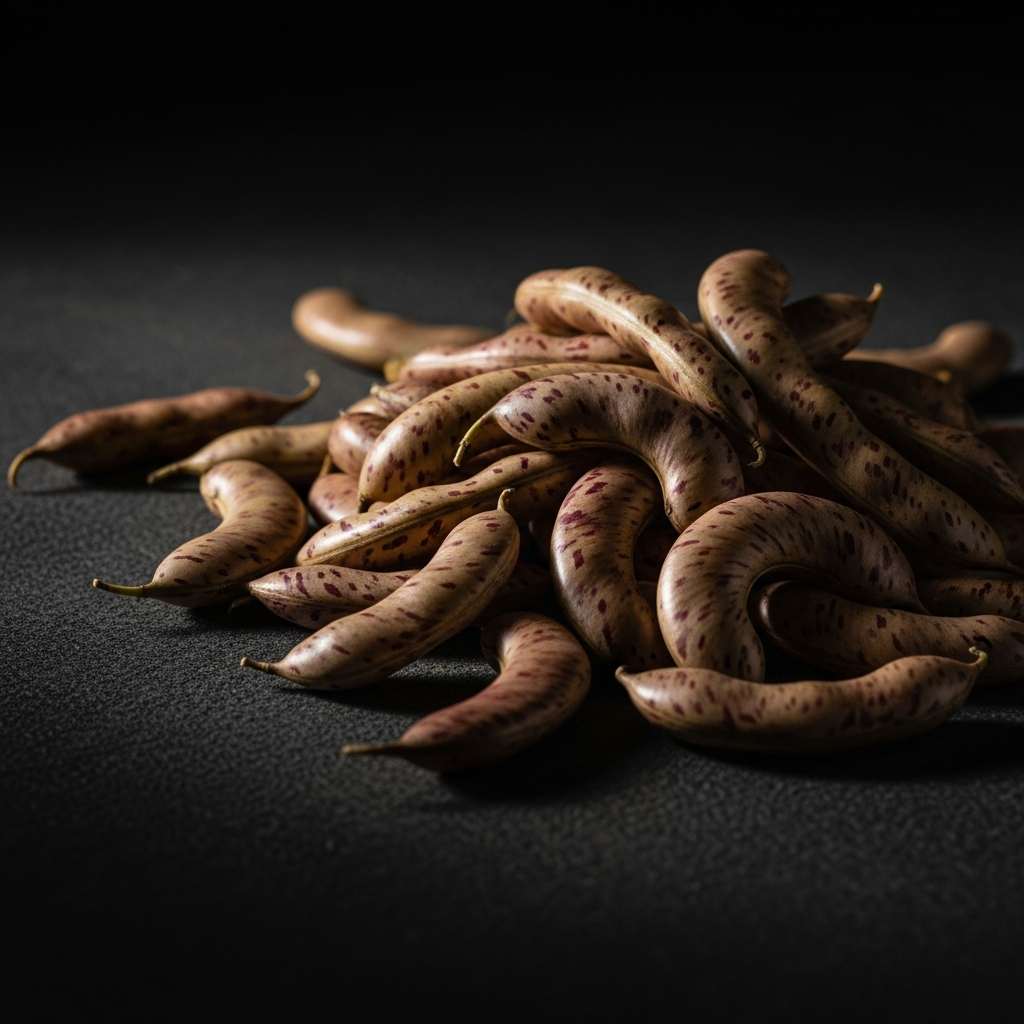
Stoneware mug, dishwasher safe
Buy Mug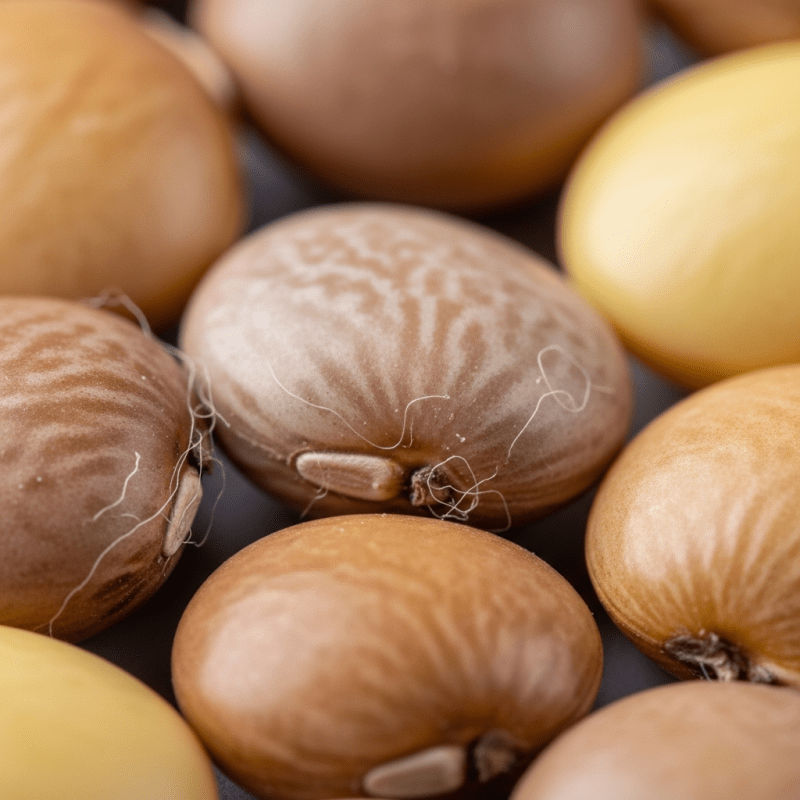
Soft cotton tee, unisex sizes
Buy ShirtTarwi holds an important place in Andean culture, featuring in traditional dishes and sustaining indigenous agricultural practices. Known regionally as chocho or altramuz, it symbolizes resilience and nutritional heritage in Peru, Bolivia, and Ecuador.
Tarwi plants typically reach heights between 100 and 200 centimeters, with robust annual growth. The seeds are large and flat, often white, cream, or mottled in color. While specific pod length and seed size vary, the plant is well-adapted to cool, high-altitude climates and shows resistance to some pests. Alkaloids present in the seeds necessitate processing before consumption. Proper drying and alkaloid removal enable safe storage.
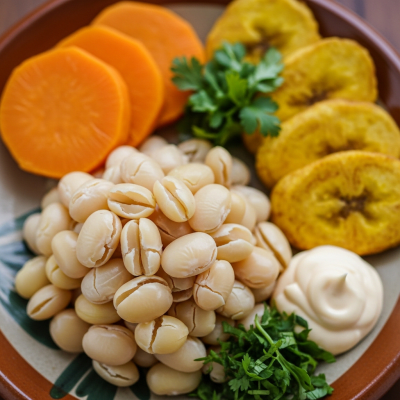

Consumed mainly in dried form, Tarwi beans are used in traditional Andean dishes such as tarwi stew, soups, salads, and baked goods. Their high protein content—up to 40%—and significant oil levels make them a valuable nutritional resource. While mostly available regionally in Peru, Bolivia, and Ecuador, Tarwi holds potential as an alternative protein source beyond its native markets.
No specific cultivars or modern breeding programs are documented for Tarwi; instead, indigenous farmers maintain diverse traditional landraces adapted to local microclimates across the Andean region.
Tarwi thrives in cool, high-altitude environments between 2,000 and 3,800 meters, favoring well-drained, poor soils where its nitrogen-fixing ability enhances fertility. Growers should ensure adequate drying and processing of seeds to remove alkaloids. The plant shows some pest resistance but can be vulnerable to fungal diseases in humid conditions.
After thorough drying and removal of alkaloids through soaking or processing, Tarwi seeds can be safely stored for extended periods. Proper storage conditions help maintain seed quality and prevent spoilage, ensuring availability beyond harvest seasons.