
Hyacinth Bean
Hyacinth bean (Lablab purpureus) is a versatile legume known for its vibrant purple pods and flowers, cultivated widely in tropical and subtropical regions for both culinary and ornamental uses.
Hyacinth bean (Lablab purpureus) is a versatile legume known for its vibrant purple pods and flowers, cultivated widely in tropical and subtropical regions for both culinary and ornamental uses.
Originating in Africa, the hyacinth bean was domesticated and extensively cultivated in South and Southeast Asia. Its earliest uses trace back to ancient India and Africa, with numerous landraces developed regionally, selected for diverse pod colors, sizes, and growth habits.
Belonging to the Fabaceae family, the hyacinth bean is classified botanically as Lablab purpureus. It is part of a broad group of edible legumes valued for their seeds, pods, and agricultural importance.
The hyacinth bean plant is a vigorous climber or bushy annual/perennial, reaching heights between 1 and 6 meters. It features trifoliate leaves, striking purple or white flowers, and flat, curved pods often colored purple. Seeds vary widely in color, including white, brown, black, and mottled patterns.
Widely cultivated for food and ornament, the hyacinth bean’s young pods are consumed as vegetables, while mature seeds are eaten after soaking and thorough cooking to neutralize natural toxins. The plant also serves as animal fodder and green manure, thriving in warm, drought-prone environments.
Bring this kind into your world illustrated posters, mugs, and shirts.
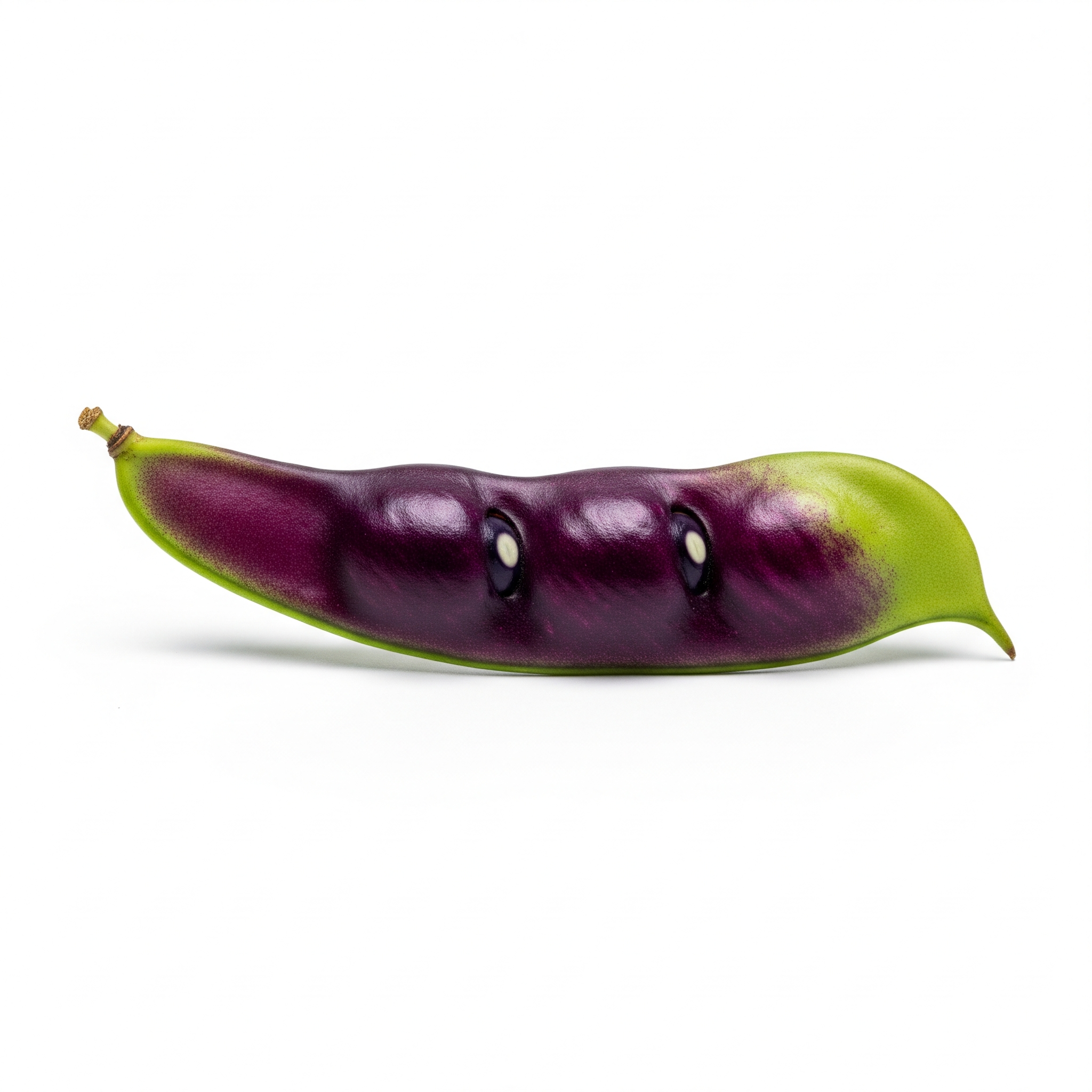
Archival print, museum-grade paper
Buy Poster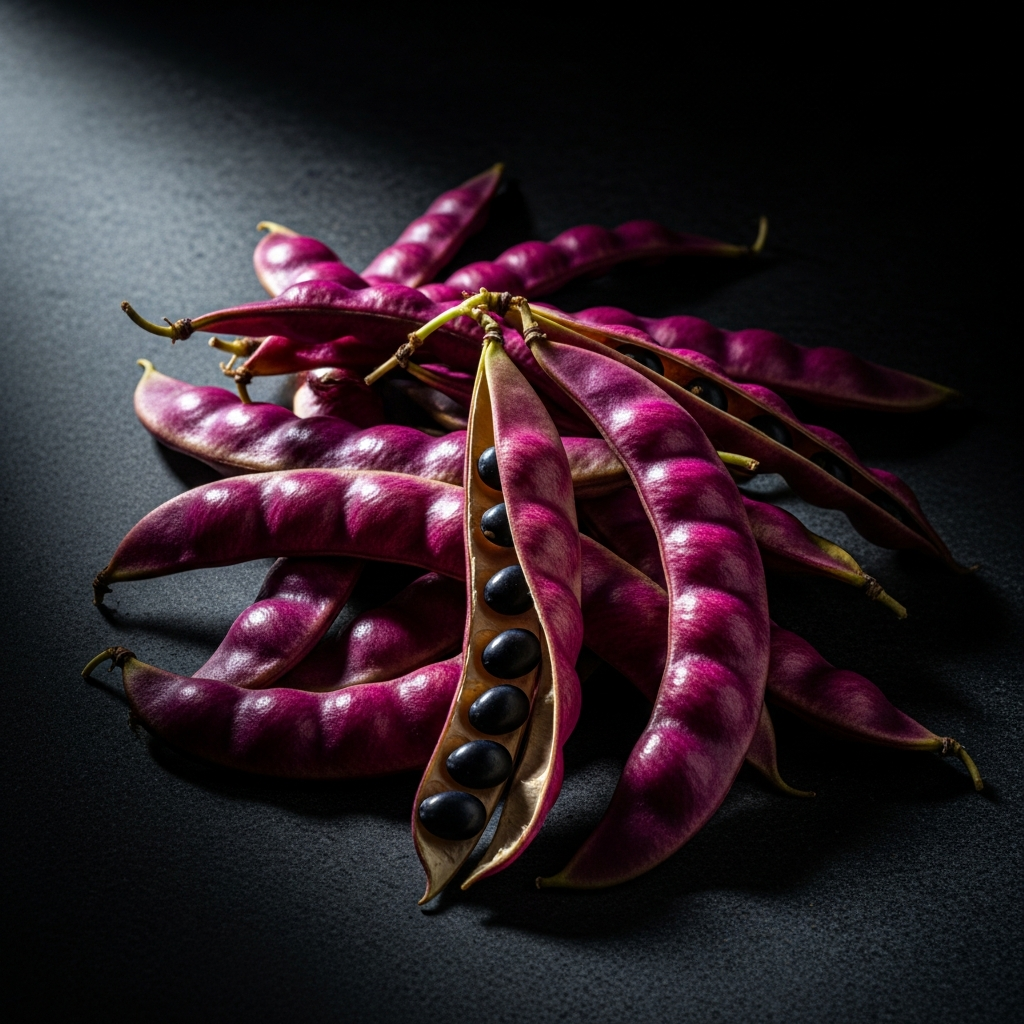
Stoneware mug, dishwasher safe
Buy Mug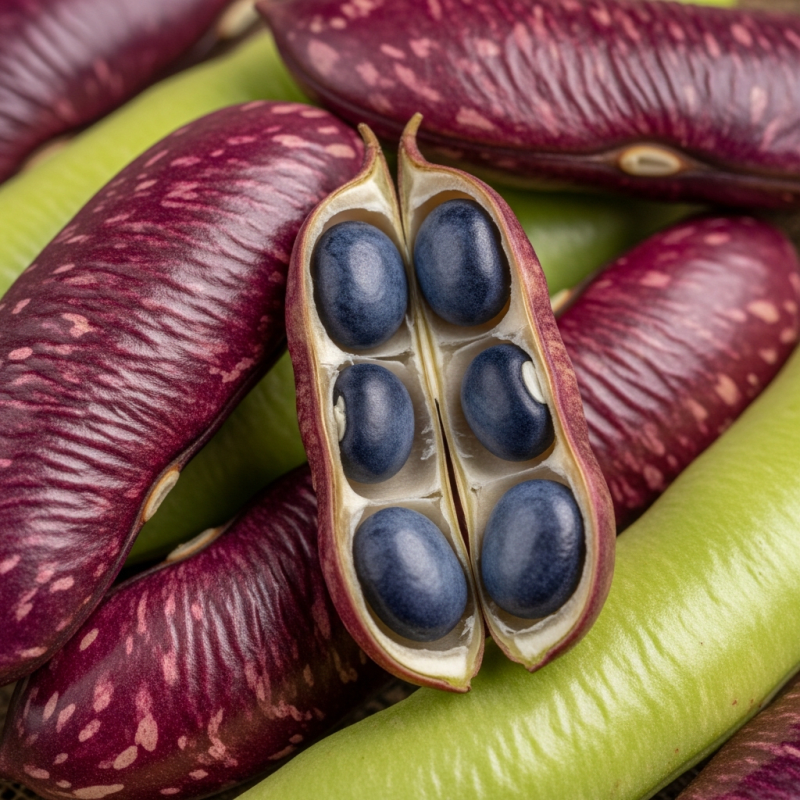
Soft cotton tee, unisex sizes
Buy ShirtIn various cultures, the hyacinth bean holds culinary and symbolic value. Known regionally as "sem" in Hindi, "njahi" in Swahili, and "bian dou" in Chinese, it appears in traditional dishes and is appreciated for its ornamental flowers, reflecting a blend of agricultural and aesthetic importance.
The hyacinth bean is a robust plant growing between 100 and 600 centimeters tall. Its pods typically contain 2 to 4 seeds, which exhibit a range of colors including white, brown, black, and mottled. The plant demonstrates notable drought tolerance, adapting well to warm climates. Seeds contain cyanogenic compounds, necessitating careful cooking to ensure safety. While growth habit varies, the species can be both twining and bushy, with flowers that are usually purple or white.
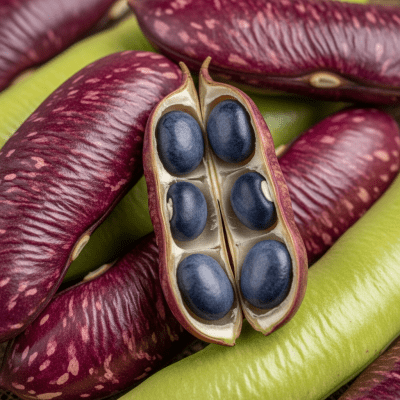
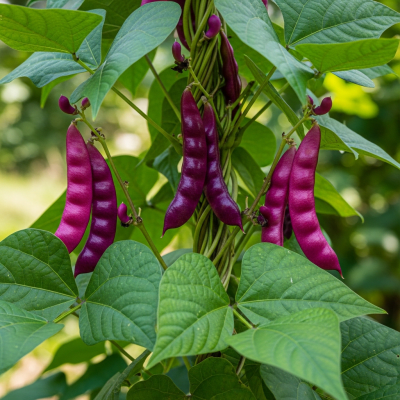
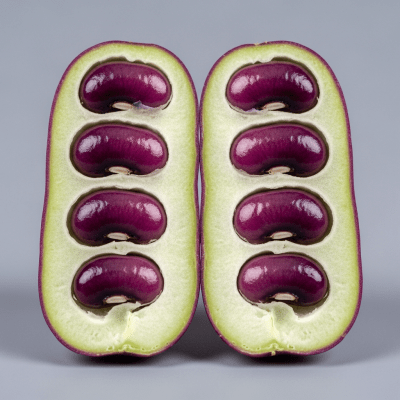
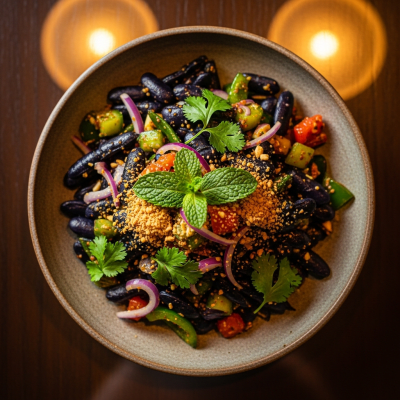
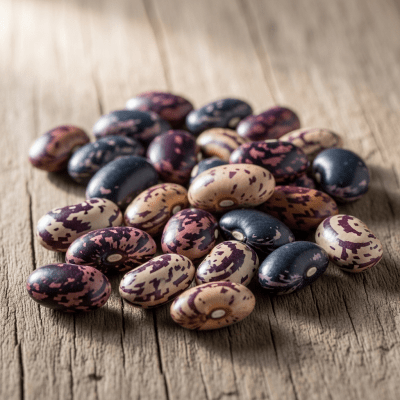
Consumed primarily in fresh and dried forms, hyacinth bean pods are popular in curries, stir-fries, and stews across South Asia, Southeast Asia, and parts of Africa. Mature seeds are soaked and boiled or roasted to remove toxins before eating. Beyond culinary use, the plant serves as animal fodder and green manure. Its ornamental appeal also adds to its market value, though global commercial trade remains limited.
Numerous landraces and cultivars of hyacinth bean exist, selected regionally for traits such as pod color, size, and growth habit. However, no specific cultivars or breeding institutions are prominently documented for this species, reflecting its traditional and diverse cultivation history.
Hyacinth bean thrives in warm, tropical to subtropical climates and tolerates drought well. It prefers well-drained soils and can be grown as a climbing vine or bushy plant depending on the cultivar. Regular watering during establishment and support structures for climbing types enhance yield. Proper pest management is necessary to combat fungal diseases and aphids, common challenges for this crop.
Fresh hyacinth bean pods should be stored in cool, ventilated conditions and used promptly to retain quality. Dried seeds can be kept in airtight containers in a cool, dry place to prevent spoilage. Due to the presence of natural toxins, seeds must be soaked and cooked thoroughly after storage to ensure safety before consumption.