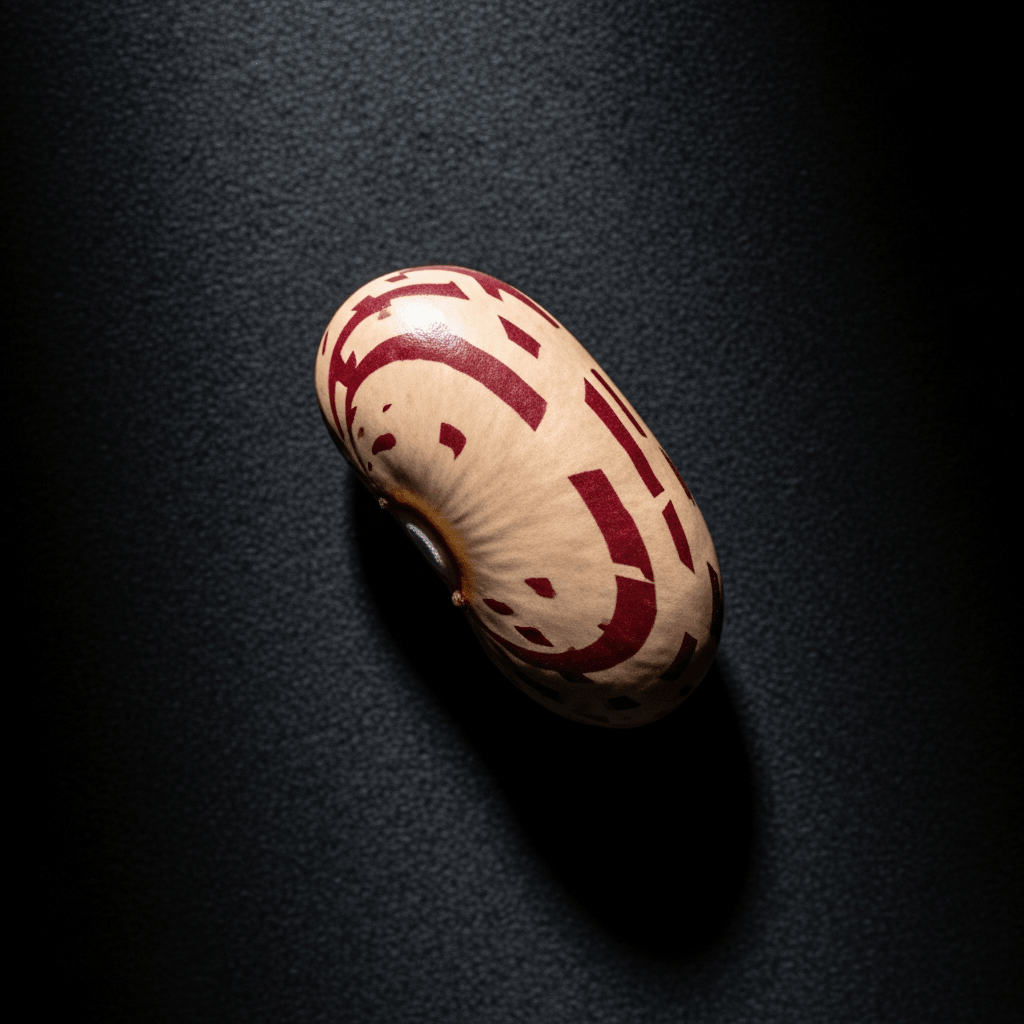
Pinto Bean
The pinto bean (Phaseolus vulgaris) is a widely cultivated edible bean known for its distinctive mottled beige and brown seeds and valued for its versatility in cooking and adaptability in agriculture.
The pinto bean (Phaseolus vulgaris) is a widely cultivated edible bean known for its distinctive mottled beige and brown seeds and valued for its versatility in cooking and adaptability in agriculture.
Originating in Central and South America, the pinto bean traces its domestication back thousands of years to early Mesoamerican agricultural societies. It is a cultivated variety of the common bean species, Phaseolus vulgaris, with modern cultivars developed primarily by the USDA and land-grant universities through selective breeding rather than hybridization.
The pinto bean belongs to the Fabaceae family, within the genus Phaseolus and species vulgaris. It is part of the common bean group, which encompasses numerous edible bean varieties widely grown and consumed worldwide.
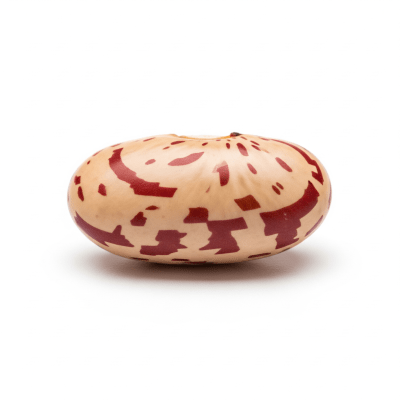
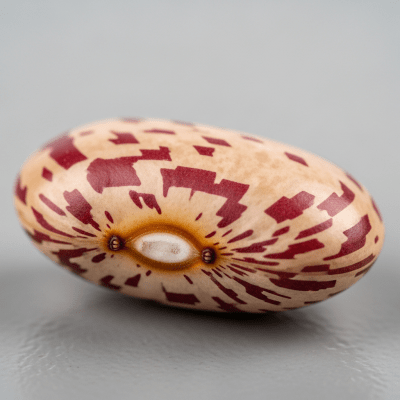
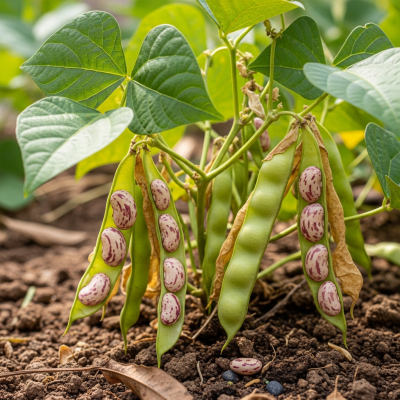
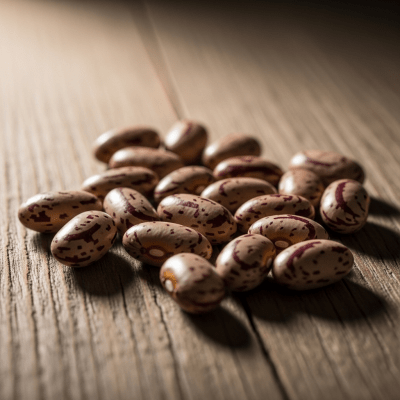
Pinto beans are medium-sized, oval seeds characterized by a mottled coat of beige and reddish-brown colors when raw. The plants typically grow as bush types, producing slender pods measuring 8 to 15 centimeters long, each containing four to six seeds.
Primarily used as a food source, pinto beans are consumed in dried, canned, and refried forms. They serve as a staple ingredient in dishes such as refried beans, chili, soups, and stews, prized for their creamy texture and mild flavor that readily absorbs seasonings.
Bring this kind into your world illustrated posters, mugs, and shirts.
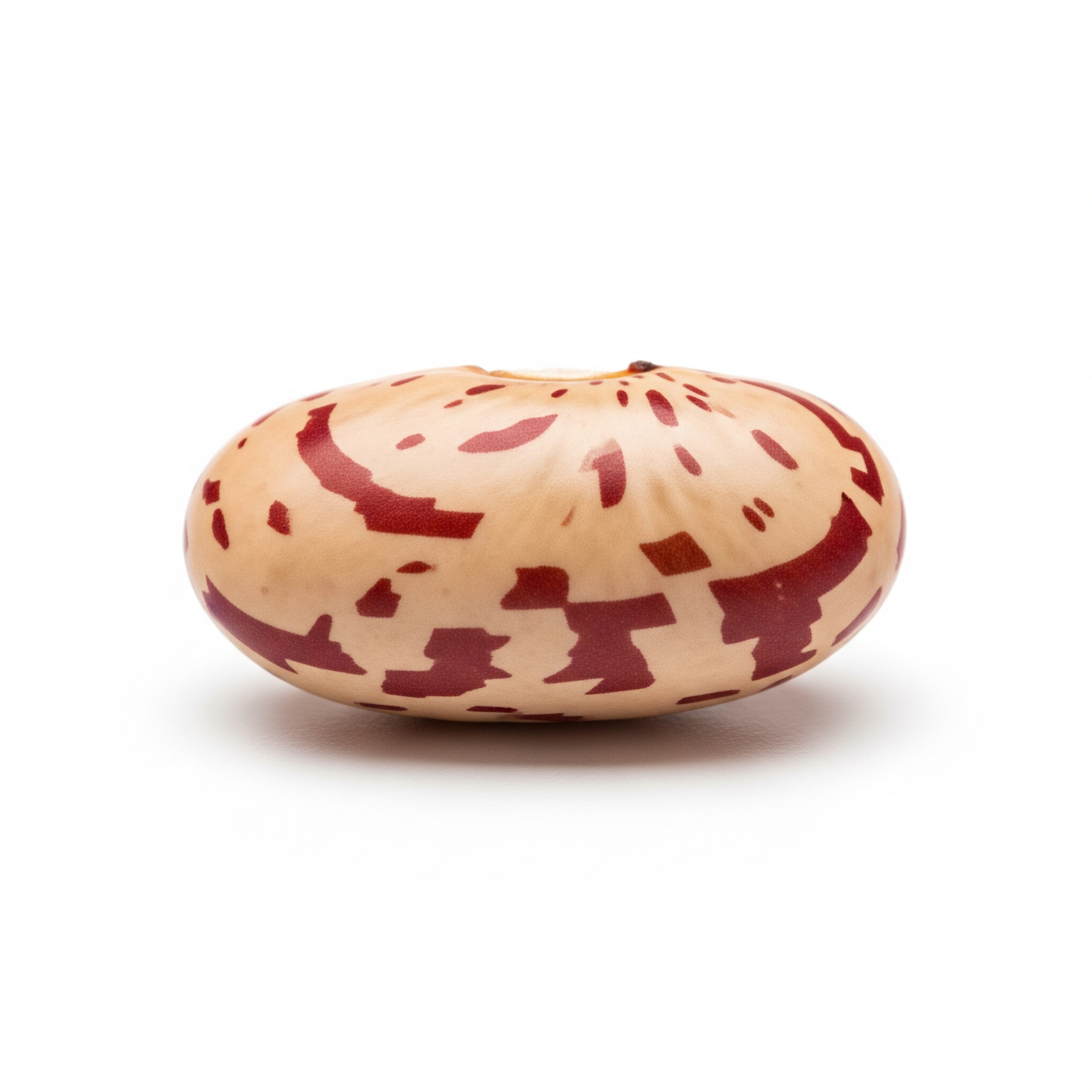
Archival print, museum-grade paper
Buy Poster
Stoneware mug, dishwasher safe
Buy Mug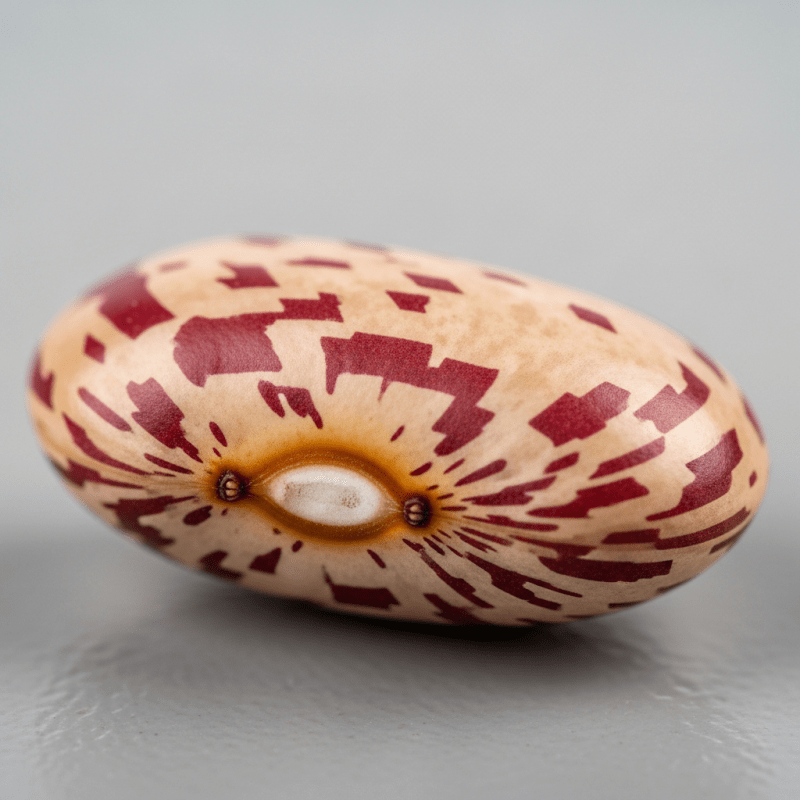
Soft cotton tee, unisex sizes
Buy ShirtEmbedded deeply in Mexican, Tex-Mex, and Southwestern U.S. cuisines, the pinto bean is more than a food staple; it represents a culinary tradition that connects modern diets to ancient agricultural practices. Known regionally as "frijol pinto," it holds cultural importance in everyday meals and festive dishes alike.
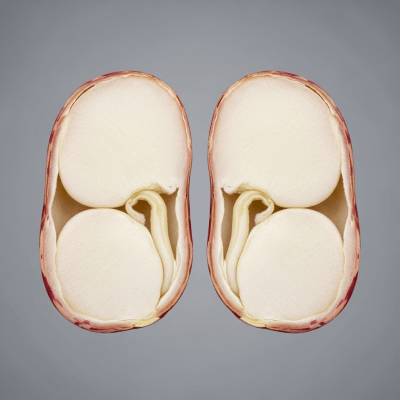
The pinto bean plant is an annual bush-type legume with trifoliate leaves and pale flowers ranging from white to pink. Pods are slender, 8–15 cm long, each containing 4 to 6 oval seeds measuring approximately 0.5 to 1.5 cm. The seeds display a distinctive mottled beige and reddish-brown coat. Pinto beans mature within a typical growing season and demonstrate moderate resistance to diseases such as bean mosaic virus and bacterial blight. They thrive best under moderate temperatures and exhibit some drought tolerance, contributing to their widespread cultivation.
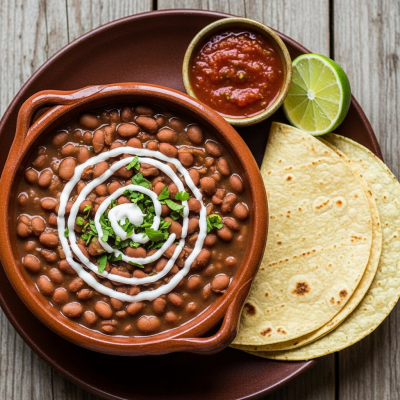
Pinto beans are widely consumed in dried, canned, and refried forms. They are a staple in Mexican, Tex-Mex, and Southwestern U.S. cuisines, featured in dishes like refried beans, chili, soups, and stews. Commercially, they dominate dry bean production in the United States and Mexico. Their creamy texture and mild flavor make them versatile in absorbing various seasonings, enhancing a wide range of recipes.
Recognized cultivars of the pinto bean include ‘Othello’, ‘Burke’, and ‘Santa Fe’, developed by the USDA and various land-grant universities. For example, the ‘Othello’ cultivar was released in 1987, reflecting ongoing efforts to improve yield, disease resistance, and adaptability.
To successfully cultivate pinto beans, plant in well-drained soil with adequate sunlight and moderate temperatures. They prefer bush growth habits and require moderate watering, benefiting from their moderate drought tolerance. Disease-resistant cultivars should be selected to minimize losses from common bean mosaic virus and bacterial blight. Harvest when pods are fully mature but before shattering occurs.
Dried pinto beans should be stored in cool, dry environments to maintain freshness and extend shelf life to one or two years. Use airtight containers to protect against moisture and pests. Avoid exposure to heat and humidity, which can degrade quality. Properly stored beans retain their cooking qualities and nutritional value over time.