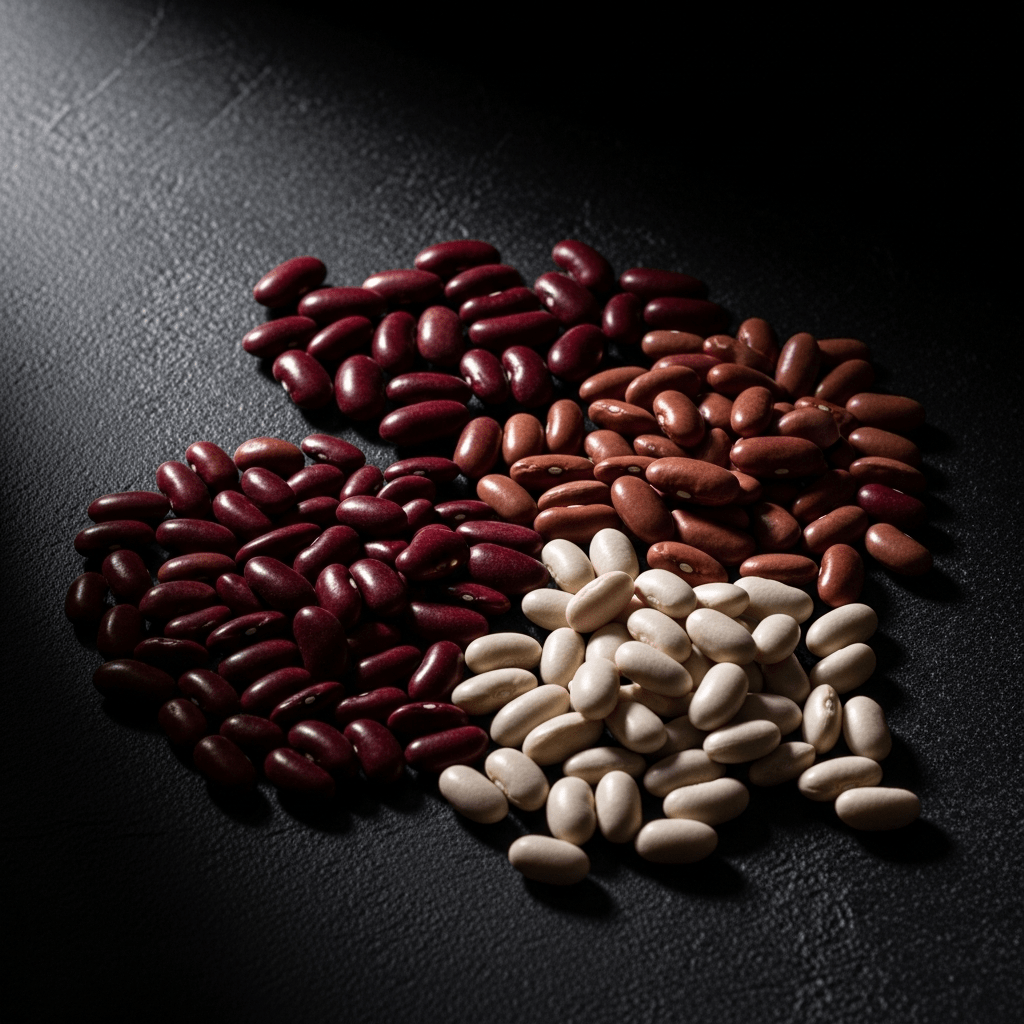
Kidney Bean
The kidney bean is a cultivar group of Phaseolus vulgaris distinguished by its kidney-shaped seeds and vibrant colors, widely valued for its nutritional richness and culinary versatility across global cuisines.
The kidney bean is a cultivar group of Phaseolus vulgaris distinguished by its kidney-shaped seeds and vibrant colors, widely valued for its nutritional richness and culinary versatility across global cuisines.
Originating in Central and South America, kidney beans were domesticated over 7,000 years ago, with archaeological evidence tracing their early cultivation to regions in Peru and Mexico. Through centuries, selective breeding has refined varieties such as red kidney, light red kidney, and white kidney (cannellini), enhancing traits like size, color, and disease resistance.
Kidney beans belong to the Fabaceae family, genus Phaseolus, and species vulgaris. They are part of the common bean group, which encompasses many edible cultivars cultivated worldwide for food and agriculture.
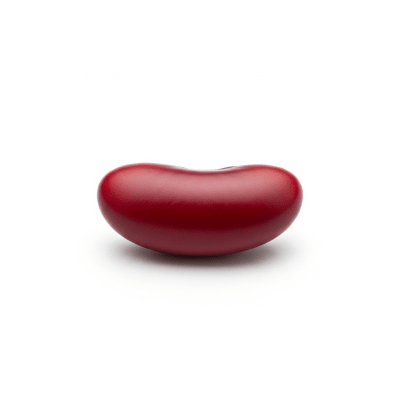
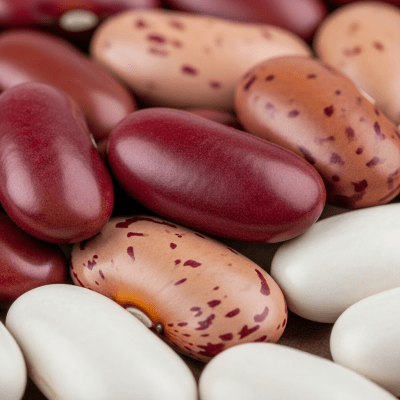
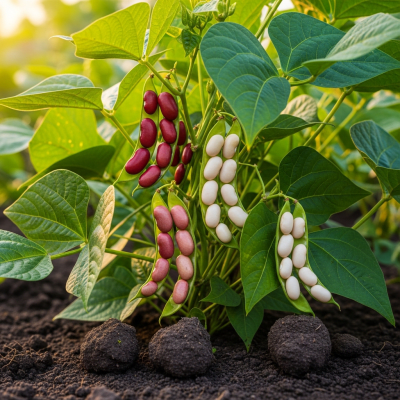
Kidney beans are medium to large seeds, distinctly kidney-shaped, and commonly found in deep red, light red, or white hues. The plants grow as either bush or pole types, ranging from 30 cm to 2 meters tall. Their pods are straight to slightly curved, measuring 10 to 15 centimeters long and typically contain 4 to 6 seeds.
Primarily cultivated for food, kidney beans serve as a significant protein source and are used in various culinary forms including dried, canned, and fresh. They require warm growing conditions and well-drained soils. Though nutritious, raw kidney beans contain a natural toxin that must be neutralized by thorough cooking before consumption.
Bring this kind into your world illustrated posters, mugs, and shirts.
Archival print, museum-grade paper
Buy Poster
Stoneware mug, dishwasher safe
Buy Mug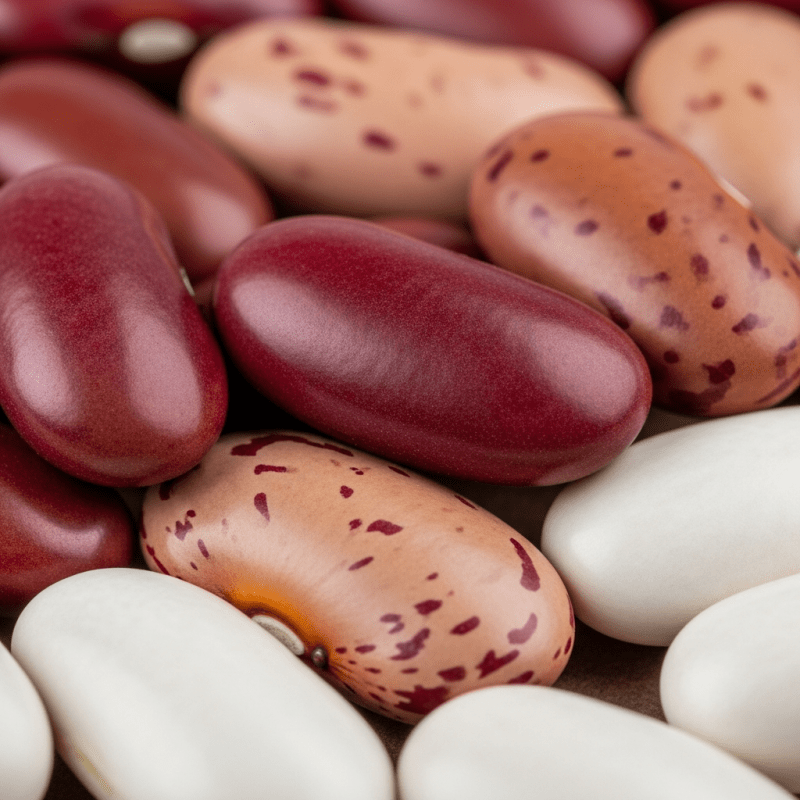
Soft cotton tee, unisex sizes
Buy ShirtKidney beans hold a prominent place in many cultural dishes worldwide, such as chili con carne in North America, rajma in India, and feijoada in Brazil. The white kidney bean, known as cannellini, is a staple in Italian cuisine, reflecting the bean’s broad cultural integration and culinary importance.
Kidney bean plants exhibit both bush and pole growth habits, with heights ranging from 30 cm in bush types to up to 2 meters in pole varieties. Pods measure between 10 and 15 centimeters and contain 4 to 6 kidney-shaped seeds. Seed colors include deep red, light red, and white. Optimal growth occurs in temperatures between 18 and 24°C. Improved cultivars show resistance to diseases such as common mosaic virus and anthracnose, though susceptibility to root rot and bacterial blight remains. Proper drying is essential for seed storage, and raw seeds contain phytohemagglutinin, requiring cooking to ensure safety.
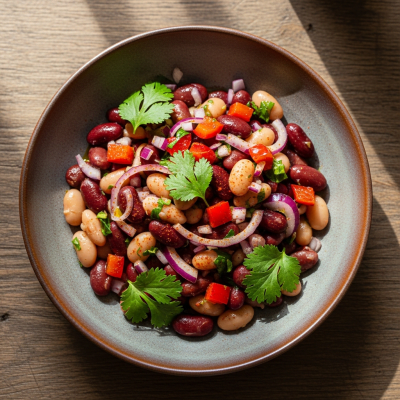
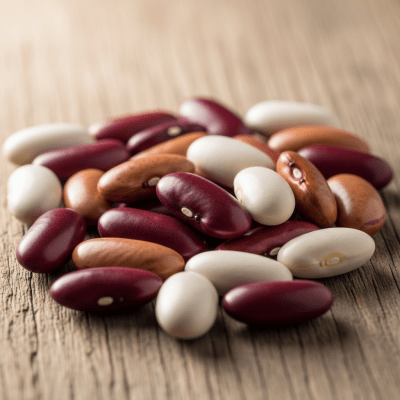
Kidney beans are consumed worldwide in dried, canned, and fresh forms. They are integral to traditional dishes like chili con carne, rajma, and feijoada. Nutritionally, they provide about 24 grams of protein per 100 grams of dried beans, along with valuable micronutrients such as iron, folate, and potassium. White kidney beans, or cannellini, are especially prominent in Italian cooking. Their culinary appeal lies in their hearty texture, rich flavor, and nutritional benefits.
Key kidney bean cultivars include red kidney, light red kidney, and white kidney (cannellini). These have been selectively bred for traits like seed size, color, and disease resistance. Specific breeder information and release dates for major commercial varieties are not currently documented.
Kidney beans thrive in well-drained soils with warm temperatures between 18 and 24°C. Both bush and pole growth habits are common, with pole types requiring support structures. Crop rotation and disease-resistant cultivars help manage threats like mosaic virus and anthracnose. Thorough drying of seeds post-harvest is critical for storage longevity. Avoid planting in waterlogged soils to reduce root rot risk.
For optimal storage, kidney beans must be thoroughly dried to prevent spoilage. They are typically stored in cool, dry conditions to maintain quality and longevity. Raw beans contain the toxin phytohemagglutinin, so they must be cooked properly before consumption to ensure safety. Canned kidney beans offer a convenient, ready-to-eat alternative with extended shelf life.