Roman Bean
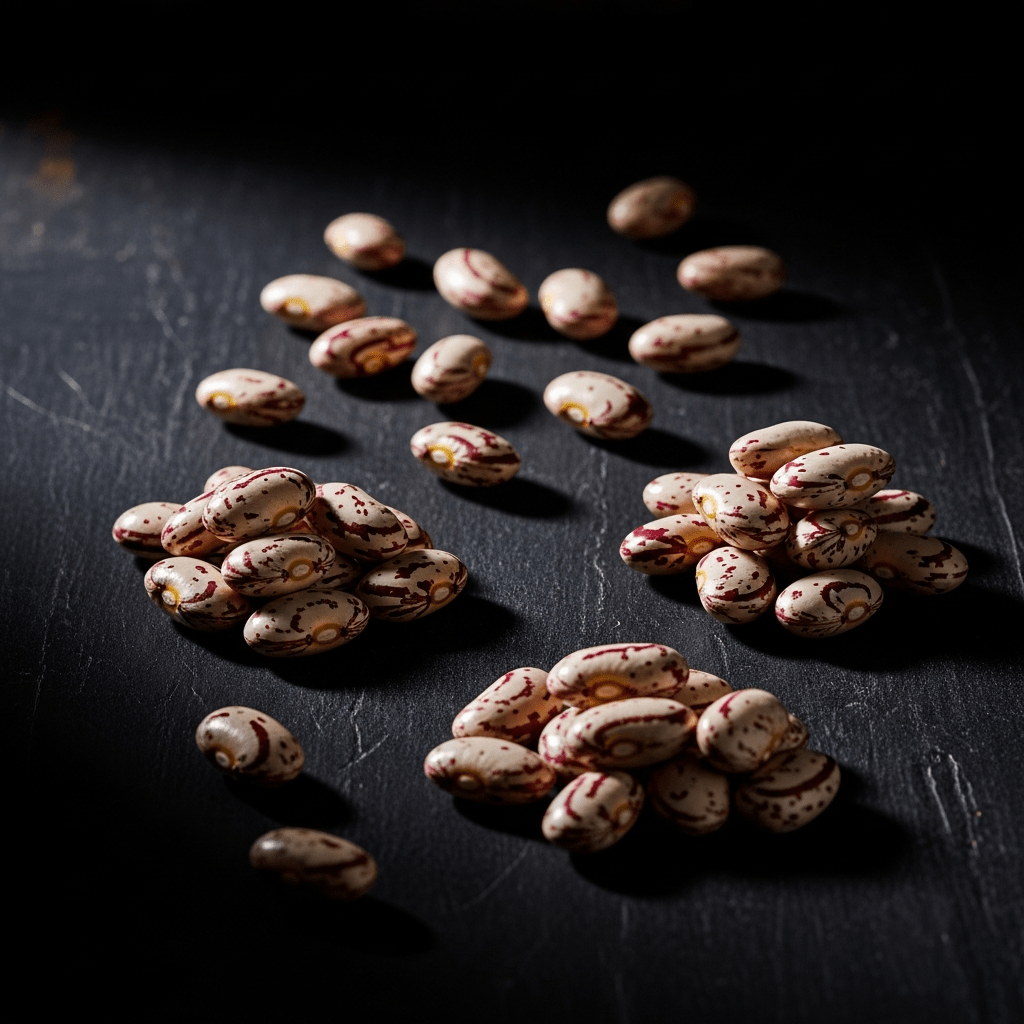
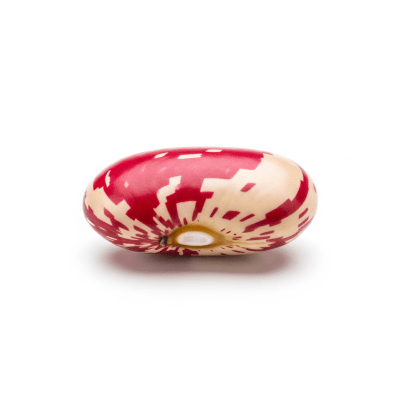
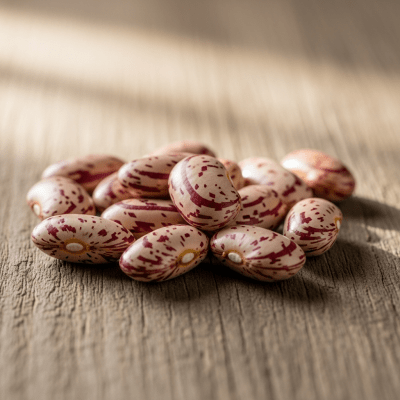
The Roman bean, also known as borlotti or cranberry bean, is a large, oval-shaped edible legume prized for its distinctive mottled red and maroon streaks on a pale background and its creamy texture when cooked.
The Roman bean, also known as borlotti or cranberry bean, is a large, oval-shaped edible legume prized for its distinctive mottled red and maroon streaks on a pale background and its creamy texture when cooked.
Originating in South America, the Roman bean was domesticated and selectively bred in Europe, particularly Italy, during the 16th to 17th centuries. Its development traces back to the common bean (Phaseolus vulgaris), with emphasis on seed coat pattern and size, though the exact breeder of modern cultivars remains unknown.
The Roman bean belongs to the Fabaceae family, genus Phaseolus, species vulgaris. It is part of the broader group of common beans, which encompasses many edible legumes widely cultivated for food.
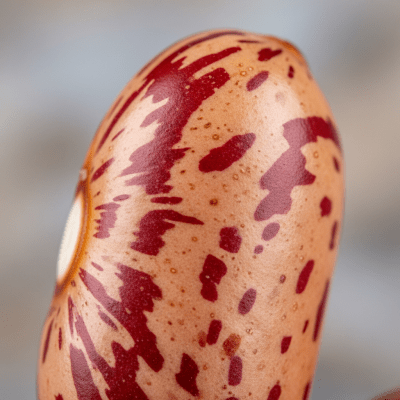
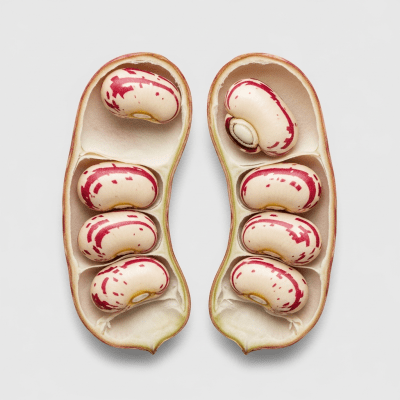
Roman beans are medium to large, oval seeds measuring approximately 1.5 to 2 centimeters in length. Their seed coats are cream or pale tan, adorned with striking red or maroon streaks and spots, creating a visually appealing mottled pattern.
Primarily used as a dried bean, the Roman bean is cooked in a variety of dishes such as soups, stews, and salads. It is also consumed fresh in pod form in some regions. Its creamy texture and nutty flavor make it a versatile ingredient in Mediterranean and Latin American cuisines.
Bring this kind into your world illustrated posters, mugs, and shirts.
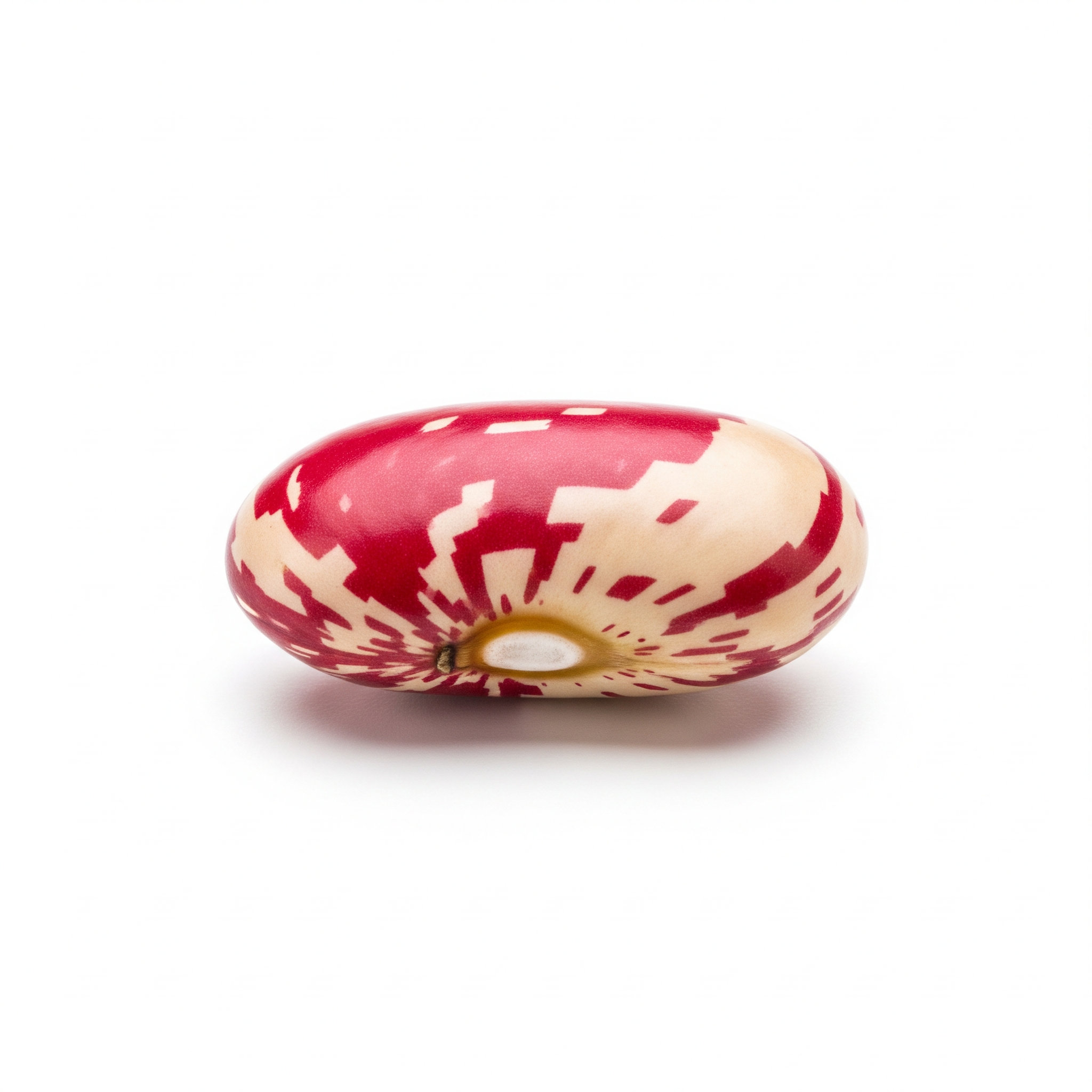
Archival print, museum-grade paper
Buy Poster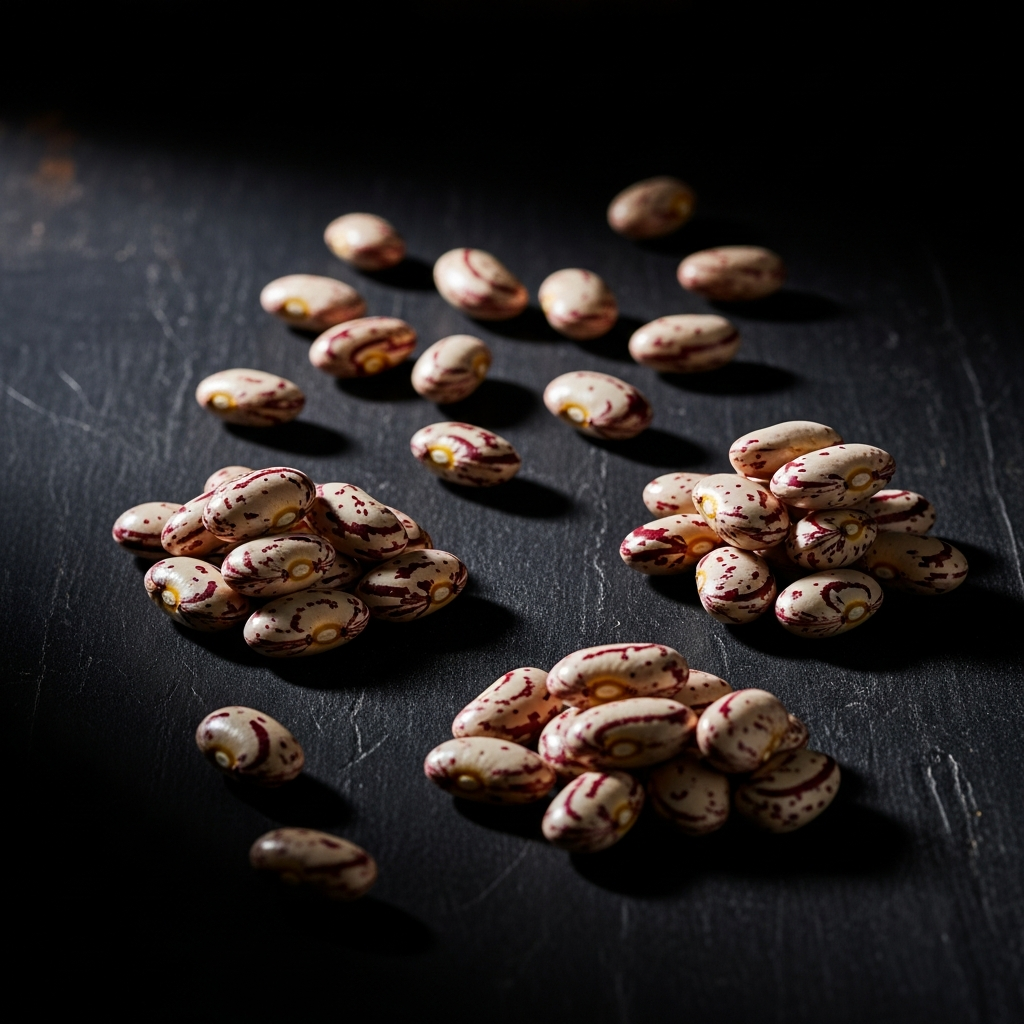
Stoneware mug, dishwasher safe
Buy Mug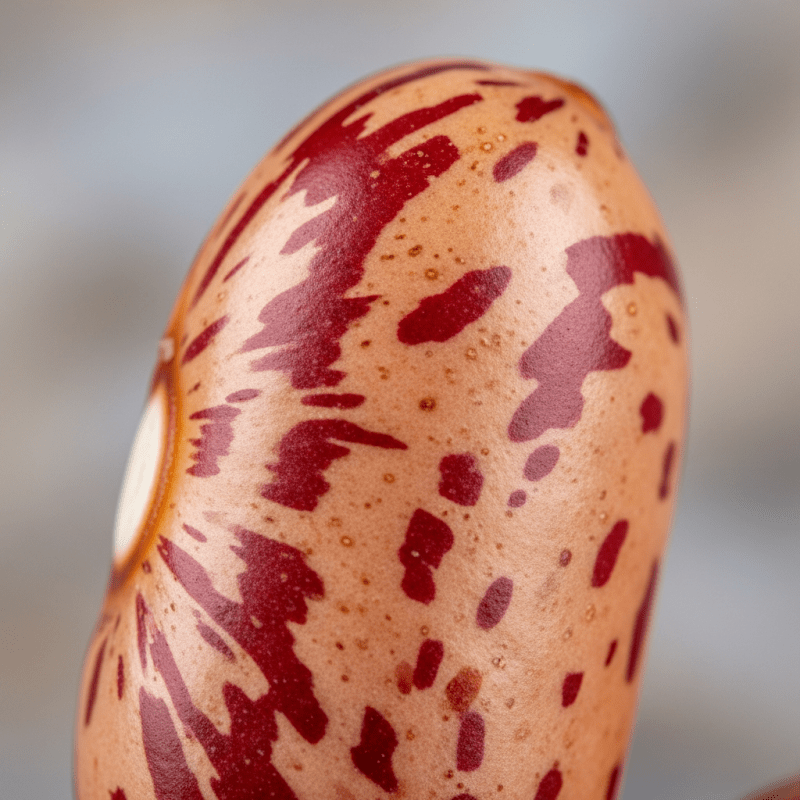
Soft cotton tee, unisex sizes
Buy ShirtIn Mediterranean culture, especially Italian cuisine, the Roman bean features prominently in traditional dishes like pasta e fagioli and minestrone, symbolizing comfort and heritage. Its presence in both European and Latin American food traditions highlights its cross-cultural culinary importance.
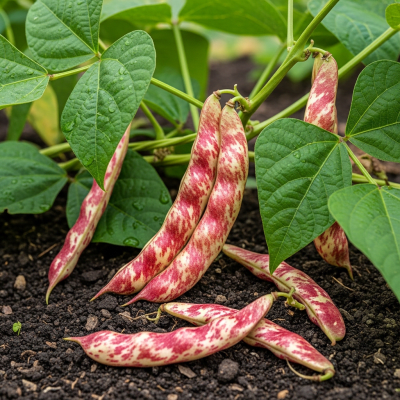
The Roman bean plant typically grows as a bush variety. Seeds are oval-shaped, ranging from 1.5 to 2 centimeters in length, with a distinctive cream or pale tan coat marked by red or maroon streaks. The plant shows moderate vigor and yields between 1.5 to 2.5 tons per hectare under optimal conditions. It exhibits resistance to common bean mosaic virus but remains vulnerable to diseases like anthracnose and root rot. For best longevity, seeds should be stored in cool, dry environments.
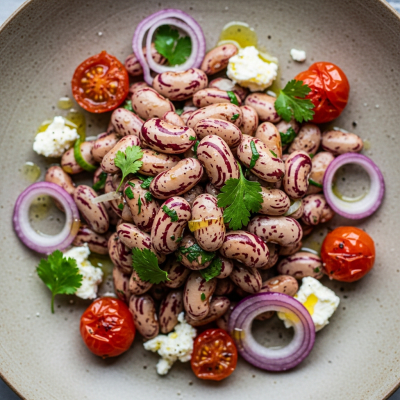
Roman beans are enjoyed primarily in dried, canned, and fresh forms across Mediterranean, South American, and North American markets. They are staples in dishes such as pasta e fagioli, minestrone, soups, stews, and salads. Renowned for their creamy texture and nutty flavor, these beans add richness and substance to a variety of traditional recipes.
Among recognized cultivars, the heritage variety 'Saluggia' is notable. While specific breeders or institutions responsible for modern Roman bean cultivars are not documented, the bean’s lineage is firmly rooted in the common bean species, with selection focused on seed coat pattern and size.
Roman beans thrive best when grown as bush plants in well-drained soil with moderate fertility. They require moderate watering and benefit from protection against common diseases such as anthracnose and root rot. Optimal growth conditions and disease management can enhance yield and seed quality.
For long-term storage, Roman beans should be kept in cool, dry conditions to preserve their quality and extend shelf life up to one to two years when dried. Avoid moisture and excessive heat to prevent spoilage and maintain their distinctive flavor and texture.