Field Bean
The field bean is a smaller-seeded variety of the fava bean (Vicia faba var. minor), valued for its adaptability and use in both animal feed and human cuisine.
The field bean is a smaller-seeded variety of the fava bean (Vicia faba var. minor), valued for its adaptability and use in both animal feed and human cuisine.
Originating in the Near East several millennia ago, the field bean developed as a distinct botanical variety from the larger broad bean through traditional farming practices across Europe and western Asia. Its precise breeding history remains undocumented, reflecting its deep roots in ancient agriculture.
Belonging to the Fabaceae family, the field bean is classified botanically as Vicia faba var. minor. It is recognized as a smaller-seeded subspecies distinct from the broad bean (Vicia faba var. major), fitting within the genus Vicia and species faba.
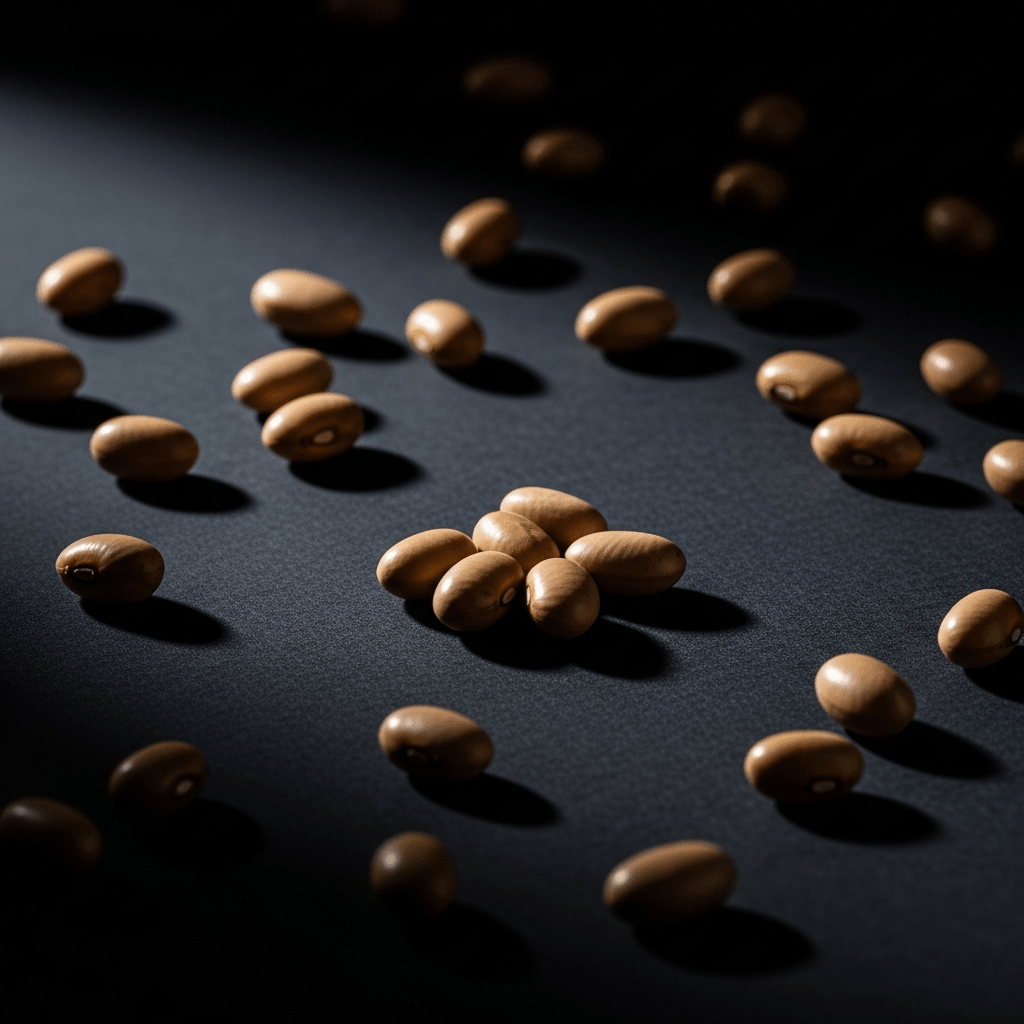
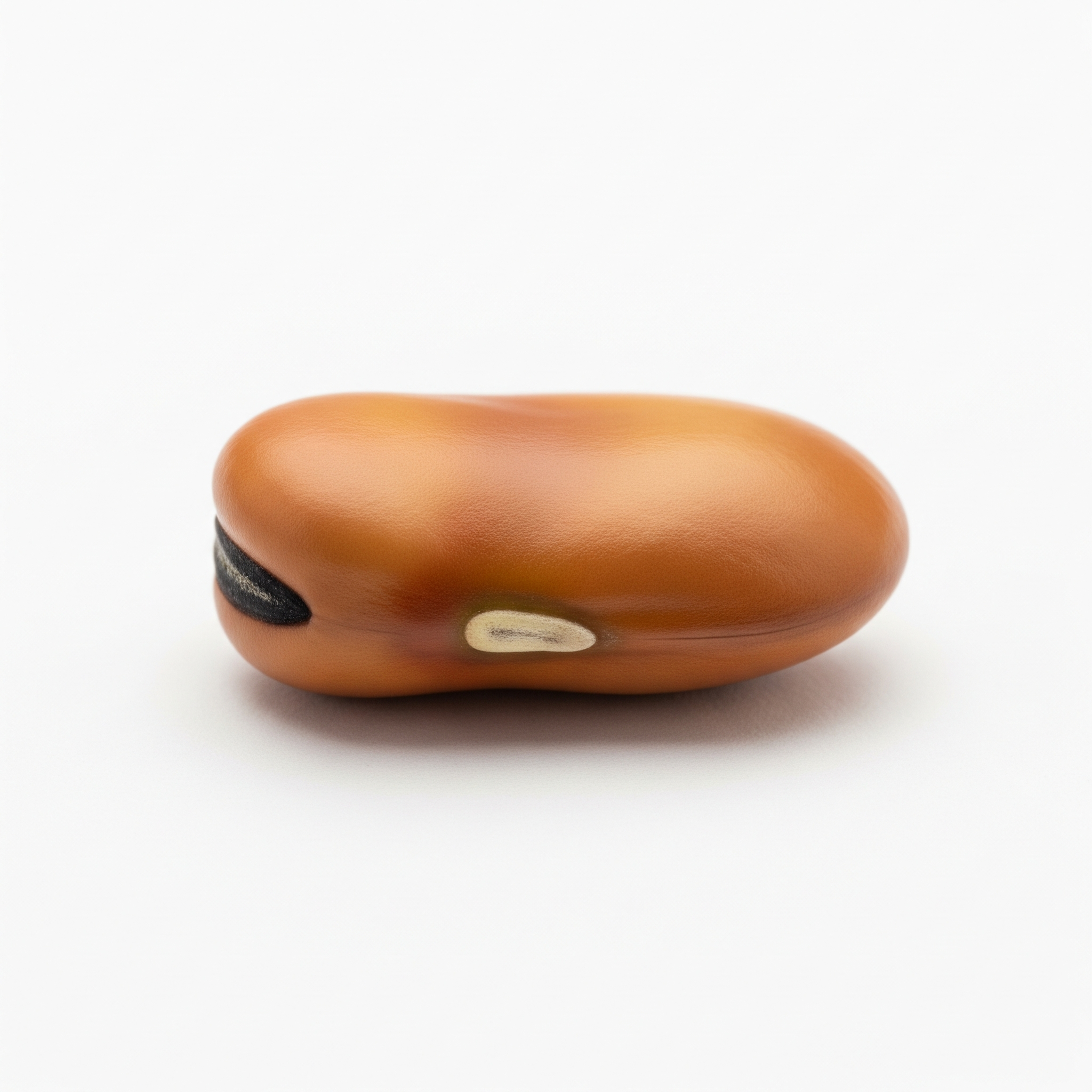
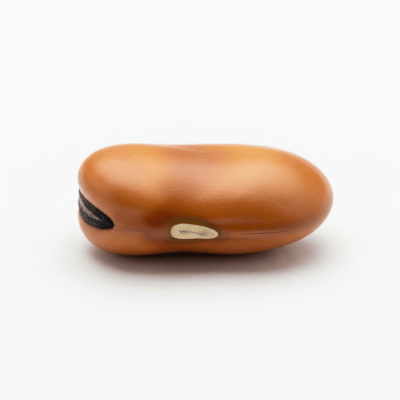
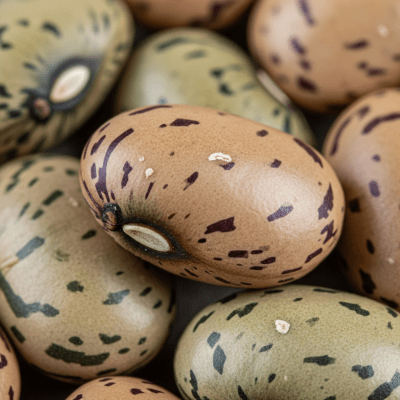
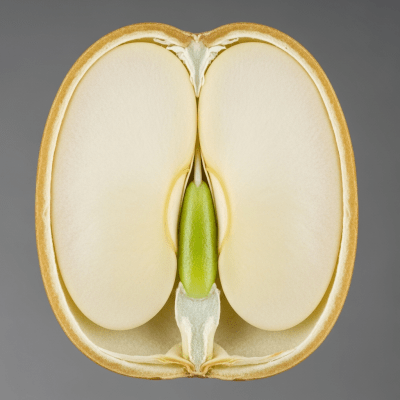
The field bean plant grows erect to heights between 50 and 120 centimeters. Its seeds are smaller than those of broad beans, typically round to oval in shape, and display brown or tan hues. Each pod usually contains three to five seeds, presenting a compact and robust form.
Field beans serve multiple roles: they are primarily cultivated as high-protein animal feed, especially for ruminants and poultry, but also consumed by humans in regions such as the Mediterranean and South Asia. Their uses extend to flour production and green manure, benefiting soil fertility through nitrogen fixation. The plants exhibit strong cold tolerance and moderate drought resistance, thriving in temperate climates.
Bring this kind into your world illustrated posters, mugs, and shirts.
Archival print, museum-grade paper
Buy Poster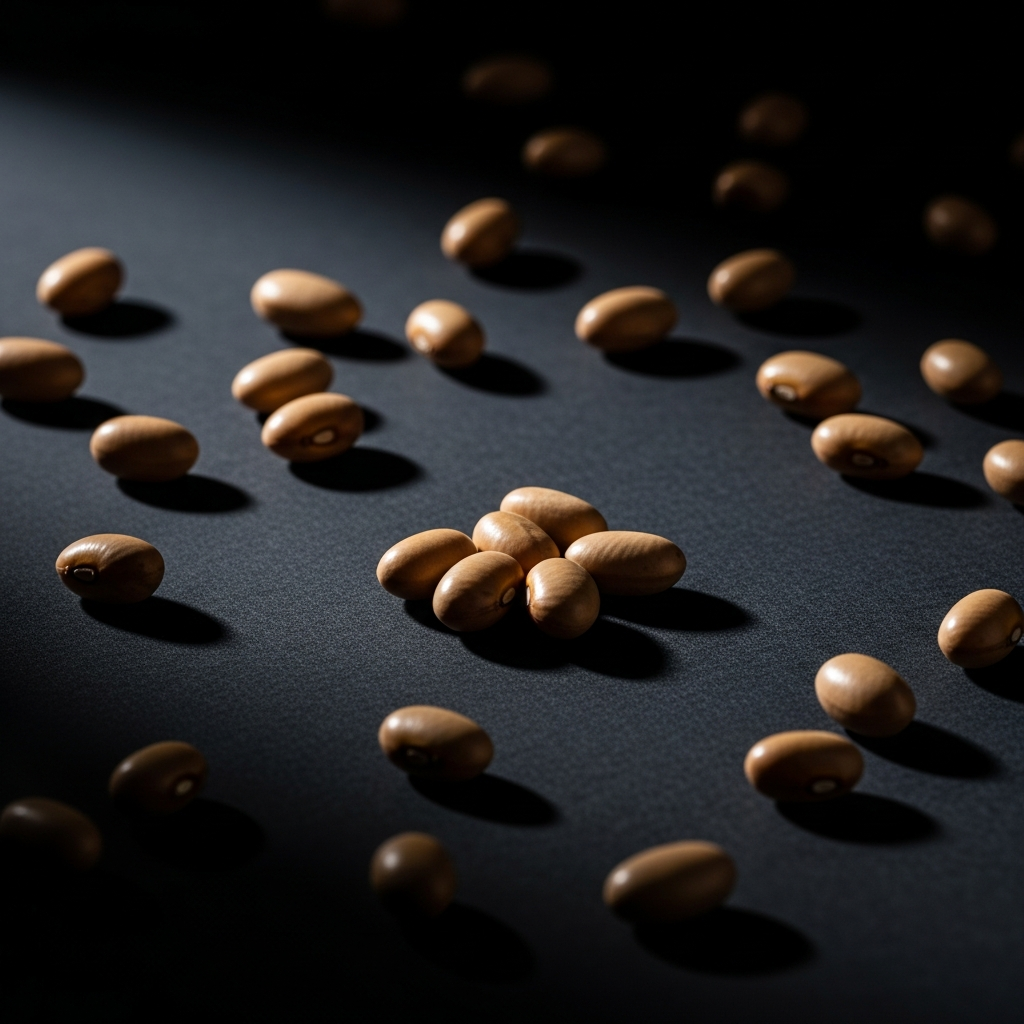
Stoneware mug, dishwasher safe
Buy Mug
Soft cotton tee, unisex sizes
Buy ShirtIn various cultures, the field bean holds significance as a staple in traditional diets and agricultural systems. Known regionally as "bakla" or "baqla," it features in hearty stews and soups, reflecting its role in sustaining communities across Europe, the Mediterranean, and South Asia. Its longstanding cultivation underscores its importance in rural livelihoods and food heritage.
Growth Habit and Size: The field bean grows erect, reaching 50 to 120 cm in height. Pods typically contain 3 to 5 seeds each.
Seed Characteristics: Seeds are smaller than broad beans, round to oval in shape, and brown or tan in color.
Resilience: The plant exhibits notable drought tolerance and strong cold hardiness, suitable for temperate climates and autumn sowing.
Disease Resistance: Some cultivars resist rust and mosaic viruses, though susceptibility to chocolate spot and weevil infestations remains a concern.
Storage: Seeds remain stable when stored in dry, cool environments.

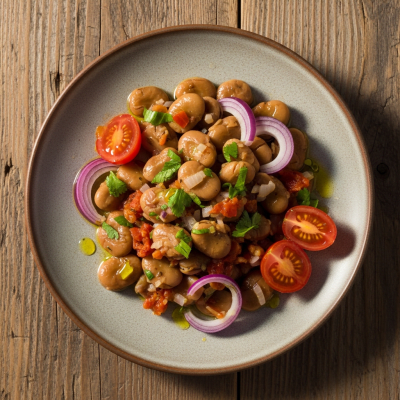
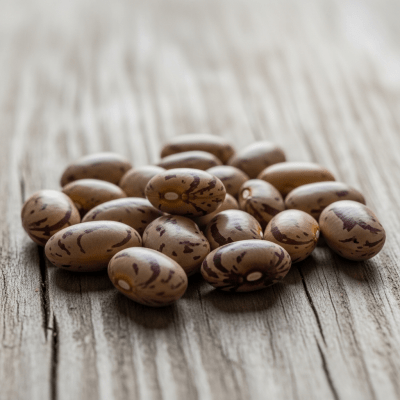
Field beans are most commonly available in dried form and serve as a high-protein feed for livestock. In Mediterranean and South Asian cuisines, they appear in traditional stews and soups, sometimes processed into flour. Commercially, they are traded as whole dried beans, split beans, or ground meal. Their protein content, around 24% by dry weight, makes them a valuable nutritional resource.
No specific cultivars or breeding institutions are documented for the field bean, as its development stems from traditional agricultural selection rather than formal breeding programs.
Field beans thrive in temperate climates with cool growing seasons and tolerate autumn sowing. They prefer well-drained soils but adapt to various types and exhibit moderate drought resistance. To reduce disease risk, rotate crops and monitor for chocolate spot and weevil infestations. Their nitrogen-fixing ability benefits soil health, making them a valuable rotation crop.
For optimal longevity, field beans should be stored in dry, cool conditions to prevent spoilage and maintain seed viability. Proper storage protects against moisture and pests, ensuring quality for both planting and consumption.