
Guar Bean
The guar bean (Cyamopsis tetragonoloba) is an annual legume valued both as a fresh vegetable and as the primary source of guar gum, a versatile industrial thickener and stabilizer.
The guar bean (Cyamopsis tetragonoloba) is an annual legume valued both as a fresh vegetable and as the primary source of guar gum, a versatile industrial thickener and stabilizer.
Originating in the Indian subcontinent, particularly India and Pakistan, the guar bean has been cultivated for centuries as a food and fodder crop. While its traditional use dates back long before modern times, large-scale commercial cultivation for guar gum production began in the early 20th century. Modern cultivars have since been developed by agricultural research institutions in India and the United States.
Belonging to the Fabaceae family, the guar bean is classified botanically as Cyamopsis tetragonoloba. It is a member of the legume group, which encompasses a wide variety of edible seeds commonly referred to as beans, prized for their nutritional and agricultural importance.
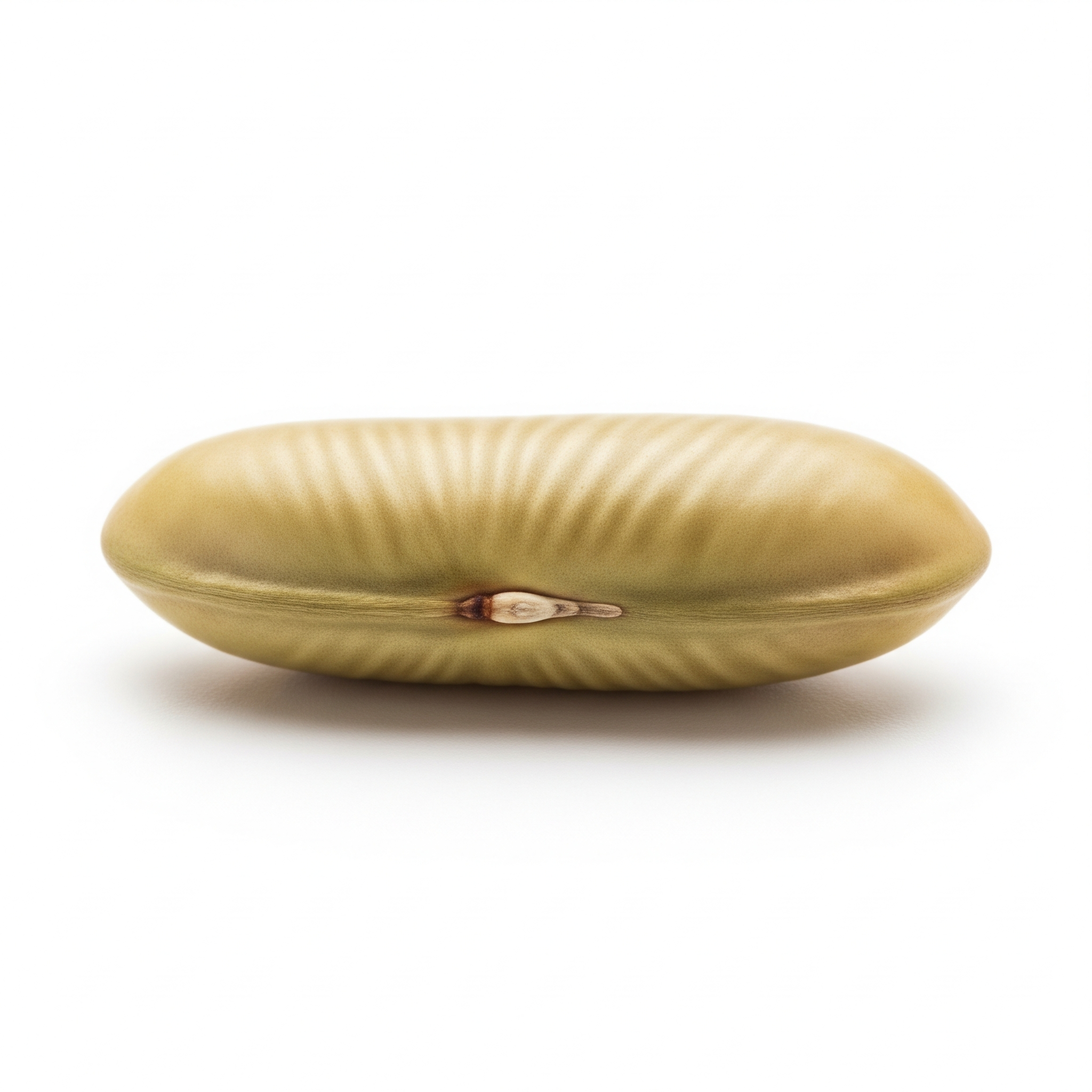
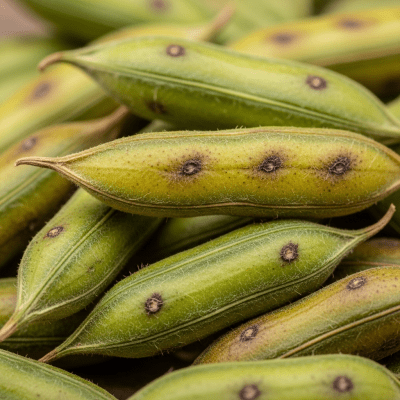
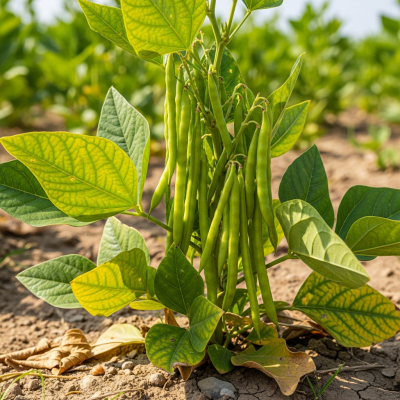
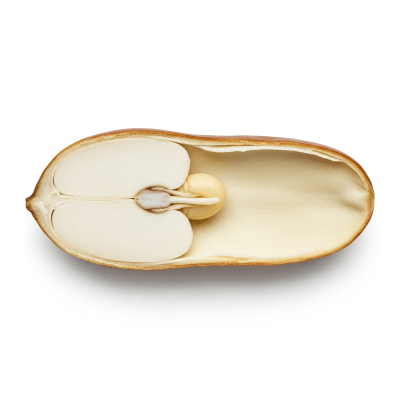
The guar bean plant is an erect annual herb that typically grows between 1 and 2 meters tall. Its trifoliate leaves accompany slender green pods measuring 5 to 10 centimeters in length. Each pod contains 5 to 12 small, oval-shaped seeds, which are the source of the valuable guar gum.
Guar bean plants thrive in arid and semi-arid climates due to their notable drought tolerance. They are cultivated primarily as a summer crop with a growth cycle of approximately 3 to 4 months. Beyond their role as a fresh vegetable in regional cuisines, the seeds are harvested for guar gum extraction, which finds widespread use in food processing, oil drilling, textiles, and pharmaceuticals.
Bring this kind into your world illustrated posters, mugs, and shirts.
Archival print, museum-grade paper
Buy Poster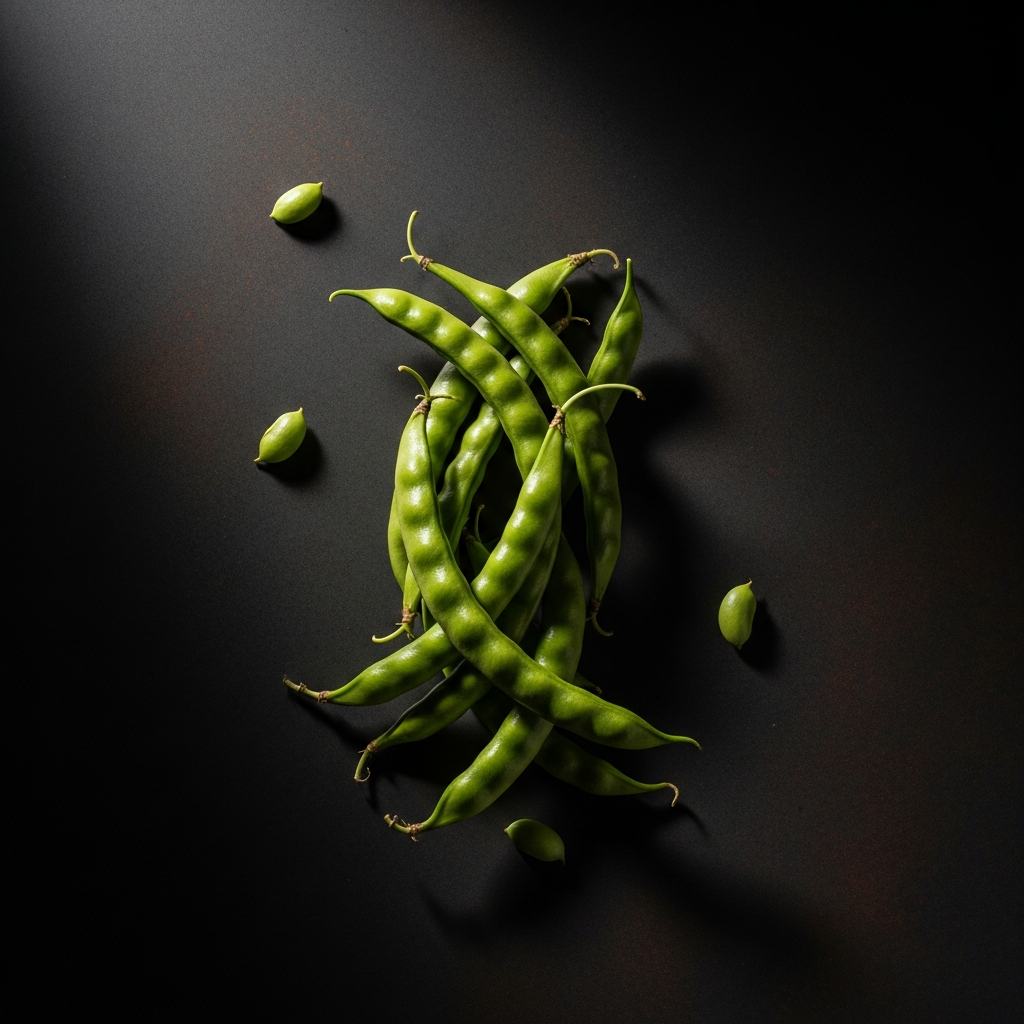
Stoneware mug, dishwasher safe
Buy Mug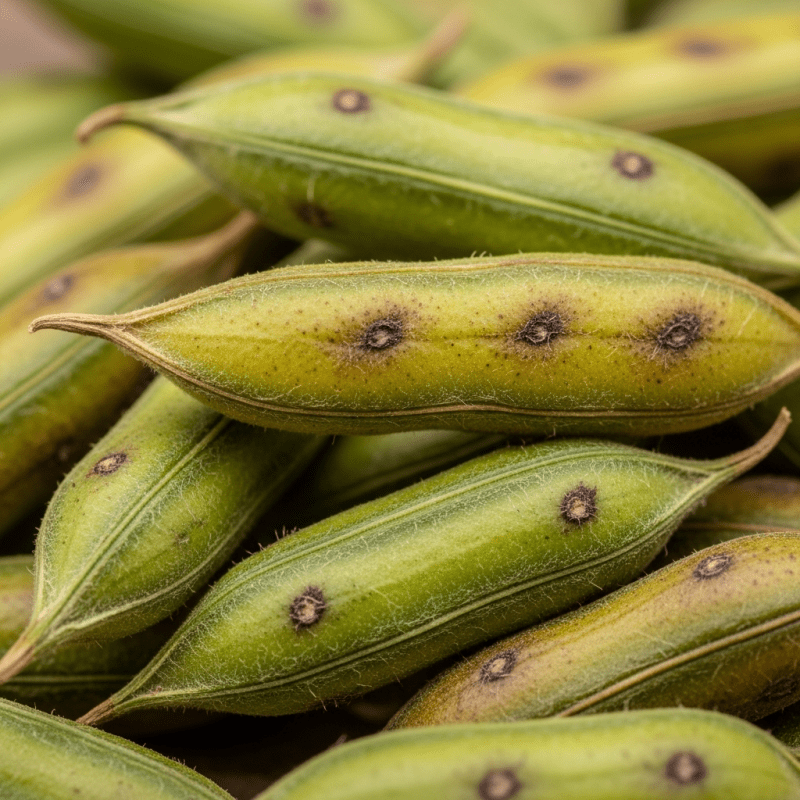
Soft cotton tee, unisex sizes
Buy ShirtIn South Asia, particularly India and Pakistan, the guar bean holds culinary significance as a fresh vegetable, often stir-fried or curried. Its importance extends beyond food, as the industrial applications of guar gum have made it a crop of economic and cultural value in the regions where it is grown.
Guar bean plants grow erect and reach heights between 100 and 200 centimeters. The pods are slender and measure 5 to 10 centimeters long, each containing 5 to 12 oval seeds. The species is well-adapted to hot, dry environments and matures within 90 to 120 days. It exhibits strong drought tolerance but is susceptible to waterlogging. Seeds are best stored dry, retaining viability for several years under proper conditions.

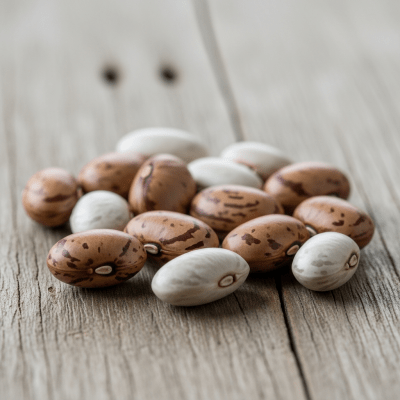
Guar beans are consumed fresh or dried, commonly prepared as stir-fried or curried dishes in South Asia and parts of Africa. Nutritionally, they provide plant-based protein and fiber, though detailed profiles vary. Commercially, the primary value lies in guar gum extracted from the seeds, which is used extensively in food processing (such as ice cream and baked goods), oil drilling as a viscosifier, textiles, and pharmaceuticals. The bean is commercially significant in India, Pakistan, and surrounding regions.
While no widely recognized heritage cultivars dominate the market, regional landraces exist in India and Pakistan. Modern cultivars have been developed by agricultural research institutions in India and the United States to improve yield and gum quality.
Guar beans thrive in well-drained soils under arid or semi-arid conditions. They require minimal irrigation and are best planted as a summer crop. Avoid waterlogged soils, as excess moisture can harm the plant. Optimal growth occurs in warm temperatures, and the crop typically matures within three to four months. Proper seed storage after harvest ensures longevity and viability for future planting.
Guar bean seeds should be stored dry to maintain their quality and viability. Under proper conditions, seeds can remain viable for several years. Avoid exposure to moisture and high humidity to prevent spoilage and loss of germination potential.