Sword Bean
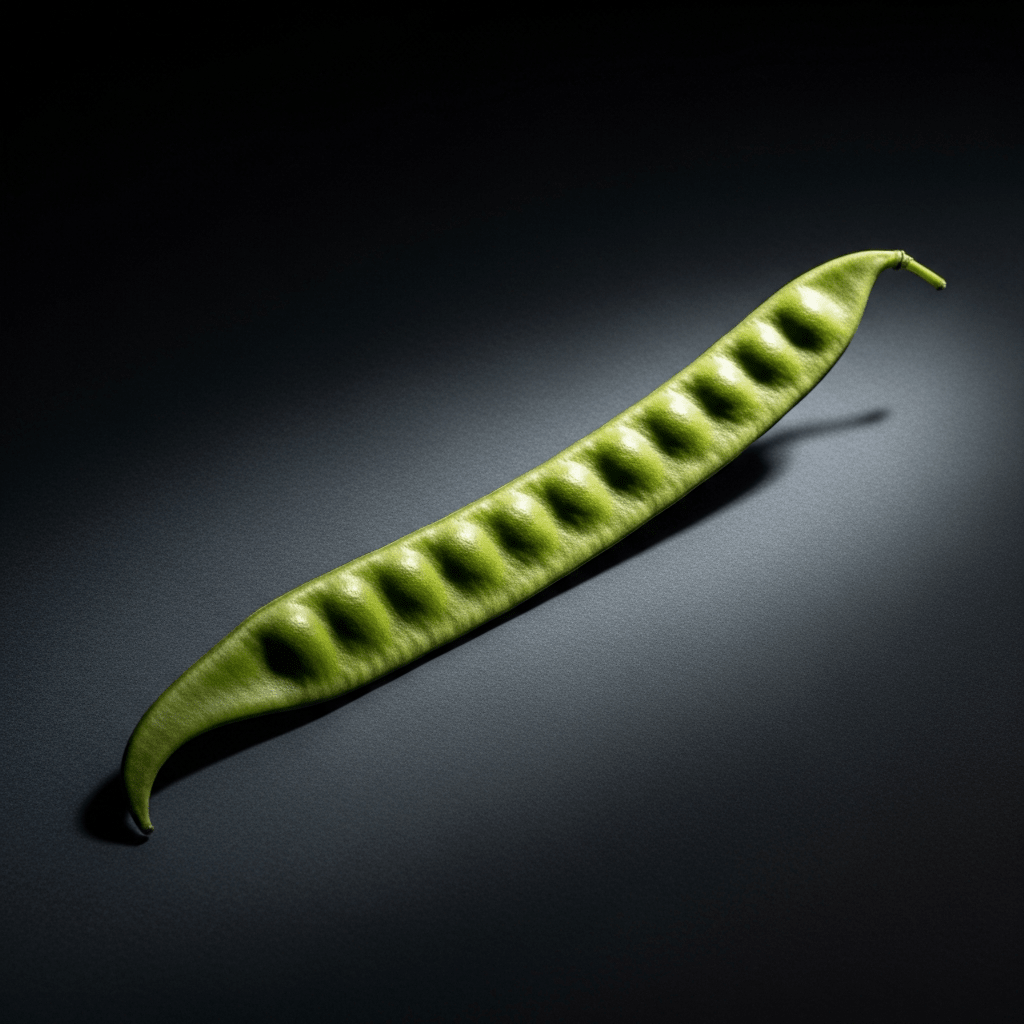
Sword bean (Canavalia gladiata) is a tropical legume known for its large, sword-shaped pods and edible seeds, widely cultivated in Asia for food, fodder, and soil enrichment.
Sword bean (Canavalia gladiata) is a tropical legume known for its large, sword-shaped pods and edible seeds, widely cultivated in Asia for food, fodder, and soil enrichment.
The sword bean originated in tropical Asia, with a long history of cultivation in regions such as India, China, and Southeast Asia. Its domestication traces back to wild populations of Canavalia gladiata, though no specific breeder or cultivar lineage is recorded.
Sword bean belongs to the Fabaceae family, genus Canavalia, and species gladiata. It is part of the broader legume group valued for their edible seeds and nitrogen-fixing abilities, fitting within the pole-type growth habit common to climbing beans.
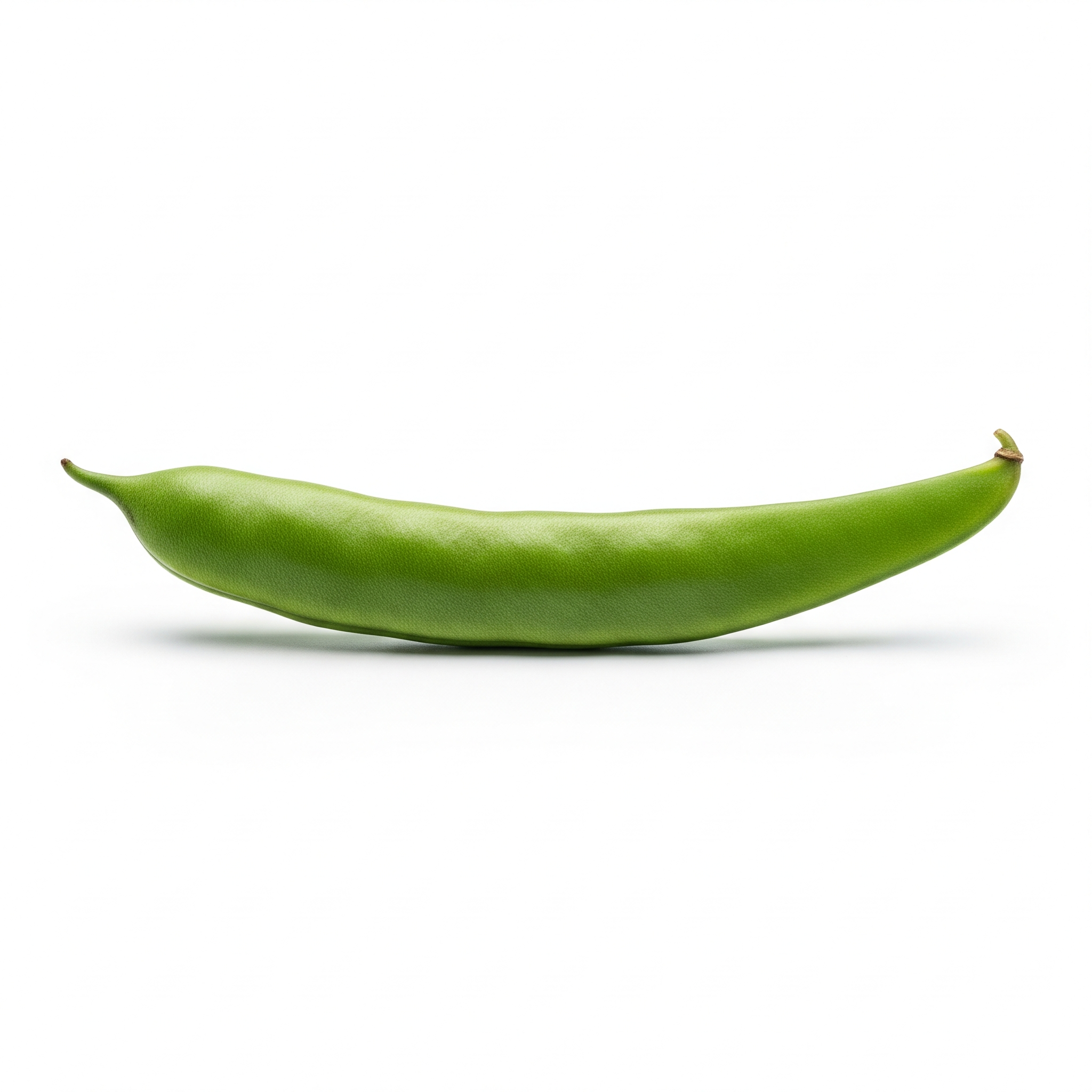
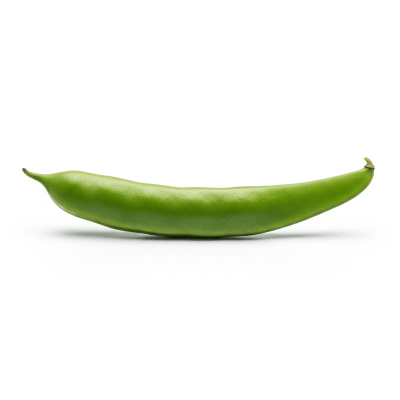
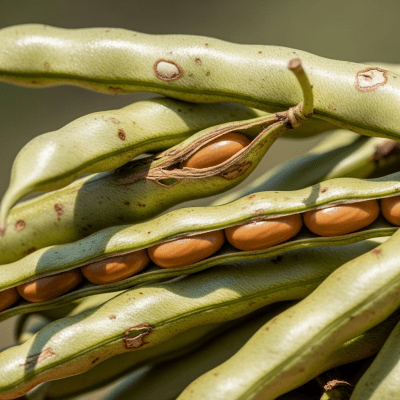
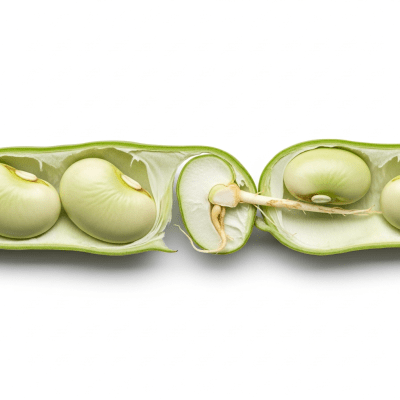
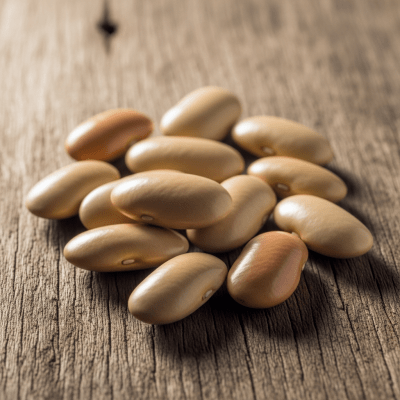
The plant is a vigorous climber reaching 2 to 6 meters tall, featuring trifoliate leaves and thick stems. Its pods are notably large, measuring 30 to 40 centimeters long, straight or slightly curved, each containing 8 to 12 oval to oblong seeds. Seed colors range from white and cream to reddish-brown.
Sword bean serves multiple roles: its seeds and young pods are consumed as vegetables after thorough cooking to neutralize natural toxins. It is also used as animal fodder and green manure, valued for its rapid growth and nitrogen-fixing capacity. The plant thrives in humid, marginal soils and tolerates moderate drought but is sensitive to frost.
Bring this kind into your world illustrated posters, mugs, and shirts.
Archival print, museum-grade paper
Buy Poster
Stoneware mug, dishwasher safe
Buy Mug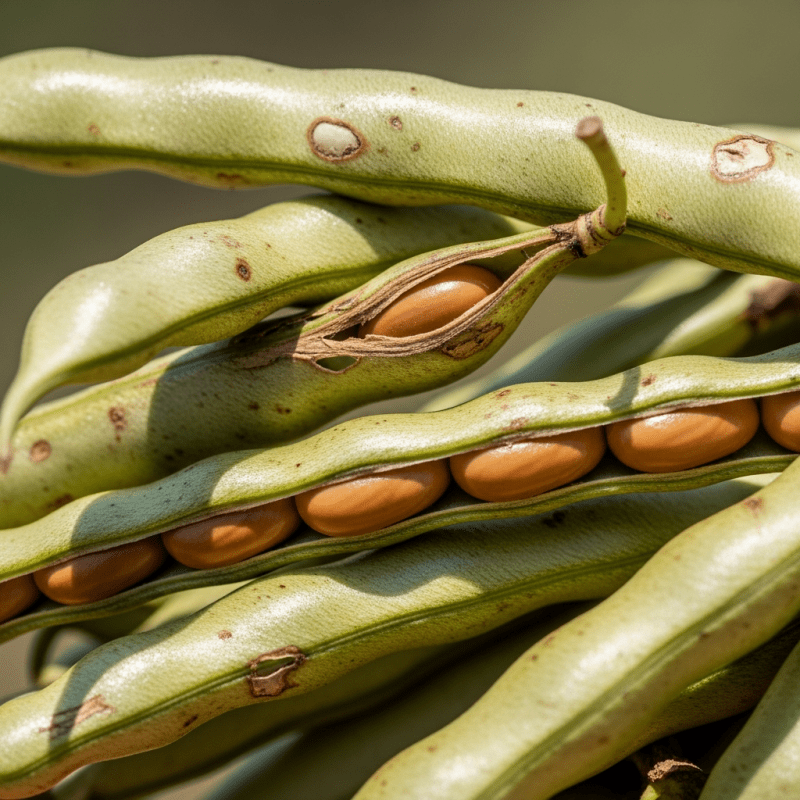
Soft cotton tee, unisex sizes
Buy ShirtIn various Asian cultures, sword bean is integrated into traditional diets and medicine. Known regionally as "chavli" or "chikudu kaya" in India, "dao dou" in China, and "nagamame" in Japan, it appears in local culinary traditions and folk practices, reflecting its enduring agricultural and cultural presence.
As a pole-type climber, sword bean grows between 200 and 600 cm tall. Its pods measure 30 to 40 cm in length, each bearing 8 to 12 seeds that are oval to oblong in shape and vary in color from white to reddish-brown. The plant tolerates drought conditions and some soil pathogens, though it is sensitive to frost. It requires warm, humid environments and is valued for its rapid biomass accumulation and nitrogen fixation.

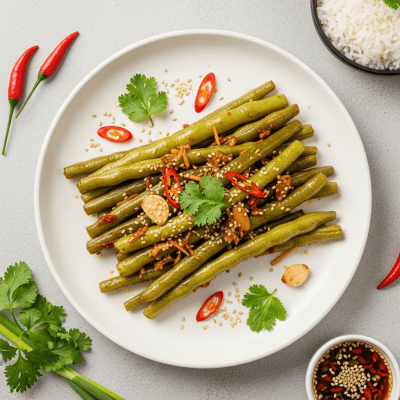
Sword bean is consumed mainly in its fresh form, with young pods used in stir-fries, curries, and soups, while mature seeds are boiled or roasted. Its seeds and pods provide a nutritious vegetable source after detoxification by cooking. Commercially, sword bean is a minor crop with limited market presence, primarily in South and East Asia, and is also utilized as animal fodder and in traditional medicine.
No specific cultivars or breeding institutions are documented for sword bean. Its cultivation relies on traditional varieties derived from wild populations without formal pedigree or release records.
For optimal growth, sword bean requires warm, humid climates and well-drained soils. It thrives in marginal soils and tolerates moderate drought but is sensitive to frost. Being a vigorous climber, it benefits from support structures. Regular monitoring for pod borers and mosaic viruses is recommended to maintain healthy yields.
Fresh sword bean pods and seeds should be stored in cool, dry conditions to maintain freshness. Due to their toxicity when raw, seeds must be thoroughly cooked before consumption. Dry seeds can be stored similarly to other legumes but require protection from moisture and pests to preserve viability and quality.