Winged Bean
The winged bean (Psophocarpus tetragonolobus) is a tropical legume prized for its uniquely winged pods and remarkable nutritional versatility, with nearly every part of the plant edible and rich in protein.
The winged bean (Psophocarpus tetragonolobus) is a tropical legume prized for its uniquely winged pods and remarkable nutritional versatility, with nearly every part of the plant edible and rich in protein.
Originating in Papua New Guinea and Southeast Asia, the winged bean has been cultivated traditionally for centuries. Its domestication predates modern breeding efforts, with no specific breeder credited, reflecting a long history of regional selection and use.
Belonging to the Fabaceae family, the winged bean falls under the genus Psophocarpus and species tetragonolobus. It is part of the diverse legume group known for nitrogen fixation and edible seeds, distinguishing itself by its four-winged pods.
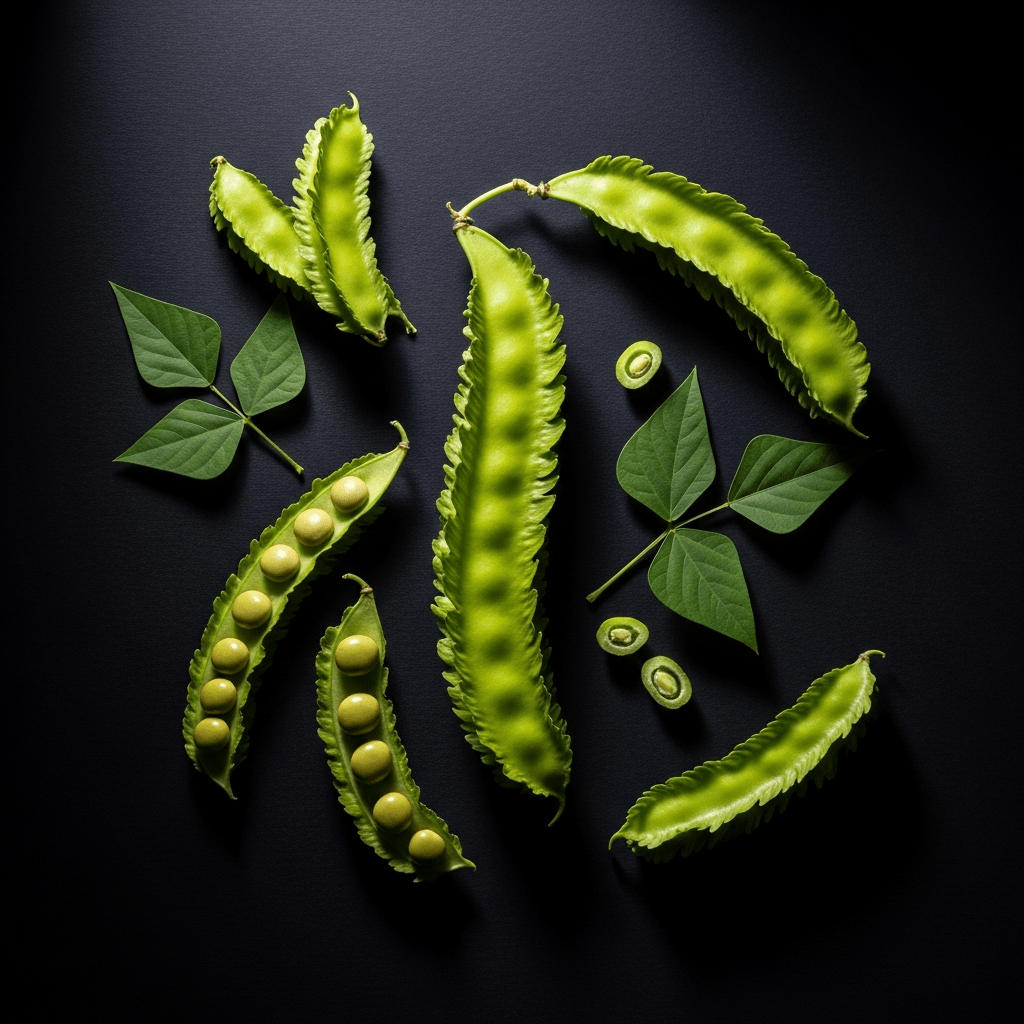
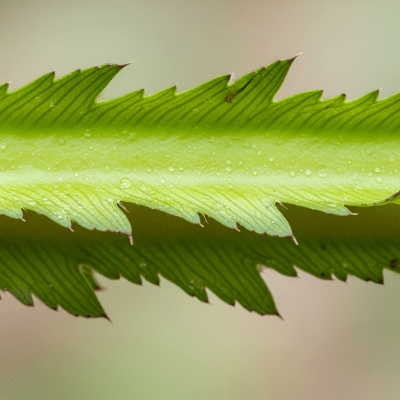
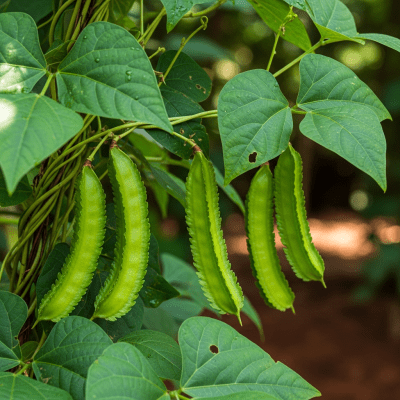
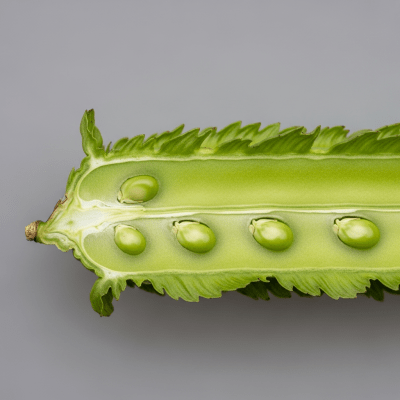
The winged bean plant is a vigorous climbing vine reaching 2 to 4 meters tall. Its pods measure 10 to 30 centimeters long and feature four prominent longitudinal wings, ranging in color from green to purplish. Seeds are round to oval and vary in color from white to brown or black.
Highly versatile, the winged bean serves multiple roles: its pods are eaten fresh or cooked, seeds are boiled or roasted, leaves and flowers are used in salads, and tubers are consumed similarly to potatoes. Its ability to fix nitrogen enriches soil, making it valuable in sustainable agriculture.
Bring this kind into your world illustrated posters, mugs, and shirts.

Archival print, museum-grade paper
Buy Poster
Stoneware mug, dishwasher safe
Buy Mug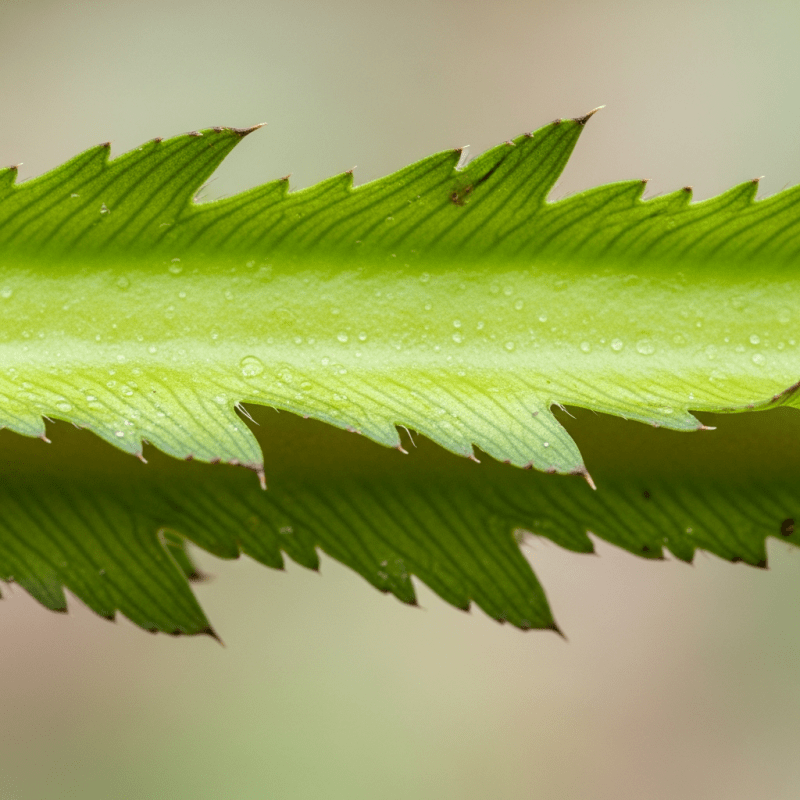
Soft cotton tee, unisex sizes
Buy ShirtIn Southeast Asia, the winged bean holds culinary and cultural importance, known locally as "kacang botol" in Malaysia and Indonesia, "sigarilyas" in the Philippines, and "dau rong" in Vietnam. It features in traditional dishes and symbolizes agricultural ingenuity in tropical farming communities.
As a pole-growing legume, the winged bean climbs vigorously to heights between 200 and 400 centimeters. Pods extend 10 to 30 centimeters and bear four distinctive wings. Seeds are round to oval, appearing in white, brown, or black hues. The plant thrives in humid tropical environments and contributes to soil health through nitrogen fixation. Fresh pods have limited shelf life, whereas dried seeds and tubers store more effectively.
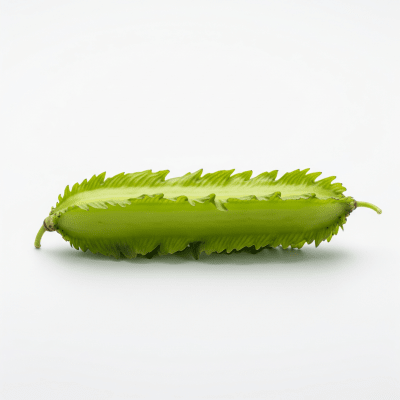
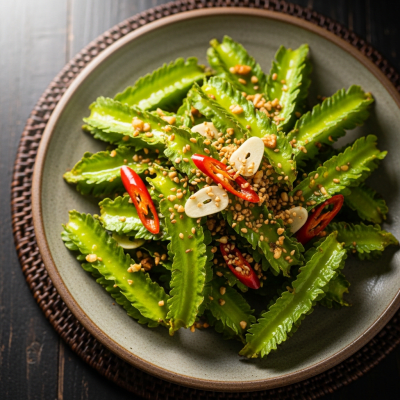
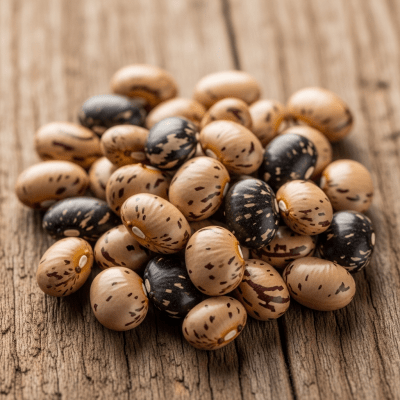
The winged bean is consumed fresh, with pods often cooked or eaten raw, seeds boiled or roasted, and leaves and flowers incorporated into salads. Tubers provide a starchy food source similar to potatoes. Its high protein and oil content position it as a promising alternative to soybean in tropical regions. Commercial availability remains largely regional, concentrated in Southeast Asia.
No widely recognized cultivars or formal breeding programs are documented for the winged bean, reflecting its status as a traditionally cultivated crop rather than a modern hybrid or selectively bred variety.
Winged beans thrive in warm, humid tropical climates and require support structures for their climbing habit. They prefer well-drained soils and benefit from their nitrogen-fixing ability, reducing the need for synthetic fertilizers. While generally robust, growers should monitor for fungal diseases and insect pests common in humid environments.
Fresh winged bean pods have a limited shelf life and are best consumed shortly after harvest. In contrast, dried seeds and tubers store well under cool, dry conditions, extending their usability and facilitating year-round consumption.