Mayocoba Bean
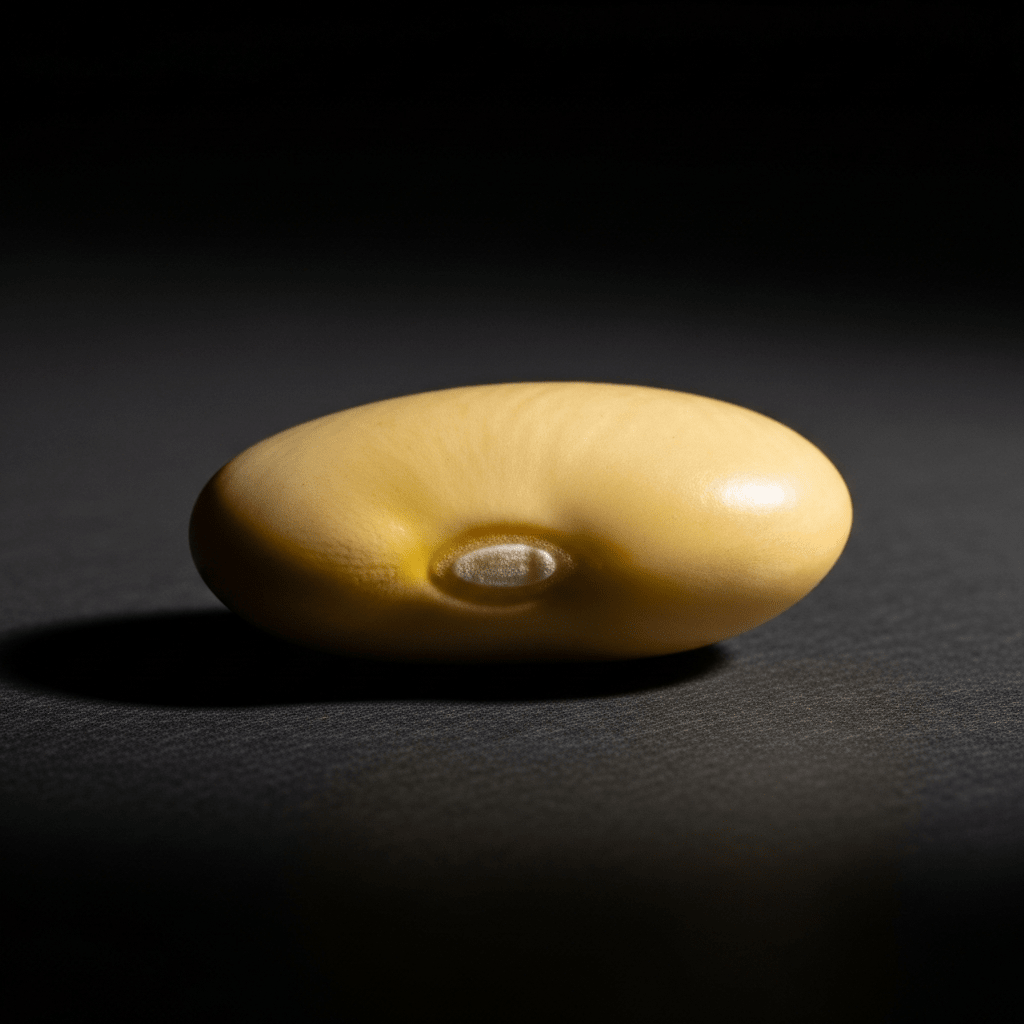
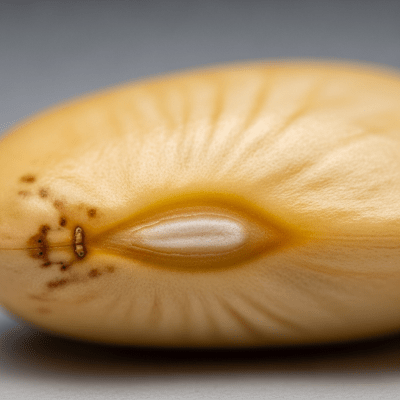
The Mayocoba bean is a pale yellow, oval to kidney-shaped edible seed of Phaseolus vulgaris, prized for its creamy texture and mild flavor that make it a versatile staple in Latin American cuisine.
The Mayocoba bean is a pale yellow, oval to kidney-shaped edible seed of Phaseolus vulgaris, prized for its creamy texture and mild flavor that make it a versatile staple in Latin American cuisine.
Originating in Peru, the Mayocoba bean traces its lineage to the Andean gene pool of Phaseolus vulgaris. Though its precise domestication period is undocumented, it gained commercial prominence after being introduced to Mexico and other regions during the 20th century.
The Mayocoba bean belongs to the Fabaceae family, within the genus Phaseolus and species vulgaris. It is part of the common bean group, which encompasses many widely cultivated edible beans.
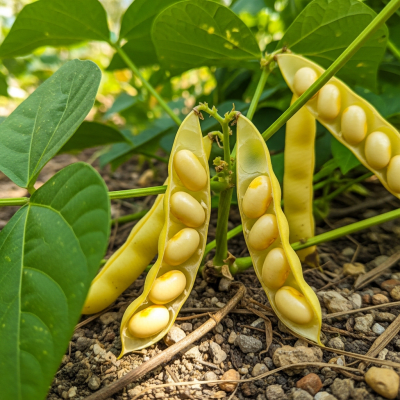
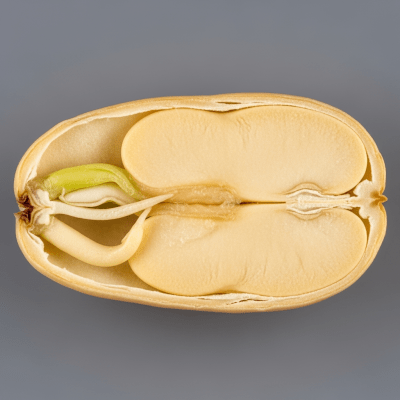
This bean features a smooth, thin skin and a uniform pale yellow color. Its seeds are medium-sized, shaped from oval to kidney-like, and the plant itself typically grows as a bush reaching 30 to 50 centimeters tall. Pods usually contain four to six seeds.
Mayocoba beans are valued for their high yield potential and moderate drought tolerance. They are susceptible to diseases such as common bean mosaic virus and anthracnose but store well when dried, maintaining their color and texture over time.
Bring this kind into your world illustrated posters, mugs, and shirts.

Archival print, museum-grade paper
Buy Poster
Stoneware mug, dishwasher safe
Buy Mug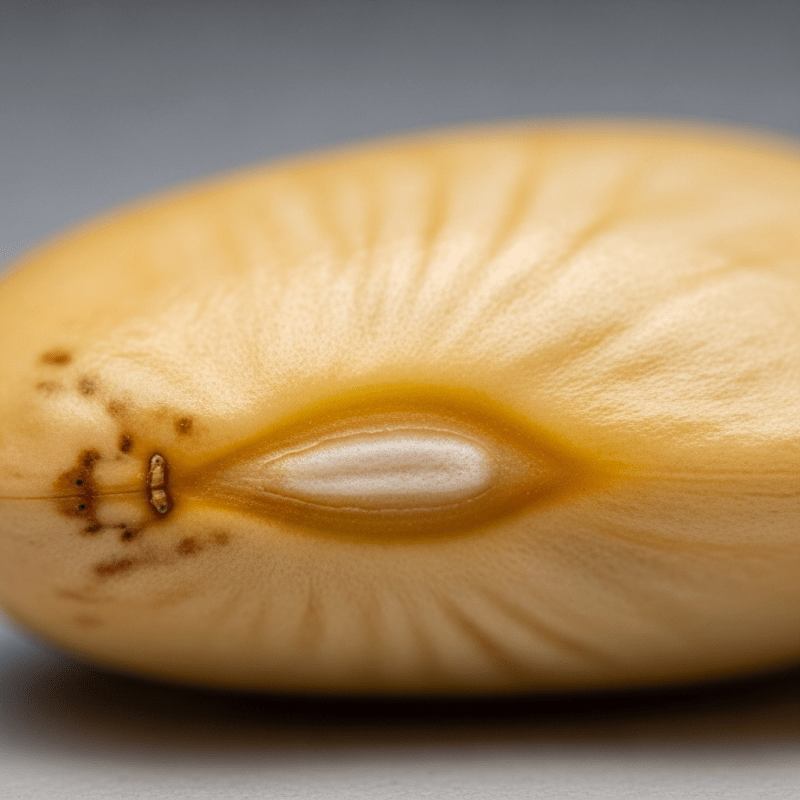
Soft cotton tee, unisex sizes
Buy ShirtKnown regionally as frijol mayocoba, frijol canario, or Mexican yellow bean, the Mayocoba bean holds a firm place in northern Mexican and Peruvian culinary traditions. Its mild flavor and creamy consistency have made it a cultural staple in soups, stews, and refried bean dishes.
Mayocoba bean plants exhibit a bush-type growth habit, typically reaching heights between 30 and 50 centimeters. Pods contain four to six seeds, which are oval to kidney-shaped and uniformly pale yellow. The bean shows moderate drought tolerance but is vulnerable to common bean mosaic virus and anthracnose. When dried, seeds store well, retaining their color and texture for extended periods.
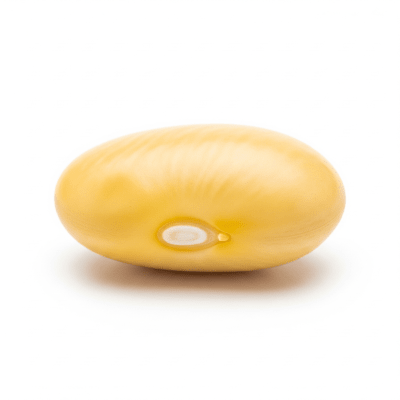
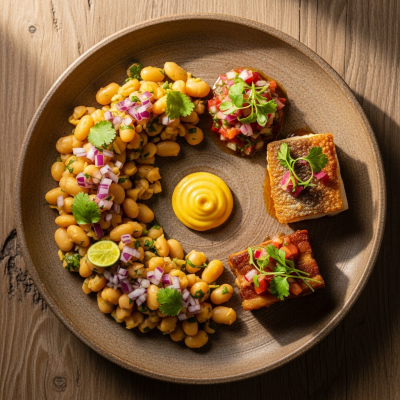
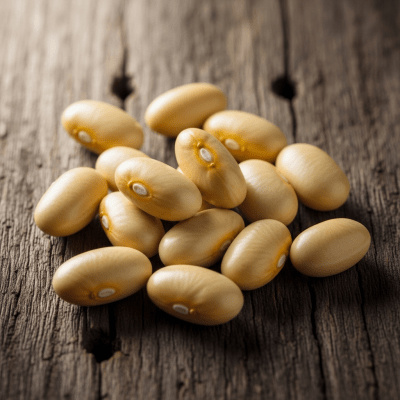
Consumed in dried, canned, and fresh forms, Mayocoba beans are favored for their creamy texture and mild flavor. They are staples in Latin American markets, especially in Mexico and Peru, and commonly featured in soups, stews, and refried bean dishes. Their culinary versatility allows them to substitute for other popular beans like pinto or cannellini.
No specific cultivars or breeder information are documented for the Mayocoba bean. It remains a traditional variety with a lineage rooted in the Andean gene pool, without known formal breeding releases.
Mayocoba beans thrive in bush-type growth conditions and tolerate moderate drought, making them suitable for regions with variable rainfall. Growers should monitor for common bean mosaic virus and anthracnose, applying appropriate disease management practices. The plants typically mature within a moderate timeframe and benefit from well-drained soils and full sun exposure.
Dried Mayocoba beans store exceptionally well, maintaining their pale yellow color and creamy texture over time. For best preservation, keep them in a cool, dry place in airtight containers to prevent moisture and pest damage, ensuring long shelf life and quality retention.