Navy Bean
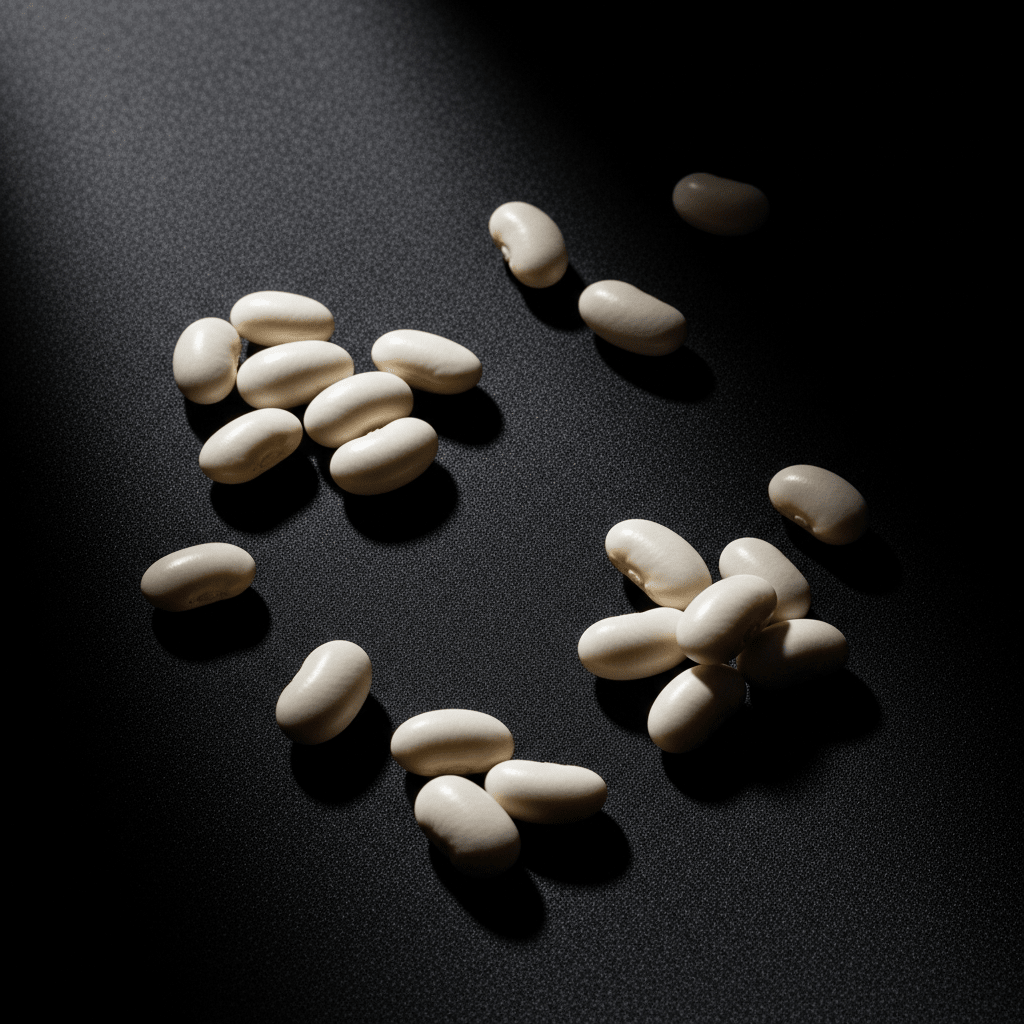
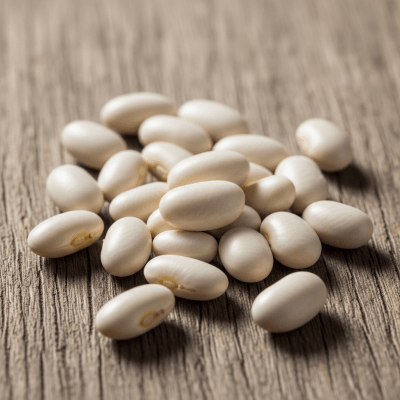
The navy bean is a small, white, oval-shaped edible seed of Phaseolus vulgaris, prized for its mild flavor, creamy texture, and versatility in cooking.
The navy bean is a small, white, oval-shaped edible seed of Phaseolus vulgaris, prized for its mild flavor, creamy texture, and versatility in cooking.
Originating from Central and South America, the navy bean is a domesticated variety of the common bean that gained widespread cultivation in North America during the 19th century. Its name reflects its historical role as a staple food for the U.S. Navy.
Belonging to the Fabaceae family, the navy bean is classified botanically as Phaseolus vulgaris, the common bean species that encompasses many popular edible beans worldwide.
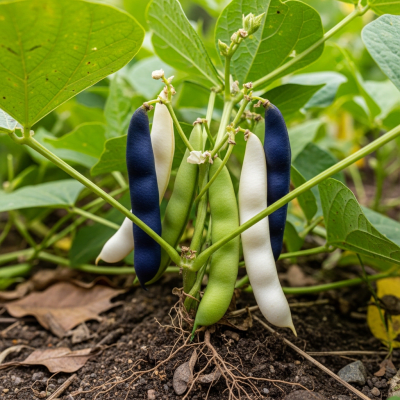
Navy beans are small, oval seeds typically measuring 1 to 1.5 centimeters in length. They have a smooth white seed coat and grow on bush-type plants that reach 30 to 45 centimeters tall, with slender pods containing four to six seeds each.
Valued for their ability to retain shape after cooking, navy beans are commonly used in baked beans, soups, stews, and purees. Their mild flavor and creamy texture make them a versatile ingredient in both home and institutional kitchens.
Bring this kind into your world illustrated posters, mugs, and shirts.

Archival print, museum-grade paper
Buy Poster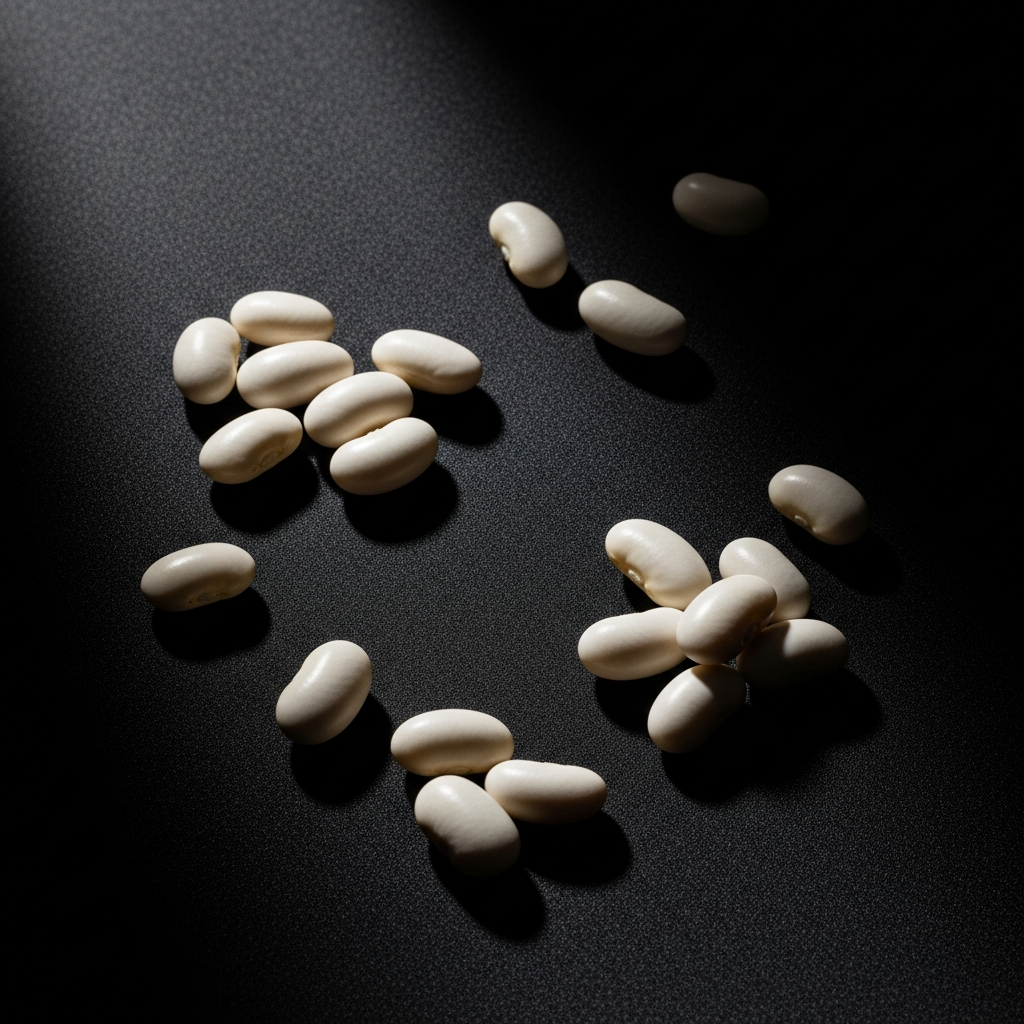
Stoneware mug, dishwasher safe
Buy Mug
Soft cotton tee, unisex sizes
Buy ShirtThe navy bean holds cultural significance through its association with the U.S. Navy, where it served as a reliable, nutritious staple in sailors’ diets during the 19th and 20th centuries. It also appears in regional dishes such as Boston baked beans and is known by various names across cultures.
The navy bean plant is a bush-type with a determinate growth habit, typically growing 30 to 45 centimeters tall. Pods are slender and contain four to six small, oval white seeds measuring 1 to 1.5 centimeters. The crop matures within 85 to 100 days and shows moderate resistance to common bean mosaic virus and bacterial blight, though it is susceptible to root rot and anthracnose. Seeds store well when dried, maintaining quality for up to 12 months under cool, dry conditions.

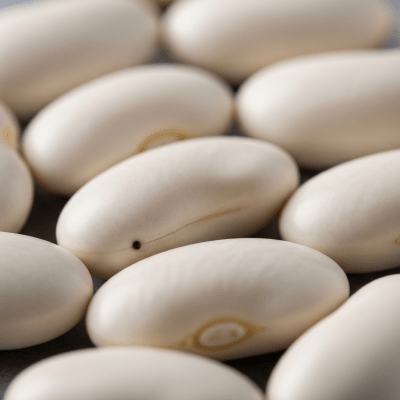

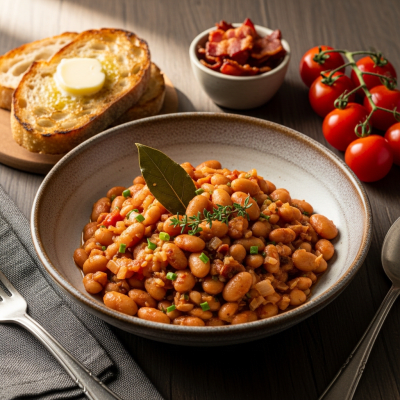
Navy beans are available dried, canned, and occasionally fresh. They are a staple in North American cuisine, especially in baked beans and hearty soups. Nutritionally, they offer high protein, dietary fiber, folate, and essential minerals, making them popular in vegetarian and health-conscious diets. The United States and Canada are major producers and exporters of navy beans.
Specific cultivar names, breeders, or release dates for navy beans are not well documented, as this variety has been developed over generations through traditional selection for uniform size and cooking quality.
For optimal growth, navy beans should be planted in well-drained soil with moderate fertility. They thrive as bush-type plants requiring minimal staking. The crop matures in roughly three months and benefits from crop rotation to manage disease risks such as root rot and anthracnose. Maintaining cool, dry conditions post-harvest helps preserve seed quality.
Dried navy beans store best in cool, dry environments, where they can maintain quality for up to 12 months. Proper storage in airtight containers protects them from moisture and pests, ensuring longevity and preserving their cooking qualities.