Calico Bean
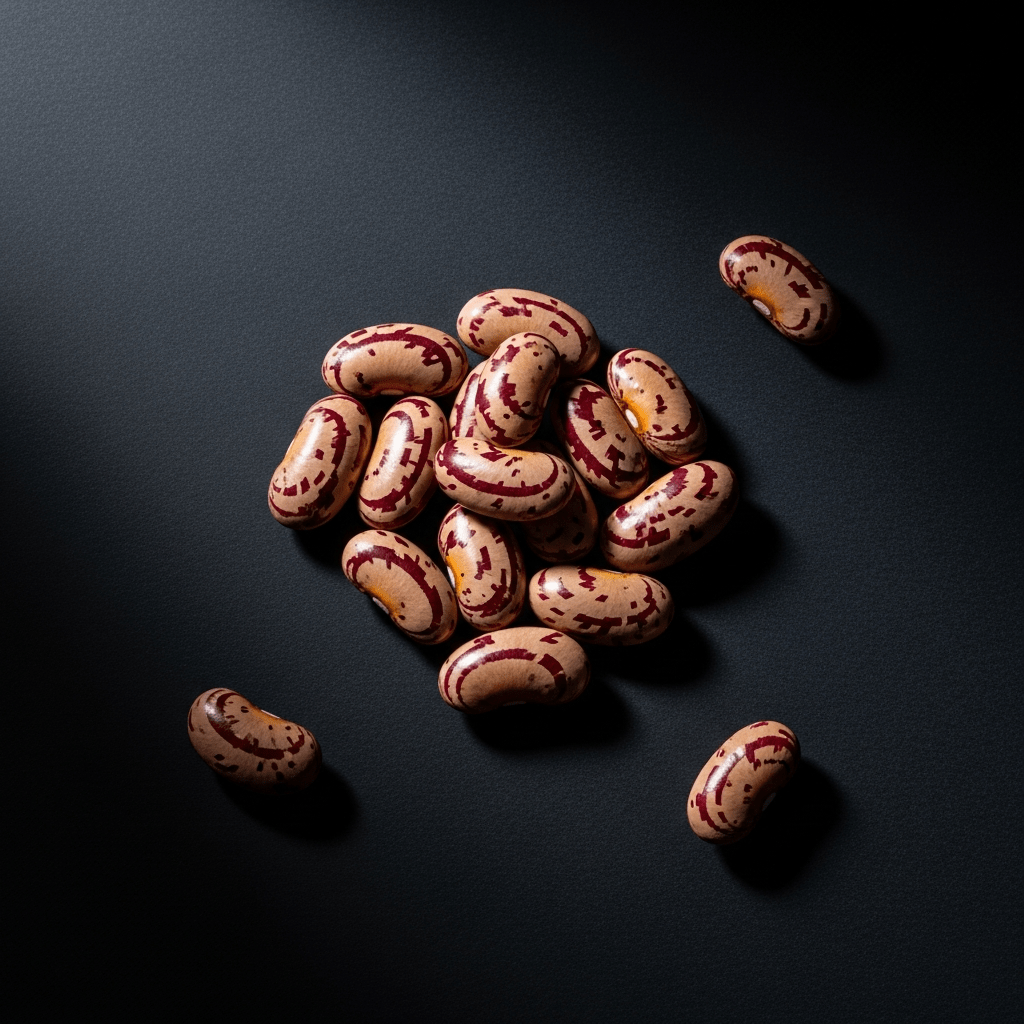
The Calico Bean is a visually striking variety of the common bean (Phaseolus vulgaris) known for its distinctive mottled seed coat combining cream, red, pink, and brown hues.
The Calico Bean is a visually striking variety of the common bean (Phaseolus vulgaris) known for its distinctive mottled seed coat combining cream, red, pink, and brown hues.
Originating from the domesticated common bean native to Central and South America, the Calico Bean represents a market term encompassing several mottled varieties. Its unique speckled pattern likely emerged through traditional selection over thousands of years, with domestication of Phaseolus vulgaris dating back at least 7,000 years. No single breeder or institution is credited with its development, reflecting its heritage as a naturally selected trait within diverse bean populations.
Calico Bean belongs to the Fabaceae family, genus Phaseolus, and species vulgaris, placing it within the broad group of common beans. While sometimes used interchangeably with cranberry or borlotti beans, the term "Calico Bean" broadly refers to multiple mottled varieties distinguished by their seed coat patterns rather than strict botanical differences.
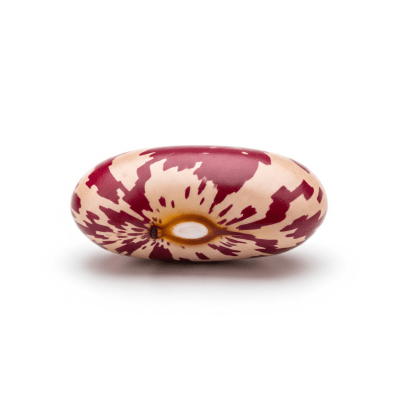
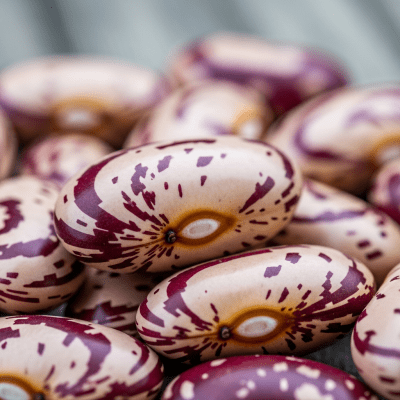
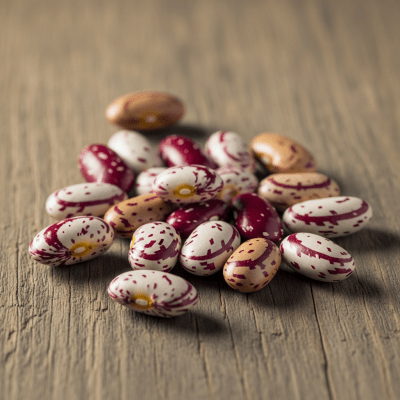
These beans are medium to large in size, with seeds that are oval or kidney-shaped. Their hallmark is the multicolored, speckled seed coat featuring a cream background adorned with red, pink, and brown blotches, creating a calico-like pattern that is both attractive and distinctive.
Primarily harvested as dry beans, Calico Beans are valued for their creamy texture and mild flavor. They are versatile in culinary applications, commonly used in soups, stews, and baked dishes. Their appealing appearance also makes them popular in mixed bean products and specialty markets, where they add visual interest and variety.
Bring this kind into your world illustrated posters, mugs, and shirts.
Archival print, museum-grade paper
Buy Poster
Stoneware mug, dishwasher safe
Buy Mug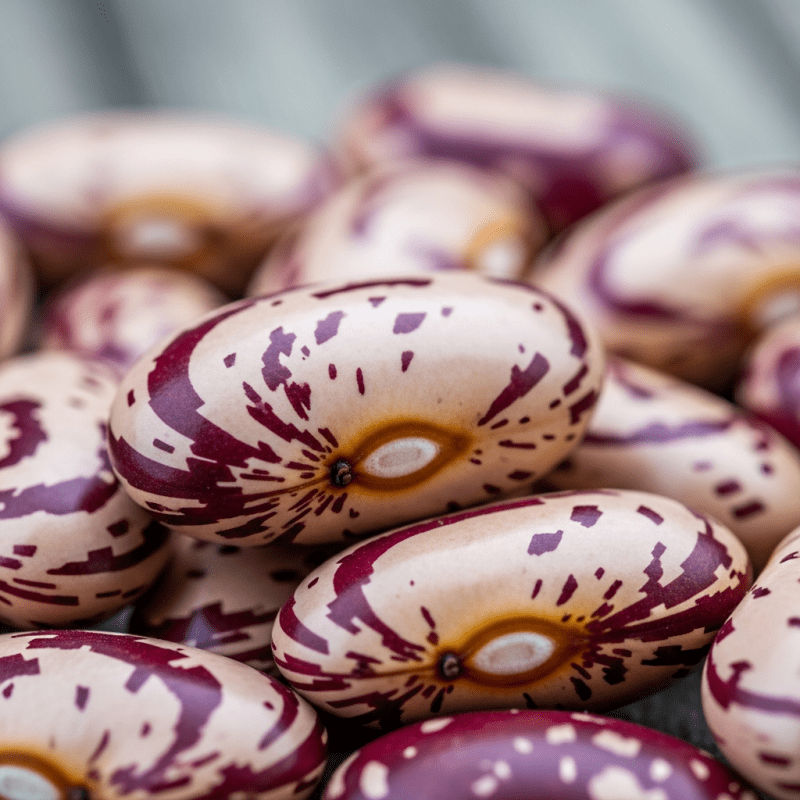
Soft cotton tee, unisex sizes
Buy ShirtWhile not tied to a specific cultural myth or artwork, Calico Beans hold a place in regional cuisines and markets where their colorful appearance and culinary versatility are appreciated. They contribute to the rich tradition of bean cultivation and consumption that spans the Americas and Europe, especially where mottled beans like borlotti are prized.
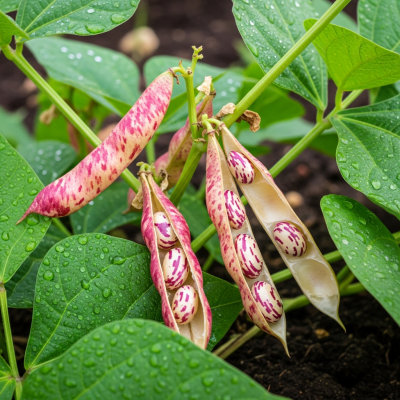
Calico Bean plants are annual and herbaceous, with growth habits varying between bush and pole types depending on the specific variety. Seeds are oval or kidney-shaped, showcasing a cream base color with red, pink, and brown mottling. While detailed growth parameters vary, these beans adapt well to temperate climates and are typically harvested when dry. Disease resistance is variable, with some cultivars showing tolerance to mosaic virus and anthracnose. Seeds store well under cool, dry conditions, retaining viability and quality.
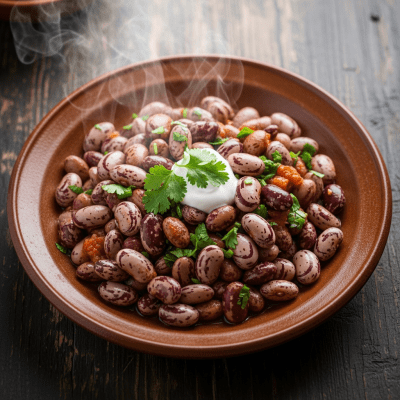
Calico Beans are most commonly available in dried and canned forms. Their creamy texture and mild flavor make them a favorite in hearty soups, stews, and baked dishes. They are frequently featured in specialty markets and mixed bean products, prized for their eye-catching appearance. Nutritionally, they offer a good source of protein and fiber, contributing to balanced diets. Commercially, they hold significance in North American and European markets, where they are sometimes marketed under names like cranberry or borlotti beans.
As a market term, Calico Bean encompasses multiple mottled varieties rather than a single defined cultivar. No specific breeders or institutions are credited with its development, reflecting its origin through traditional selection rather than formal breeding programs.
For successful cultivation, Calico Beans thrive in temperate climates with well-drained soil. Depending on the variety, plants may grow as bush or pole types, requiring appropriate support for pole beans. They generally prefer moderate watering and benefit from crop rotation to reduce disease pressure. Monitoring for common diseases such as mosaic virus and anthracnose is advised, with resistant cultivars preferred where available. Harvesting should occur when pods are dry to ensure seed quality and storability.
Calico Beans should be stored dry and in cool, well-ventilated conditions to maintain their quality and longevity. Properly dried seeds can be kept for extended periods without loss of viability. Avoid exposure to moisture and heat, which can promote spoilage or reduce germination rates. For culinary use, dried beans can be soaked before cooking to reduce cooking time and improve digestibility.