Anasazi Bean
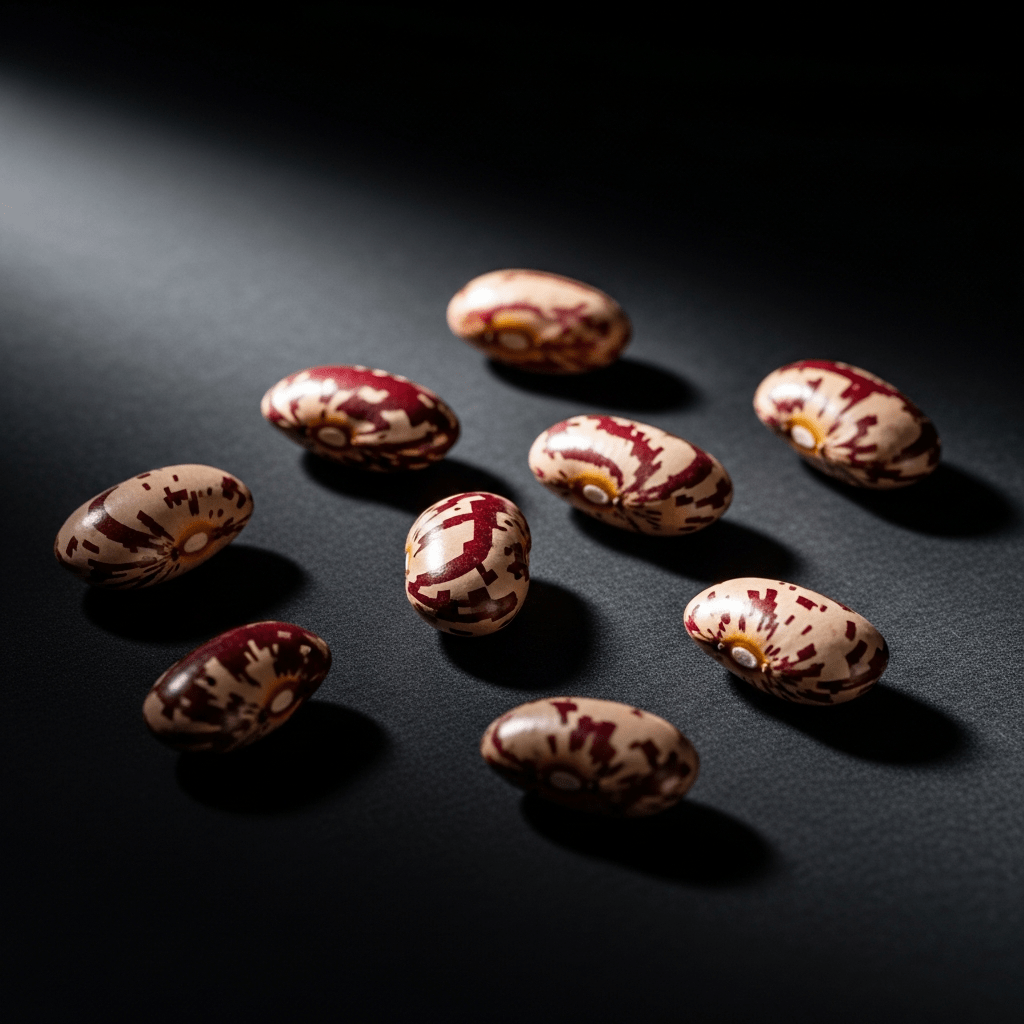
The Anasazi bean is a distinctive heirloom variety of Phaseolus vulgaris, prized for its striking mottled burgundy and white seeds and valued for its rapid cooking time and mild, creamy flavor.
The Anasazi bean is a distinctive heirloom variety of Phaseolus vulgaris, prized for its striking mottled burgundy and white seeds and valued for its rapid cooking time and mild, creamy flavor.
Originating over 1,000 years ago in the Four Corners region of the southwestern United States, the Anasazi bean was cultivated by the ancestral Puebloans, known as the Anasazi. This ancient heritage bean was rediscovered and reintroduced commercially in the late 20th century, preserving its historical legacy and unique traits.
Belonging to the Fabaceae family, the Anasazi bean is a member of the genus Phaseolus and species vulgaris, the common bean group that includes many well-known edible beans worldwide.
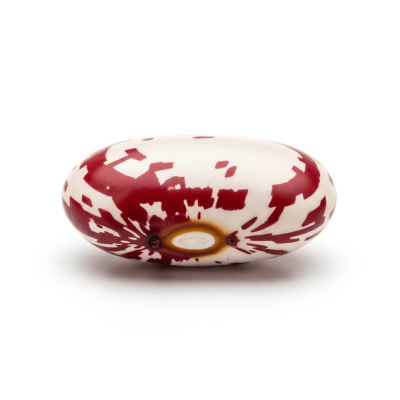
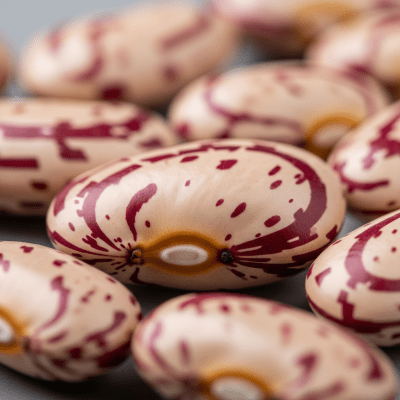
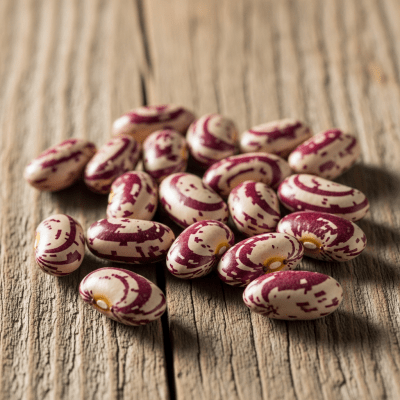
The Anasazi bean features medium-sized, oval seeds with a distinctive mottled pattern of burgundy and white. The plant itself grows as a bush-type, typically maturing within 90 to 100 days. Its thin seed coats contribute to a noticeably faster cooking time compared to many other dry beans.
Primarily cultivated for culinary use, the Anasazi bean is favored for its mild, slightly sweet flavor and creamy texture. It is commonly used dried or refried in southwestern and Mexican dishes such as stews and soups. Its thin skin reduces cooking time and digestive discomfort, making it a practical choice for home cooks and chefs alike.
Bring this kind into your world illustrated posters, mugs, and shirts.

Archival print, museum-grade paper
Buy Poster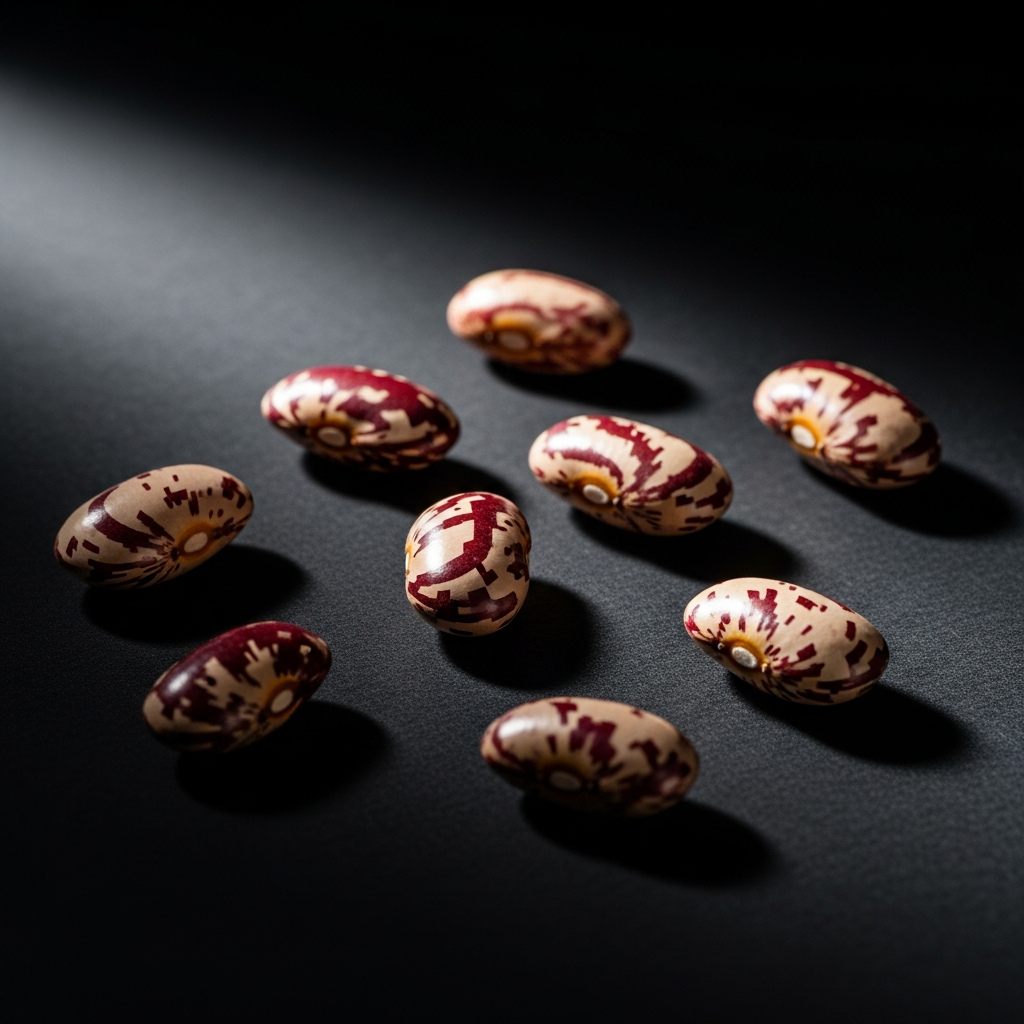
Stoneware mug, dishwasher safe
Buy Mug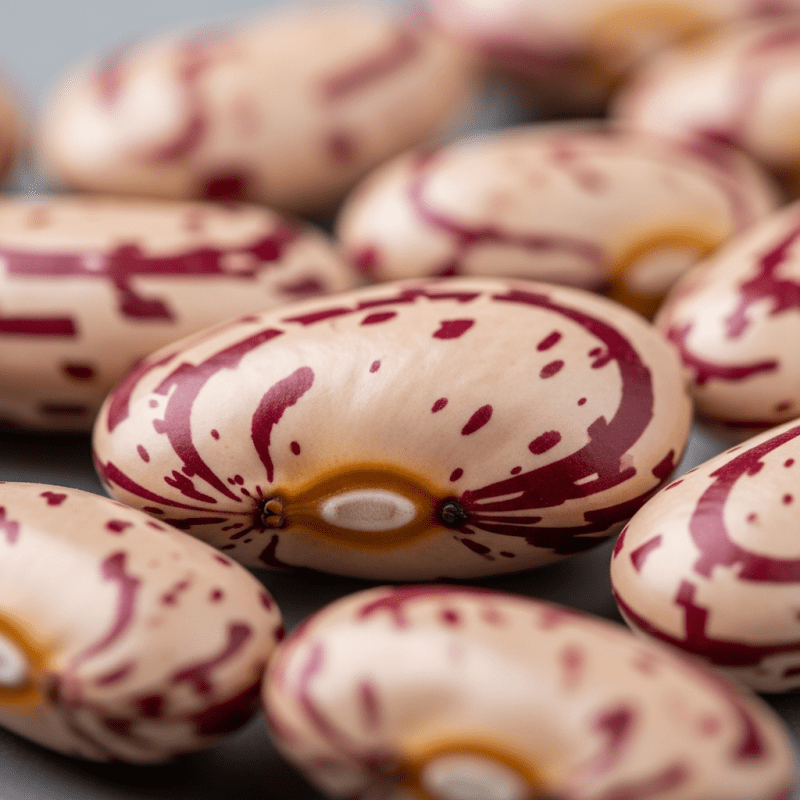
Soft cotton tee, unisex sizes
Buy ShirtDeeply tied to the heritage of the ancestral Puebloan peoples, the Anasazi bean holds cultural importance as a living link to indigenous agriculture and cuisine of the American Southwest. Its archaeological recovery from ancient sites underscores its role in regional history and traditional foodways.
The Anasazi bean plant is a bush-type growth habit, maturing in approximately 90 to 100 days. Seeds are oval-shaped with a distinctive mottled burgundy and white coloration. The variety thrives in dry conditions, exhibiting drought tolerance, though it has moderate susceptibility to common bean diseases. Storage follows typical dry bean practices, maintaining good shelf life under cool, dry conditions.


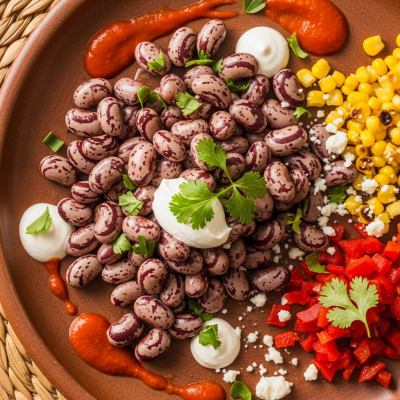
Consumed primarily in dried and refried forms, Anasazi beans are staples in southwestern and Mexican cuisines. They feature in stews, soups, and refried bean dishes, prized for their mild, slightly sweet flavor and creamy texture. Nutritionally, they provide a valuable protein source, and their rapid cooking time and reduced flatulence tendency enhance their appeal. While commercial availability remains limited, specialty and heirloom seed suppliers increasingly offer this variety, especially in the southwestern United States and Mexico.
Specific cultivar names, breeders, or release years for the Anasazi bean are not documented. The modern commercial strain was reintroduced in the late 20th century, maintaining the traditional genetic lineage without known hybridization outside the species.
For successful cultivation, plant Anasazi beans in well-drained soil with full sun exposure, ideally in arid or semi-arid climates. Their bush growth habit simplifies management, and they require moderate watering, benefiting from their inherent drought tolerance. Monitor for common bean diseases, as susceptibility is moderate. Harvest when pods mature and dry on the plant for optimal seed quality.
Anasazi beans store well as dried seeds under cool, dry conditions, maintaining viability and quality for extended periods. To preserve flavor and cooking qualities, keep them in airtight containers away from moisture and direct sunlight. Properly stored, they offer a long shelf life typical of dry beans.