Lima Bean
The lima bean (Phaseolus lunatus) is a starchy legume prized for its flat, buttery-flavored seeds, widely cultivated in tropical and subtropical regions for both fresh and dried consumption.
The lima bean (Phaseolus lunatus) is a starchy legume prized for its flat, buttery-flavored seeds, widely cultivated in tropical and subtropical regions for both fresh and dried consumption.
Domesticated around 2000 BCE in Central and South America, the lima bean traces its roots to ancient agricultural practices in Peru. It evolved from wild Phaseolus lunatus populations, developing into two main gene pools: the small-seeded Mesoamerican 'Sieva' type and the large-seeded Andean 'Big Lima' type. Modern cultivars have been refined by institutions like the USDA and CIAT to enhance yield and adaptability.
Belonging to the Fabaceae family, the lima bean falls within the genus Phaseolus and species lunatus. It is part of a broader group of edible legumes commonly called beans, which are valued for their nutritional and agricultural importance worldwide.
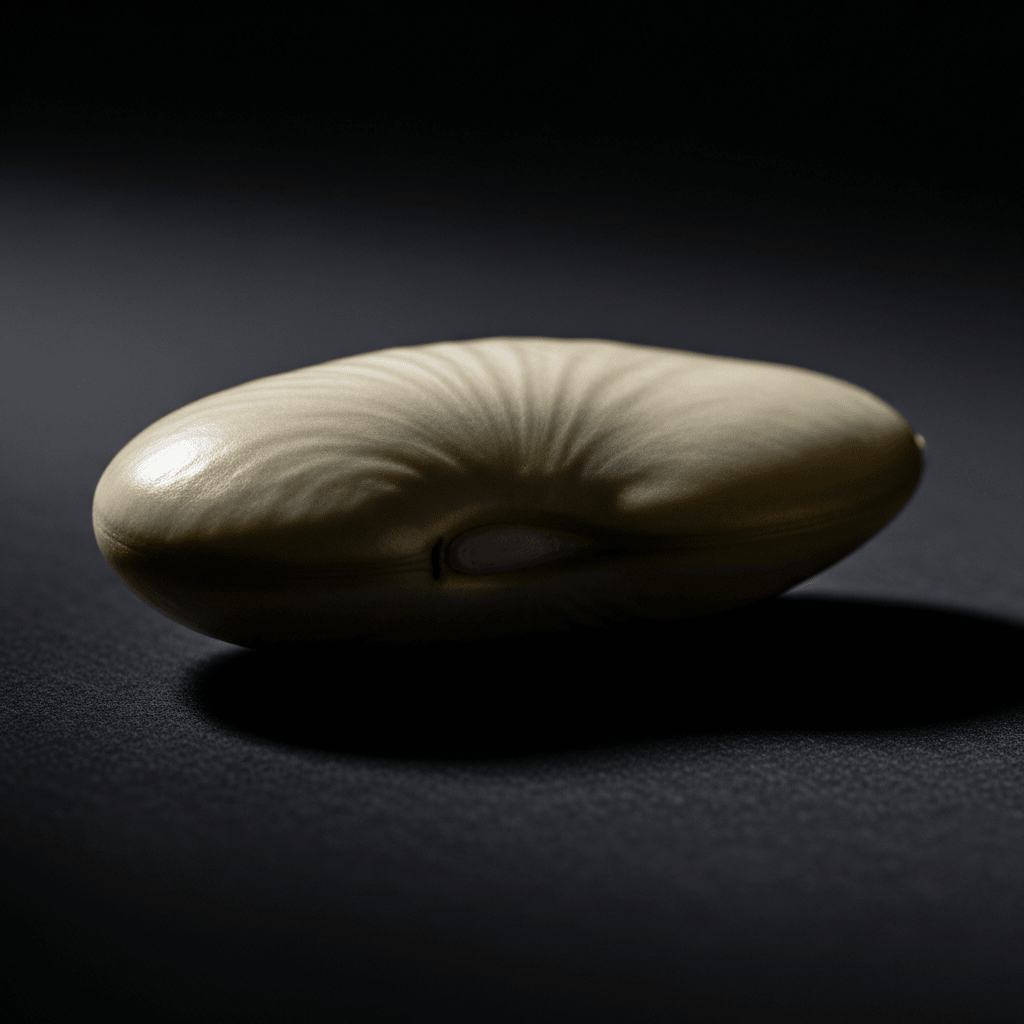
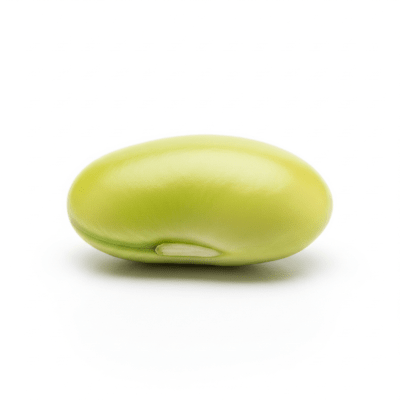
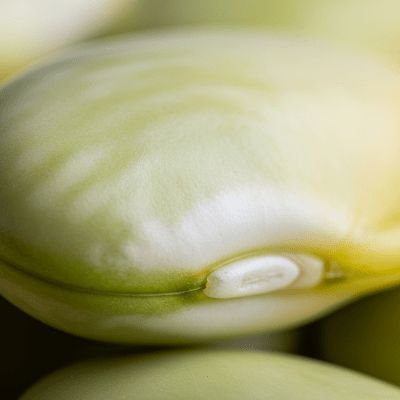
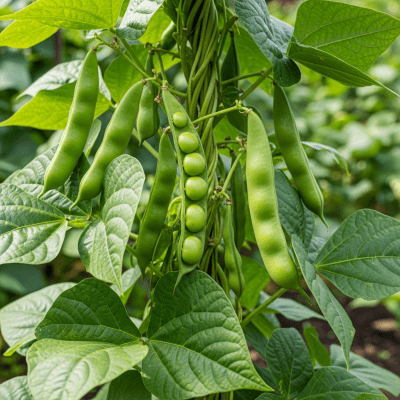
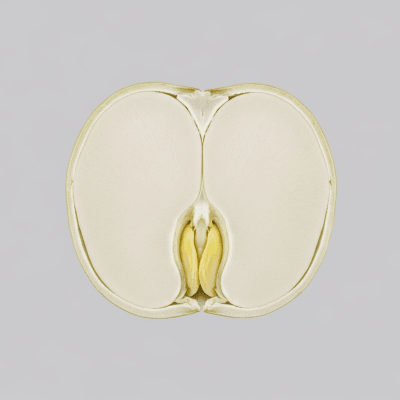
Lima bean seeds are characteristically flat and range from oval to kidney-shaped, with colors spanning white, cream, green, and mottled patterns. The pods typically measure 5 to 15 centimeters in length and contain two to four seeds each, reflecting the plant’s distinctive form.
Lima beans serve as a versatile food source, consumed fresh, dried, or canned. Their starchy seeds are often used in stews, soups, succotash, and as side dishes. The 'butter bean' variant is especially noted for its creamy texture. Due to the presence of linamarin, a natural toxin, lima beans require soaking and thorough cooking to ensure safety.
Bring this kind into your world illustrated posters, mugs, and shirts.
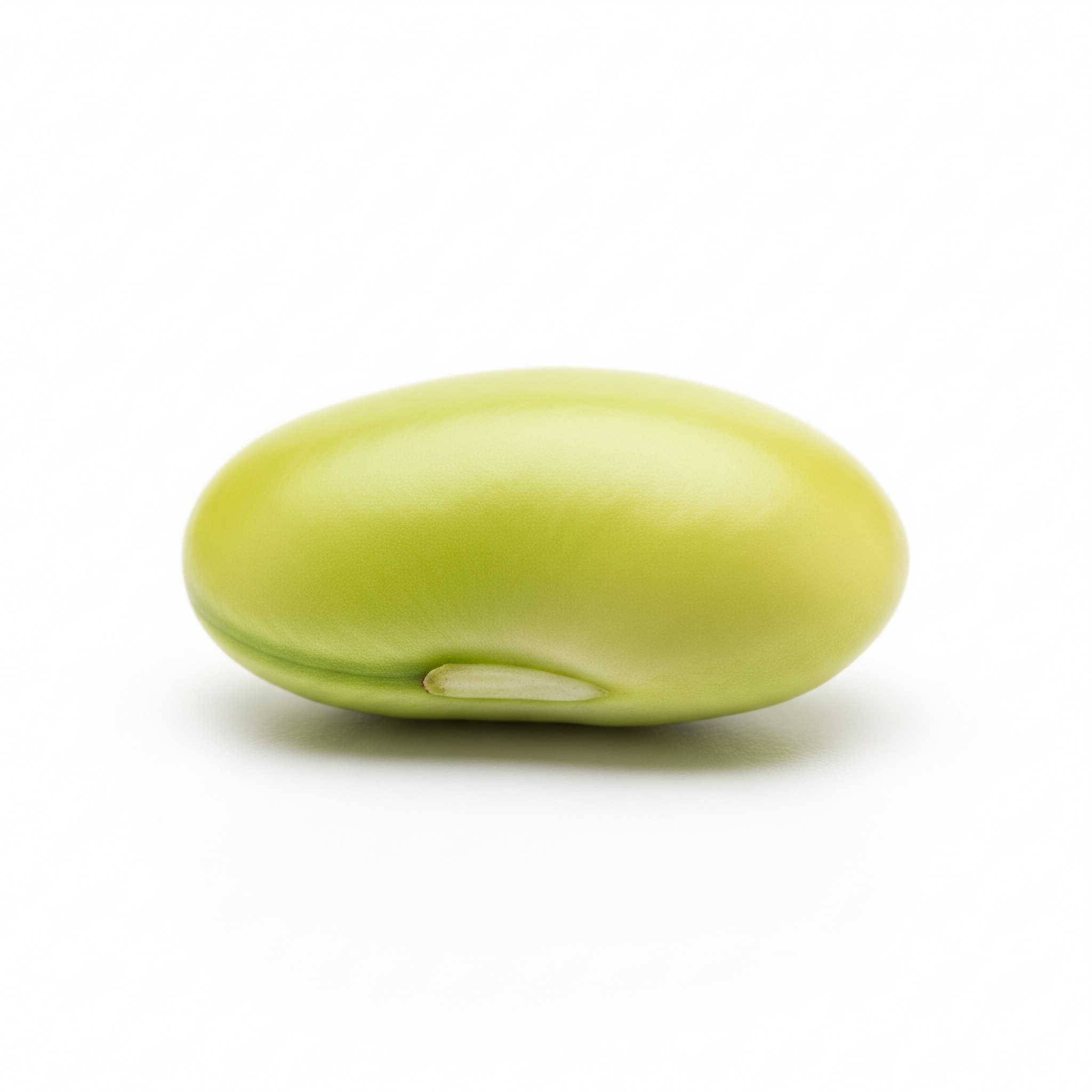
Archival print, museum-grade paper
Buy Poster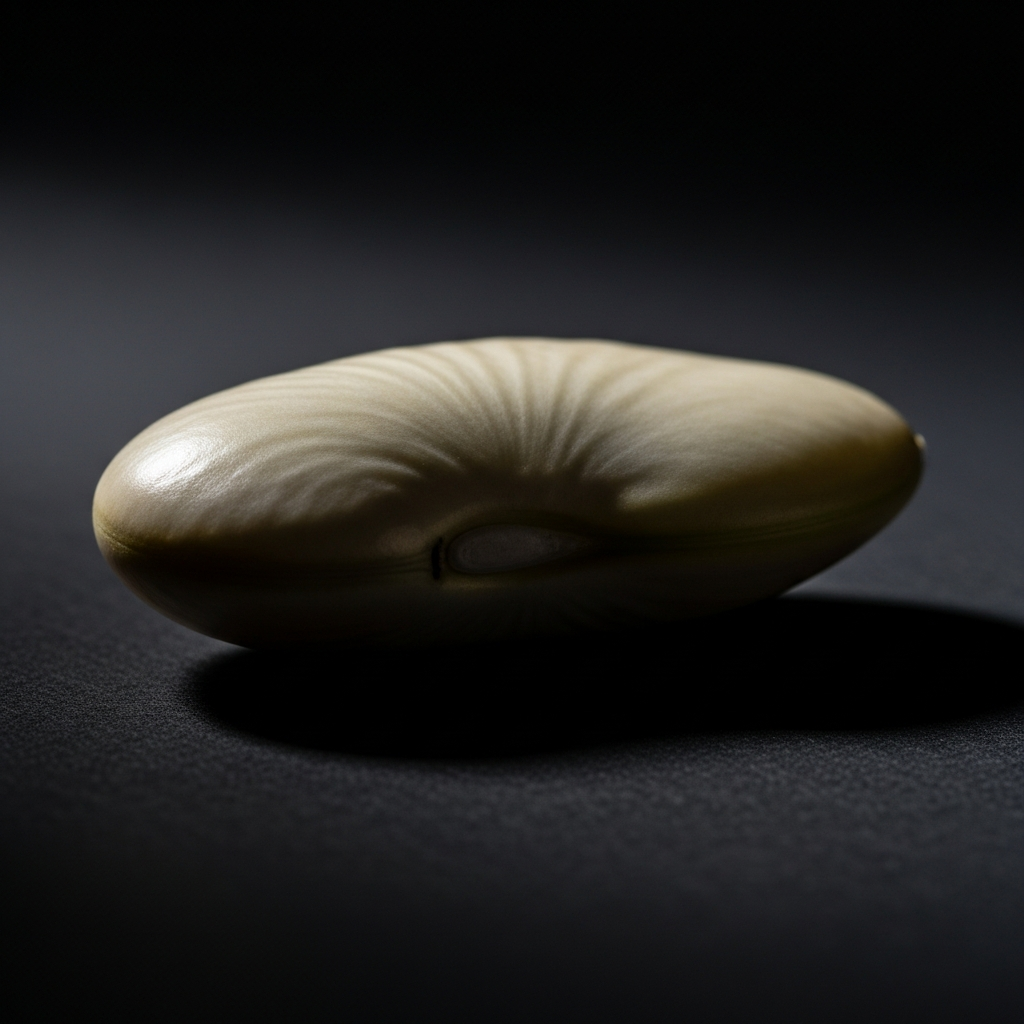
Stoneware mug, dishwasher safe
Buy Mug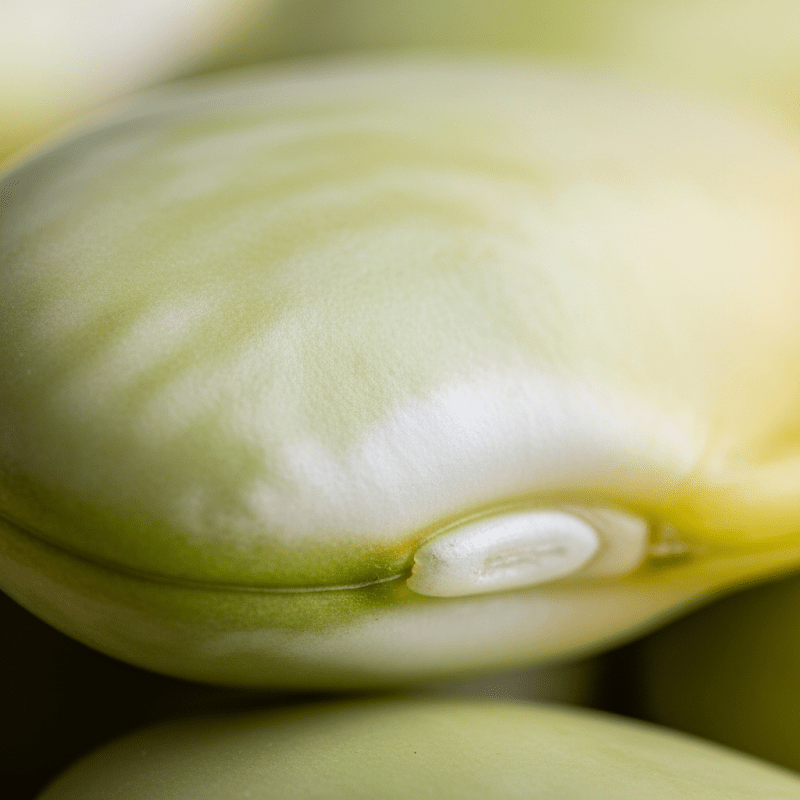
Soft cotton tee, unisex sizes
Buy ShirtAcross the Americas, Africa, and Asia, lima beans hold culinary and cultural value, appearing in traditional dishes and regional cuisines. Known by various names such as butter bean, Madagascar bean, sieva bean, and haba, they reflect diverse agricultural heritage and local food customs.
Typically, lima bean plants produce pods 5 to 15 centimeters long, each containing two to four flat, oval to kidney-shaped seeds. Seed colors vary from white and cream to green and mottled. The plants thrive best in warm climates between 20 and 30°C, showing notable drought tolerance and some resistance to fungal pathogens. While growth habit varies by cultivar, the species generally prefers well-drained soils and is sensitive to frost. Seeds contain linamarin, a cyanogenic glycoside that cooking neutralizes.
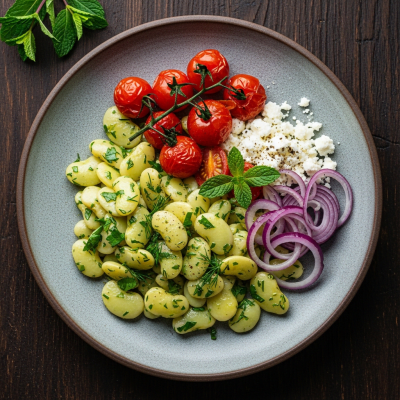
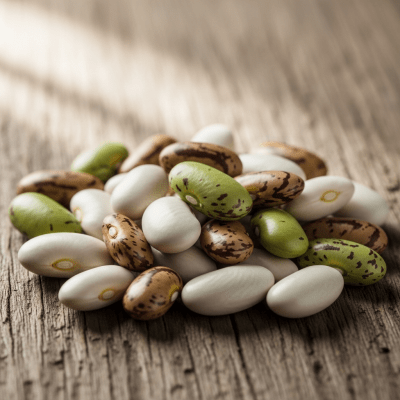
Lima beans are enjoyed in dried, canned, and fresh forms across multiple continents. They feature prominently in stews, soups, succotash, and as side dishes, valued for their starchy texture and buttery flavor—especially the 'butter bean' variant. Commercial production is significant in the United States, Peru, and Madagascar, with processing involving shelling, blanching, and packaging. Nutritionally, they provide a hearty source of plant-based starch and protein, though they must be properly prepared to remove natural toxins.
Two well-known cultivars are the 'Sieva' type, characterized by smaller seeds, and the 'Big Lima' type, known for larger seeds and creamier texture. These cultivars have been developed and improved by agricultural research bodies including the USDA and the International Center for Tropical Agriculture (CIAT), although exact release dates are not specified.
Lima beans flourish in warm, frost-free environments with temperatures between 20 and 30°C. They prefer well-drained soils and benefit from moderate watering, given their drought tolerance. Growers should monitor for mosaic viruses and root rot, common vulnerabilities. Selecting appropriate cultivars like 'Sieva' or 'Big Lima' can optimize yield and adaptation to local conditions.
For dried lima beans, store in a cool, dry place away from moisture to maintain longevity. Fresh beans should be refrigerated and consumed promptly. Proper soaking and thorough cooking are essential before consumption to reduce naturally occurring toxins. Canned lima beans offer a convenient, shelf-stable alternative with minimal preparation.