
Flageolet Bean
The flageolet bean is a small, pale green variety of the common bean (Phaseolus vulgaris) prized for its delicate texture and mild, creamy flavor, especially in French cuisine.
The flageolet bean is a small, pale green variety of the common bean (Phaseolus vulgaris) prized for its delicate texture and mild, creamy flavor, especially in French cuisine.
Originating in 19th century France, the flageolet bean was cultivated as a specialty variety of the common bean selected for its distinctive pale green color and tender texture. Its lineage traces back to European selections of the common bean, which itself was originally domesticated in Central and South America.
The flageolet bean belongs to the Fabaceae family, genus Phaseolus, species vulgaris. It is a cultivar of the common bean, distinguished by its unique color and culinary qualities within this broad and diverse botanical group.
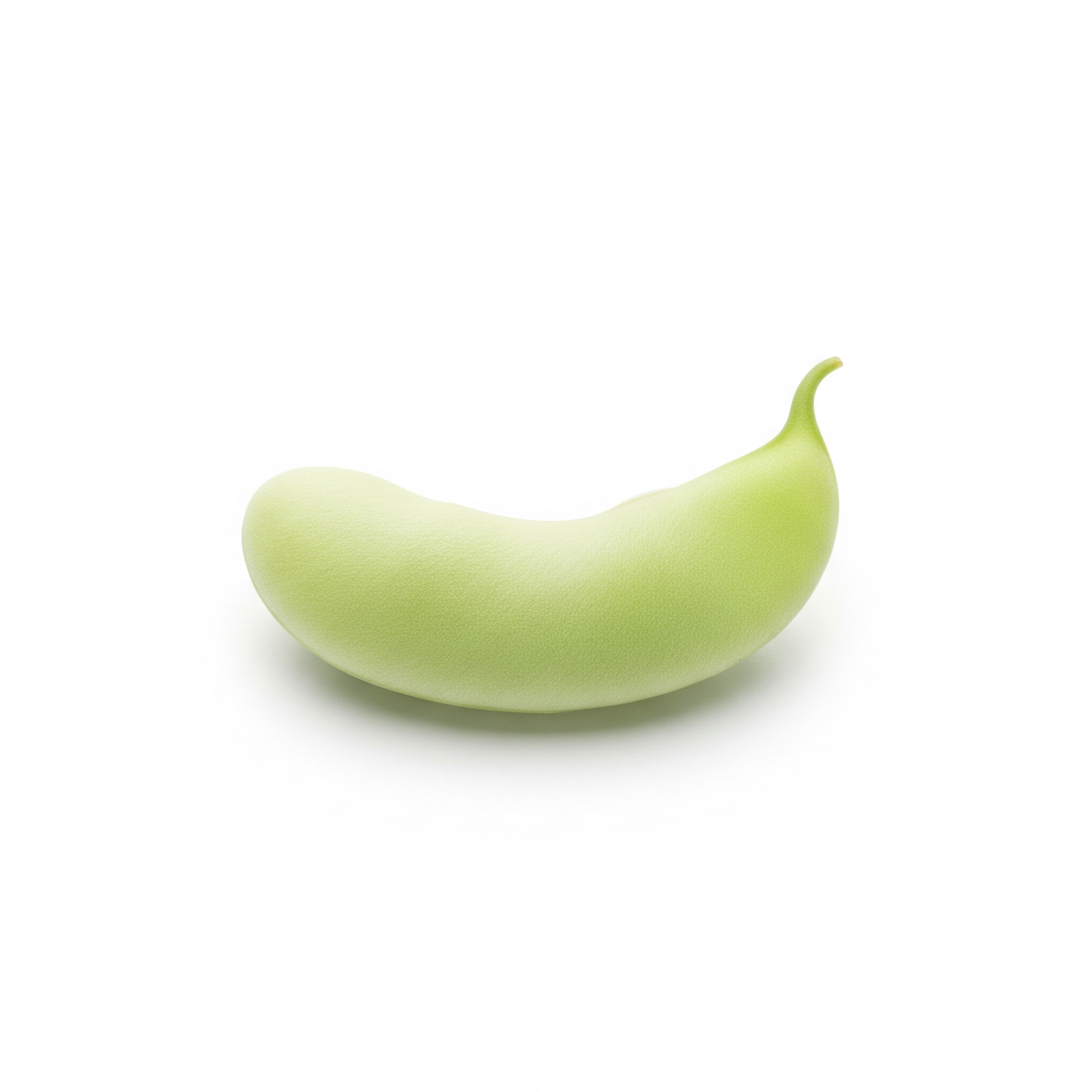
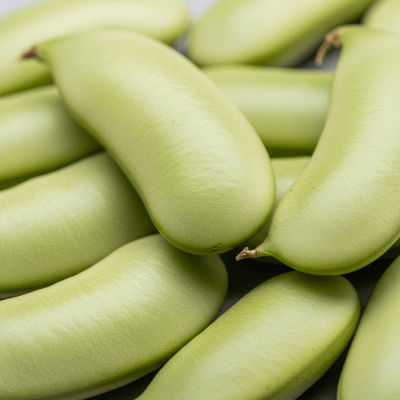
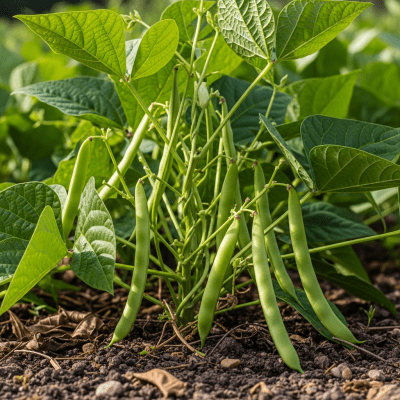
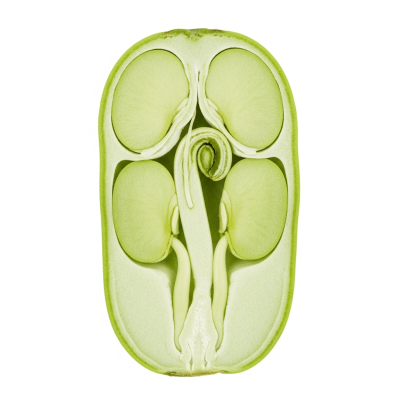
Flageolet beans are small and kidney-shaped, typically pale green when fresh and turning creamy white upon drying. The plants exhibit a bush growth habit with compact, moderately vigorous stems. Their delicate color and shape make them visually distinct among common beans.
Harvested while still immature to preserve their tender texture and pale green hue, flageolet beans are valued for their culinary versatility. They are often cooked whole or pureed, contributing a subtle creaminess to dishes. The beans require careful handling to maintain their color and quality during storage.
Bring this kind into your world illustrated posters, mugs, and shirts.
Archival print, museum-grade paper
Buy Poster
Stoneware mug, dishwasher safe
Buy Mug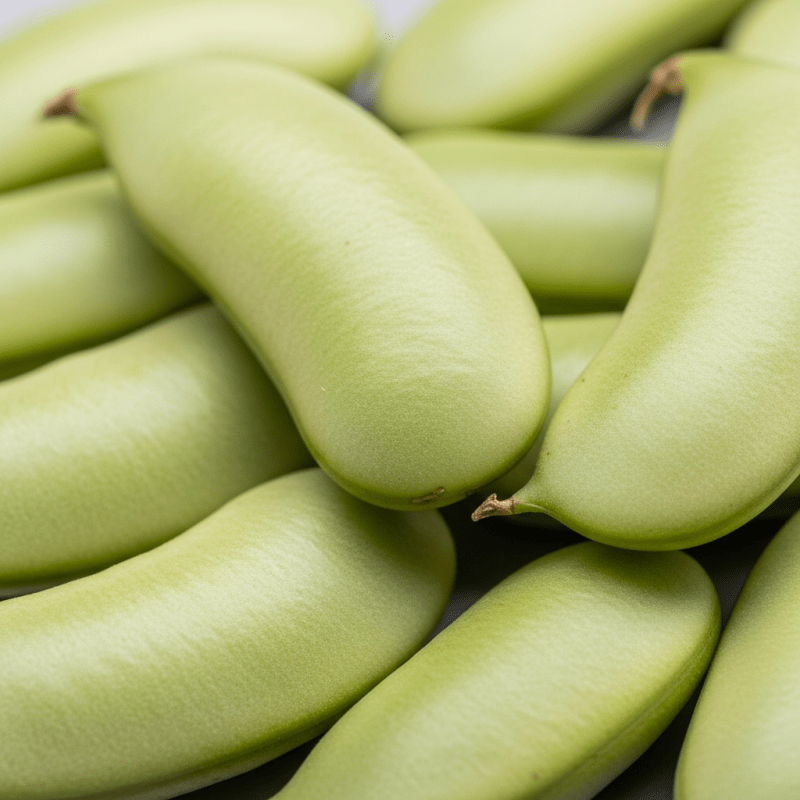
Soft cotton tee, unisex sizes
Buy ShirtFlageolet beans hold a special place in French gastronomy, featuring prominently in traditional dishes such as cassoulet and lamb stew. Their delicate flavor and refined texture have made them a symbol of gourmet cooking and regional culinary heritage.
Flageolet bean plants grow as bush-type legumes with moderate vigor and compact form. The seeds are kidney-shaped and typically pale green, turning creamy white when dried. While specific size and weight details vary, the beans are known for their delicate texture. They thrive best in temperate climates with well-drained soils and require careful handling to prevent discoloration. Although susceptible to common bean pests and diseases, they offer good storage stability once dried.
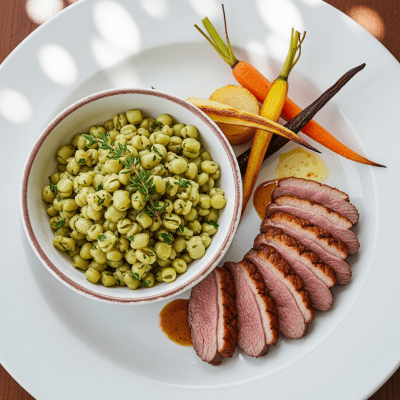
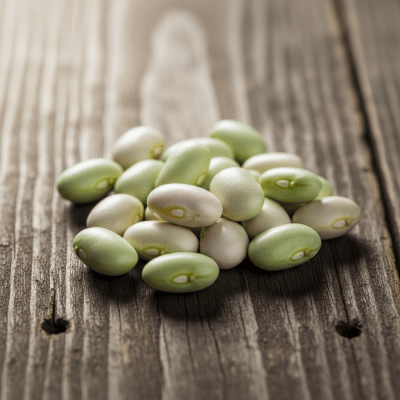
Flageolet beans are consumed fresh, dried, or canned, with dried forms dominating markets outside France. They are prized for their creamy texture and mild flavor, making them ideal for traditional French dishes such as cassoulet, lamb stew, and various salads. Their niche but stable gourmet market spans France and English-speaking countries, where they are appreciated in specialty food sectors.
Notable flageolet cultivars include 'Chevrier' and 'Flambeau', both selected in 19th century France. While no specific breeder or institution is credited, these cultivars represent the refined traits of pale green color and tender texture that define the flageolet bean.
Flageolet beans grow best in temperate climates with well-drained soils. They are bush-type plants that require moderate care to avoid pest and disease damage common to common beans. Harvesting should occur while seeds are still immature to maintain their characteristic color and texture. Gentle handling post-harvest is essential to prevent discoloration during drying and storage.
Dried flageolet beans store well and maintain quality when kept in cool, dry conditions. However, they require careful handling to avoid discoloration, which can diminish their prized pale green appearance. Proper storage in airtight containers away from moisture and light helps preserve their color and culinary qualities over time.