
Scarlet Runner Bean
The Scarlet Runner Bean (Phaseolus coccineus) is a perennial climbing bean known for its striking scarlet flowers and large edible seeds, valued both as an ornamental plant and a food crop especially in temperate regions.
The Scarlet Runner Bean (Phaseolus coccineus) is a perennial climbing bean known for its striking scarlet flowers and large edible seeds, valued both as an ornamental plant and a food crop especially in temperate regions.
Native to the highlands of Central America, particularly southern Mexico and Guatemala, the Scarlet Runner Bean was domesticated by indigenous peoples before European contact. It was cultivated for both its nutritional seeds and vibrant flowers. The species was introduced to Europe in the 17th century, where it diversified into numerous horticultural varieties selected for flower color, seed size, and cold tolerance.
The Scarlet Runner Bean belongs to the Fabaceae family, genus Phaseolus, and species coccineus. It is part of the pole bean group, distinguished from the common bean (Phaseolus vulgaris) by its perennial climbing habit and greater cold tolerance.
This vigorous, twining vine can grow between 2 to 4 meters tall, producing long pods up to 30 centimeters in length. Its flowers are bright scarlet, occasionally white or bicolor, making it visually striking. The seeds are large, kidney-shaped, and typically purple-black with mottled patterns.
The Scarlet Runner Bean serves a dual purpose: it is grown both for its ornamental flowers and its edible pods and seeds. The immature pods are eaten fresh as snap beans, while mature seeds are consumed fresh or dried. The plant tolerates cooler soils better than many other beans, making it suitable for temperate climates. However, the beans must be cooked thoroughly to neutralize natural toxins.
Bring this kind into your world illustrated posters, mugs, and shirts.
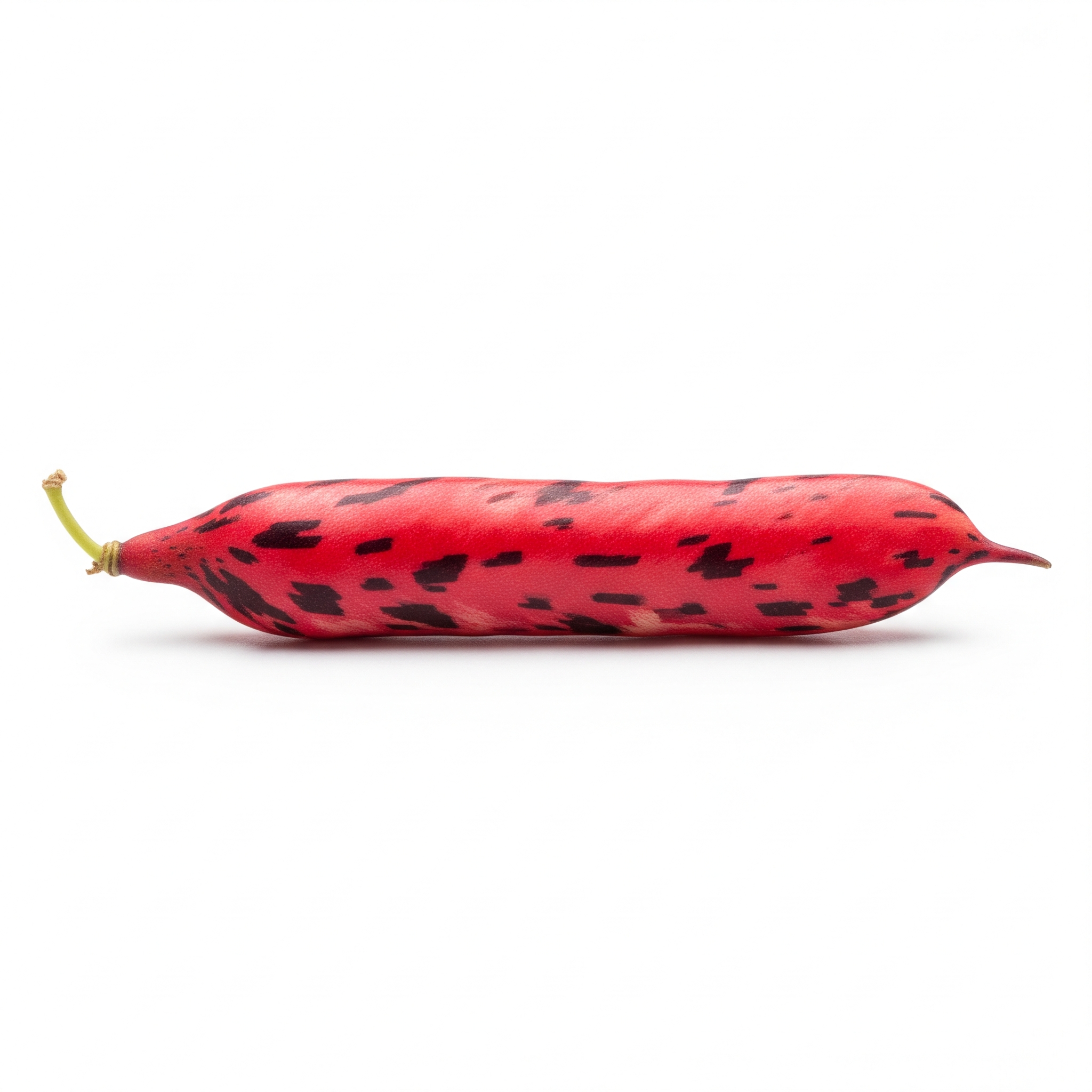
Archival print, museum-grade paper
Buy Poster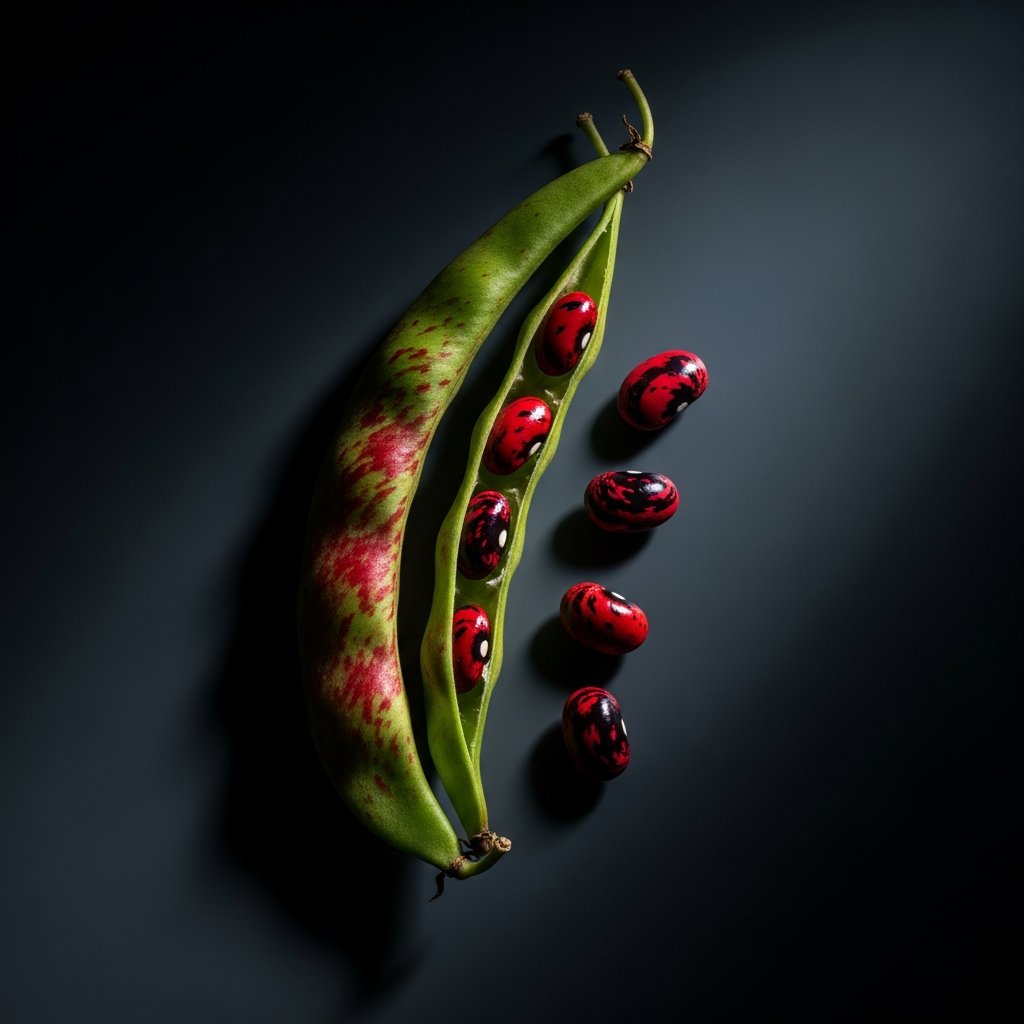
Stoneware mug, dishwasher safe
Buy Mug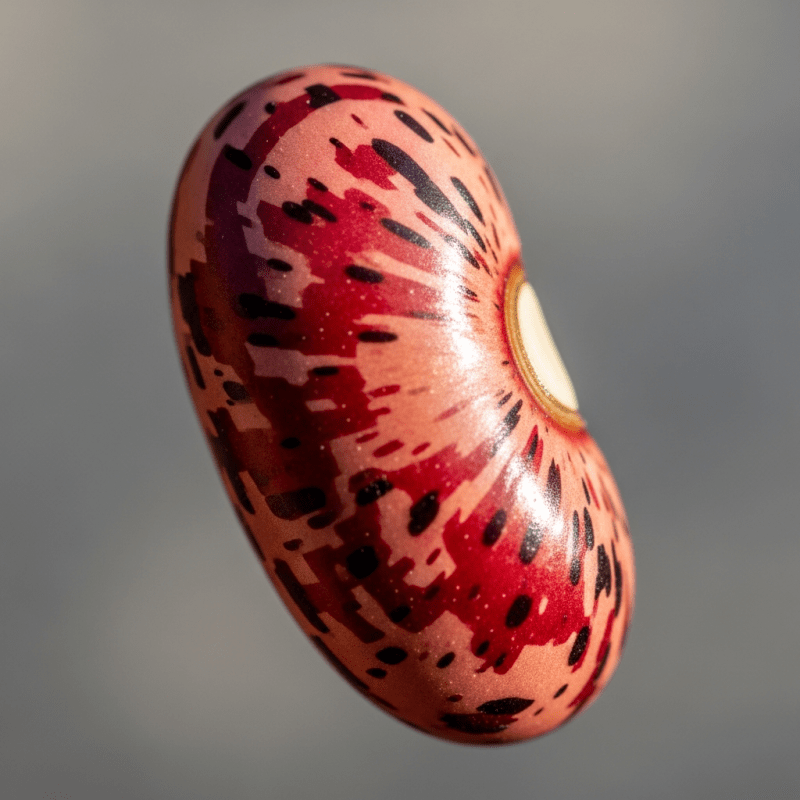
Soft cotton tee, unisex sizes
Buy ShirtBeyond its culinary use, the Scarlet Runner Bean holds cultural value as an ornamental plant in gardens, especially in Europe and the United Kingdom. Its vivid flowers have inspired gardeners and artists alike, symbolizing vitality and beauty in temperate horticulture.
The Scarlet Runner Bean is a pole bean with a vigorous climbing habit, reaching heights of 200 to 400 centimeters. Its pods can grow up to 30 centimeters long and contain large, kidney-shaped seeds that are purple-black and mottled. The plant exhibits moderate resistance to cold and some soil-borne pathogens but is susceptible to aphids, bean beetles, and fungal diseases. Seeds and pods require proper drying for storage, and fresh pods are consumed when young. The species thrives in temperate climates where cooler soil conditions prevail.
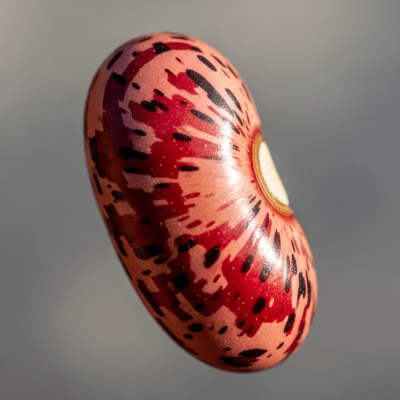
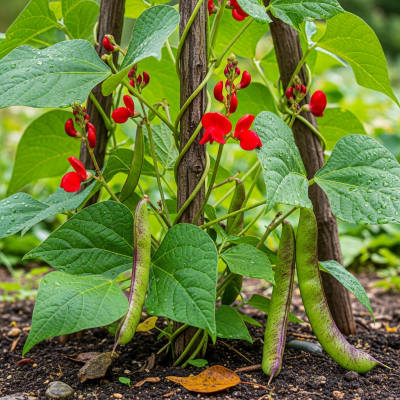
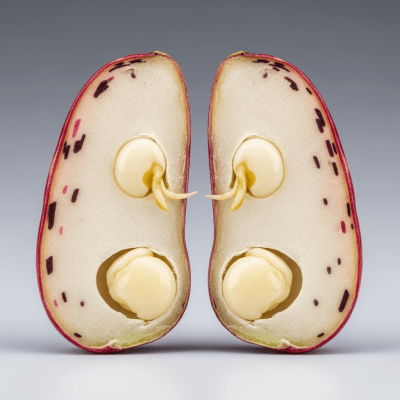
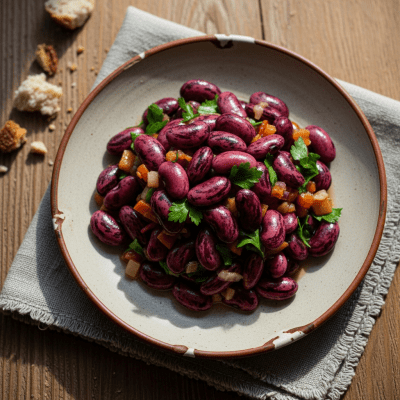

Consumed in fresh and dried forms, Scarlet Runner Beans are enjoyed as snap beans when pods are immature and as shell beans when mature. They are also occasionally sprouted. The flowers are edible and often used as decorative garnishes. Commercially, the bean is popular in Europe, the United Kingdom, and North America, where it is grown both for food and ornamental purposes.
Notable cultivars of the Scarlet Runner Bean include 'Scarlet Emperor', 'Painted Lady', and 'White Dutch'. These varieties have been selected primarily for flower color, seed size, and cold resistance. Specific breeders or release dates are not well documented, reflecting the bean's long history of indigenous cultivation and gradual horticultural development.
Scarlet Runner Beans thrive in temperate climates with cooler soils where other beans may struggle. They require sturdy supports for their vigorous climbing habit and benefit from well-drained soil rich in organic matter. To maximize yield and plant health, monitor for aphids, bean beetles, and fungal diseases. Harvest pods when young for snap beans or allow seeds to mature fully for drying. Proper drying is essential to preserve seeds for storage.
Seeds and mature pods of the Scarlet Runner Bean should be thoroughly dried before storage to prevent spoilage. Fresh pods are best consumed soon after harvest. Properly dried seeds can be stored in cool, dry conditions to maintain viability and quality. Cooking is necessary before eating to eliminate natural toxins present in the beans.