Snap Bean
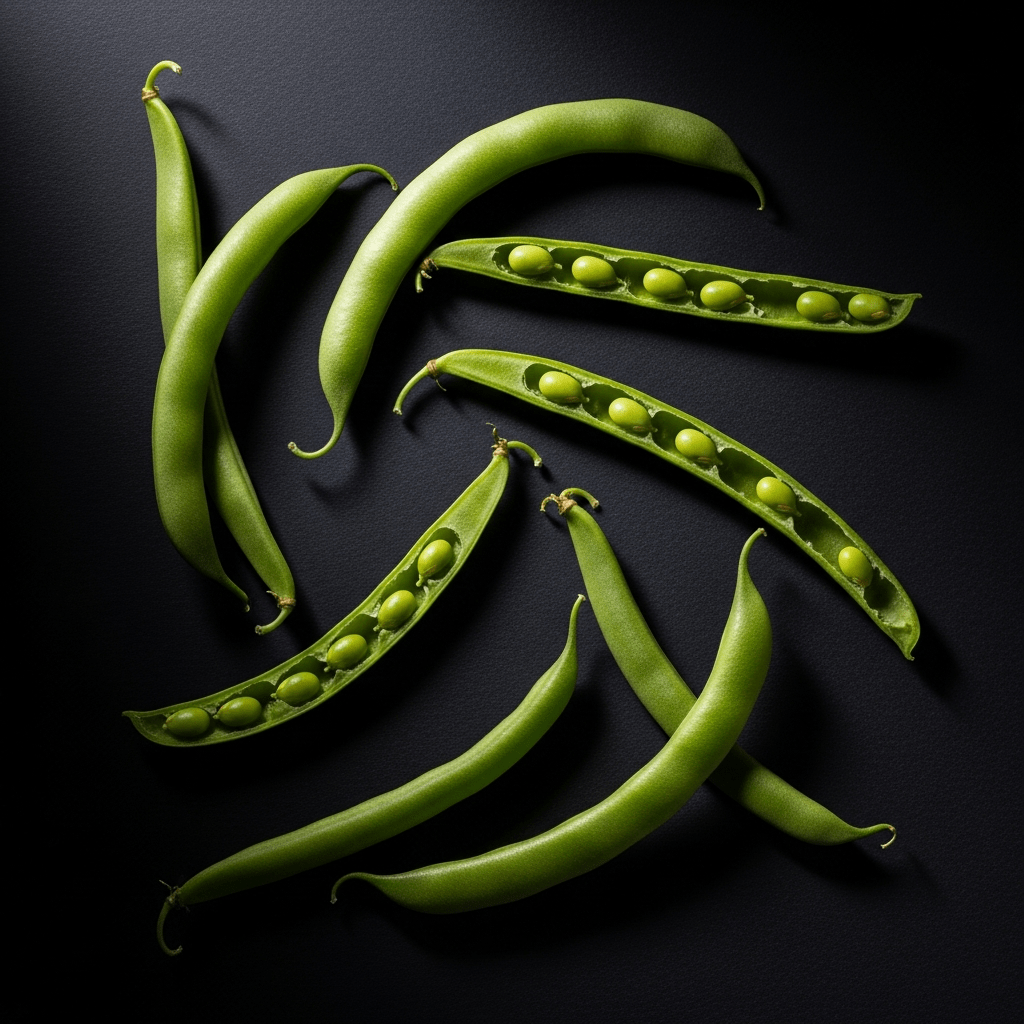
Snap bean is the edible immature pod of certain cultivars of Phaseolus vulgaris, prized for its crisp texture and tender pods that are enjoyed fresh, canned, or frozen worldwide.
Snap bean is the edible immature pod of certain cultivars of Phaseolus vulgaris, prized for its crisp texture and tender pods that are enjoyed fresh, canned, or frozen worldwide.
Originating from wild populations in Central and South America, snap beans were domesticated over 7,000 years ago. Modern varieties have been selectively bred for pod tenderness and reduced fiber, with key breeding efforts led by the USDA and agricultural universities to enhance disease resistance and uniformity.
Snap beans belong to the Fabaceae family, genus Phaseolus, species vulgaris. They are a subgroup of common beans distinguished by their edible immature pods, often called green beans, French beans, or haricot verts in various regions.
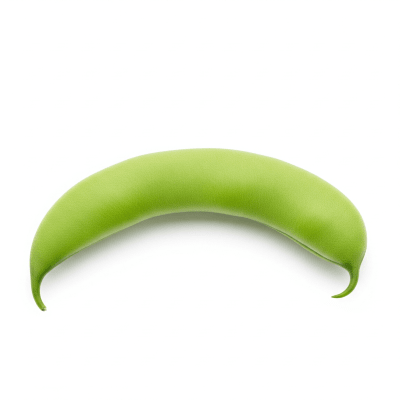
Snap beans typically have slender, elongated pods ranging from 8 to 15 centimeters in length. The pods are usually green but can also appear yellow (wax beans) or purple. They are harvested before the seeds mature, ensuring a crisp, tender texture without stringy fibers.
Harvested young, snap beans serve as a versatile vegetable consumed fresh or processed. Their tender pods are steamed, boiled, stir-fried, or pickled, making them a staple in many cuisines. They also play a role in crop rotations due to their nitrogen-fixing ability.
Bring this kind into your world illustrated posters, mugs, and shirts.

Archival print, museum-grade paper
Buy Poster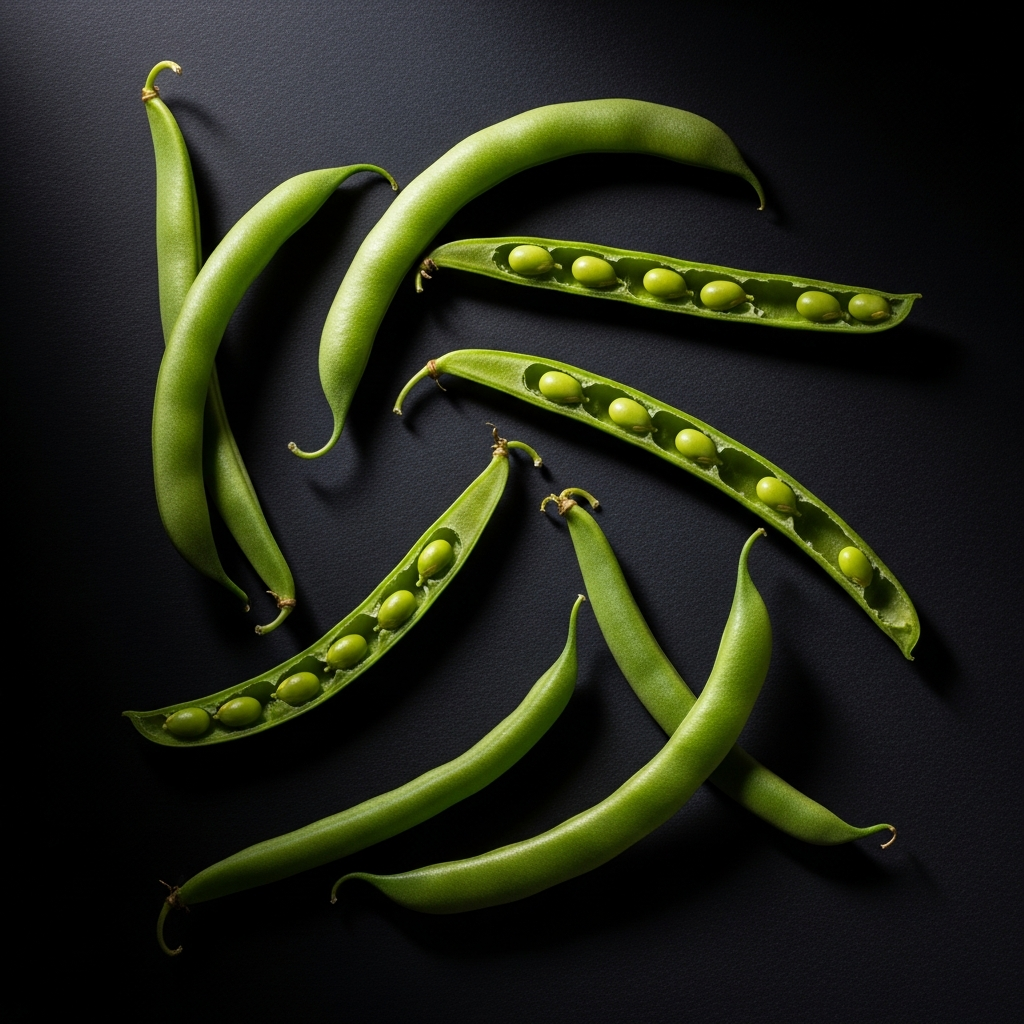
Stoneware mug, dishwasher safe
Buy Mug
Soft cotton tee, unisex sizes
Buy ShirtSnap beans appear in diverse culinary traditions worldwide, from North America to Europe and Asia, often symbolizing freshness and seasonal harvests. Known as haricot vert in French cuisine, they are celebrated for their delicate flavor and elegant presentation.
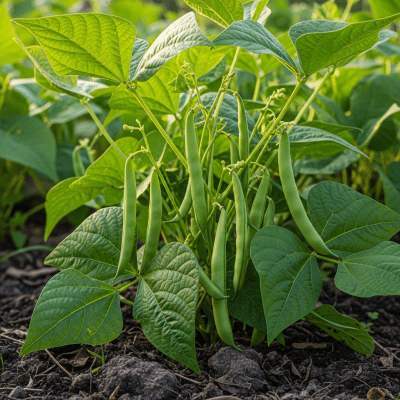
Snap bean plants are typically bush-type annuals with pods measuring 8 to 15 cm in length. They produce tender, stringless pods harvested before seed maturation. Modern cultivars exhibit resistance to common bean mosaic virus and rust. Fresh pods are sensitive to chilling injury and have a limited storage life.

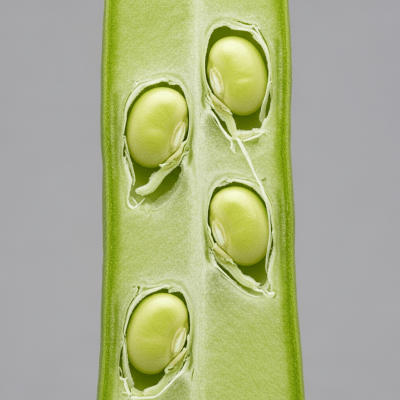
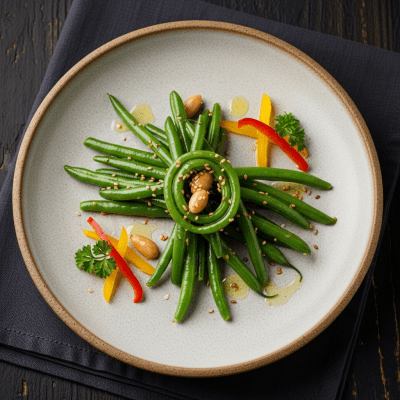
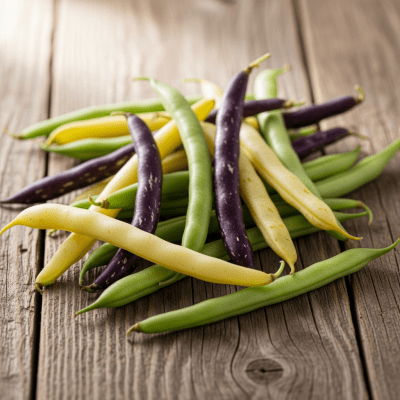
Snap beans are widely consumed fresh, canned, or frozen. They are a low-calorie, nutrient-rich vegetable commonly steamed, boiled, stir-fried, or pickled. Commercially, snap beans must meet standards for tenderness, uniform size, and blemish-free appearance. Major markets include North America, Europe, and Asia.
Numerous snap bean cultivars exist, many developed by the USDA and agricultural universities. These cultivars are often hybrids selected for disease resistance, pod tenderness, and uniformity, though specific cultivar names and release dates vary widely.
Snap beans thrive in well-drained soils with moderate temperatures. They require regular watering but avoid waterlogging. Bush varieties are easier to manage, while pole types need support. Timely harvesting before seed maturity ensures tender pods. Crop rotation helps manage disease pressure.
Fresh snap beans have a short shelf life and should be stored in cool, humid conditions to maintain crispness. They are sensitive to chilling injury, so refrigeration temperatures should be carefully managed. For longer storage, snap beans can be canned or frozen shortly after harvest.