
Cranberry Bean
The cranberry bean (Phaseolus vulgaris) is a distinctive variety of common bean known for its large, oval seeds marked with striking red mottling and prized for its creamy texture and culinary versatility.
The cranberry bean (Phaseolus vulgaris) is a distinctive variety of common bean known for its large, oval seeds marked with striking red mottling and prized for its creamy texture and culinary versatility.
Originating in Colombia, the cranberry bean was developed as a cultivar of Phaseolus vulgaris and later gained popularity in Italy, where it is known as the borlotti bean. Its spread across Europe during the 16th and 17th centuries was driven by trade and agricultural exchange, with its lineage tracing back to South American landraces. No single breeder or institution is credited with its development.
The cranberry bean belongs to the Fabaceae family, within the genus Phaseolus and species vulgaris, placing it among the common beans widely cultivated for food. It is classified as a bush-type legume, fitting within the broader group of edible beans prized for their nutritional and agricultural value.
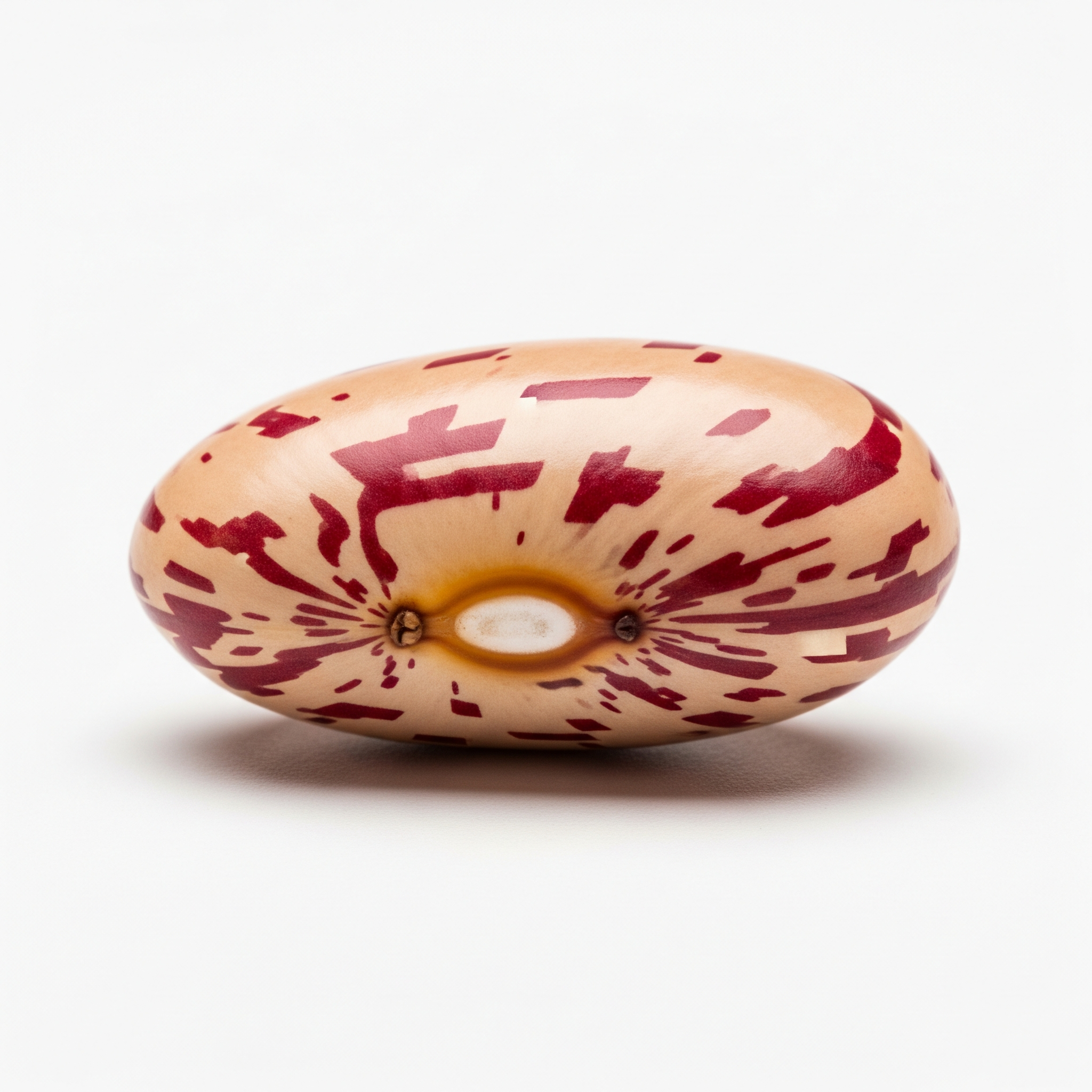
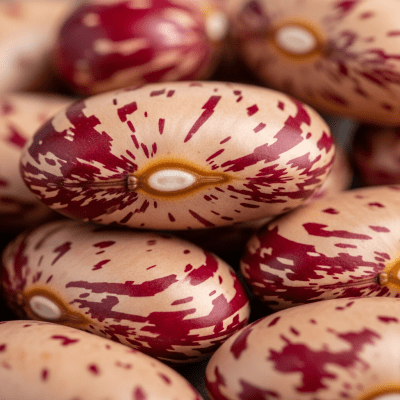
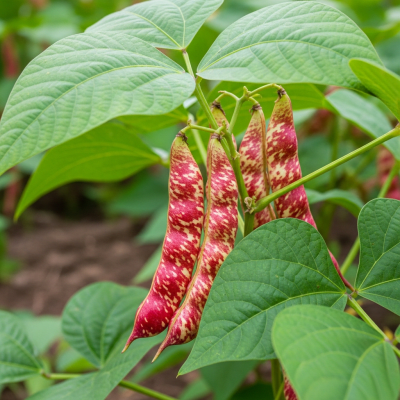
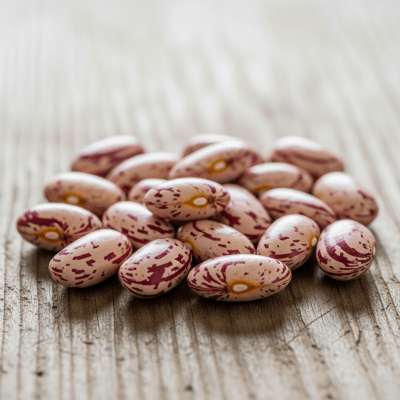
This bean features large, oval seeds that display a cream base color richly mottled with red streaks, echoing the similarly patterned pods which measure between 10 and 15 centimeters in length. The plants themselves are bushy, typically growing 30 to 60 centimeters tall, presenting a compact and manageable form for cultivation.
Cultivated primarily for food, cranberry beans are harvested both fresh and dried. They are valued for their creamy texture and mild, nutty flavor, which allows them to absorb flavors well while maintaining their shape during cooking. Their uses span soups, stews, and salads, making them a versatile ingredient in Mediterranean and Latin American cuisines.
Bring this kind into your world illustrated posters, mugs, and shirts.
Archival print, museum-grade paper
Buy Poster
Stoneware mug, dishwasher safe
Buy Mug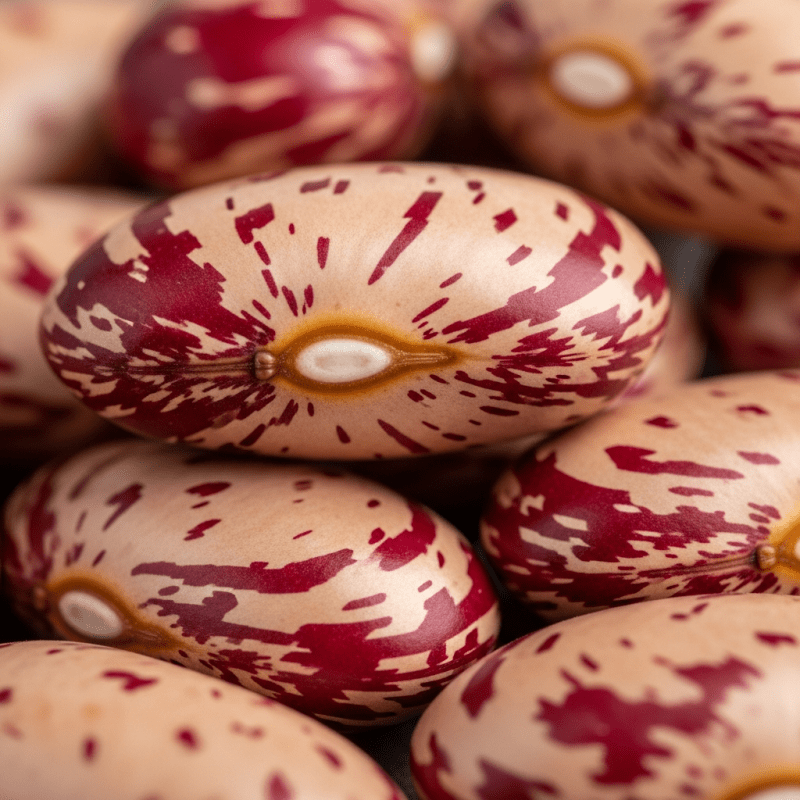
Soft cotton tee, unisex sizes
Buy ShirtKnown as borlotti in Italy and by various regional names such as romano, saluggia, and rosecoco, the cranberry bean holds a cherished place in Mediterranean culinary traditions. Its distinctive appearance and flavor have made it a staple in traditional dishes, symbolizing the rich agricultural exchange between the Americas and Europe.
Growing as a bush-type annual legume, the cranberry bean plant reaches heights between 30 and 60 centimeters. Its pods measure 10 to 15 centimeters long and contain large, oval seeds characterized by a cream color with red mottling. The plant matures within 85 to 100 days and demonstrates moderate drought tolerance. While susceptible to common mosaic virus and anthracnose, it thrives best under optimal conditions and prefers storage in cool, dry environments to maintain seed quality.

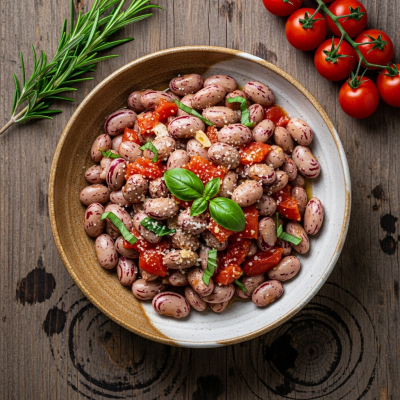
Cranberry beans are enjoyed fresh, dried, or canned, featuring prominently in Mediterranean and Latin American dishes such as soups, stews, and salads. Their creamy texture and mild, nutty flavor make them especially prized for their ability to absorb surrounding flavors while retaining their shape after cooking. Commercially significant in regions including the United States, Italy, Portugal, South America, and the United Kingdom, they are a versatile and valued ingredient in many culinary traditions.
No specific cultivars or breeder information are widely documented for the cranberry bean, reflecting its origins as a traditional landrace cultivar developed over time rather than through formal breeding programs.
For successful cultivation, cranberry beans thrive in well-drained soil with moderate moisture and a warm growing season. As a bush-type plant, they require less support than pole beans and mature in approximately 85 to 100 days. Growers should monitor for mosaic virus and anthracnose, and consider their moderate drought tolerance when planning irrigation. Harvest pods when fully mature but before they dry on the plant to ensure optimal seed quality.
To preserve quality, dried cranberry beans should be stored in cool, dry conditions, where they can maintain their flavor and texture for up to 12 months. Proper storage protects against moisture and pests, ensuring the beans remain suitable for cooking and consumption over extended periods.