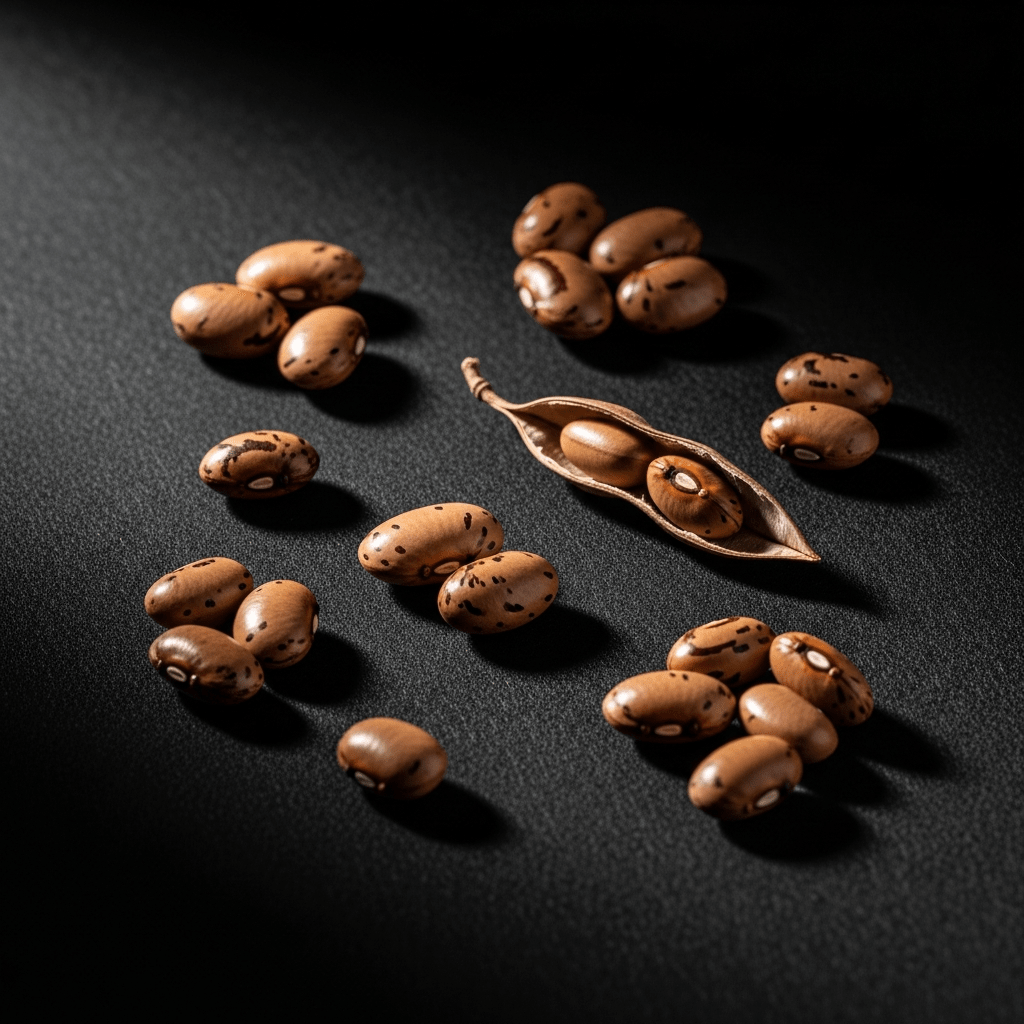
Horse Gram
Horse gram (Macrotyloma uniflorum) is a hardy, drought-tolerant legume prized in South Asia and parts of Africa for its nutritional richness and resilience in challenging growing conditions.
Horse gram (Macrotyloma uniflorum) is a hardy, drought-tolerant legume prized in South Asia and parts of Africa for its nutritional richness and resilience in challenging growing conditions.
Originating in tropical Africa, horse gram was domesticated primarily in the Indian subcontinent, where it has been cultivated for centuries. Its lineage traces back to wild Macrotyloma species, with the earliest scientific description under the name Dolichos uniflorus Lam., later revised to Macrotyloma uniflorum (Lam.) Verdc.
Horse gram belongs to the Fabaceae family, within the genus Macrotyloma. It is classified botanically as Macrotyloma uniflorum, placing it among legumes known for their edible seeds and nitrogen-fixing abilities.
The plant is a semi-vining annual herb, typically growing between 30 and 60 centimeters tall. It bears slender pods measuring 4 to 7 centimeters, each containing 5 to 10 small, oval to oblong seeds. Seed colors vary from brown and reddish-brown to black, reflecting its distinctive and varied appearance.
Horse gram thrives in dry, marginal soils and is highly drought-resistant, making it valuable for cultivation in rainfed and challenging environments. It serves dual purposes: as a nutritious food source in human diets and as fodder for livestock, especially horses and cattle, which inspired its common name.
Bring this kind into your world illustrated posters, mugs, and shirts.
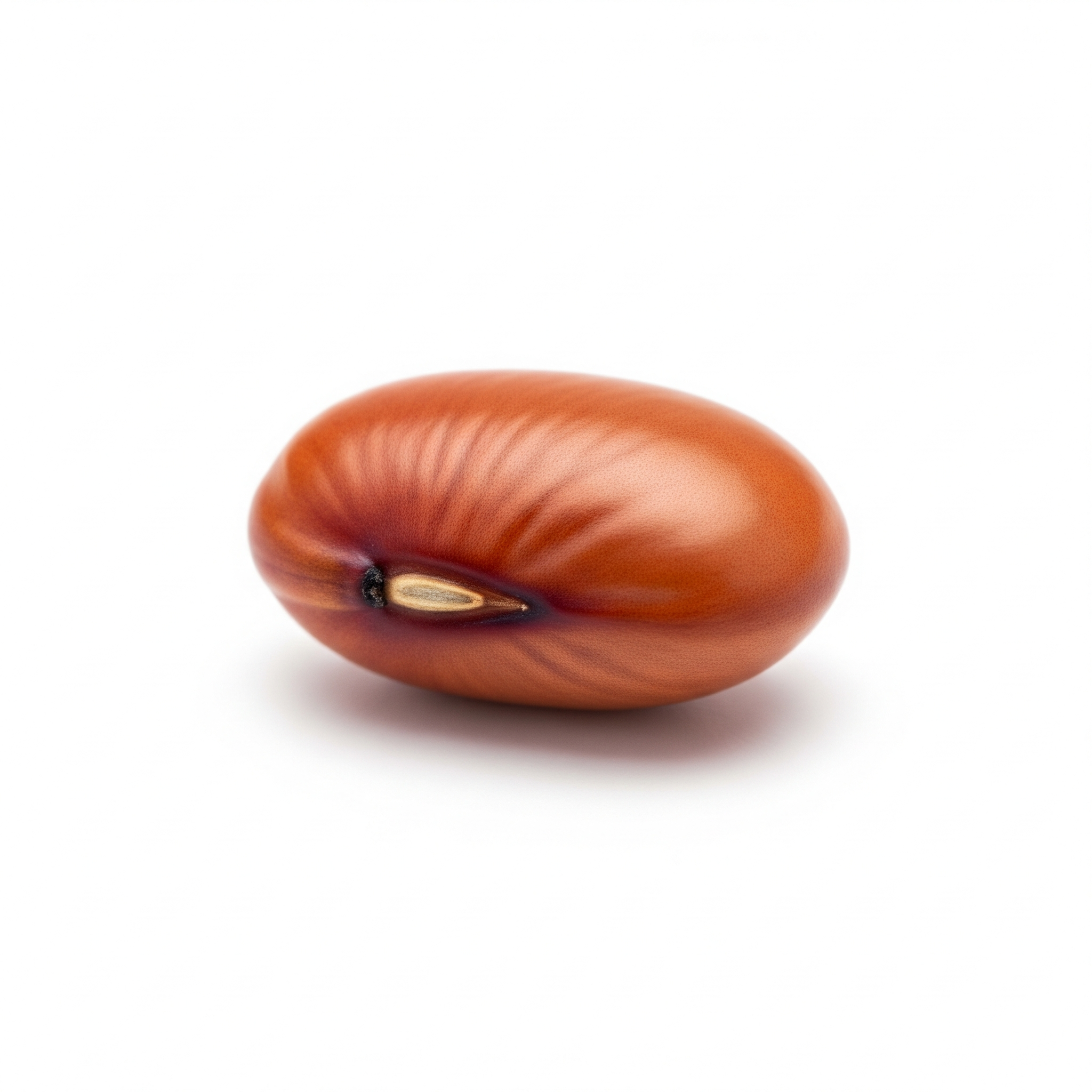
Archival print, museum-grade paper
Buy Poster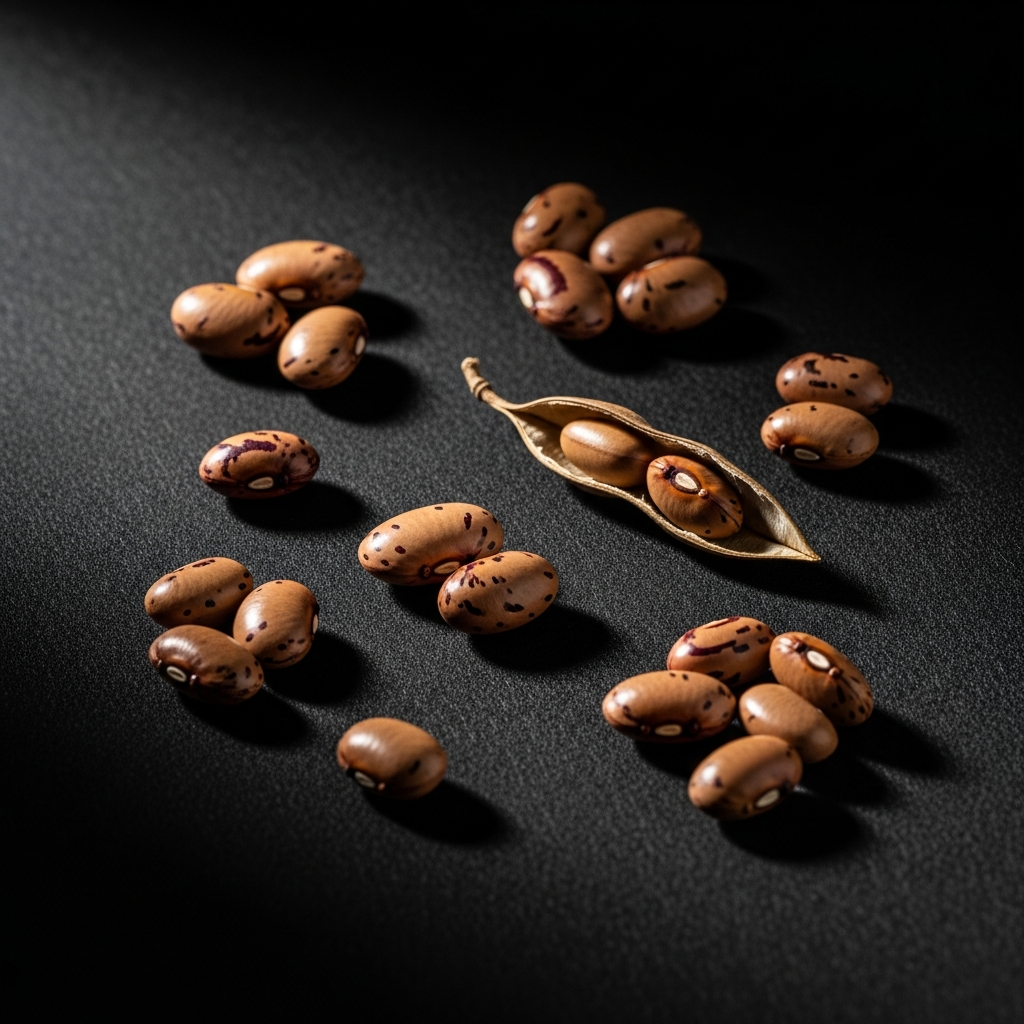
Stoneware mug, dishwasher safe
Buy Mug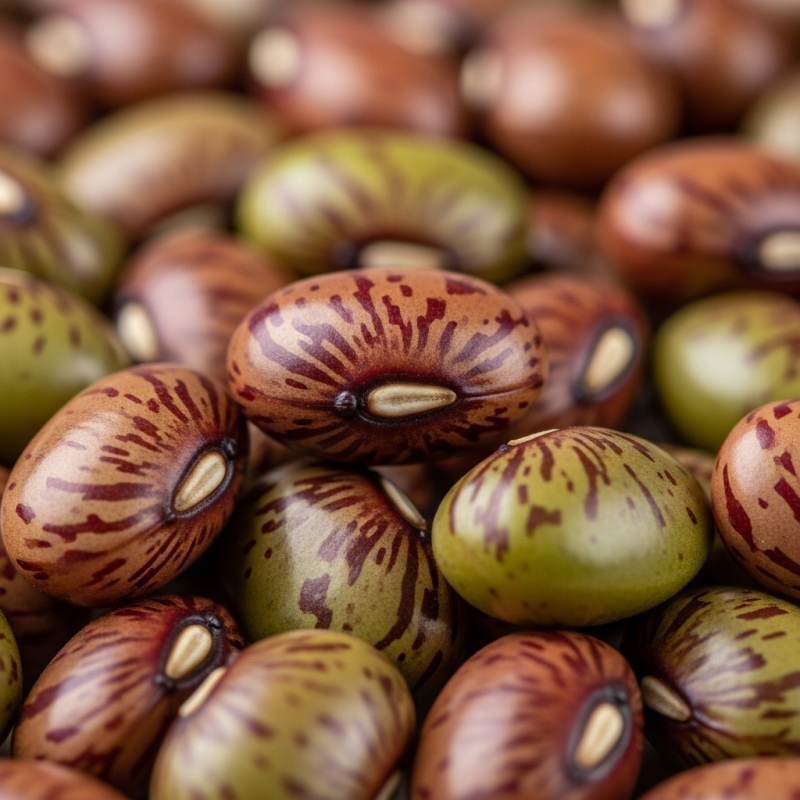
Soft cotton tee, unisex sizes
Buy ShirtIn South Asian cultures, horse gram holds an important place in traditional cuisine and folk medicine. Known regionally by names such as Kulthi, Kollu, and Hurali, it features in various regional dishes and is often regarded as a symbol of sustenance and resilience in rural communities.
Horse gram is a semi-vining annual plant reaching 30–60 cm in height. Its trifoliate leaves and small pale yellow flowers give way to slender pods 4–7 cm long, each holding 5 to 10 seeds. The seeds measure 3–5 mm, are oval to oblong in shape, and range in color from brown to black. The plant exhibits strong drought tolerance and moderate resistance to pests and diseases. Seeds store well under dry conditions, ensuring longevity and viability for planting or consumption.

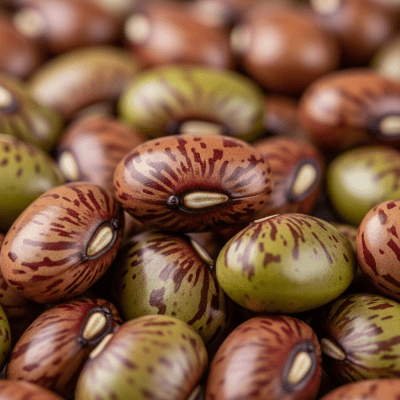
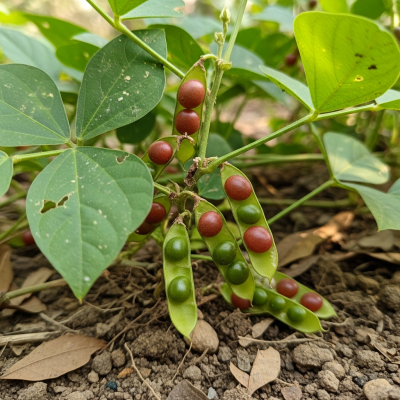

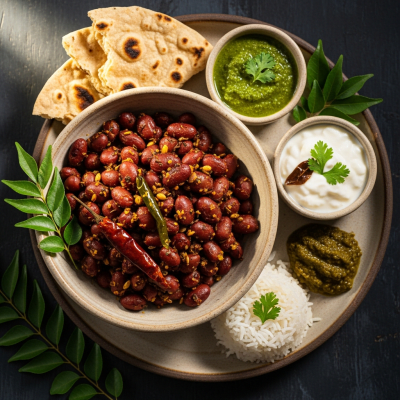
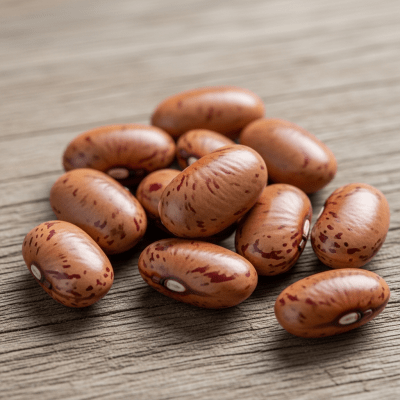
Consumed primarily in dried form, horse gram is a staple ingredient in South Asian cuisines, appearing in soups, stews, and chutneys. It is also processed into split dal and flour. Nutritionally, it is valued for its high protein content and richness in iron and calcium. Commercially, horse gram is available mainly in dried form across markets in India, Sri Lanka, Nepal, and parts of Africa. Additionally, it serves as affordable animal feed, highlighting its versatile market role.
Currently, there is limited documented information on specific cultivars or breeding programs for horse gram. Its cultivation largely relies on traditional varieties adapted to local conditions rather than formally released cultivars.
Horse gram thrives in well-drained, poor soils and requires minimal irrigation due to its drought tolerance. It grows best in semi-vining form, supporting itself on trellises or neighboring plants if available. Farmers should monitor for leaf spot and powdery mildew and practice crop rotation to maintain soil health. Optimal planting in rainfed areas during the appropriate season ensures better yields.
To preserve horse gram seeds, store them in dry, cool conditions to maintain their long shelf life. Proper drying before storage prevents mold and spoilage. The seeds’ natural durability allows them to remain viable and nutritious over extended periods when kept away from moisture and pests.