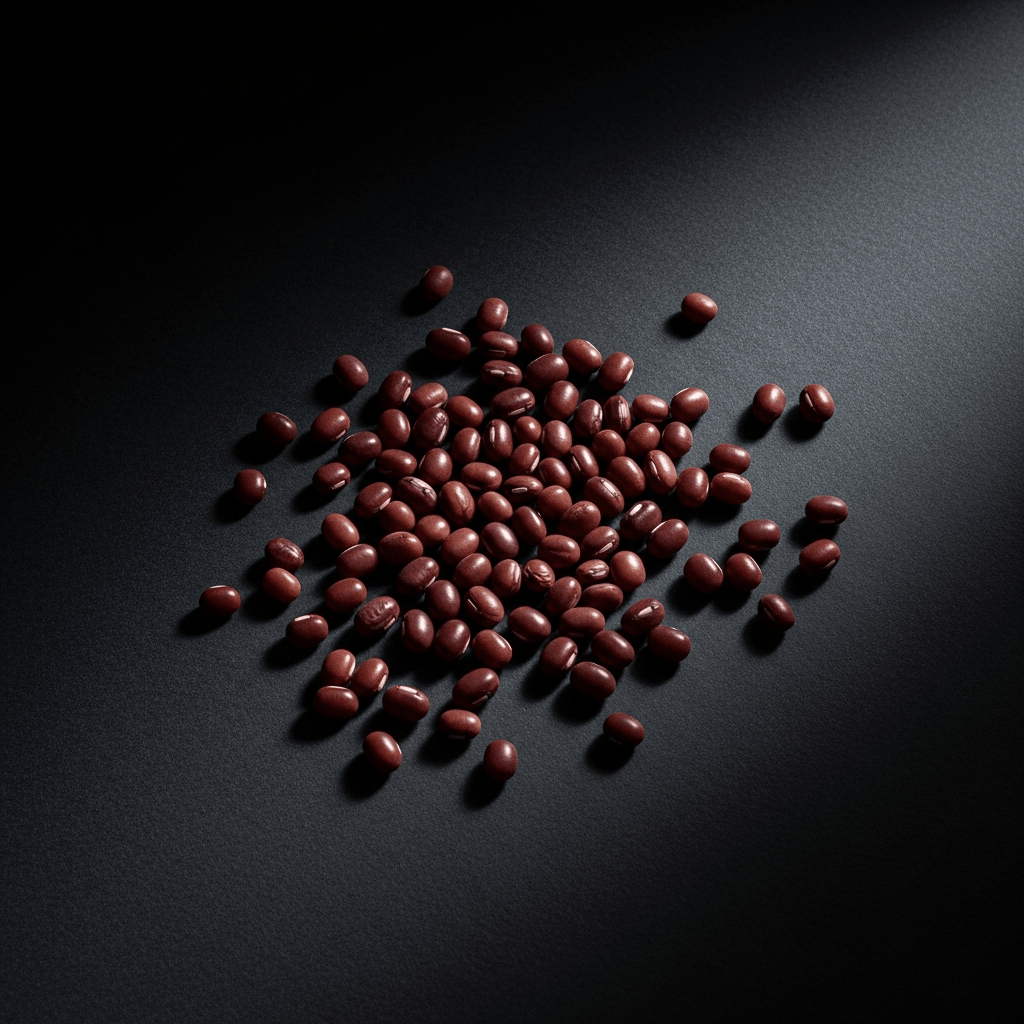
Rice Bean
Rice bean (Vigna umbellata) is a versatile annual legume valued for its small edible seeds, tender pods, and resilience to challenging growing conditions.
Rice bean (Vigna umbellata) is a versatile annual legume valued for its small edible seeds, tender pods, and resilience to challenging growing conditions.
Originating in the Indo-Burma region, rice bean has been cultivated for centuries across South and Southeast Asia. It is a traditional landrace crop with numerous local varieties, domesticated without a single credited breeder or institution, thriving in countries such as India, Nepal, Bangladesh, Myanmar, Thailand, Laos, Vietnam, and southern China.
Rice bean belongs to the Fabaceae family, within the genus Vigna and species umbellata. It is part of a broader group of edible legumes commonly known as beans, which are prized for their nutritional and agricultural importance worldwide.
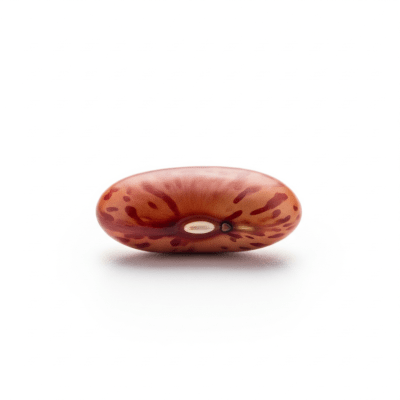
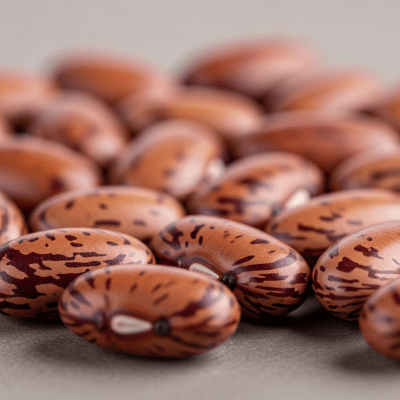
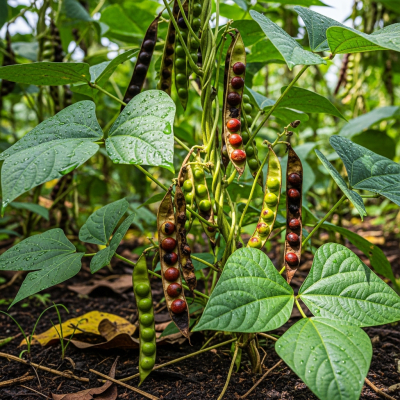
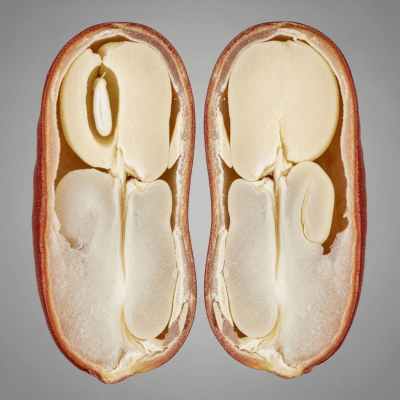
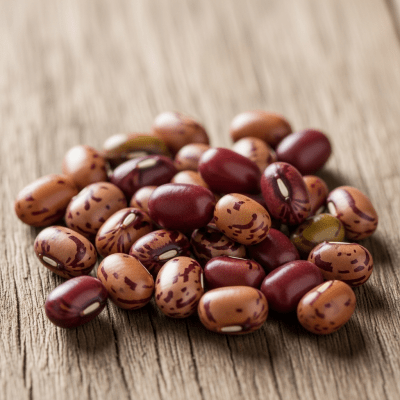
The rice bean plant is a semi-vining annual herb with slender, twining stems and trifoliate leaves. Its pods are linear, measuring 5 to 12 centimeters long, each containing 4 to 10 small, smooth, oval seeds. Seed colors vary widely, including yellow, brown, red, and black, offering a subtle but distinctive palette.
Rice bean serves multiple roles: its seeds are eaten cooked or ground into flour, while young pods and leaves are consumed as vegetables. Beyond human food, the plant is used as animal fodder and green manure, contributing to soil fertility. It is well-adapted to marginal soils and drought conditions, making it a valuable crop in subsistence farming and intercropping systems with cereals like rice and maize.
Bring this kind into your world illustrated posters, mugs, and shirts.
Archival print, museum-grade paper
Buy Poster
Stoneware mug, dishwasher safe
Buy Mug
Soft cotton tee, unisex sizes
Buy ShirtAs a traditional crop in many Asian cultures, rice bean supports local food security and agricultural diversity. Its presence in regional diets and farming practices reflects a deep connection to indigenous knowledge and sustainable land use, although it remains less prominent in global markets.
Rice bean exhibits a semi-vining growth habit with slender, twining stems. Pods range from 5 to 12 centimeters in length, each containing 4 to 10 oval, smooth seeds that vary in color from yellow to black. The plant typically matures within 90 to 120 days and shows resistance to some pests and diseases, though it is susceptible to bruchid beetles during seed storage. Its drought tolerance and adaptability to poor soils make it a robust choice for challenging environments.
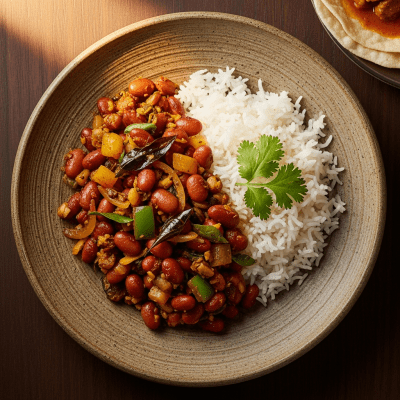
Rice bean seeds are commonly consumed cooked in soups, stews, and curries or ground into flour for various preparations. Young pods and leaves are also eaten as fresh vegetables. While primarily a staple in subsistence farming, rice bean is used commercially in its dried and fresh forms within its native regions. It also serves as animal feed and green manure, enhancing soil fertility. Its nutritional profile and climate resilience are gaining attention beyond traditional markets.
Rice bean is considered a landrace crop with numerous local varieties adapted to specific agroecological zones. There are no widely recognized commercial cultivars or formal breeding programs credited with its development, reflecting its traditional and decentralized cultivation history.
For successful cultivation, rice bean thrives in well-drained soils and tolerates drought and poor fertility. It is suited for intercropping with cereals such as rice and maize. Planting should allow for its semi-vining growth habit, providing support or space for trailing. Managing storage carefully is important to prevent bruchid beetle damage to seeds. Timely harvesting within 90 to 120 days ensures optimal yield and seed quality.
Rice bean seeds store well when thoroughly dried, but they are vulnerable to infestation by bruchid beetles during storage. To preserve seed quality, it is recommended to keep seeds in cool, dry conditions and use airtight containers or traditional pest management techniques. Proper drying and storage extend seed viability and maintain nutritional value.