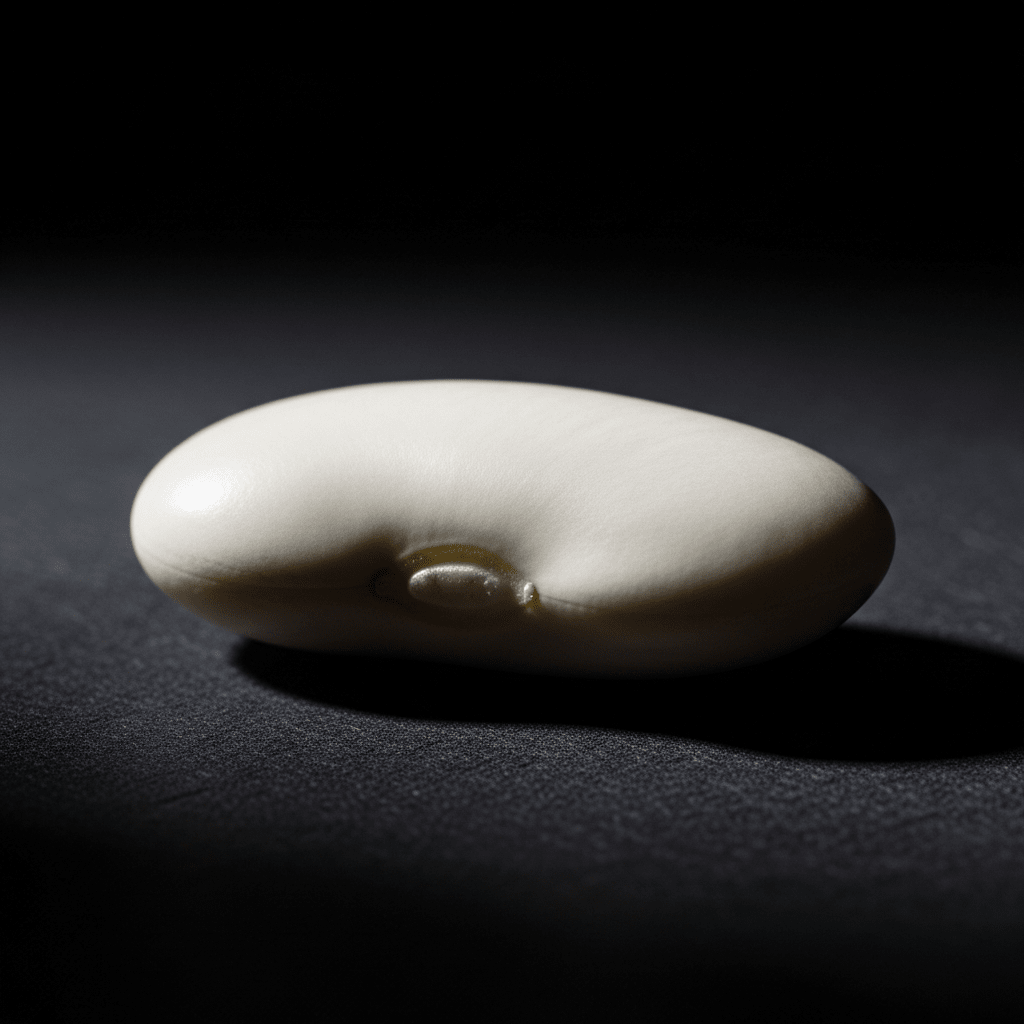
Great Northern Bean
The Great Northern bean is a medium-sized, white bean cultivar of Phaseolus vulgaris, prized for its mild flavor and versatility in cooking.
The Great Northern bean is a medium-sized, white bean cultivar of Phaseolus vulgaris, prized for its mild flavor and versatility in cooking.
Originating in the United States during the early 20th century, the Great Northern bean was developed from selections of white bean landraces adapted to temperate climates, particularly in the Midwest and Great Plains. While no single breeder or institution is credited, its rise is closely tied to commercial seed development in this region.
Belonging to the Fabaceae family, the Great Northern bean is a cultivar of the species Phaseolus vulgaris, commonly known as the common bean. It fits within the broader group of edible legumes known as beans, distinguished by its white seed coat and medium size.
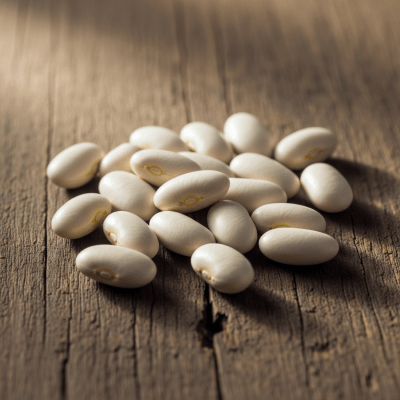
The Great Northern bean is oval to slightly flattened in shape, with a smooth, thin white seed coat. The seeds typically measure between 0.5 and 1.0 centimeters in length. The plant itself is bush-type, growing 30 to 45 centimeters tall, with straight pods containing five to seven seeds each.
Widely cultivated for culinary use, the Great Northern bean is valued for its mild flavor and ability to absorb seasonings, making it a staple ingredient in soups, stews, casseroles, and baked dishes. It is sold primarily in dried, canned, and occasionally fresh forms, and is appreciated for its uniform appearance and relatively quick cooking time.
Bring this kind into your world illustrated posters, mugs, and shirts.
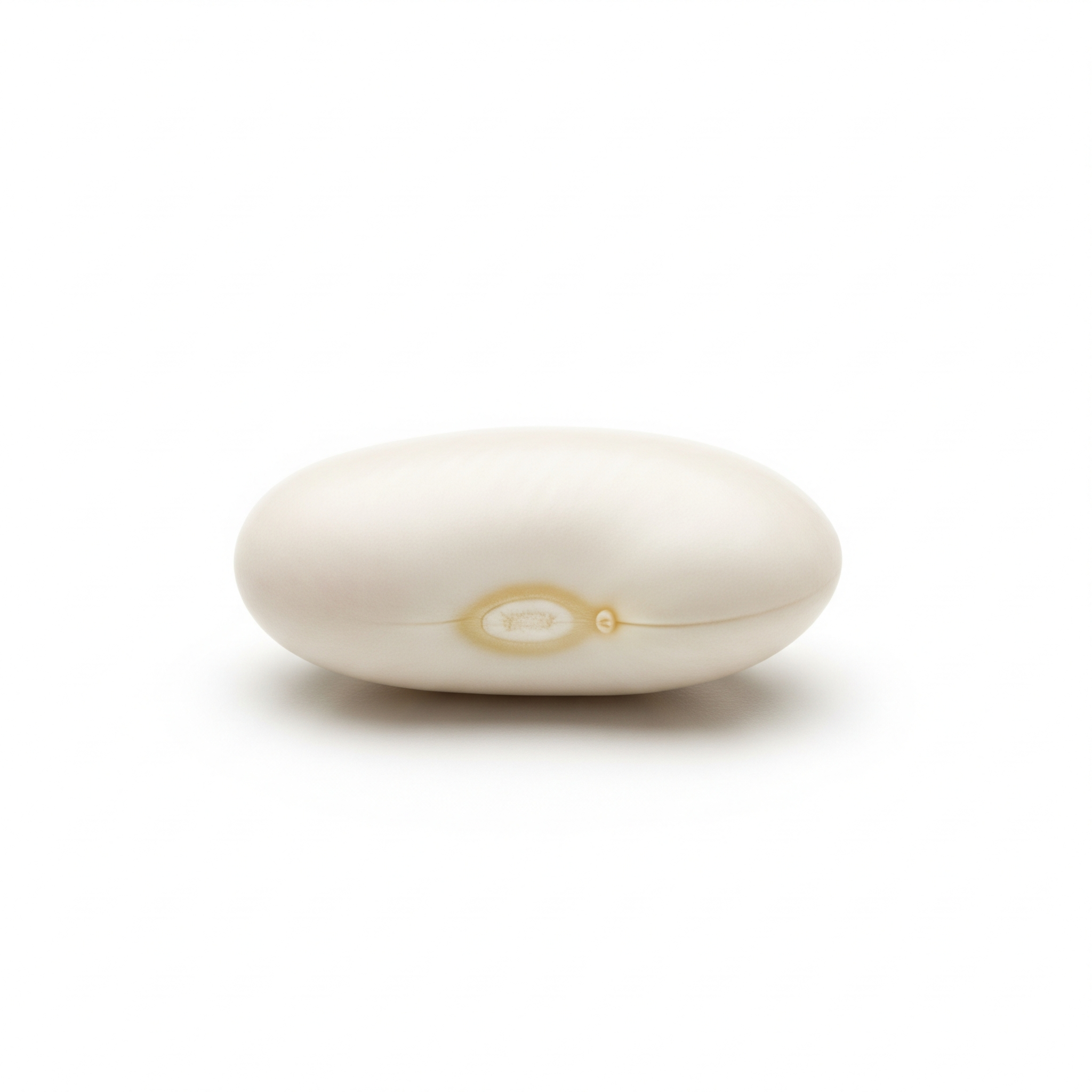
Archival print, museum-grade paper
Buy Poster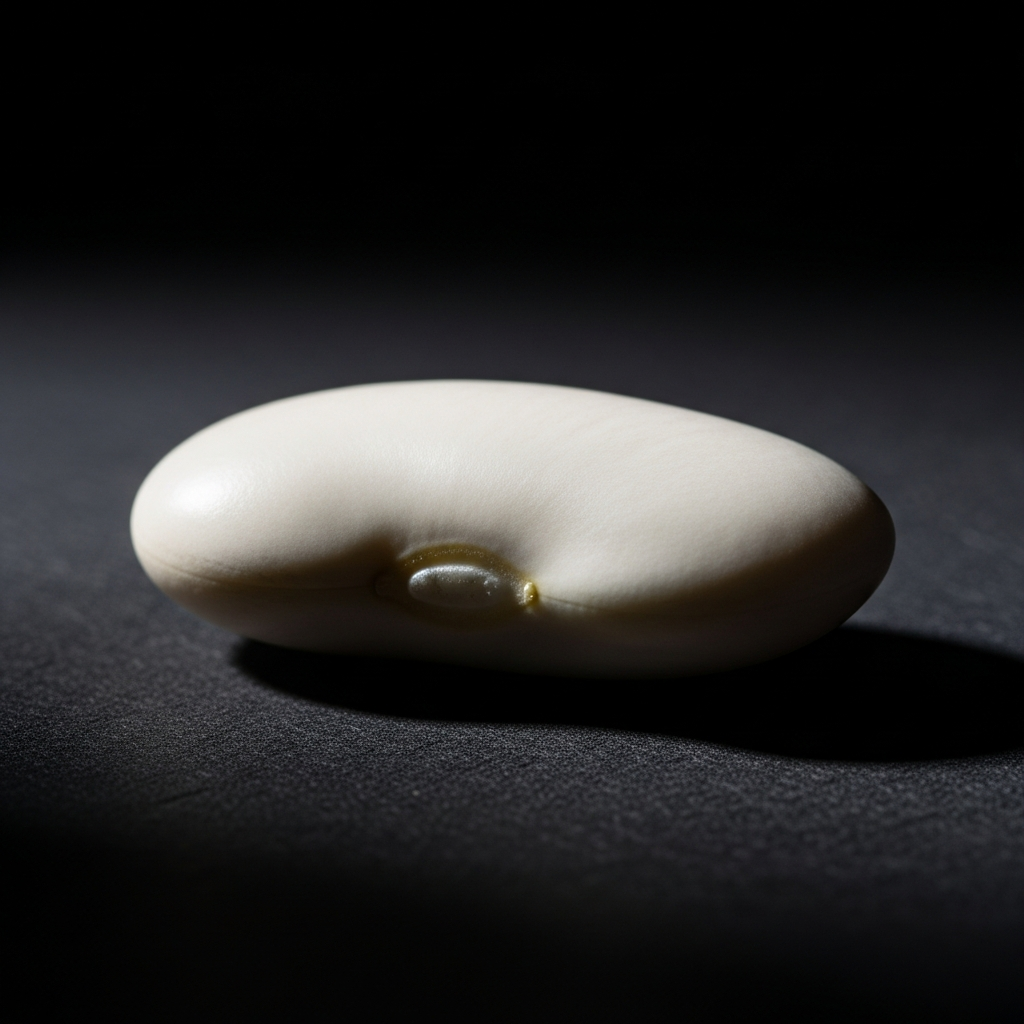
Stoneware mug, dishwasher safe
Buy Mug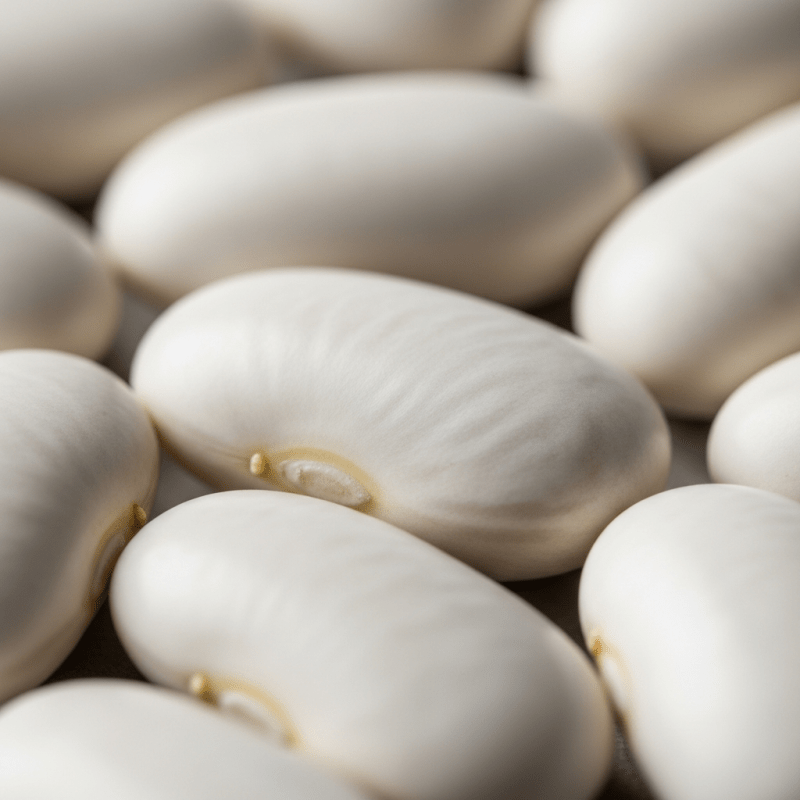
Soft cotton tee, unisex sizes
Buy ShirtIn North American cuisine, especially across the Midwest and Great Plains, the Great Northern bean holds a prominent place as a traditional staple. Its presence in hearty regional dishes reflects its role in agricultural heritage and everyday cooking culture, symbolizing comfort and sustenance.
Growing as a bush-type plant, the Great Northern bean reaches heights between 30 and 45 centimeters. Its pods are straight and typically contain five to seven seeds. Seeds are oval to slightly flattened, white in color, and measure 0.5 to 1.0 centimeters in length. The plant matures in approximately 85 to 100 days. While it exhibits moderate drought tolerance, it is susceptible to common bean mosaic virus and bacterial blight. Seeds store well due to low moisture and a durable seed coat, though they are less robust than navy beans for extended storage.
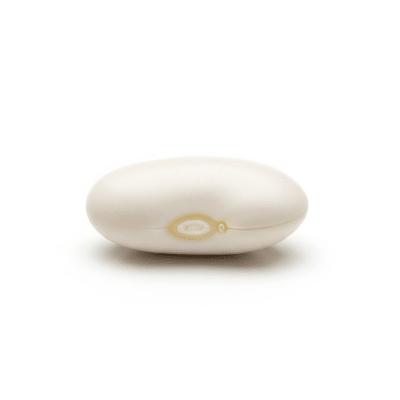
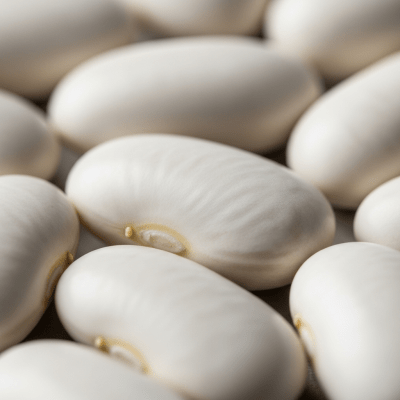
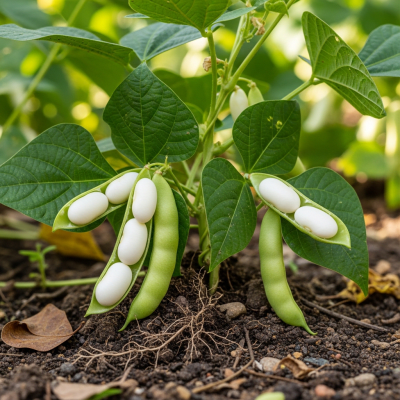
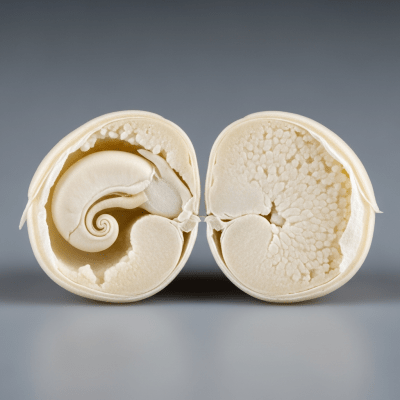
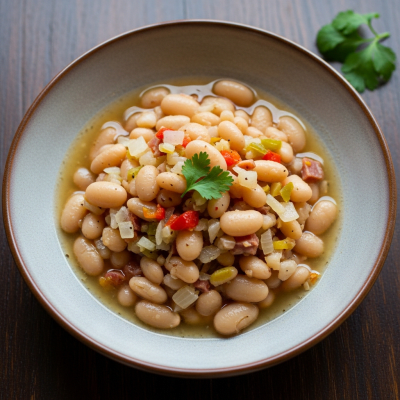
Great Northern beans are enjoyed primarily dried, canned, or fresh. Their mild flavor and thin skin make them ideal for absorbing seasonings in a variety of dishes such as soups, stews, casseroles, baked meals, bean dips, and spreads. Commercially, they are favored in North America—especially the Midwest and Great Plains—for their uniform appearance and quick cooking time, making them a popular choice in both home kitchens and processed foods.
The Great Northern bean cultivar emerged in the early 20th century from selections of white bean landraces adapted to temperate climates. Although no specific breeder or institution is credited with its development, it has become a recognized and widely grown cultivar under the name "Great Northern."
For optimal growth, Great Northern beans thrive in temperate climates with well-drained soil. They prefer full sun and moderate watering, benefiting from their moderate drought tolerance. Planting should occur after the last frost, and the bush-type plants require minimal staking. Crop rotation and disease management are important to mitigate susceptibility to mosaic virus and bacterial blight.
Great Northern beans store best when kept dry and in a cool, dark environment to maintain seed viability and flavor. Their low moisture content and durable seed coat aid preservation, though they are less resilient than navy beans for long-term storage. Properly dried beans can be stored for months without significant quality loss.