Pigeon Pea
Pigeon pea (Cajanus cajan) is a versatile legume widely cultivated for its edible seeds and valued for its adaptability in tropical and subtropical agriculture.
Pigeon pea (Cajanus cajan) is a versatile legume widely cultivated for its edible seeds and valued for its adaptability in tropical and subtropical agriculture.
Originating from the Indian subcontinent, pigeon pea has been domesticated for at least 3,500 years. Its wild relatives grow in India and East Africa, and over centuries, numerous landraces and improved cultivars have been developed, notably by institutions like ICRISAT since the 1970s.
Pigeon pea belongs to the Fabaceae family, genus Cajanus, and species cajan. Though botanically distinct from common beans, it is often grouped with beans in culinary contexts due to similar uses and nutritional qualities.
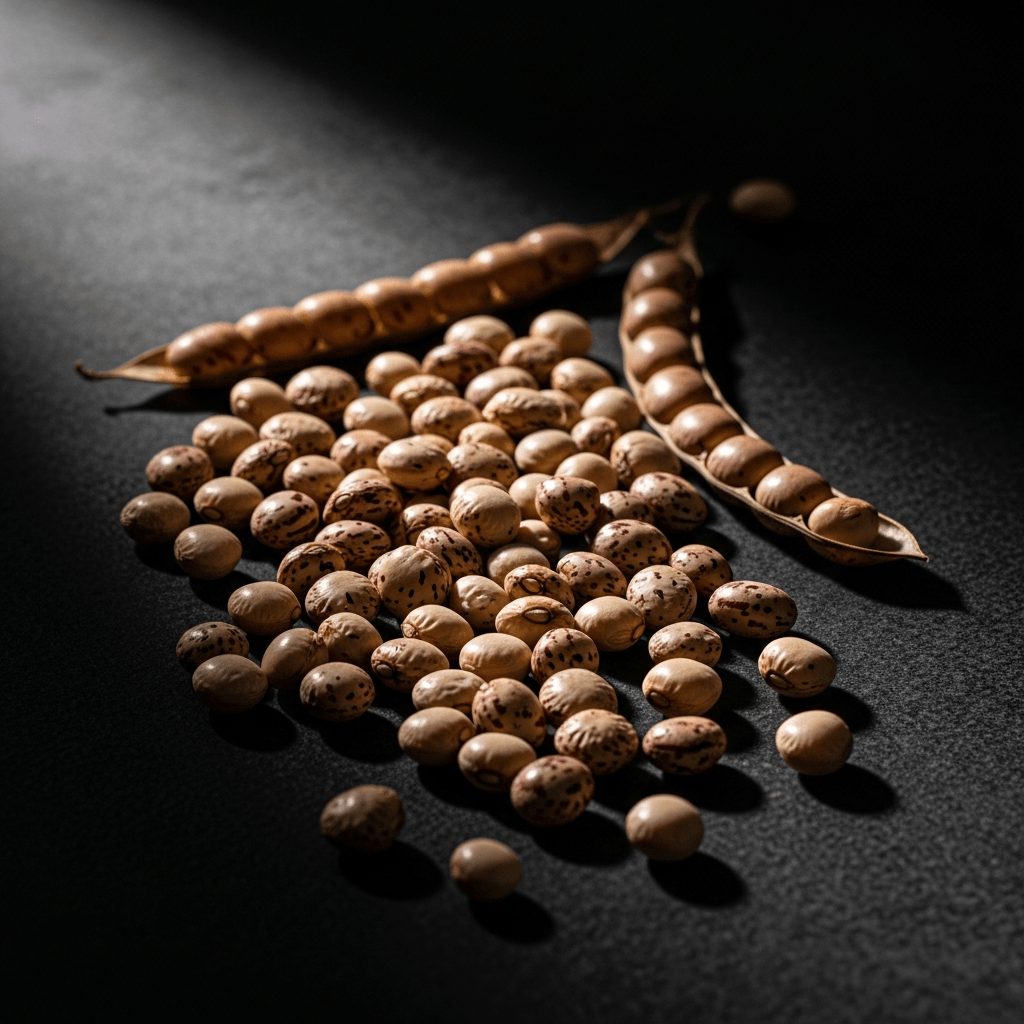
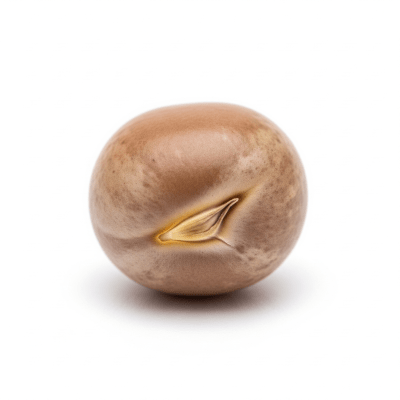
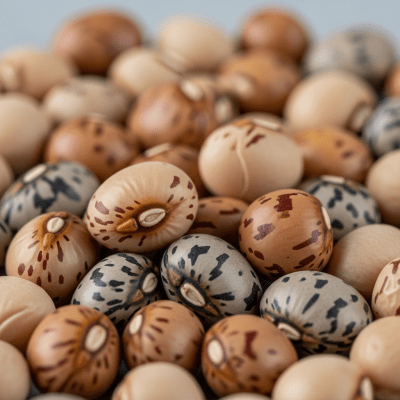
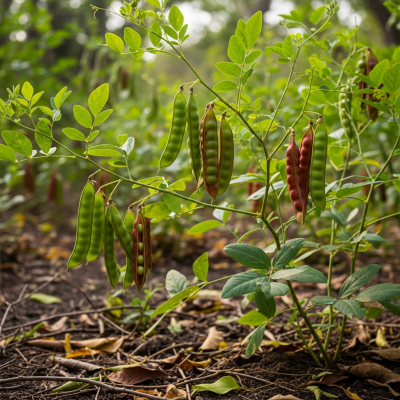
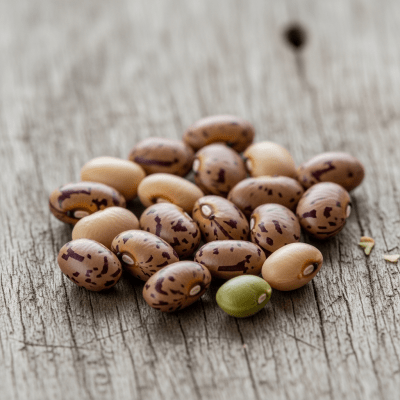
The pigeon pea plant is a semi-vining shrub growing between 1 and 2 meters tall. It features trifoliate leaves and yellow to reddish flowers. Its pods contain 2 to 9 seeds that are round to oval in shape, with seed coats ranging in color from cream and brown to red and purple.
Highly drought-tolerant and capable of fixing atmospheric nitrogen, pigeon pea thrives in marginal soils and improves soil fertility. It is cultivated mainly as an annual crop despite its perennial nature, and while susceptible to Fusarium wilt and pod borers, it resists many other pests and diseases.
Bring this kind into your world illustrated posters, mugs, and shirts.
Archival print, museum-grade paper
Buy Poster
Stoneware mug, dishwasher safe
Buy Mug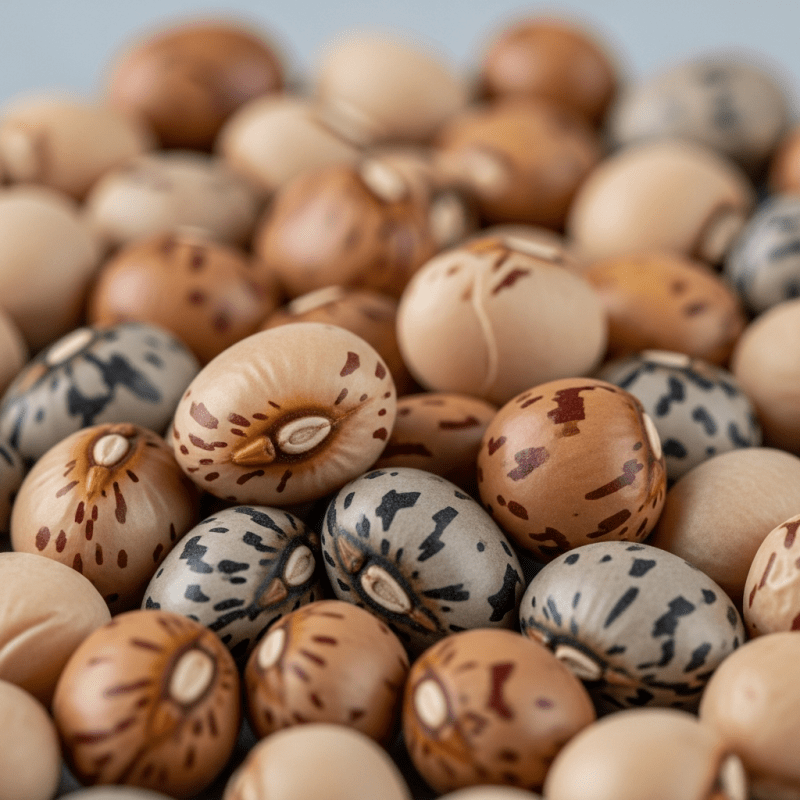
Soft cotton tee, unisex sizes
Buy ShirtPigeon pea holds cultural importance across South Asia, Africa, and the Caribbean, where it is a staple protein source. Known regionally as toor dal in India and gandules or gungo pea in the Caribbean, it features prominently in traditional dishes and agricultural practices.
As a semi-vining shrub, pigeon pea typically grows 100 to 200 cm tall. Its pods contain 2 to 9 round to oval seeds, which vary in color from cream to purple. The plant thrives in warm climates, exhibits strong drought tolerance, and resists many pests and diseases except for Fusarium wilt and pod borers. Seeds store well when dried but require protection from bruchid beetles.
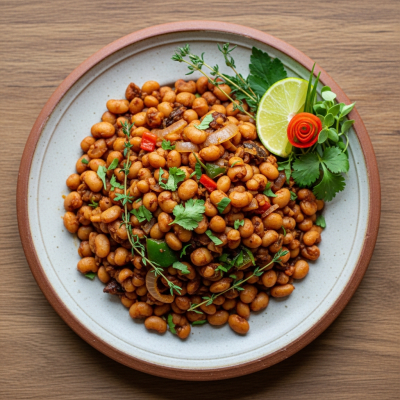
Pigeon pea is a staple protein source in South Asia, Africa, and the Caribbean, consumed in dried, fresh, or canned forms. It features in traditional dishes such as soups, stews, curries, and flour-based foods. Beyond culinary uses, the plant serves as green manure and fodder, contributing to sustainable agriculture.
While specific cultivar names are numerous and regionally varied, many improved lines have been developed by ICRISAT and other agricultural research institutions since the 1970s, enhancing yield, disease resistance, and adaptability.
For successful cultivation, pigeon pea thrives in warm, drought-prone environments with well-drained soils. It is often grown as an annual despite its perennial nature. Crop management should include monitoring for Fusarium wilt and pod borers, and integrating pigeon pea into crop rotations can improve soil nitrogen levels naturally.
Dried pigeon pea seeds store well under dry conditions but are susceptible to infestation by bruchid beetles. Proper storage in sealed containers and cool, dry environments is recommended to maintain seed quality and longevity.