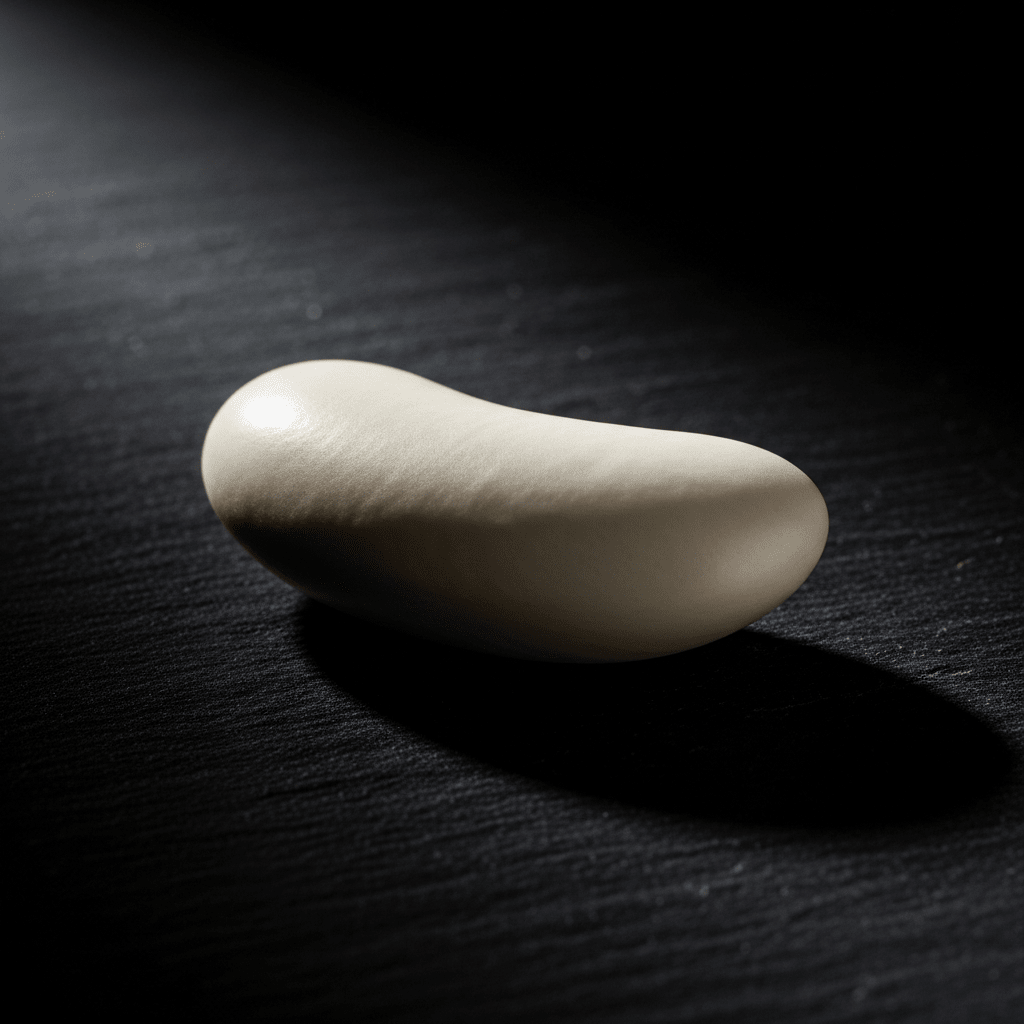
Cannellini Bean
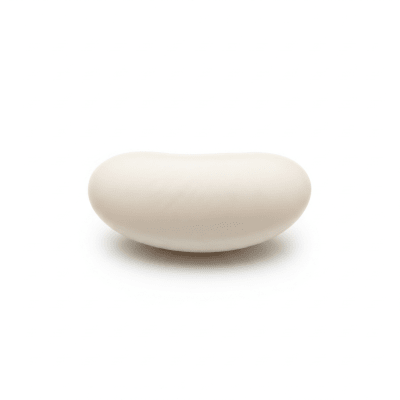
The Cannellini bean (Phaseolus vulgaris) is a medium to large, kidney-shaped white bean prized for its creamy texture and mild, nutty flavor, widely used in Mediterranean cuisine.
The Cannellini bean (Phaseolus vulgaris) is a medium to large, kidney-shaped white bean prized for its creamy texture and mild, nutty flavor, widely used in Mediterranean cuisine.
Originating from Central and South America, the Cannellini bean was introduced to Europe and has been cultivated extensively in Italy since the 16th century. It is a heritage cultivar of the common bean, tracing its lineage back to New World varieties.
The Cannellini bean belongs to the Fabaceae family, genus Phaseolus, species vulgaris. It is a cultivar of the common bean, closely related to other kidney and white bean varieties within this botanical group.
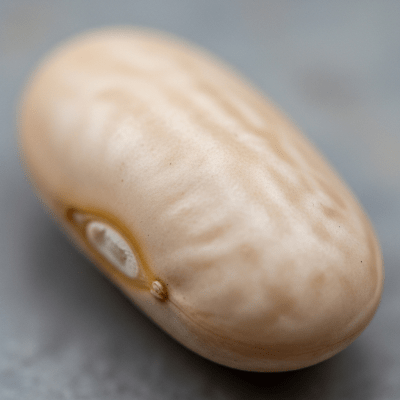
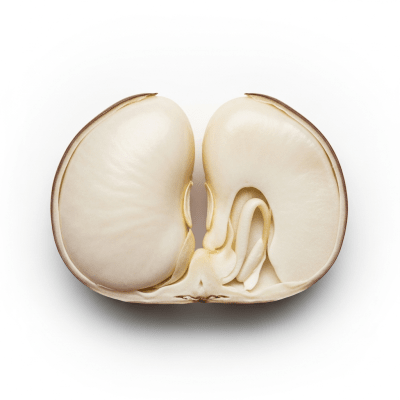
Cannellini beans are kidney-shaped seeds measuring about 1 to 1.5 centimeters in length, featuring a smooth, white seed coat. The plants produce green pods that mature to contain four to six seeds each.
These beans serve as a versatile ingredient in cooking, appreciated for their creamy texture and mild flavor. They are consumed in dried, canned, or fresh forms and commonly incorporated into soups, stews, salads, and purees.
Bring this kind into your world illustrated posters, mugs, and shirts.
Archival print, museum-grade paper
Buy Poster
Stoneware mug, dishwasher safe
Buy Mug
Soft cotton tee, unisex sizes
Buy ShirtIntegral to Tuscan and Ligurian culinary traditions, the Cannellini bean symbolizes Mediterranean heritage and is a staple in iconic dishes like minestrone. Its role extends to vegetarian and vegan diets as a valued protein source.
The Cannellini bean plant produces annual seeds with kidney-shaped, white seeds measuring 1 to 1.5 cm in length. Each pod typically contains four to six seeds. The plant matures in about 70 to 90 days and exhibits moderate drought tolerance. It shows moderate resistance to bacterial blight but can be vulnerable to other common bean diseases. Proper drying and storage reduce insect damage risks.

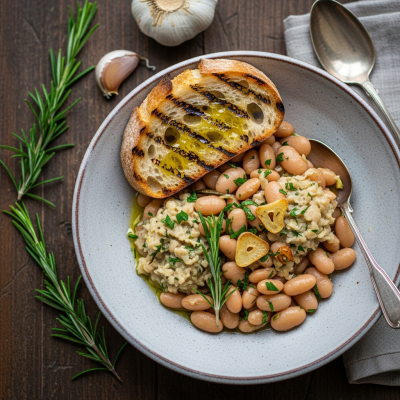
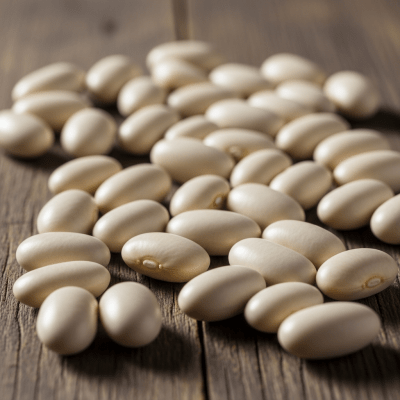
Cannellini beans are widely used in Mediterranean dishes such as minestrone, soups, salads, stews, and purees. Their creamy texture and mild, nutty flavor make them a favorite ingredient in Tuscan and Ligurian cuisine. Available commercially in dried, canned, and occasionally fresh forms, they are important in markets across Italy, the United States, and Argentina. They also serve as a nutritious protein source in vegetarian and vegan diets.
The Cannellini bean is considered a heritage cultivar with no specific breeder or documented year of release. Its lineage traces back to the New World common bean varieties introduced to Europe centuries ago.
Cultivating Cannellini beans requires well-drained soils and moderate watering, as the plants show moderate drought tolerance. They typically mature in 70 to 90 days. Protecting crops from common diseases like bean mosaic virus and anthracnose is advisable, while ensuring proper spacing and sunlight promotes healthy growth.
Dried Cannellini beans store well when kept in a cool, dry environment with low humidity, minimizing insect damage. Properly dried beans can maintain quality for extended periods, making them suitable for long-term storage and commercial distribution.