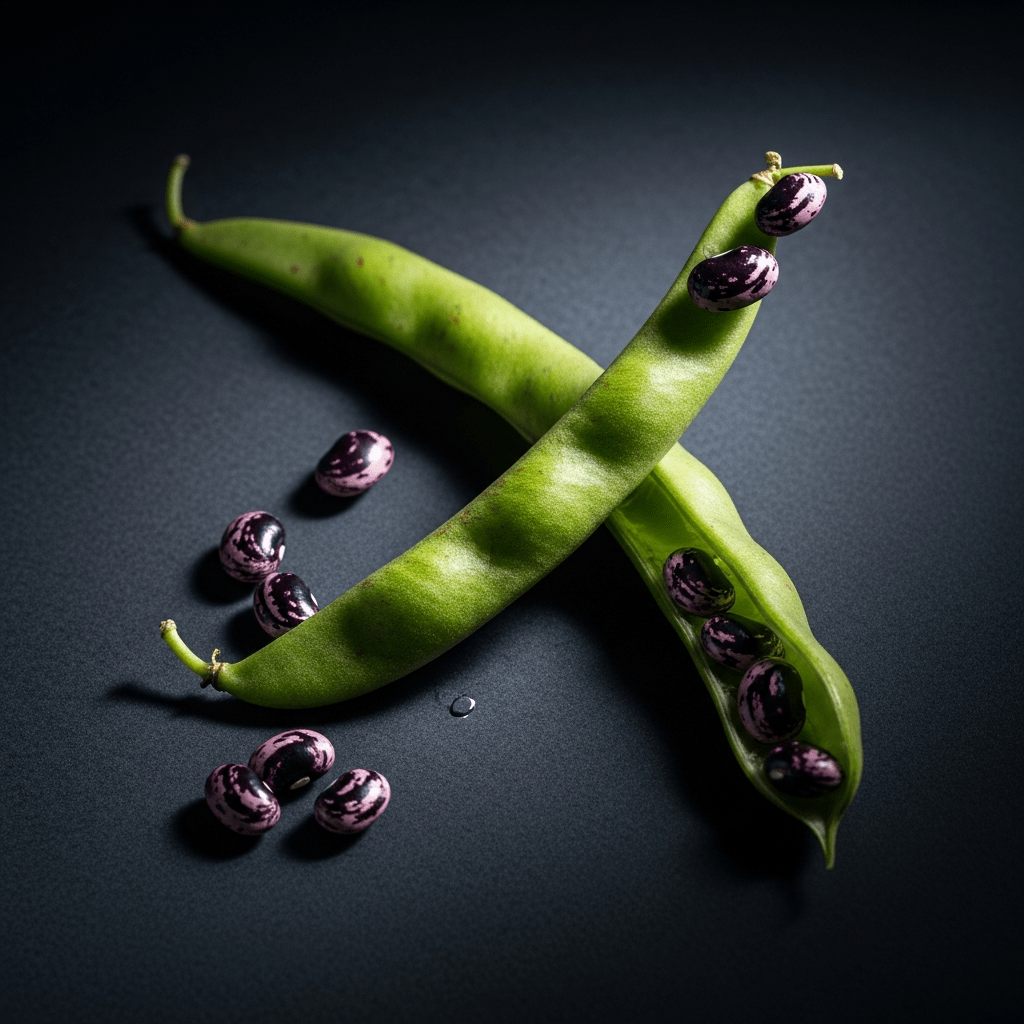
Runner Bean
The runner bean (Phaseolus coccineus) is a vigorous climbing legume prized for its edible pods, seeds, and striking flowers, widely cultivated for both food and ornamental purposes.
The runner bean (Phaseolus coccineus) is a vigorous climbing legume prized for its edible pods, seeds, and striking flowers, widely cultivated for both food and ornamental purposes.
Native to the highlands of Central America, particularly southern Mexico and Guatemala, the runner bean was domesticated in pre-Columbian times. It was introduced to Europe in the 17th century, where it gained popularity as a versatile vegetable and decorative plant.
Belonging to the Fabaceae family and the genus Phaseolus, the runner bean is scientifically classified as Phaseolus coccineus. It is closely related to other common beans but distinguished by its climbing growth habit and large flowers.
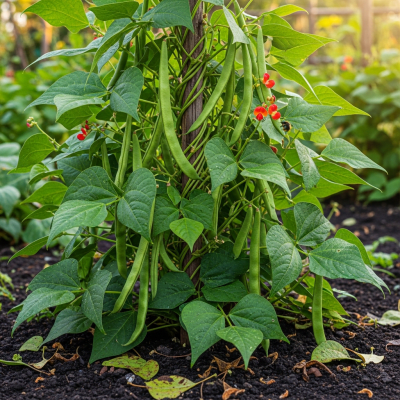
Runner bean plants are robust climbers reaching 2 to 4 meters tall, featuring trifoliate leaves and clusters of large, showy flowers in scarlet, white, or bicolored hues. Their pods are long (20–30 cm), slightly rough, and contain large, kidney-shaped seeds that vary in color from white to purple-black, often mottled.
Grown primarily as an annual in temperate climates, runner beans require support for their climbing habit. They thrive in cool, moist conditions and are harvested for fresh pods, shelled seeds, or dried beans. The flowers are also edible and sometimes used as garnishes, highlighting the plant's dual culinary and ornamental value.
Bring this kind into your world illustrated posters, mugs, and shirts.
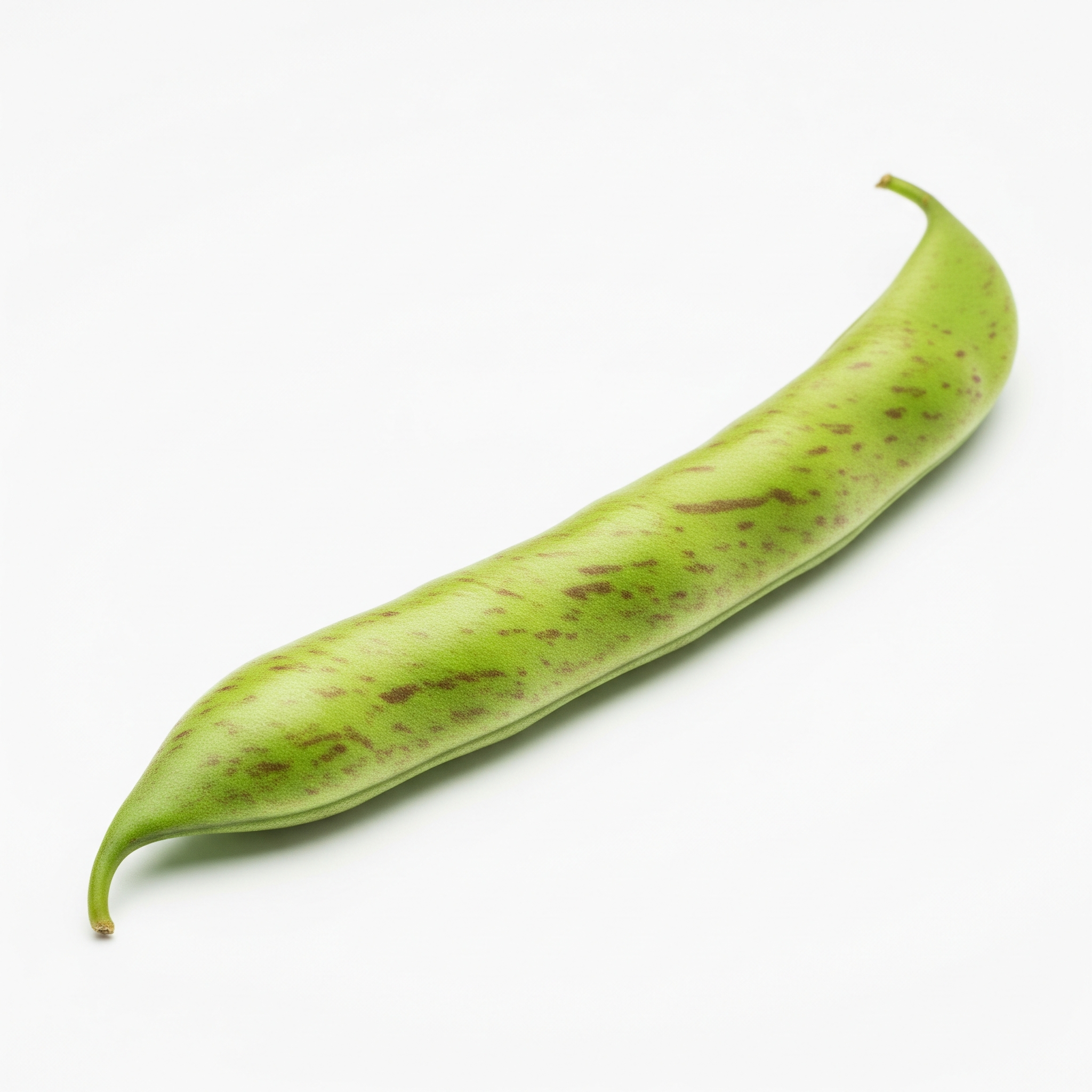
Archival print, museum-grade paper
Buy Poster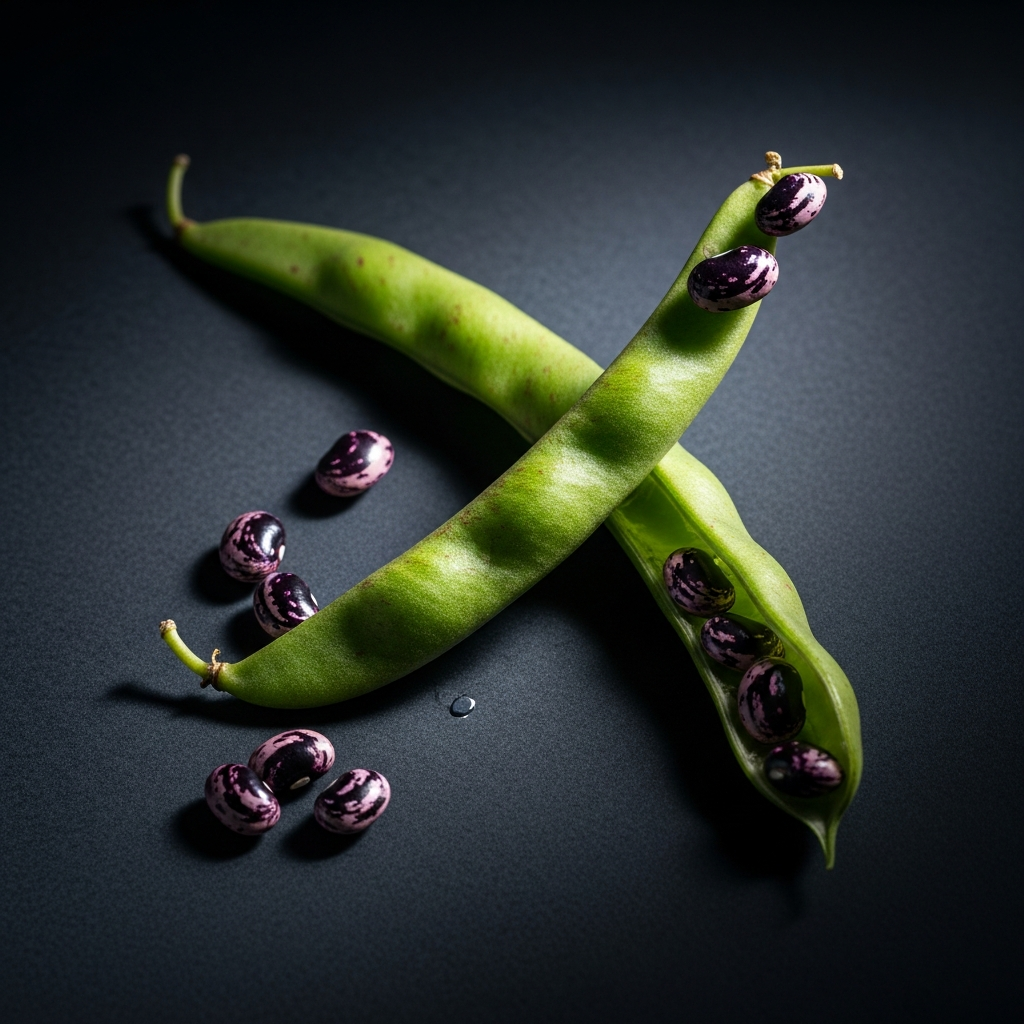
Stoneware mug, dishwasher safe
Buy Mug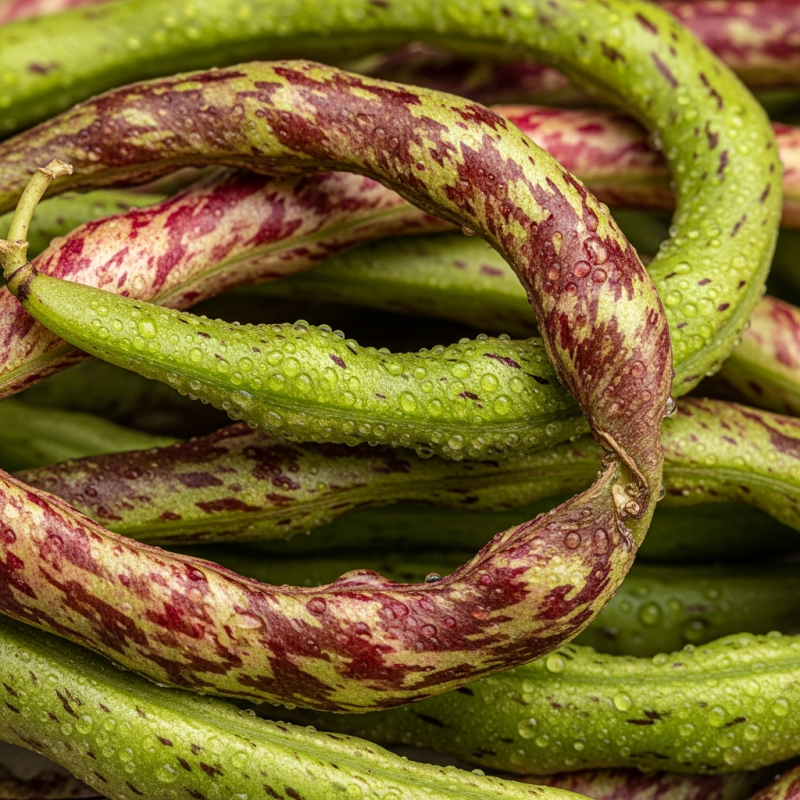
Soft cotton tee, unisex sizes
Buy ShirtRunner beans hold cultural importance in European and American home gardens, valued both for their vibrant flowers and as a traditional vegetable. In Spanish-speaking regions, they are known as "frijol de vara" or "ayocote," reflecting their integration into local cuisines and customs.
Runner bean plants exhibit a pole growth habit, climbing vigorously to heights between 200 and 400 centimeters. Their pods measure 20 to 30 centimeters in length and contain large, kidney-shaped seeds that range in color from white to purple-black, often mottled. The species shows tolerance to cool soils but lacks notable drought resistance. Seeds are best stored dried, as fresh pods are perishable.
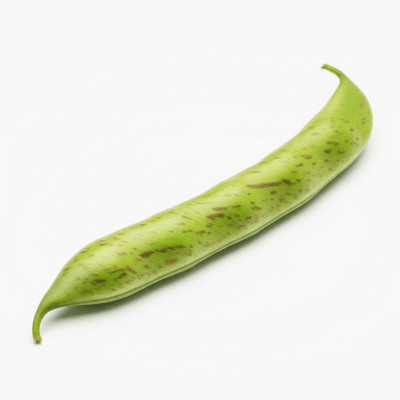
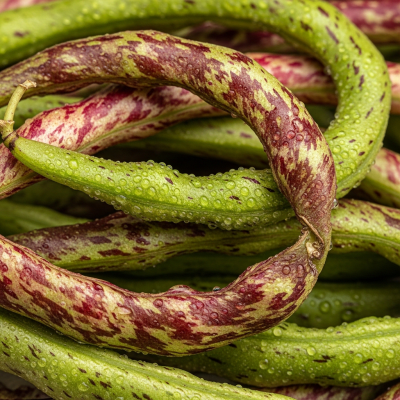
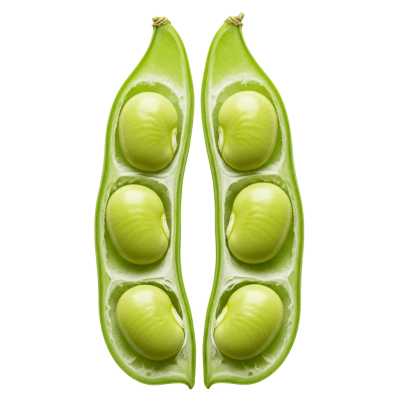
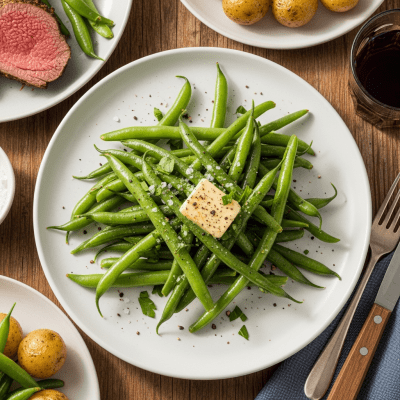
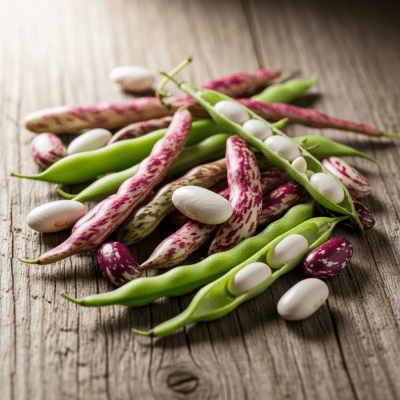
Runner beans are enjoyed fresh as sliced pods, shelled seeds, or dried beans. They feature in soups, stews, and as vegetable side dishes, especially in Europe. The edible flowers add a decorative touch to dishes. Commercially, they are sold fresh, frozen, or dried, with significant markets in Europe, the Americas, and global home gardens.
Notable cultivars of runner bean include 'Scarlet Emperor', 'Painted Lady', 'White Dutch', and 'Polestar'. These varieties have been developed by various seed companies and agricultural institutions, enhancing traits such as flower color, pod size, and yield.
For successful cultivation, runner beans require sturdy supports like poles or trellises to accommodate their climbing habit. They prefer cool, moist soils and should be planted after the last frost. Avoid drought stress by maintaining consistent watering, and be mindful of pests such as aphids and bean mosaic viruses.
Fresh runner bean pods are highly perishable and best consumed soon after harvest. For longer storage, seeds should be dried thoroughly and kept in cool, dry conditions to maintain viability and quality. Dried seeds can be stored for extended periods and used for planting or cooking.