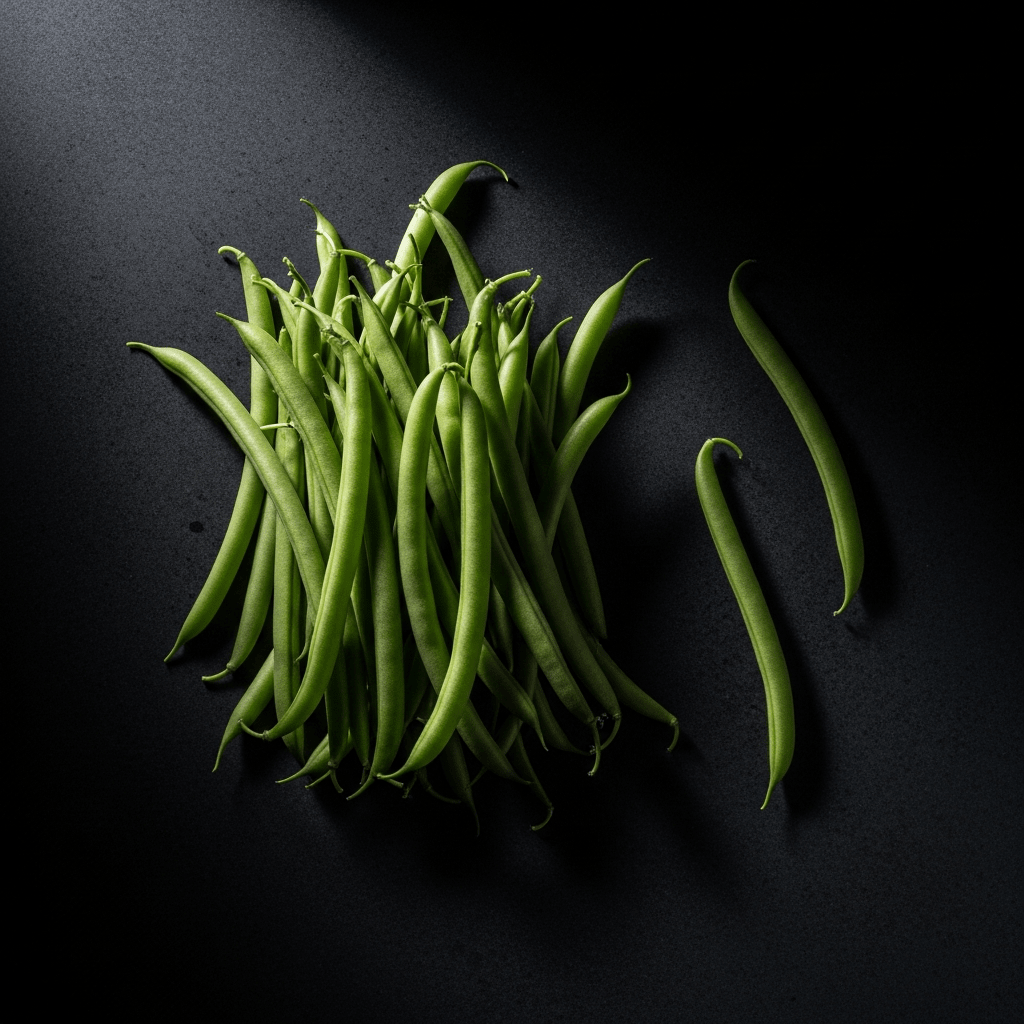
French Bean
The French bean, also known as the green bean or snap bean, is the tender, edible pod of Phaseolus vulgaris, widely enjoyed fresh and valued for its crisp texture and versatility in cooking.
The French bean, also known as the green bean or snap bean, is the tender, edible pod of Phaseolus vulgaris, widely enjoyed fresh and valued for its crisp texture and versatility in cooking.
Originating in Central and South America, the French bean was domesticated at least 7,000 years ago. It gained prominence in Europe during the 16th and 17th centuries after the Columbian exchange, with early notable cultivars like France's Haricot Vert and the USA's Blue Lake marking its introduction to global markets.
Belonging to the Fabaceae family, the French bean is a variety of the species Phaseolus vulgaris. It fits within the broader group of common beans, distinguished by its fresh, immature pods rather than dried seeds, and is closely related to other edible legumes widely cultivated worldwide.
French bean plants typically grow as bush types reaching 30 to 60 centimeters tall. Their pods are slender and elongated, measuring 7 to 15 centimeters in length, and come in shades of green, yellow, or purple. Modern cultivars produce stringless pods prized for their crispness and mild flavor.
Harvested while immature, French beans are consumed fresh or processed, prized for their tender pods that snap crisply when broken. They thrive in well-drained soils, maturing within 50 to 70 days, and are sensitive to frost. Their growth habit and rapid maturation make them a staple in both home gardens and commercial agriculture.
Bring this kind into your world illustrated posters, mugs, and shirts.
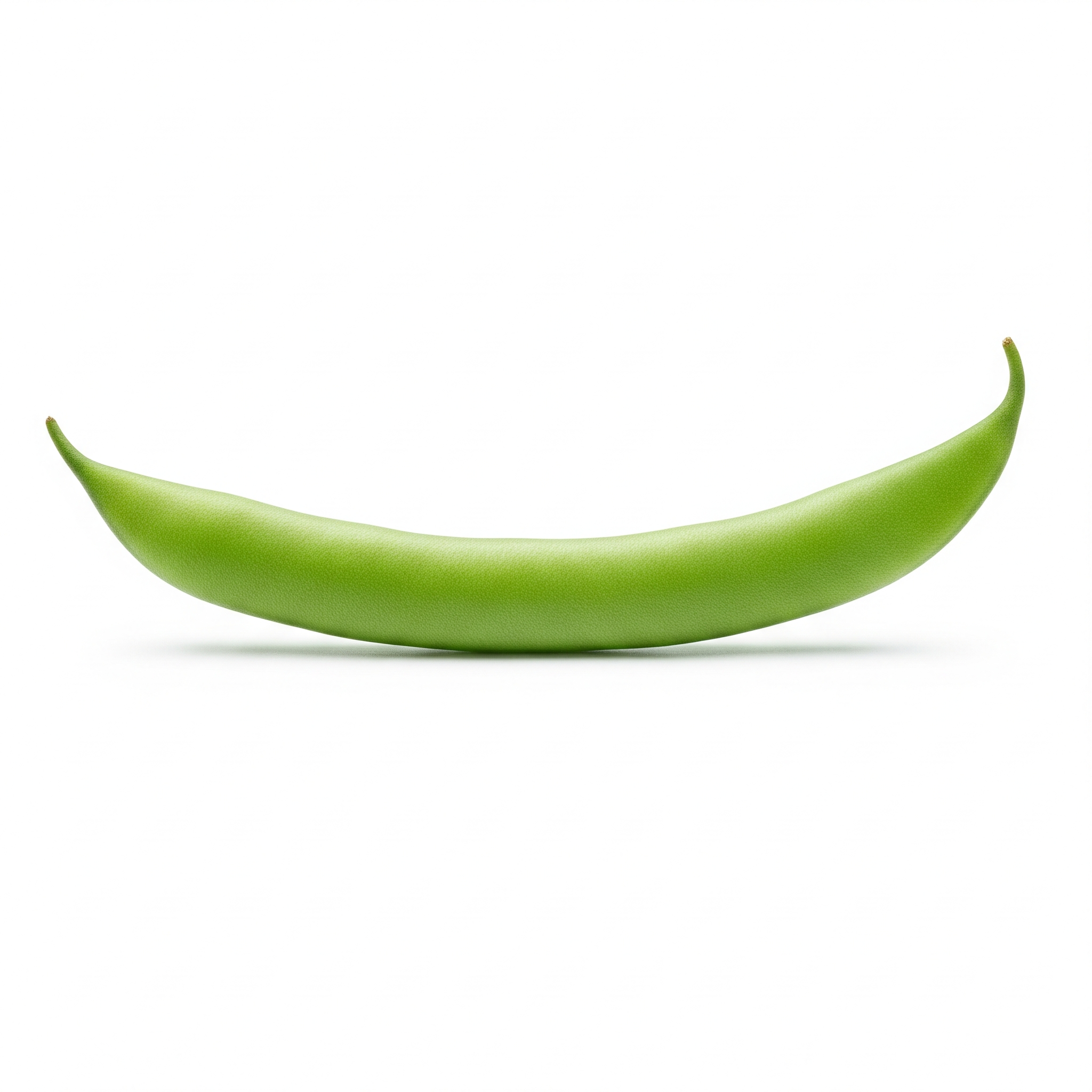
Archival print, museum-grade paper
Buy Poster
Stoneware mug, dishwasher safe
Buy Mug
Soft cotton tee, unisex sizes
Buy ShirtFrench beans hold a cherished place in European cuisine, especially in France where the term "haricot vert" denotes slender, gourmet varieties. They feature prominently in traditional dishes, salads, and stir-fries, symbolizing freshness and seasonal abundance. Their culinary appeal has cemented their role in both everyday and haute cuisine.
French bean plants grow as annual bushes reaching 30 to 60 centimeters in height. Their pods are slender and measure between 7 and 15 centimeters long, with colors ranging from green to yellow and purple. They mature in approximately 50 to 70 days and are susceptible to diseases such as anthracnose, mosaic virus, and rust. Optimal storage is at 4 to 7°C, preserving freshness for up to two weeks.
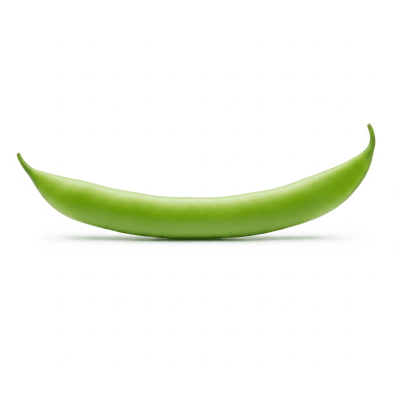
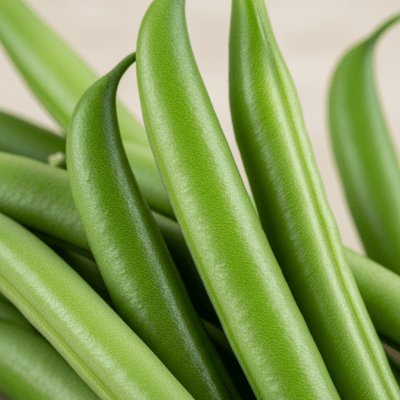
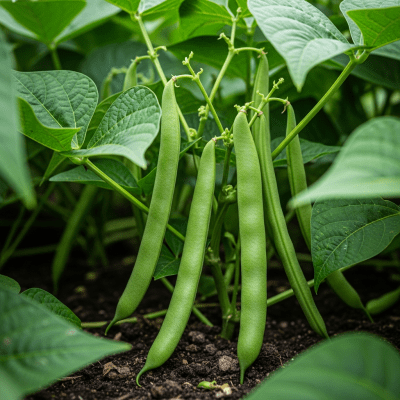
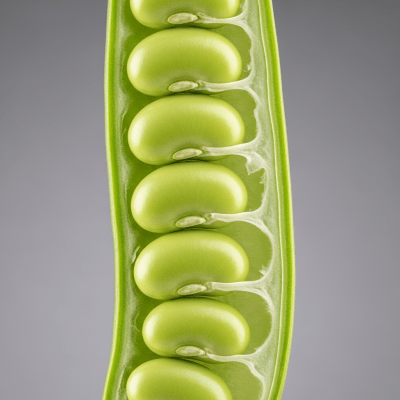
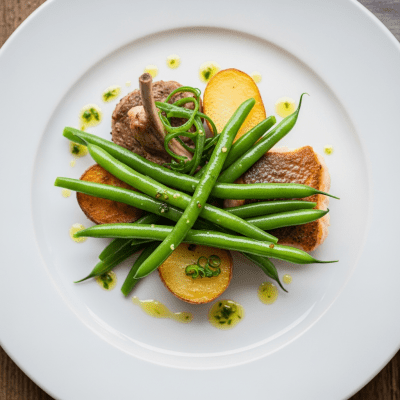
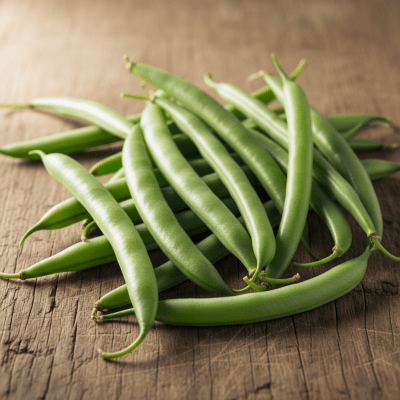
French beans are enjoyed fresh, steamed, boiled, stir-fried, or canned. They are key ingredients in dishes like French haricots verts, salads, and stir-fries. Nutritionally, they offer low calories, high dietary fiber, and valuable vitamins. Commercially, they are significant in Europe and North America, sold primarily fresh or canned to meet diverse culinary needs.
Notable French bean cultivars include Haricot Vert, prized for its slender pods and delicate flavor, and Blue Lake, a popular American variety known for high yields and quality. While specific breeder details and release years are not widely documented, these cultivars have shaped the commercial and culinary identity of French beans worldwide.
French beans prefer well-drained soils and moderate temperatures, avoiding frost exposure. They thrive when planted in fertile, moist conditions with good sunlight. Regular watering and disease monitoring, particularly for anthracnose and rust, support healthy growth. Selecting stringless cultivars enhances harvest quality, and timely picking ensures tender pods.
To maintain freshness, French beans should be stored at temperatures between 4 and 7°C, where they can keep for up to two weeks. For longer preservation, blanching followed by freezing is effective, retaining texture and flavor. Avoid moisture accumulation during storage to prevent spoilage and loss of crispness.