Marrow Bean
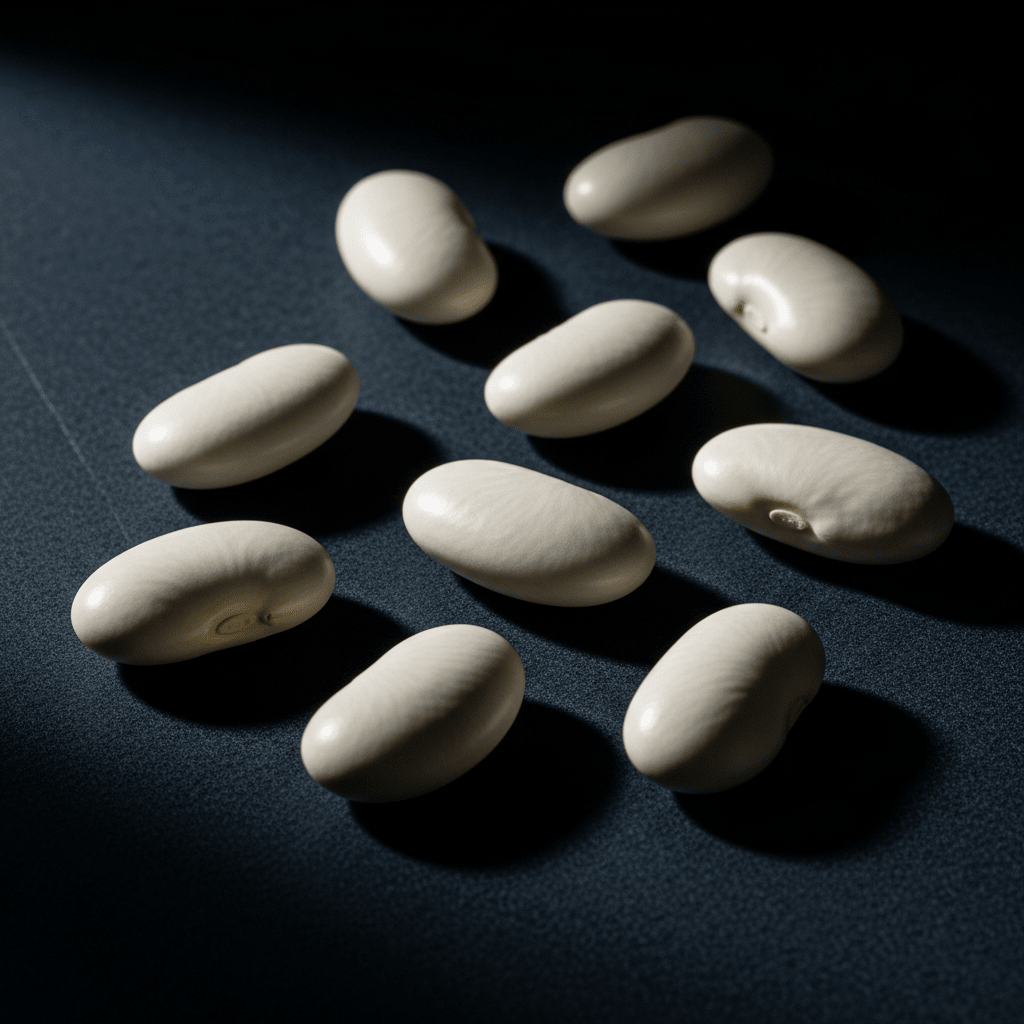
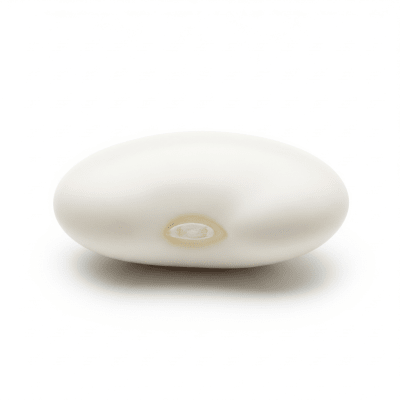
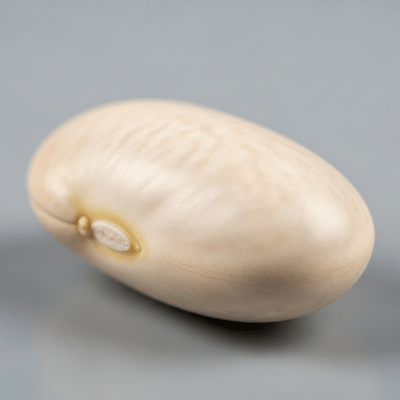
The marrow bean is a large, white, oval-shaped edible seed of Phaseolus vulgaris, prized for its creamy texture and mild flavor in a variety of culinary uses.
The marrow bean is a large, white, oval-shaped edible seed of Phaseolus vulgaris, prized for its creamy texture and mild flavor in a variety of culinary uses.
Originating from Central and South America, the marrow bean is a cultivar of the common bean that has been cultivated in the United States and Europe since at least the 19th century. Its lineage traces back to heirloom populations of Phaseolus vulgaris, though no specific breeder or institution is credited with its development.
Belonging to the Fabaceae family, the marrow bean is classified within the genus Phaseolus and species vulgaris. It is part of the broad group of edible beans commonly cultivated worldwide for food.
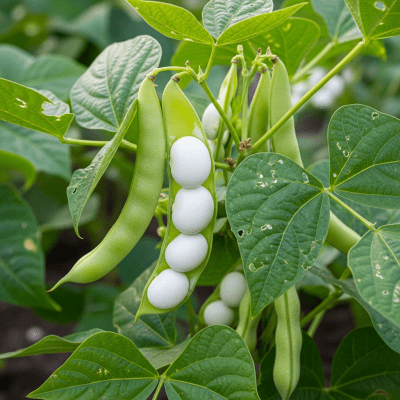
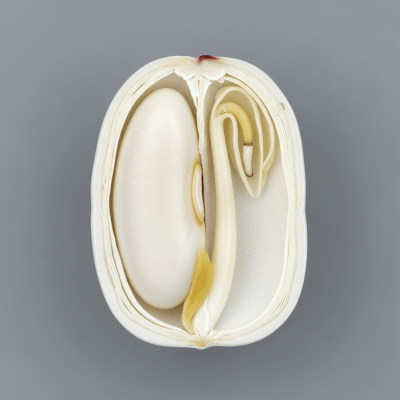
Marrow beans feature large, oval, and slightly flattened seeds with a smooth white seed coat. The plants typically grow as annual bushes, producing medium to long pods that contain four to six seeds each.
Primarily consumed in dried or canned form, marrow beans are valued for their creamy texture and mild flavor, making them ideal for soups, stews, baked dishes, and purees. They are not commonly used for fresh consumption or sprouting.
Bring this kind into your world illustrated posters, mugs, and shirts.
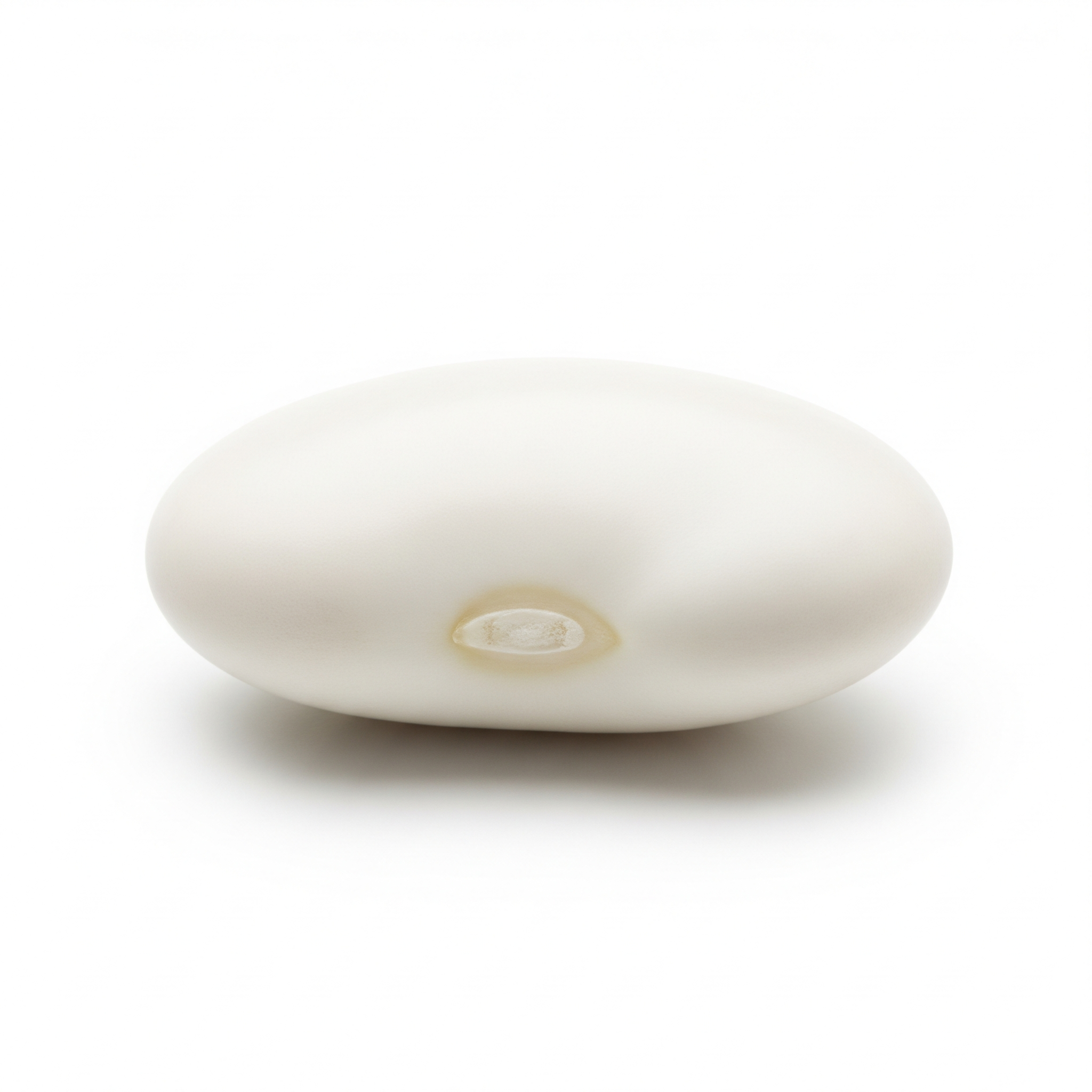
Archival print, museum-grade paper
Buy Poster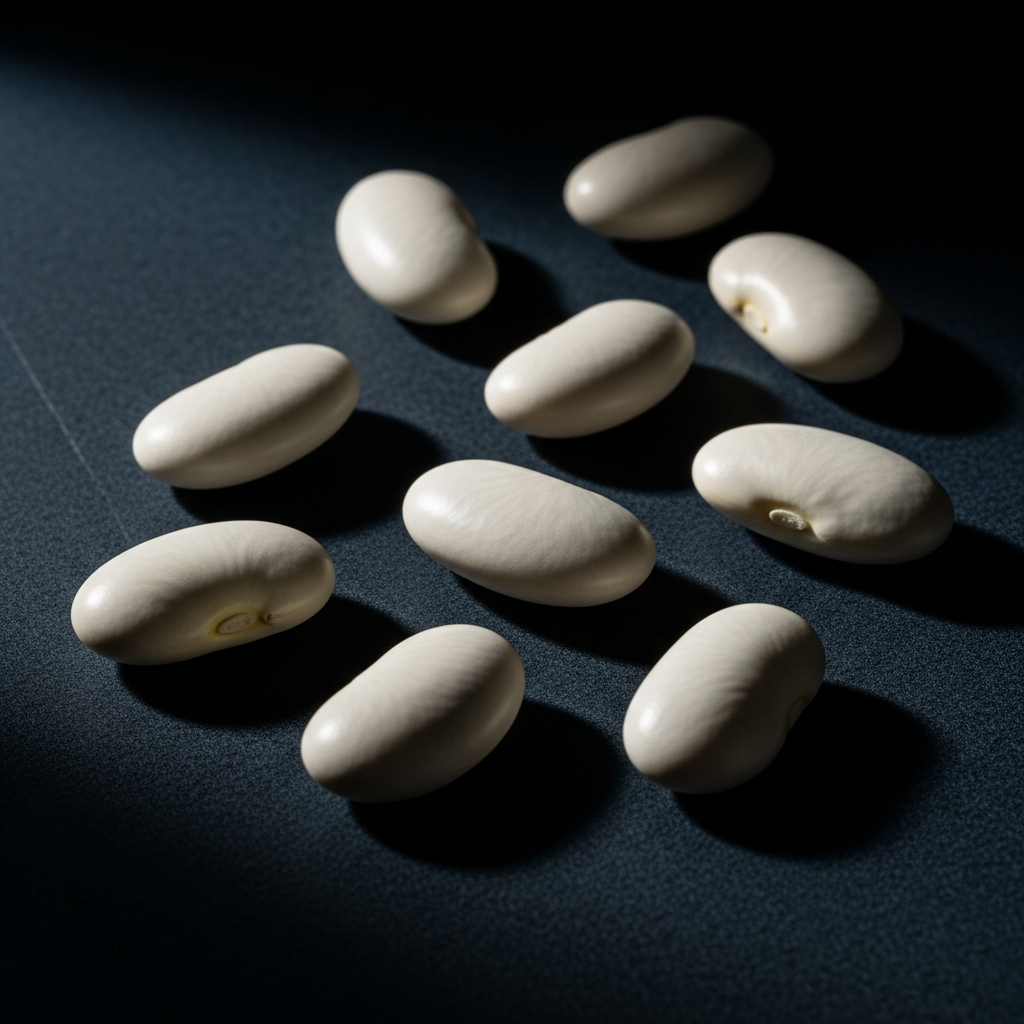
Stoneware mug, dishwasher safe
Buy Mug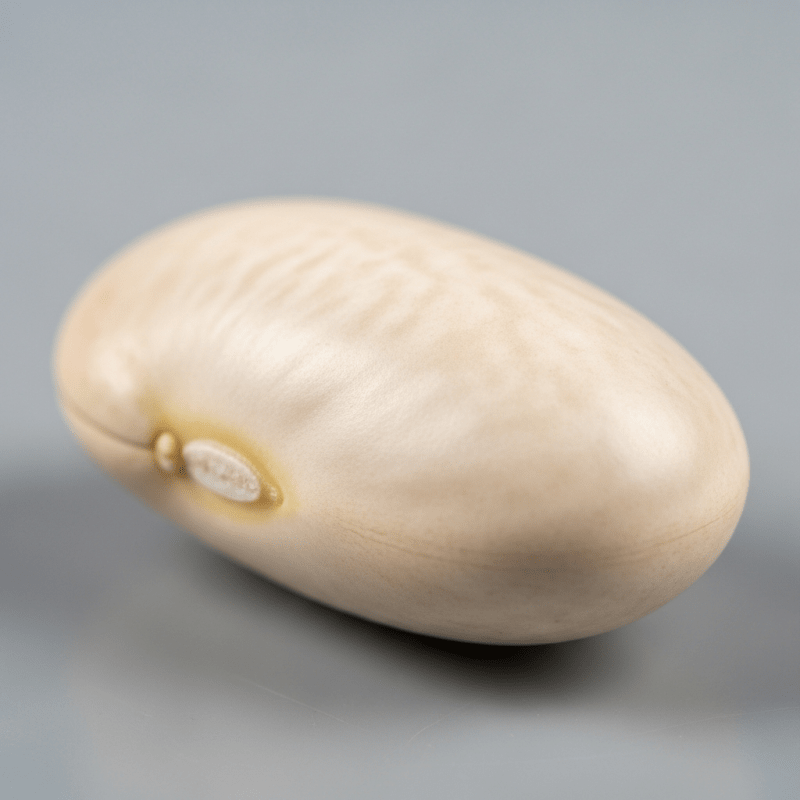
Soft cotton tee, unisex sizes
Buy ShirtMarrow beans hold a notable place in North American and European culinary traditions, often featured in hearty home-cooked meals and institutional food service. Their association with classic dishes like baked beans underscores their cultural role in comfort food cuisines.
Marrow bean plants grow as annual bushes with a determinate habit, producing medium to long pods that hold four to six large, oval, slightly flattened white seeds. They thrive in temperate climates with well-drained soils and moderate watering. While moderately susceptible to common bean diseases like anthracnose and mosaic virus, they offer good yield potential. Seeds store favorably in dry conditions, maintaining quality for months after harvest.
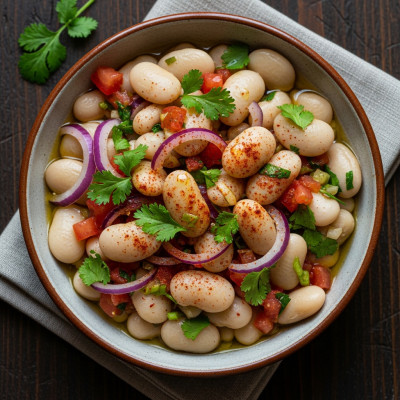

Marrow beans are commonly available dried or canned, widely marketed in North America and Europe. Their creamy texture and mild flavor make them a staple in traditional dishes such as soups, stews, baked beans, and purees. They are popular in both home kitchens and institutional food service but are not typically used for sprouting or fresh eating.
No specific cultivars, breeders, or release dates are documented for the marrow bean; it is generally regarded as an heirloom cultivar derived from common bean populations cultivated over the past two centuries.
Marrow beans grow best in well-drained soils with moderate moisture and temperate climates. They are typically cultivated as bush-type plants with determinate growth, requiring moderate watering and care to manage susceptibility to diseases such as anthracnose and mosaic virus. Crop rotation and disease monitoring can help maintain healthy yields.
For optimal storage, marrow bean seeds should be kept in dry, cool conditions to preserve quality for several months post-harvest. Dried beans maintain their texture and flavor well when stored properly, making them suitable for long-term pantry keeping.